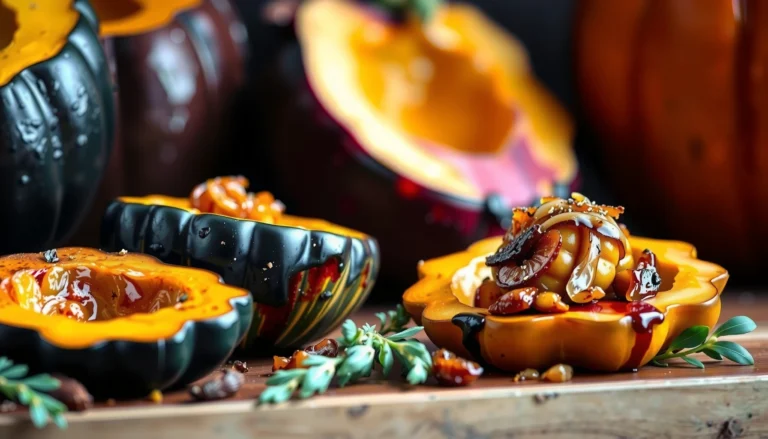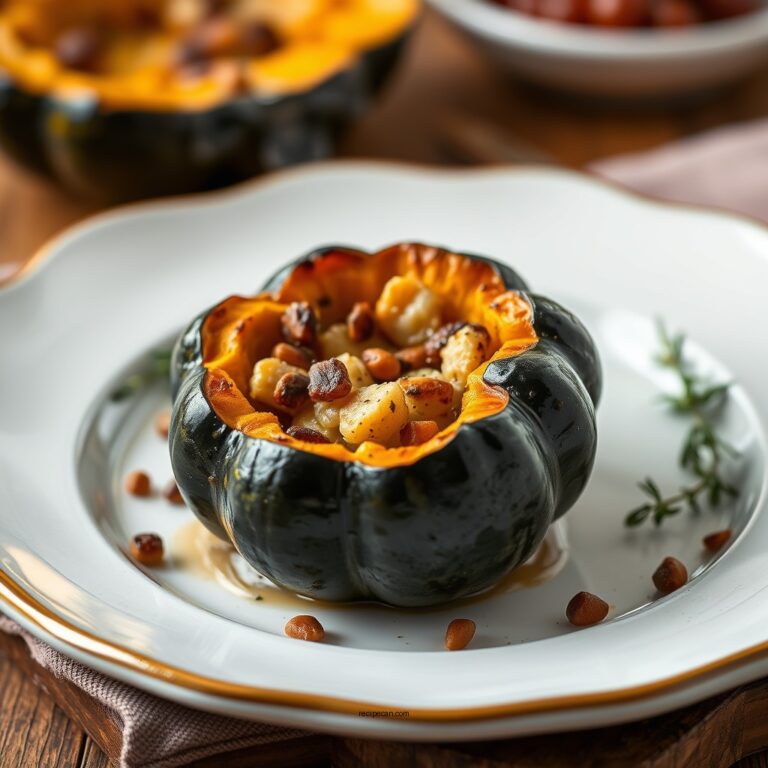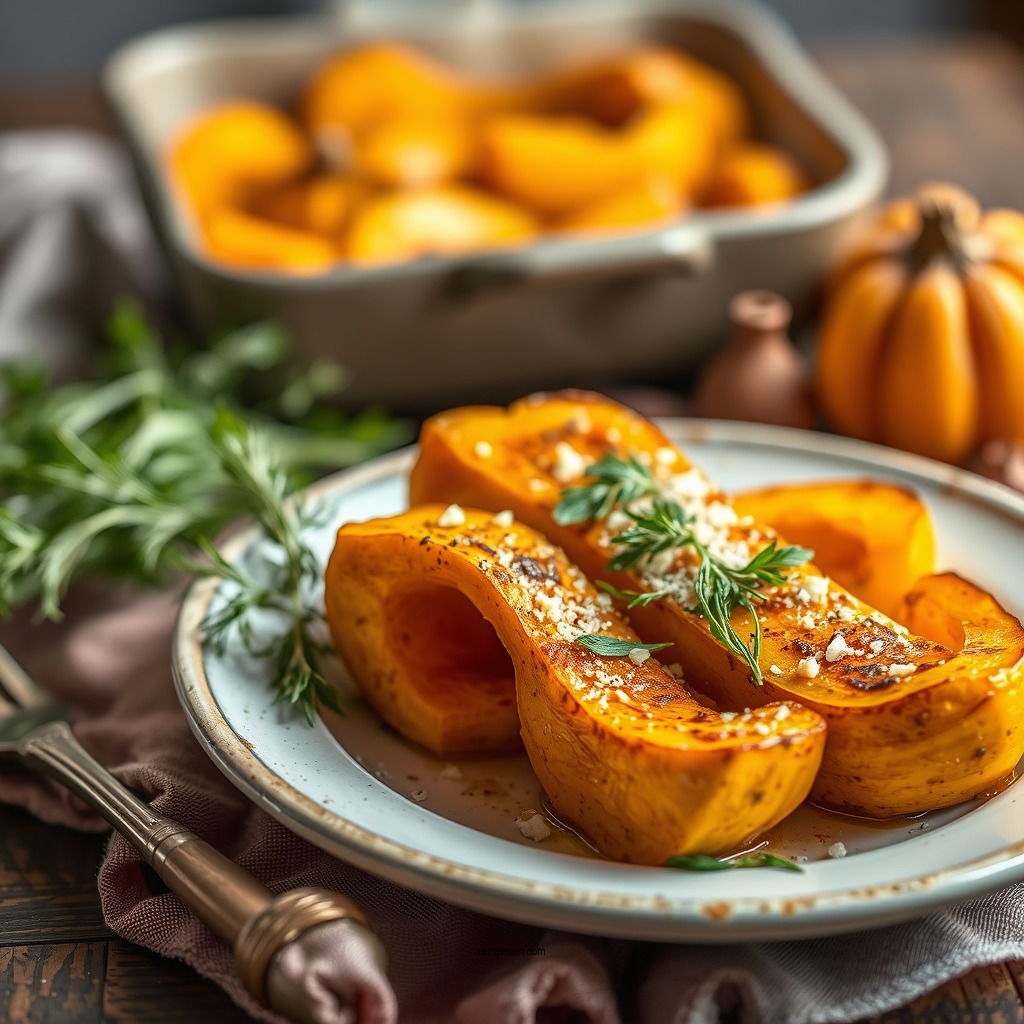
Roasting butternut squash is a straightforward way to bring out its natural sweetness and rich flavor. This method transforms the squash into a warm, caramelized delight, making it an ideal side dish or a hearty addition to various meals. In this article, you’ll learn how to prepare a perfectly roasted butternut squash, along with tips for seasoning and serving. Whether as a side dish or a main ingredient, this recipe is sure to impress.
Choosing the Right Butternut Squash
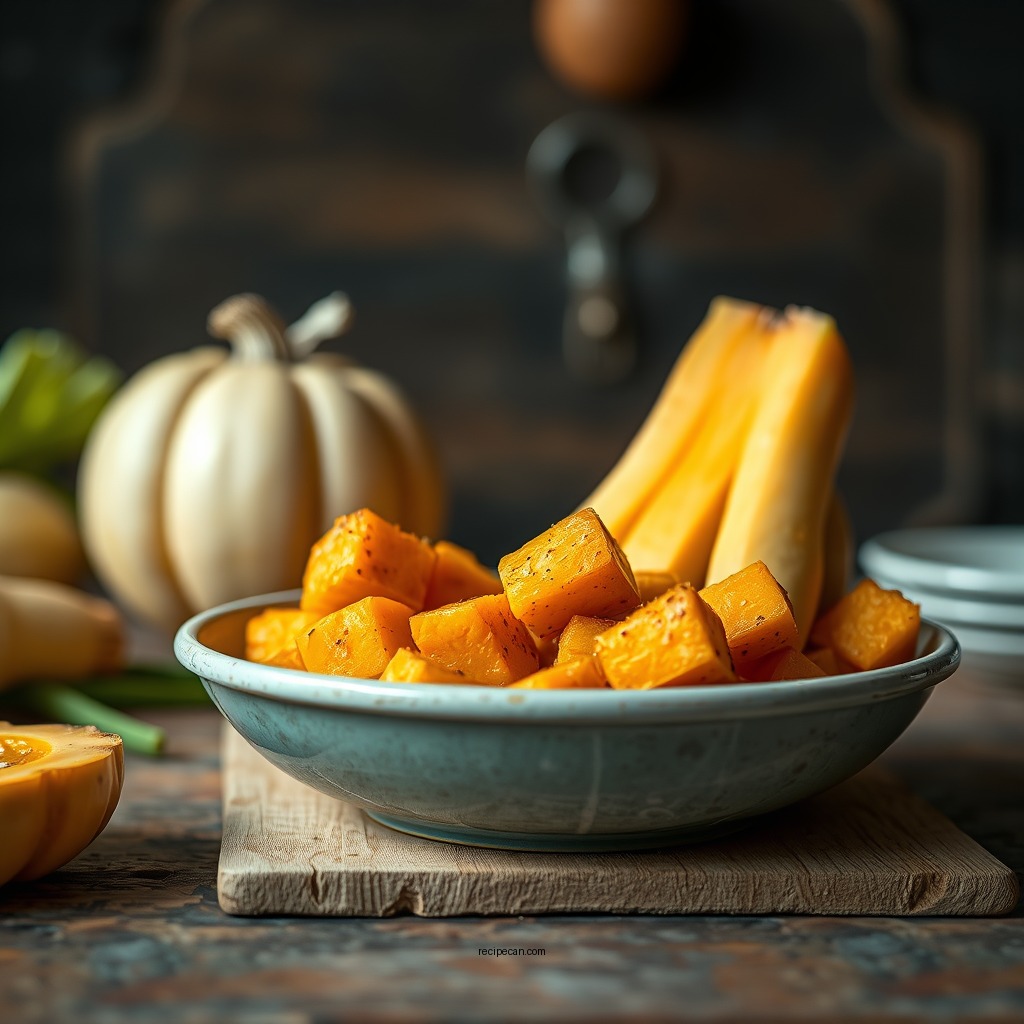
Selecting the perfect butternut squash is the first step to achieving a delicious roasted dish. When shopping for butternut squash, look for firm, heavy squashes that have a smooth skin. The skin should be a rich tan color, indicating ripeness. A high-quality squash will feel dense for its size and will have a long neck, which is the part that contains the most flesh, making it easier to prepare.
Avoid squashes with bruises, soft spots, or any signs of decay, as these may indicate spoilage. A fresh butternut squash can be stored for several weeks in a cool, dry place, allowing you to enjoy its flavor long after you purchase it.
Preparing the Squash
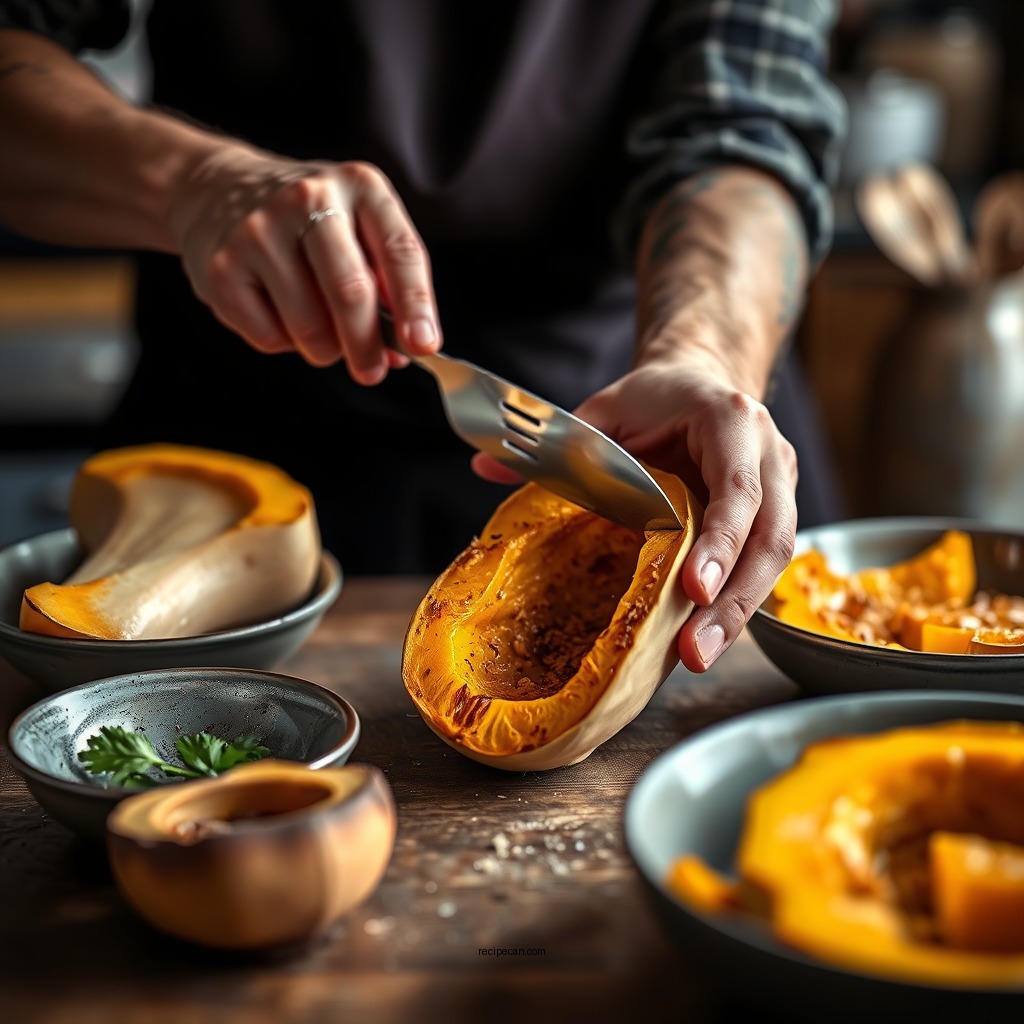
Once peeled, cut the squash in half lengthwise. This will expose the seeds inside, which you should scoop out using a spoon. After cleaning out the seeds, chop the squash into evenly sized cubes, approximately one-inch pieces. Uniformity in size is key to ensuring that the squash cooks evenly.
Seasoning Options
The beauty of roasted butternut squash lies in its versatility when it comes to seasoning. A classic combination of olive oil, salt, and pepper enhances the squash’s natural flavor beautifully. Simply drizzle olive oil over the cubed squash and sprinkle with salt and freshly ground black pepper before tossing to coat evenly.
For those looking to add a unique twist, consider incorporating spices such as cinnamon, nutmeg, or cayenne pepper. Cinnamon and nutmeg complement the natural sweetness of the squash, while cayenne adds a spicy kick. You could also experiment with herbs like rosemary or thyme, which pair well with roasted vegetables.
Top 7 Health Benefits of Butternut Squash
| # | Benefit | Description |
|---|---|---|
| 1 | Rich in Nutrients | Contains vitamins A, C, and E, and essential minerals. |
| 2 | High in Antioxidants | Fights free radicals and reduces oxidative stress. |
| 3 | Supports Eye Health | High levels of beta-carotene improve vision. |
| 4 | Aids Digestion | High fiber content promotes healthy digestion. |
| 5 | Boosts Immune System | Rich in vitamin C, which supports immune function. |
| 6 | Promotes Heart Health | Potassium helps regulate blood pressure. |
| 7 | May Help with Weight Loss | Low in calories and high in fiber keeps you full. |
Roasting Techniques
To achieve that perfect roast, preheat your oven to 400°F (200°C). This temperature is ideal for caramelizing the sugars in the squash while ensuring it cooks through without burning.
Spread the cubed squash in a single layer on a baking sheet lined with parchment paper. Spacing the pieces out allows for even cooking and browning. Avoid crowding the pan, as this can lead to steaming instead of roasting.
For added flavor, consider tossing the squash with fresh herbs or garlic before roasting. A sprinkle of fresh thyme or a few cloves of minced garlic can elevate the dish significantly.
Roasting Time Comparison for Butternut Squash (Minutes)
Cooking Time and Checking Doneness
For cubed butternut squash, the optimal roasting time is typically between 25-30 minutes. It’s important to flip the squash halfway through cooking to ensure even browning on all sides.
To check for doneness, pierce the squash with a fork; it should be soft and easily pierced. A caramelized, golden-brown exterior indicates that the natural sugars have developed, enhancing the flavor. If the squash isn’t tender after the initial cooking time, continue roasting in five-minute increments until it reaches the desired texture.
Serving Suggestions
Roasted butternut squash can be served in various creative ways. It makes an excellent side dish for proteins like chicken, beef, or fish. Alternatively, you can toss the roasted cubes into salads for added color and flavor.
Consider pairing roasted butternut squash with grains such as quinoa or rice for a hearty meal. It also blends beautifully into soups, creating a creamy texture without the need for heavy cream. For a unique twist, sprinkle with feta cheese or toasted nuts for added richness and crunch.
Storing Leftovers
If you find yourself with leftovers, allow the roasted butternut squash to cool before transferring it to an airtight container. Stored properly, it can last in the refrigerator for 3-5 days.
For longer preservation, consider freezing the roasted cubes. Spread them in a single layer on a baking sheet to freeze individually, then transfer to a freezer bag or container. This allows you to enjoy your delicious roasted squash in future meals without compromising flavor or texture.
Roasting butternut squash is not only easy but also results in a deliciously versatile dish. By following these steps and tips, you can enjoy a nutritious and flavorful addition to your meals. Try out this recipe and share your experience or any variations you’ve tried!
Frequently Asked Questions
What are the best seasonings for a roasted butternut squash recipe?
The best seasonings for a roasted butternut squash recipe include a mix of olive oil, salt, pepper, and spices like cinnamon, nutmeg, or paprika. These spices enhance the natural sweetness of the squash and add depth of flavor. For a savory twist, consider adding garlic powder or fresh herbs like rosemary and thyme.
How do you cut butternut squash for roasting?
To cut butternut squash for roasting, start by peeling the skin with a vegetable peeler. Cut off the ends, then slice the squash in half lengthwise and remove the seeds with a spoon. Finally, chop the squash into even cubes, about 1-inch in size, to ensure uniform cooking and caramelization while roasting.
Why is my roasted butternut squash mushy?
If your roasted butternut squash is mushy, it may be due to overcooking or using squash that is too ripe. To achieve the perfect texture, roast the squash at a high temperature (around 400°F) and check for doneness after 25-30 minutes, ensuring it is tender but still holds its shape.
What is the best temperature to roast butternut squash?
The best temperature to roast butternut squash is between 400°F to 425°F. This high heat allows for proper caramelization, enhancing the flavor while ensuring the squash cooks evenly. Roasting at this temperature typically takes about 25-35 minutes, depending on the size of the cubes.
Which method is better for roasting butternut squash: whole or cut?
Roasting butternut squash cut into cubes is generally better than roasting it whole, as it allows for quicker cooking and even caramelization. When cut, the edges caramelize beautifully, enhancing the flavor. However, roasting it whole can create a creamy texture, so it depends on your desired outcome.
References
- Butternut squash
https://en.wikipedia.org/wiki/Butternut_squash - https://www.nytimes.com/recipes/1019873/roasted-butternut-squash
https://www.nytimes.com/recipes/1019873/roasted-butternut-squash - Google Scholar Google Scholar
https://scholar.google.com/scholar?q=roasted+butternut+squash+recipe - Google Scholar Google Scholar
https://scholar.google.com/scholar?q=butternut+squash+nutritional+benefits - Google Scholar Google Scholar
https://scholar.google.com/scholar?q=roasted+vegetable+recipes - https://www.sciencedirect.com/topics/food-science/roasted-butternut-squash
https://www.sciencedirect.com/topics/food-science/roasted-butternut-squash - https://www.mayoclinic.org/healthy-lifestyle/nutrition-and-healthy-eating/in-depth/vegetarian-diet/art-20046401
https://www.mayoclinic.org/healthy-lifestyle/nutrition-and-healthy-eating/in-depth/vegetarian-diet/art-20046401 - roasted butternut squash recipe – Search results
https://en.wikipedia.org/wiki/Special:Search?search=roasted+butternut+squash+recipe - https://www.ncbi.nlm.nih.gov/search/research-articles/?term=roasted+butternut+squash+recipe
https://www.ncbi.nlm.nih.gov/search/research-articles/?term=roasted+butternut+squash+recipe