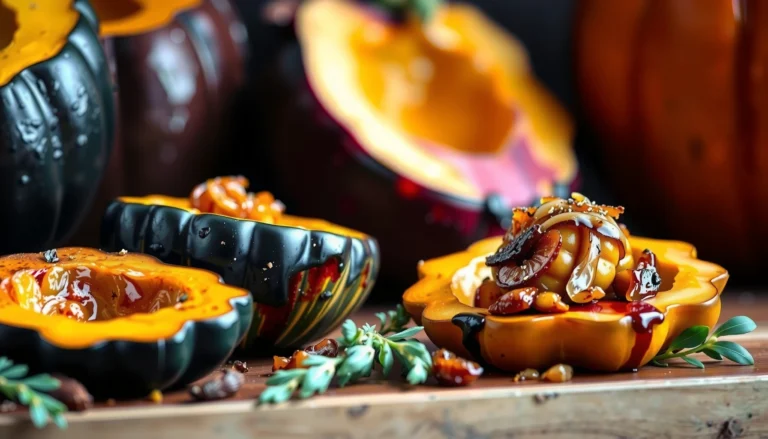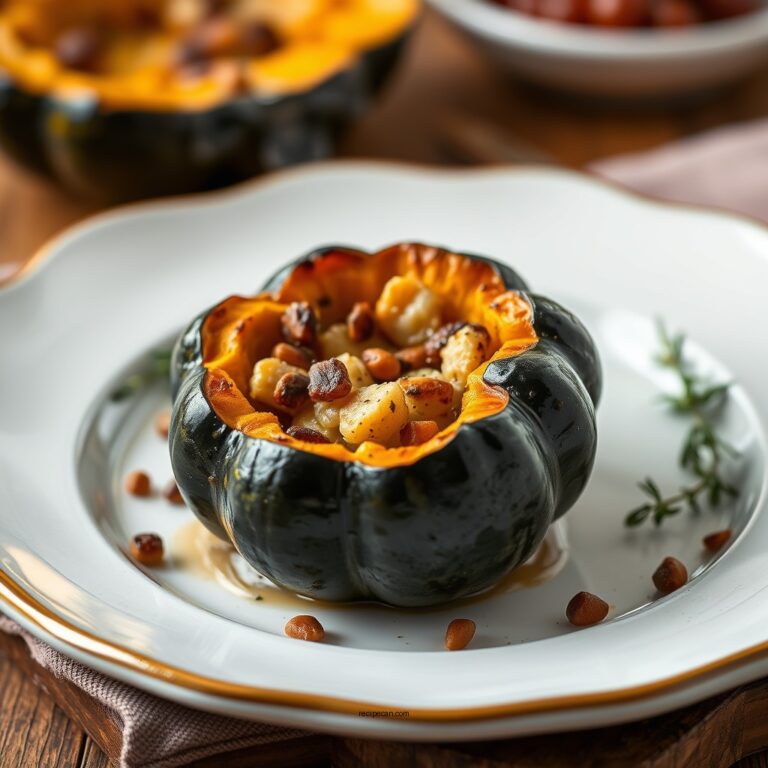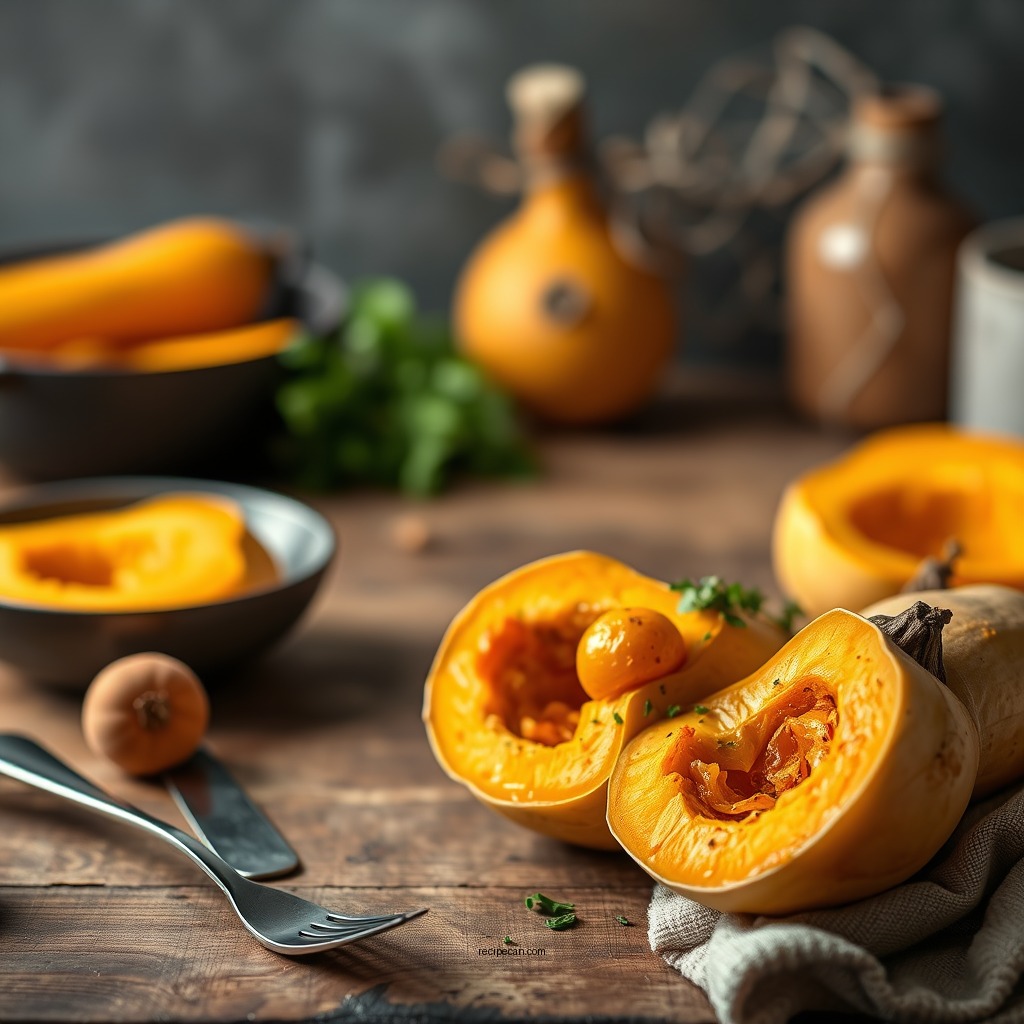
Butternut squash can be transformed into a delightful dish with just a few simple steps. This versatile vegetable can be roasted, mashed, or pureed, making it perfect for soups, sides, or even desserts. In this article, you will discover a delicious butternut squash recipe that highlights its natural sweetness and creamy texture, along with tips to enhance your cooking experience.
Choosing the Right Butternut Squash
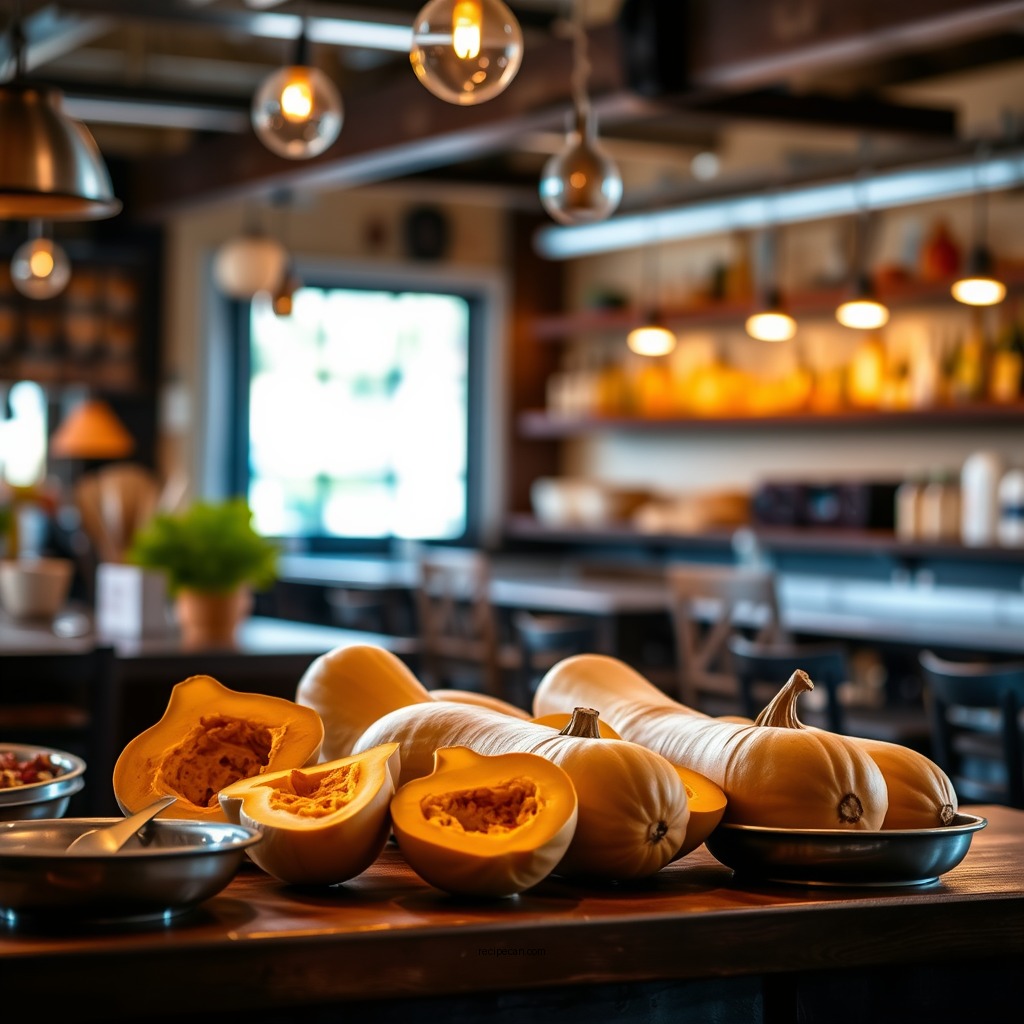
Selecting the right butternut squash is crucial for achieving the best flavor and texture in your dish. When shopping for butternut squash, look for a squash that is firm and heavy for its size. A heavy squash indicates that it is full of moisture and will likely have a better texture when cooked. Additionally, choose one with a uniform, tan color and no soft spots or blemishes, which can indicate overripeness or internal rot. The skin should be smooth, and the neck of the squash should be long and straight—this is often where most of the meat is found.
Preparing the Butternut Squash
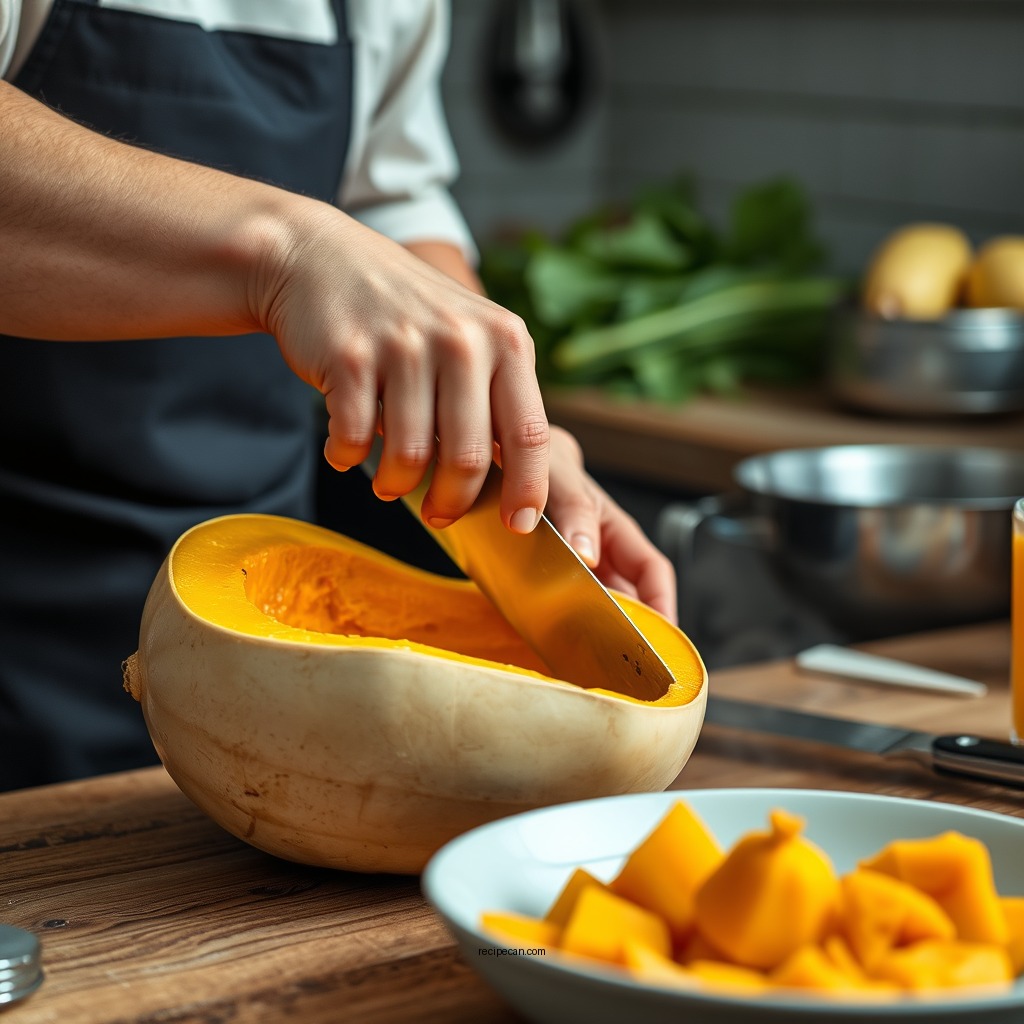
Once you’ve selected a quality butternut squash, it’s time to prepare it for cooking. Start by cutting the squash in half lengthwise and scoop out the seeds using a spoon. This process can be made easier by first microwaving the whole squash for about 2-3 minutes, which softens the skin slightly. After halving, peel the skin using a vegetable peeler or a sharp knife. The skin of butternut squash can be tough, so take care to remove it completely to expose the sweet flesh beneath. Once peeled, you can cut the squash into cubes, slices, or any shape you desire for your recipe.
Roasting Butternut Squash
Roasting is one of the most popular methods for cooking butternut squash, as it enhances its natural sweetness and creates a delightful caramelization on the edges. Preheat your oven to 400°F (200°C) for optimal roasting. Toss the prepared squash pieces with olive oil, salt, and pepper before placing them in a single layer on a baking sheet. The olive oil not only adds flavor but also helps achieve a crispy exterior. Roast for about 25-30 minutes, turning halfway through, until the squash is tender and golden brown.
Top Cooking Methods for Butternut Squash
| # | Method | Flavor Enhancement | Texture |
|---|---|---|---|
| 1 | Roasting | High | Crispy exterior, tender inside |
| 2 | Boiling | Medium | Soft |
| 3 | Steaming | Medium | Tender |
| 4 | Pureeing | High | Smooth |
| 5 | Grilling | High | Charred |
| 6 | Baking | Medium | Moist |
| 7 | Frying | High | Crispy |
Flavor Enhancements
To elevate the flavor of your roasted butternut squash, consider incorporating various spices and sweeteners. Adding spices like cinnamon, nutmeg, or paprika can create a warm and inviting aroma, enhancing the overall sensory experience of the dish. Cinnamon and nutmeg particularly complement the natural sweetness of the squash, while paprika can contribute a mild smokiness. Additionally, consider drizzling a touch of pure maple syrup or honey over the squash before roasting. This addition not only boosts the sweetness but also yields a beautifully caramelized finish.
Serving Suggestions
Roasted butternut squash can be served in numerous ways, making it a versatile addition to your meals. Serve it as a side dish alongside roasted meats, such as chicken or pork, to provide a colorful contrast and a sweet flavor that pairs well with savory proteins. Alternatively, blend roasted squash into your favorite soup recipes for a creamy consistency and rich flavor. You can also mash it for a healthy and creamy side dish or toss it into salads for added texture and nutrition. The possibilities are endless, and experimenting with different pairings can lead to delightful culinary discoveries.
Storing Leftovers
If you find yourself with leftover roasted squash, storing it properly ensures you can enjoy it later without losing flavor or texture. Keep any leftover roasted squash in an airtight container in the fridge for up to 5 days. It can be easily reheated in the microwave or oven. For longer storage, consider freezing it. Ensure the squash cools completely before transferring it to a freezer-safe container. When you’re ready to use it, simply thaw it in the refrigerator overnight and reheat as needed.
Butternut Squash Flavor Enhancement Ratings
Butternut squash is a culinary gem that can elevate any meal with its unique flavor and creamy texture. By carefully selecting and preparing the squash, roasting it to perfection, and experimenting with flavor enhancements, you can create a dish that delights the palate. Serve it in various ways to suit your culinary needs or store any leftovers for future enjoyment. We encourage you to try this delicious butternut squash recipe and share your experiences, as this vegetable is not only versatile but also a nutritious addition to your diet. Explore more squash recipes in the future and enjoy the benefits of this wonderful ingredient!
Frequently Asked Questions
What are some easy butternut squash recipes for beginners?
For beginners, easy butternut squash recipes include roasted butternut squash, butternut squash soup, and mashed butternut squash. Simply peel and cube the squash, toss it with olive oil, salt, and pepper, and roast it at 400°F for about 25-30 minutes for a delicious side dish. For soup, sauté onions and garlic, add cubed squash and vegetable broth, and blend until smooth for a creamy, comforting meal.
How do you prepare butternut squash for cooking?
To prepare butternut squash for cooking, start by cutting off both ends and peeling the skin with a vegetable peeler. Next, slice the squash in half lengthwise and scoop out the seeds with a spoon. From here, you can cube, slice, or mash the squash according to your recipe, ensuring even cooking.
Why is butternut squash a healthy addition to my diet?
Butternut squash is a healthy addition to your diet because it is low in calories and high in essential nutrients. It is rich in vitamins A and C, which support immune function and skin health, and is also a good source of dietary fiber, promoting digestive health. Incorporating butternut squash into your meals can enhance your overall nutrition while providing a sweet, nutty flavor.
What is the best way to store leftover butternut squash?
The best way to store leftover butternut squash is to place it in an airtight container and refrigerate it within two hours of cooking. It can last up to 5 days in the fridge. For longer storage, you can freeze cooked butternut squash by placing it in freezer-safe bags, where it can stay fresh for up to 3 months.
Which spices pair well with butternut squash in recipes?
Spices that pair well with butternut squash include cinnamon, nutmeg, and sage, which enhance its natural sweetness and earthy flavor. For a savory twist, try using cumin, paprika, or garlic powder. Combining these spices in your butternut squash recipes will elevate the dish and create a delicious balance of flavors.
References
- Butternut squash
https://en.wikipedia.org/wiki/Butternut_squash - https://www.health.harvard.edu/staying-healthy/what-is-butternut-squash
https://www.health.harvard.edu/staying-healthy/what-is-butternut-squash - https://www.ncbi.nlm.nih.gov/pmc/articles/PMC5940506/
https://www.ncbi.nlm.nih.gov/pmc/articles/PMC5940506/ - https://www.mayoclinic.org/healthy-lifestyle/nutrition-and-healthy-eating/in-depth/vegetable-nutrition/art-20047017
https://www.mayoclinic.org/healthy-lifestyle/nutrition-and-healthy-eating/in-depth/vegetable-nutrition/art-20047017 - https://www.cdc.gov/nutrition/food-safety.html
https://www.cdc.gov/nutrition/food-safety.html - https://www.sciencedirect.com/topics/agricultural-and-biological-sciences/butternut-squash
https://www.sciencedirect.com/topics/agricultural-and-biological-sciences/butternut-squash - https://www.theguardian.com/food/2020/oct/09/how-to-cook-butternut-squash
https://www.theguardian.com/food/2020/oct/09/how-to-cook-butternut-squash - Google Scholar Google Scholar
https://scholar.google.com/scholar?q=butternut+squash+recipe - Google Scholar Google Scholar
https://scholar.google.com/scholar?q=butternut+squash+nutrition+benefits - butternut squash recipe – Search results
https://en.wikipedia.org/wiki/Special:Search?search=butternut+squash+recipe