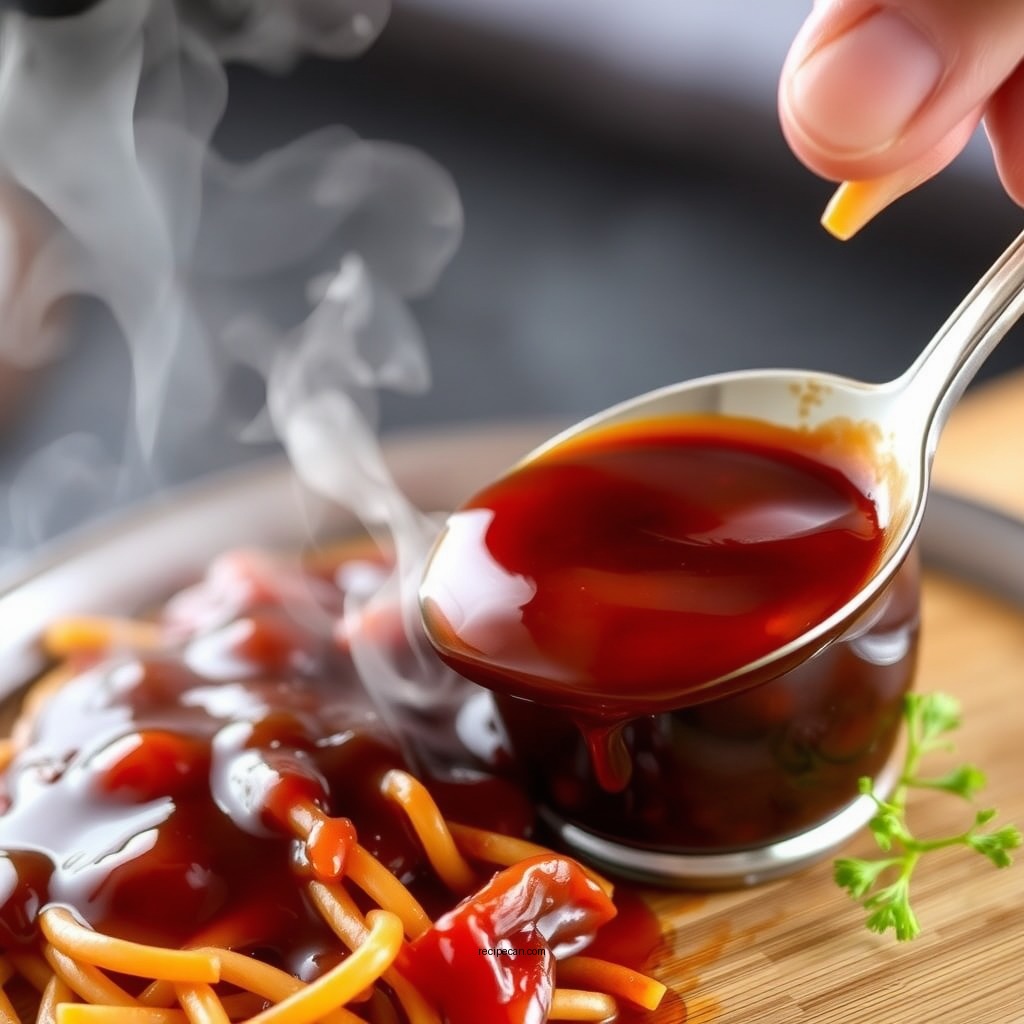
Discovering how to make authentic Japanese barbecue sauce at home opens up a world of flavor for your grilled dishes. In this article, you’ll learn several delicious recipes, the key ingredients that define Japanese barbecue sauces, and tips for using them effectively. Whether you’re preparing for a summer cookout or looking to elevate your weeknight meals, these sauces will impress your family and friends.
Understanding Japanese Barbecue Sauce
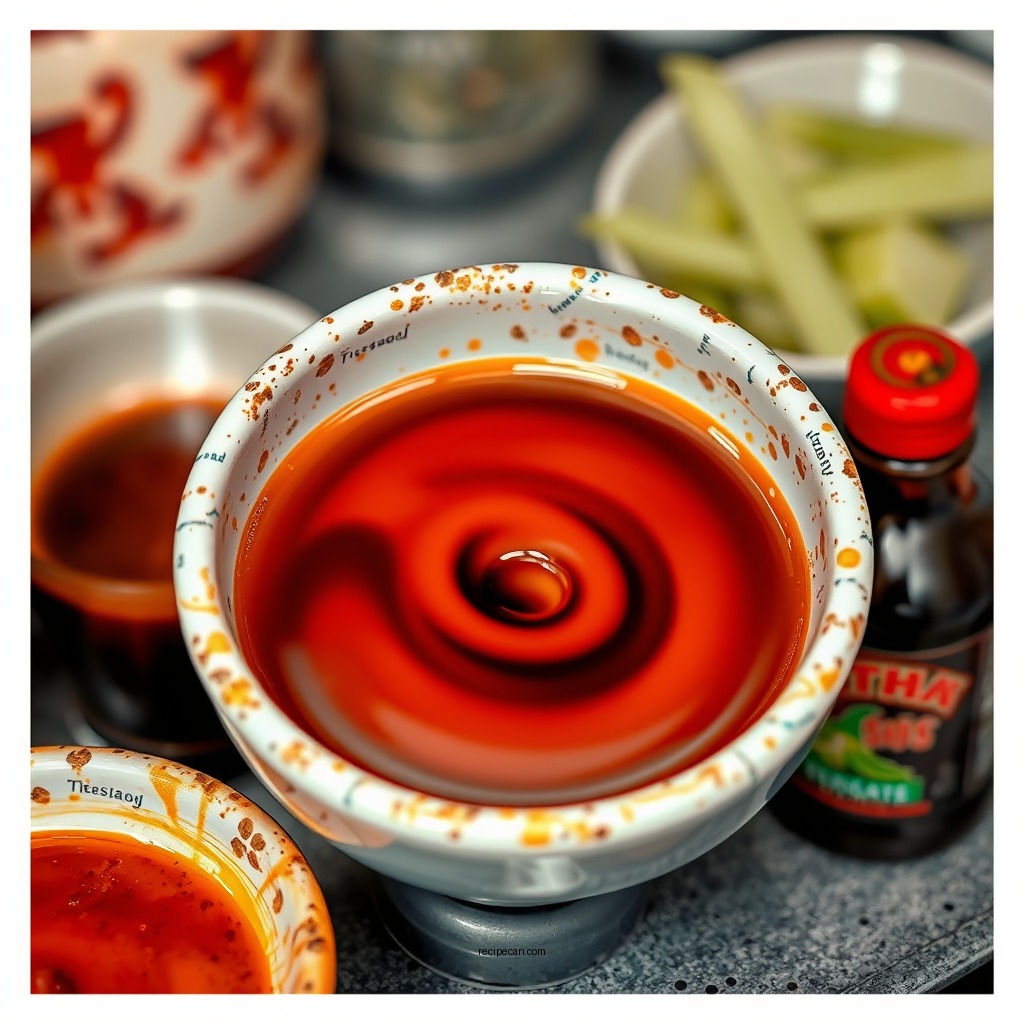
Japanese barbecue sauces are characterized by their unique flavor profiles that expertly blend umami, sweetness, and a hint of acidity. The rich taste of these sauces elevates grilled meats and vegetables, making them a staple in Japanese cuisine. Central to these sauces is the concept of umami, often described as the fifth taste, which enhances the overall mouthfeel and flavor of dishes.
Key ingredients play a vital role in creating authentic Japanese barbecue sauces. Soy sauce serves as a salty base, bringing depth and richness, while mirin—a sweet rice wine—adds sweetness and complexity. Sake contributes a subtle fragrance and is often used to tenderize meats. Other common ingredients include sugar, ginger, garlic, and sesame, each adding its distinct flavor notes. Understanding these components is essential for mastering the art of Japanese barbecue sauces.
Classic Teriyaki Sauce Recipe
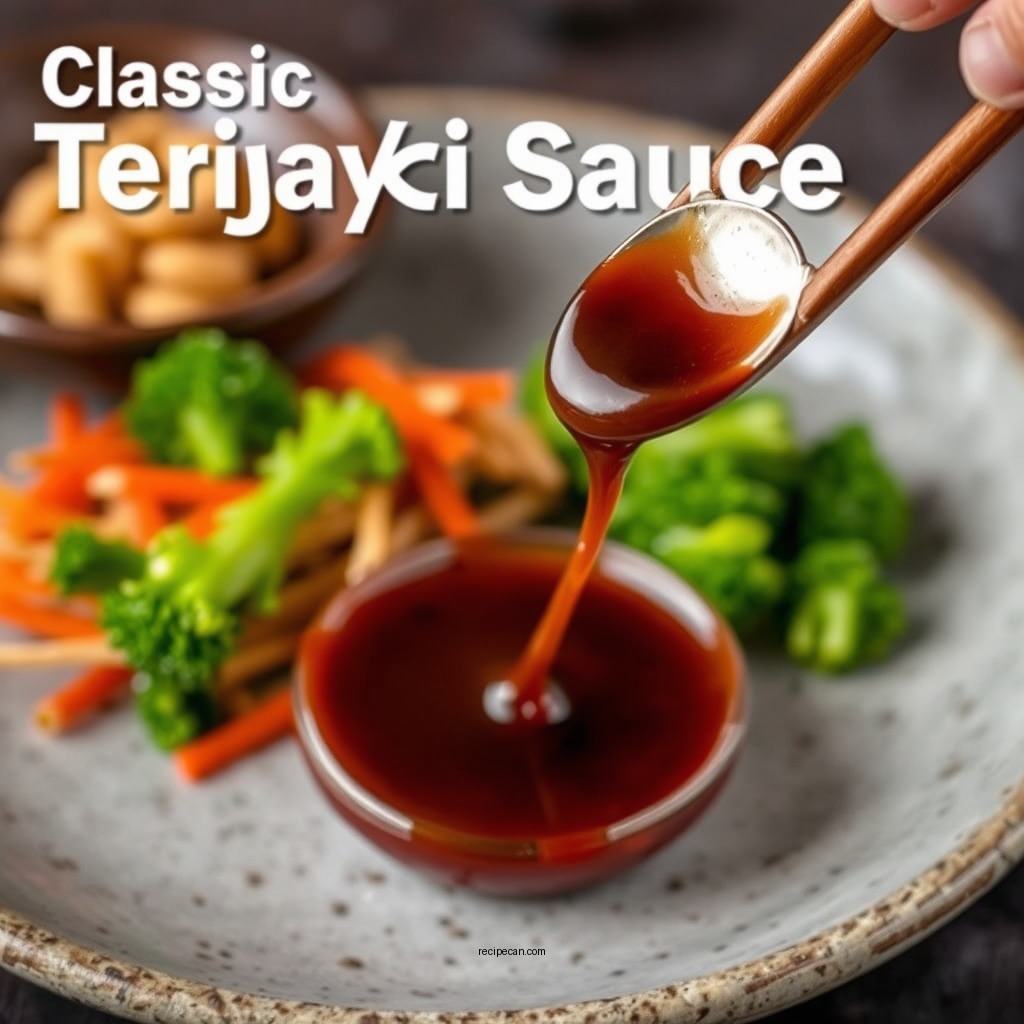
Making traditional teriyaki sauce at home is straightforward and requires only a few ingredients. Here’s a step-by-step guide to crafting this beloved sauce:
Ingredients:
– 1/2 cup soy sauce
– 1/4 cup mirin
– 1 tablespoon sake (optional)
– 1 teaspoon grated ginger
– 1 teaspoon minced garlic
Instructions:
1. In a small saucepan, combine the soy sauce, mirin, sugar, and sake (if using).
2. Heat the mixture over medium heat, stirring until the sugar dissolves completely.
3. Add the grated ginger and minced garlic, bringing the sauce to a gentle simmer.
4. Allow it to simmer for about 5-10 minutes, or until it thickens slightly.
5. Remove from heat and let cool before using.
Tips for Adjusting Sweetness and Thickness:
– For a sweeter sauce, increase the amount of sugar or mirin.
– If you prefer a thicker consistency, add a cornstarch slurry (1 tablespoon cornstarch mixed with 2 tablespoons water) towards the end of cooking.
Yakiniku Sauce: A Grilled Meat Essential
Yakiniku sauce is another quintessential Japanese barbecue sauce that enhances grilled meats. Its flavor profile is more complex than teriyaki, thanks to the addition of sesame oil and garlic.
Ingredients:
– 1/2 cup soy sauce
– 1/4 cup sake
– 2 tablespoons sugar
– 1 tablespoon sesame oil
– 1 clove garlic, minced
– 1 tablespoon sesame seeds
– Green onions for garnish (optional)
Instructions:
1. In a bowl, combine soy sauce, sake, and sugar. Whisk until the sugar is dissolved.
2. Stir in sesame oil, minced garlic, and sesame seeds.
3. Let the sauce sit for at least 15 minutes to allow the flavors to meld.
Balancing Flavors:
– For a spicier kick, add a teaspoon of gochujang (Korean chili paste) or a dash of chili flakes.
– Adjust the sweetness by modifying the sugar content based on your taste preference.
Miso-Based Barbecue Sauce
Miso paste is another fantastic ingredient for creating a rich, savory barbecue sauce. It offers a distinct umami flavor that pairs beautifully with grilled items.
Ingredients:
– 1/4 cup miso paste (white or red)
– 1/4 cup soy sauce
– 2 tablespoons rice vinegar
– 1 tablespoon honey or maple syrup
– 1 teaspoon chili paste (optional)
Instructions:
1. In a bowl, whisk together the miso paste, soy sauce, rice vinegar, and honey until smooth.
2. If desired, stir in chili paste for added heat.
3. Use immediately or store in the refrigerator for up to a week.
Flavor Ideas:
– Incorporate grated ginger or garlic for more depth.
– For a tangy twist, add a splash of citrus juice, such as yuzu or lemon.
Spicy Shoyu Sauce for an Extra Kick
If you enjoy a bit of heat, a spicy shoyu sauce can elevate your dishes to new levels. This sauce combines soy sauce with chili oil and garlic, creating a bold flavor profile.
Ingredients:
– 1/2 cup soy sauce
– 2 tablespoons chili oil
– 1 tablespoon rice vinegar
– 1 clove garlic, minced
– 1 teaspoon sesame oil
Instructions:
1. Combine soy sauce, chili oil, rice vinegar, minced garlic, and sesame oil in a bowl.
2. Whisk together until well blended.
3. Adjust the chili oil to your preferred spice level.
Usage Suggestions:
– This sauce works wonderfully as a marinade for meats or as a dipping sauce for vegetables or dumplings.
Tips for Storing and Using Japanese Barbecue Sauces
To maintain the freshness and flavor of your homemade sauces, proper storage is essential. Here are some best practices:
– Storage: Keep sauces in airtight containers in the refrigerator. Most sauces can last for up to two weeks.
– Freezing: For longer storage, consider freezing the sauces in ice cube trays. Once frozen, transfer the cubes to a zip-lock bag for easy portioning.
Creative Uses:
Beyond barbecue, these sauces can enhance various dishes:
– Use teriyaki sauce in stir-fries or as a glaze for roasted vegetables.
– Incorporate yakiniku sauce into marinades for beef or chicken.
– Miso-based sauces can be used in salad dressings or soups for an umami boost.
Pairing Suggestions for Japanese Barbecue Sauces
Pairing your barbecue sauces with the right ingredients can elevate your meal. Here are some ideal pairings:
Meats:
– Teriyaki Sauce: Chicken, salmon, and pork tenderloin are excellent choices.
– Yakiniku Sauce: Beef, particularly short ribs or flank steak, enhances the flavors of this sauce.
– Miso Sauce: Works well with grilled chicken and hearty vegetables like eggplant and zucchini.
Vegetables and Sides:
– Grilled asparagus, bell peppers, and mushrooms complement all sauces beautifully.
– Serve with steamed rice or a fresh salad to round out the meal.
Recommended Pairings:
– For teriyaki, consider serving with a side of rice and sautéed greens.
– Yakiniku pairs well with a fresh cucumber salad dressed in rice vinegar.
– Miso sauce can be a delightful addition to grilled corn on the cob.
Top 7 Japanese Barbecue Sauces (2024)
| # | Sauce Name | Main Ingredients | Flavor Profile | Best For |
|---|---|---|---|---|
| 1 | Teriyaki | Soy Sauce, Mirin, Sugar | Sweet, Umami | Grilled Chicken |
| 2 | Yakiniku | Soy Sauce, Sake, Sesame Oil | Savory, Nutty | Grilled Beef |
| 3 | Miso | Miso Paste, Soy Sauce, Rice Vinegar | Rich, Umami | Grilled Vegetables |
| 4 | Spicy Shoyu | Soy Sauce, Chili Oil, Garlic | Spicy, Savory | Dipping Sauce |
| 5 | Yuzu Ponzu | Soy Sauce, Yuzu Juice, Rice Vinegar | Citrusy, Umami | Seafood |
| 6 | Nitsume | Soy Sauce, Sugar, Mirin | Sweet, Thick | Grilled Fish |
| 7 | Goma Sauce | Sesame Paste, Soy Sauce, Vinegar | Nutty, Creamy | Grilled Chicken |
Popularity of Japanese Barbecue Sauces (2024)
Summarizing the rich flavors and versatility of Japanese barbecue sauces, you can easily try out these recipes at home and impress your guests with your culinary skills. Don’t hesitate to experiment with the ingredients to tailor the sauces to your taste. Start your barbecue journey today by gathering the ingredients and trying out your favorite recipes!
Frequently Asked Questions
What are the key ingredients in a traditional Japanese barbecue sauce?
A traditional Japanese barbecue sauce, known as “tare,” typically includes soy sauce, mirin, sake, and sugar. Some variations may also incorporate ingredients like garlic, ginger, or sesame oil to enhance the flavor profile. These ingredients work together to create a sweet, savory, and umami-rich sauce that complements grilled meats and vegetables.
How do I make a homemade Japanese barbecue sauce?
To make a homemade Japanese barbecue sauce, combine equal parts soy sauce and mirin in a saucepan over medium heat. Add sugar to taste, along with minced garlic and ginger for added depth. Simmer the mixture until it thickens slightly, then remove from heat and let it cool before using it to marinate or glaze your grilled dishes.
Why is Japanese barbecue sauce different from Western barbecue sauces?
Japanese barbecue sauce differs from Western barbecue sauces primarily in flavor and ingredients. While Western sauces often focus on smoky, tangy, or spicy profiles, Japanese tare emphasizes sweetness and umami, thanks to its use of soy sauce and mirin. This unique blend not only enhances the taste of grilled meats but also complements the delicate flavors of seafood and vegetables.
What is the best way to use Japanese barbecue sauce in cooking?
The best way to use Japanese barbecue sauce is as a marinade or glaze for meats, especially for chicken, pork, and beef. Marinate your protein for at least 30 minutes before grilling to allow the flavors to penetrate. Additionally, you can brush the sauce on during the last few minutes of cooking to create a deliciously caramelized finish.
Which Japanese barbecue sauce recipes are popular for grilling?
Popular Japanese barbecue sauce recipes for grilling include teriyaki sauce, which combines soy sauce, mirin, and sugar, and yakiniku sauce, which often includes additional ingredients like sesame seeds and green onions. These sauces are favored for their rich flavors and ability to enhance the natural taste of grilled meats, making them staples in Japanese cuisine.
References
- Soy sauce
https://en.wikipedia.org/wiki/Soy_sauce - Sauce | Description, Types, & Uses | Britannica
https://www.britannica.com/topic/sauce - https://www.sciencedirect.com/topics/food-science/sauce
https://www.sciencedirect.com/topics/food-science/sauce - https://pubmed.ncbi.nlm.nih.gov/?term=japanese+barbecue+sauce
https://pubmed.ncbi.nlm.nih.gov/?term=japanese+barbecue+sauce - https://www.ncbi.nlm.nih.gov/pmc/articles/PMC7152004/
https://www.ncbi.nlm.nih.gov/pmc/articles/PMC7152004/ - Google Scholar Google Scholar
https://scholar.google.com/scholar?q=japanese+barbecue+sauce+recipes - Google Scholar Google Scholar
https://scholar.google.com/scholar?q=japanese+cuisine+recipes - https://www.ncbi.nlm.nih.gov/pmc/articles/PMC6125687/
https://www.ncbi.nlm.nih.gov/pmc/articles/PMC6125687/ - https://www.nytimes.com/2018/07/25/dining/japanese-barbecue-sauce-recipe.html
https://www.nytimes.com/2018/07/25/dining/japanese-barbecue-sauce-recipe.html - https://www.bbc.com/food/recipes/teriyaki_sauce_86244
https://www.bbc.com/food/recipes/teriyaki_sauce_86244