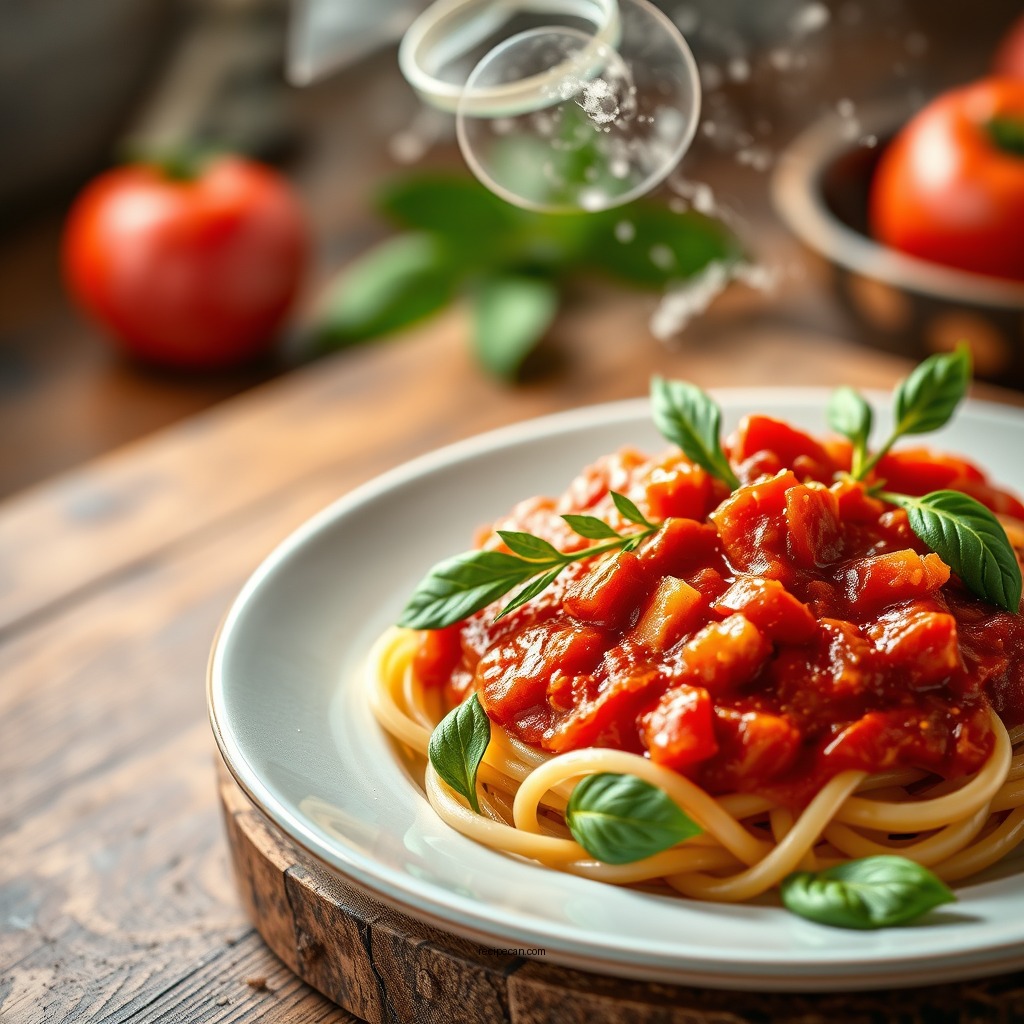
Making an authentic Italian tomato sauce is simple and rewarding. In just a few steps, you can create a rich, flavorful sauce that can elevate any dish. This guide will walk you through the key ingredients and methods to achieve that perfect homemade sauce, ensuring you capture the essence of traditional Italian cooking.
Key Ingredients for Italian Tomato Sauce
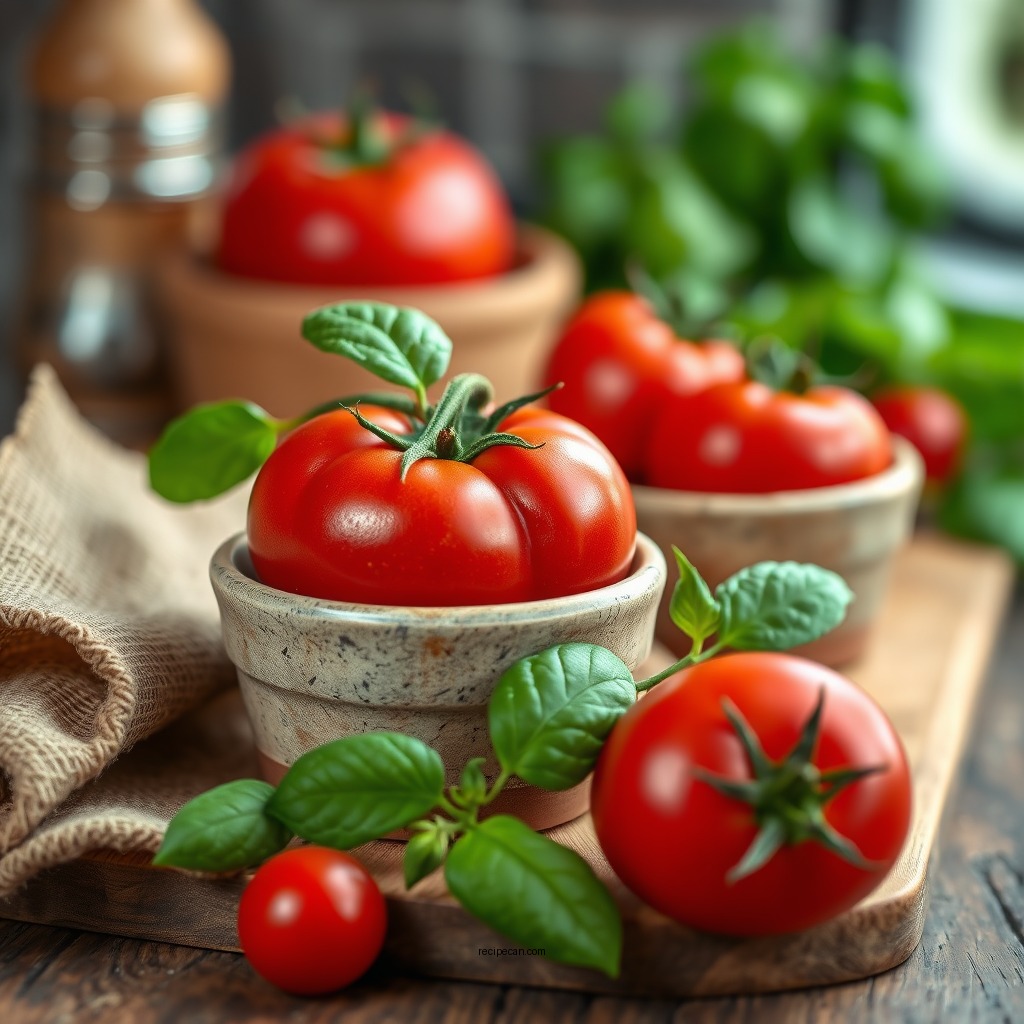
To create an authentic Italian tomato sauce, the quality of your ingredients is paramount. The foundation of your sauce will be either fresh tomatoes or high-quality canned tomatoes. San Marzano tomatoes, known for their sweet flavor and low acidity, are often considered the gold standard for making sauce. If fresh tomatoes are in season, opt for ripe, juicy varieties like Roma or beefsteak, which are perfect for sauce due to their low moisture content.
In addition to tomatoes, you will need a generous amount of extra virgin olive oil, which not only adds richness but also enhances the overall flavor profile. Garlic is another essential ingredient; it should be fresh and minced finely to release its aromatic oils. Fresh herbs like basil and oregano are indispensable for achieving that classic Italian flavor, while salt and pepper are needed for seasoning. Lastly, a pinch of sugar can help balance the acidity of the tomatoes, ensuring a well-rounded sauce.
Preparing the Base

The preparation of the base is crucial for developing a robust flavor in your sauce. Start by heating a generous amount of extra virgin olive oil in a heavy-bottomed pot over medium heat. Once the oil is hot, add finely minced garlic and sauté it until fragrant, which usually takes about 30 seconds to 1 minute. Be careful not to let it brown, as burnt garlic can impart a bitter taste.
Next, introduce finely chopped onions to the pot. The onions will add a layer of sweetness and depth to your sauce. Cook them until they are translucent and soft, stirring occasionally to prevent sticking. This step is essential as it forms the aromatic foundation upon which the rest of your sauce will be built.
Cooking the Tomatoes
If you are using fresh tomatoes, the next step is to blanch and peel them. To do this, score the bottom of each tomato with an ‘X’ and place them in boiling water for about 30 seconds. Immediately transfer them to an ice bath to stop the cooking process. Once cool, the skins will easily peel off. Chop the tomatoes into small pieces, discarding the cores.
For canned tomatoes, simply pour them into the pot, crushing them gently with a spoon to release their juices. Whether using fresh or canned, add the tomatoes to your sautéed garlic and onions, stirring well to combine. Allow the mixture to simmer gently for at least 30 minutes, or longer if you prefer a deeper flavor. Stir occasionally, and watch as the tomatoes break down and meld with the other ingredients, creating a sumptuous sauce.
Top Italian Tomato Varieties for Sauce (2024)
| # | Tomato Variety | Flavor Profile | Typical Use | Acidity Level |
|---|---|---|---|---|
| 1 | San Marzano | Sweet, Rich | Sauces, Canning | Low |
| 2 | Roma | Fleshy, Mild | Sauces, Soups | Medium |
| 3 | Beefsteak | Juicy, Sweet | Salads, Sauces | Medium |
| 4 | Vine-Ripened | Sweet, Tangy | Fresh Eating, Sauces | Medium |
| 5 | Cherry Tomatoes | Sweet, Juicy | Salads, Snacking | Low |
| 6 | Plum Tomatoes | Tangy, Meaty | Sauces, Roasting | Medium |
| 7 | Green Tomatoes | Tart, Crisp | Fried, Pickled | High |
Enhancing the Flavor
To truly achieve the depth of flavor characteristic of authentic Italian sauce, it’s important to enhance the taste during the cooking process. After your tomatoes have simmered for a while, season the sauce with salt and freshly ground black pepper. Salt plays a crucial role in bringing out the natural sweetness of the tomatoes, while pepper adds a gentle heat.
Consider adding a pinch of sugar, especially if your tomatoes are particularly acidic. This will help to balance the flavors, resulting in a sauce that is neither too sweet nor too tangy. As your sauce nears completion, stir in fresh herbs like basil and oregano. Adding these herbs towards the end of cooking preserves their vibrant flavor and aroma, contributing to the sauce’s authenticity.
Adjusting Consistency
The consistency of your tomato sauce can significantly impact its application in various dishes. If you prefer a thicker sauce, allow it to simmer uncovered for a longer period, which enables excess liquid to evaporate. This method not only thickens the sauce but also intensifies the flavors.
Conversely, if the sauce becomes too thick, you can easily adjust it by adding a splash of the water you used to cook your pasta. This water, enriched with starch from the pasta, will help you achieve the desired consistency without compromising the sauce’s flavor.
Cooking Time Comparison for Tomato Sauces (Minutes)
Storing and Serving Suggestions
Once you’ve perfected your tomato sauce, it’s essential to know how to store it properly. Allow the sauce to cool completely before transferring it to airtight containers. It can be stored in the refrigerator for up to a week or frozen for up to three months. When freezing, consider portioning the sauce into smaller containers for more convenient use later.
When it comes time to serve your sauce, the possibilities are endless. It pairs beautifully with various pasta shapes, from spaghetti to penne, and can also serve as a base for pizza, enhancing the flavor of any toppings you choose. Additionally, a robust tomato sauce can complement grilled meats or roasted vegetables, making it a versatile addition to your culinary repertoire.
In Italy, it’s common to finish the dish with a drizzle of high-quality olive oil and a sprinkle of freshly grated Parmigiano-Reggiano cheese, elevating the flavors even further.
In summary, making an authentic Italian tomato sauce is a straightforward process that requires quality ingredients and a bit of patience. Now that you know how to make it, gather your ingredients and start cooking! Enjoy your homemade sauce with family and friends, and don’t forget to share your creations.
Frequently Asked Questions
What are the key ingredients for a classic Italian tomato sauce recipe?
A classic Italian tomato sauce typically includes ripe tomatoes, olive oil, garlic, onions, and fresh basil. Optional ingredients like red pepper flakes, oregano, and salt can enhance the flavor. Using high-quality tomatoes, such as San Marzano, can significantly elevate the taste of your sauce.
How long should I simmer my Italian tomato sauce for the best flavor?
To achieve the best flavor, you should simmer your Italian tomato sauce for at least 30 minutes, but longer cooking times of up to 2 hours can deepen the flavors. Stir occasionally and adjust the heat to maintain a gentle simmer. The longer the sauce simmers, the richer and more complex the flavor will become.
Why is my Italian tomato sauce too acidic and how can I fix it?
Tomato sauce can become acidic due to the natural acidity of tomatoes. To balance the acidity, you can add a pinch of sugar, a small amount of baking soda, or even a splash of cream. Additionally, incorporating sautéed onions and carrots can help mellow the sauce’s acidity and enhance its sweetness.
What is the best type of tomato to use for homemade Italian tomato sauce?
The best type of tomato for homemade Italian tomato sauce is the San Marzano tomato, known for its sweet flavor and low acidity. However, other varieties such as Roma or Plum tomatoes also work well due to their dense flesh and fewer seeds. When using canned tomatoes, opt for whole peeled San Marzano tomatoes for the best results.
Which herbs and spices should I add to my Italian tomato sauce for authentic flavor?
For an authentic Italian tomato sauce, fresh basil is a must, along with oregano, thyme, and a touch of red pepper flakes for heat. Adding herbs at different stages of cooking can enhance the flavor; fresh herbs should be added towards the end, while dried herbs can be added earlier in the cooking process.
References
- Tomato sauce
https://en.wikipedia.org/wiki/Tomato_sauce - https://www.bbc.co.uk/food/recipes/simple_tomato_sauce_11569
https://www.bbc.co.uk/food/recipes/simple_tomato_sauce_11569 - https://www.theguardian.com/food/2020/aug/31/how-to-make-the-perfect-pasta-sauce-italian-tomato-recipe
https://www.theguardian.com/food/2020/aug/31/how-to-make-the-perfect-pasta-sauce-italian-tomato-recipe - Pulled Turkey With Jus Recipe
https://www.nytimes.com/recipes/1019738/basic-tomato-sauce.html - https://www.sciencedirect.com/science/article/pii/S221267081730037X
https://www.sciencedirect.com/science/article/pii/S221267081730037X - https://pubmed.ncbi.nlm.nih.gov/22078869/
https://pubmed.ncbi.nlm.nih.gov/22078869/ - Page Not Found – Site Help – Mayo Clinic
https://www.mayoclinic.org/healthy-lifestyle/nutrition-and-healthy-eating/expert-answers/tomato-sauce/faq-20057816 - Google Scholar Google Scholar
https://scholar.google.com/scholar?q=italian+tomato+sauce+recipe - Google Scholar Google Scholar
https://scholar.google.com/scholar?q=traditional+italian+tomato+sauce+recipe - italian tomato sauce recipe – Search results
https://en.wikipedia.org/wiki/Special:Search?search=italian+tomato+sauce+recipe