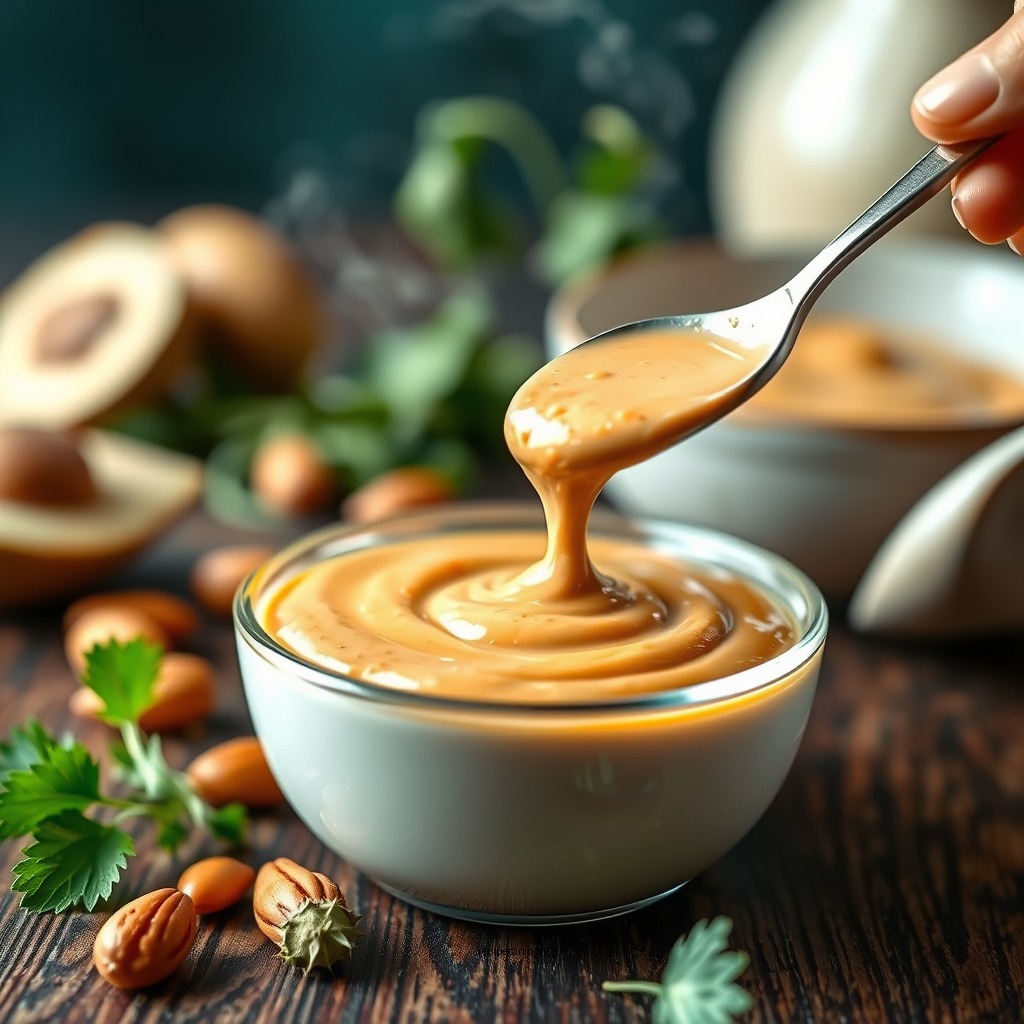
Peanut sauce is a quick and versatile condiment that can enhance an array of dishes, making it a staple in many kitchens. With just a few simple ingredients, you can create a rich and flavorful sauce that complements everything from fresh spring rolls to grilled meats. This guide will walk you through the process of making an easy peanut sauce at home, ensuring you have a delicious and customizable dip or dressing ready whenever you need it.
Ingredients You’ll Need
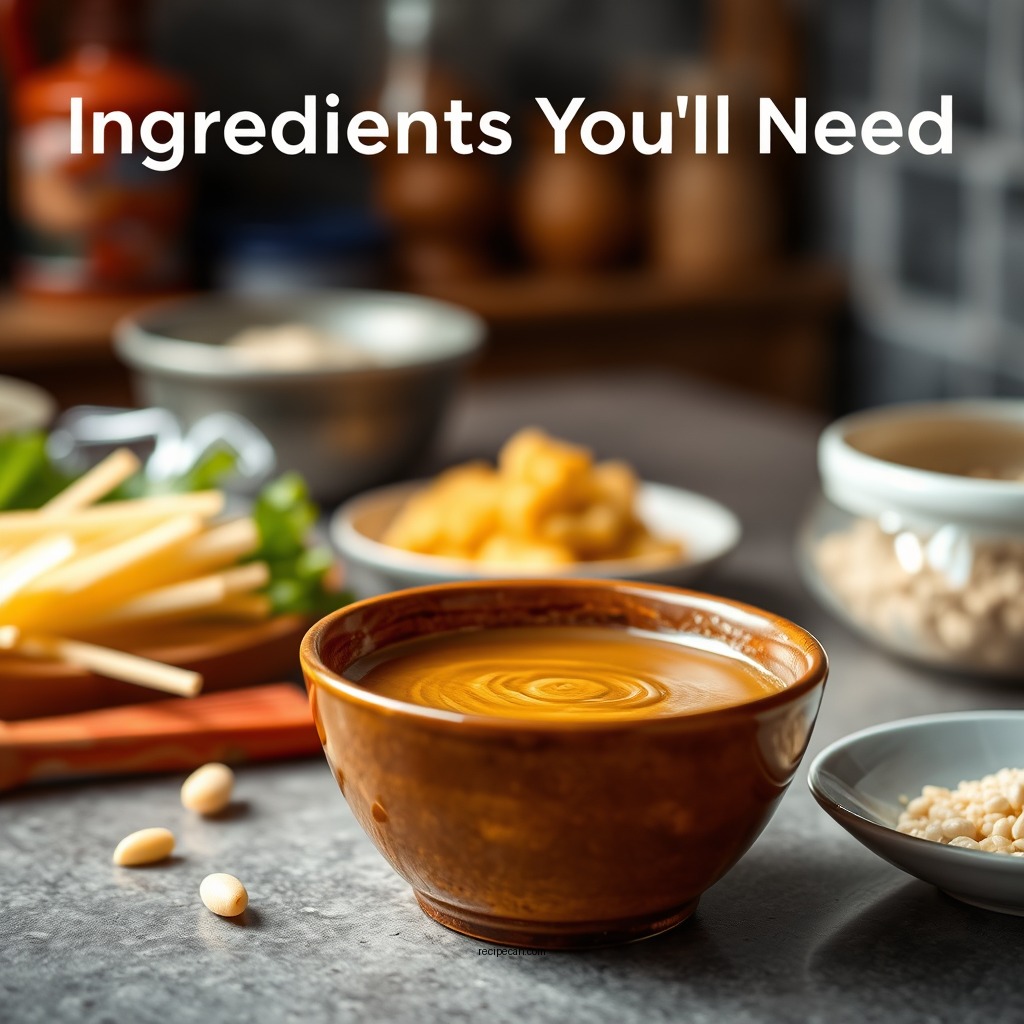
To create a delicious peanut sauce, you’ll need the following essential ingredients:
– Creamy peanut butter: This will serve as the foundation of your sauce, providing a rich, nutty flavor and a smooth texture. For the best results, opt for natural peanut butter without added sugars or oils.
– Soy sauce: A key component that adds saltiness and umami depth to the sauce. You can use low-sodium soy sauce if you’re looking to reduce salt intake.
– Sweetener: A touch of sweetness is crucial for balancing the savory and nutty flavors. Options like honey, maple syrup, or granulated sugar can be used based on your preference.
These ingredients combine to create a harmonious blend that can elevate your culinary creations.
Step-by-Step Preparation

Making peanut sauce is straightforward and requires minimal time. Here’s how to do it:
– Combine ingredients: In a medium-sized bowl, add equal parts creamy peanut butter and soy sauce. Start with about 1/4 cup of each as a base, adjusting the quantities based on how much sauce you need.
– Adjust consistency: Begin mixing the peanut butter and soy sauce together. Then, gradually add water—1 tablespoon at a time—until you reach your desired thickness. A thinner consistency works well for dressings, while a thicker sauce is perfect for dipping.
Mix thoroughly until the sauce is smooth and creamy. Taste and adjust the seasoning as needed, adding more soy sauce for saltiness or sweetener for sweetness.
Flavor Enhancements
While the basic peanut sauce is delicious on its own, there are numerous ways to enhance its flavor:
– Add garlic: Incorporating minced garlic or garlic powder can impart a delightful kick to your sauce. Fresh garlic will offer a more intense flavor, while garlic powder can be mixed in easily.
– Spice it up: If you enjoy a bit of heat, consider adding chili paste, sriracha, or crushed red pepper flakes to the sauce. Start with a small amount and adjust according to your taste preference.
– Citrus twist: A splash of lime or lemon juice can brighten the flavors and add a refreshing tang that complements the richness of the peanut butter.
These enhancements allow you to tailor the peanut sauce to your personal taste or the specific dish you’re pairing it with.
Peanut Sauce Flavor Enhancements
| # | Enhancement | Flavor Profile | Ideal For |
|---|---|---|---|
| 1 | Minced Garlic | Savory, pungent | Dipping sauces |
| 2 | Chili Paste | Spicy, complex | Grilled meats |
| 3 | Lime Juice | Tangy, refreshing | Salad dressings |
| 4 | Honey | Sweet, rich | Desserts |
| 5 | Sesame Oil | Nutty, fragrant | Asian dishes |
| 6 | Fresh Herbs | Bright, aromatic | Garnishing |
| 7 | Peanut Oil | Rich, smooth | Finishing touch |
Serving Suggestions
Peanut sauce is incredibly versatile and can be used in various ways:
– Dipping Sauce: This sauce is an excellent accompaniment for fresh vegetables, spring rolls, or chicken skewers. Its creamy texture and rich flavor make it an ideal dip that enhances the overall taste of your appetizers.
– Salad Dressing: For a unique twist, mix the peanut sauce with lime juice and drizzle it over salads. This not only adds flavor but also a creamy richness that can transform a simple salad into a satisfying meal.
– Marinade: Use peanut sauce as a marinade for meats or tofu before grilling or roasting. The flavors penetrate the protein, creating a deliciously seasoned dish.
– Noodle Bowl: Toss cooked noodles with peanut sauce, fresh vegetables, and protein of your choice for a quick and satisfying meal.
Storage Tips
To keep your peanut sauce fresh and flavorful, follow these storage guidelines:
– Refrigeration: Store any leftover peanut sauce in an airtight container in the refrigerator. It will remain fresh for up to a week. Always give it a good stir before using, as separation may occur.
– Freezing: For longer-term storage, consider pouring the sauce into ice cube trays. Once frozen, transfer the cubes to a zip-top bag. This way, you can conveniently pop out a portion whenever you need a quick sauce for your dishes.
Variations to Try
Experimenting with peanut sauce can lead to delightful new flavors. Here are some variations worth trying:
– Coconut Milk: For a creamier texture and tropical flavor, add coconut milk to your peanut sauce. This variation is perfect for curries and Asian-inspired dishes.
– Nut Substitutions: If you’re looking for a different taste profile, try using almond or cashew butter instead of peanut butter. Each nut brings its own unique flavor and creaminess to the sauce.
– Herbed Variations: Incorporate fresh herbs like cilantro or basil into your peanut sauce for added freshness and complexity.
Making your own peanut sauce is not only easy but also allows you to customize it to your liking. With just a few simple ingredients and steps, you can create a delicious sauce that enhances a variety of dishes. Try it out today and elevate your meals!
Peanut Sauce Variations
In conclusion, the homemade peanut sauce is a flavorful addition that can significantly enhance your culinary repertoire. With its simple preparation and myriad of variations, this sauce is not only easy to make but also incredibly versatile, making it a wonderful complement to a wide range of dishes. Enjoy experimenting with different flavors and ingredients to discover your perfect peanut sauce!
Frequently Asked Questions
What ingredients do I need for a basic peanut sauce recipe?
A basic peanut sauce recipe typically requires peanut butter, soy sauce, lime juice, garlic, and a sweetener like honey or sugar. You can also enhance the flavor with ingredients like sesame oil, ginger, and chili paste for a spicy kick. This combination creates a rich, creamy sauce perfect for dipping or drizzling.
How do I make peanut sauce from scratch?
To make peanut sauce from scratch, whisk together 1/2 cup of peanut butter, 2 tablespoons of soy sauce, 1 tablespoon of lime juice, and 1 tablespoon of honey in a bowl until smooth. Gradually add warm water until you reach your desired consistency, and stir in minced garlic or ginger for additional flavor. This simple method yields a delicious sauce in just a few minutes.
Why is my peanut sauce too thick, and how can I fix it?
If your peanut sauce is too thick, it may be due to the peanut butter’s density or insufficient liquid. To fix this, simply add a small amount of warm water or coconut milk incrementally until you achieve your preferred consistency. Remember to mix well after each addition to avoid over-thinning the sauce.
What is the best way to store leftover peanut sauce?
The best way to store leftover peanut sauce is in an airtight container in the refrigerator, where it can last for up to one week. Before using it again, give it a good stir, and if it’s too thick, add a splash of warm water to loosen it up. This ensures you can enjoy the rich flavor of your homemade sauce at a later date.
Which dishes pair well with peanut sauce?
Peanut sauce pairs well with a variety of dishes, including spring rolls, grilled chicken, and vegetable stir-fries. It also complements salads, noodles, and even as a marinade for meats, making it a versatile addition to your culinary repertoire. Its rich, nutty flavor enhances both Asian-inspired recipes and fusion dishes alike.
References
- Peanut sauce
https://en.wikipedia.org/wiki/Peanut_sauce - https://www.ncbi.nlm.nih.gov/pmc/articles/PMC6466134/
https://www.ncbi.nlm.nih.gov/pmc/articles/PMC6466134/ - https://www.ncbi.nlm.nih.gov/pmc/articles/PMC4001470/
https://www.ncbi.nlm.nih.gov/pmc/articles/PMC4001470/ - https://www.sciencedirect.com/topics/agricultural-and-biological-sciences/peanut-sauce
https://www.sciencedirect.com/topics/agricultural-and-biological-sciences/peanut-sauce - https://www.healthline.com/nutrition/peanut-sauce
https://www.healthline.com/nutrition/peanut-sauce - https://www.mayoclinic.org/healthy-lifestyle/nutrition-and-healthy-eating/in-depth/nutrition/art-20045424
https://www.mayoclinic.org/healthy-lifestyle/nutrition-and-healthy-eating/in-depth/nutrition/art-20045424 - https://scholar.google.com/scholar?q=recipe+for+peanut+sauce Google Scholar
https://scholar.google.com/scholar?q=recipe+for+peanut+sauce - Google Scholar Google Scholar
https://scholar.google.com/scholar?q=peanut+sauce+nutritional+benefits - Google Scholar Google Scholar
https://scholar.google.com/scholar?q=peanut+sauce+cooking+methods - recipe for peanut sauce – Search results
https://en.wikipedia.org/wiki/Special:Search?search=recipe+for+peanut+sauce