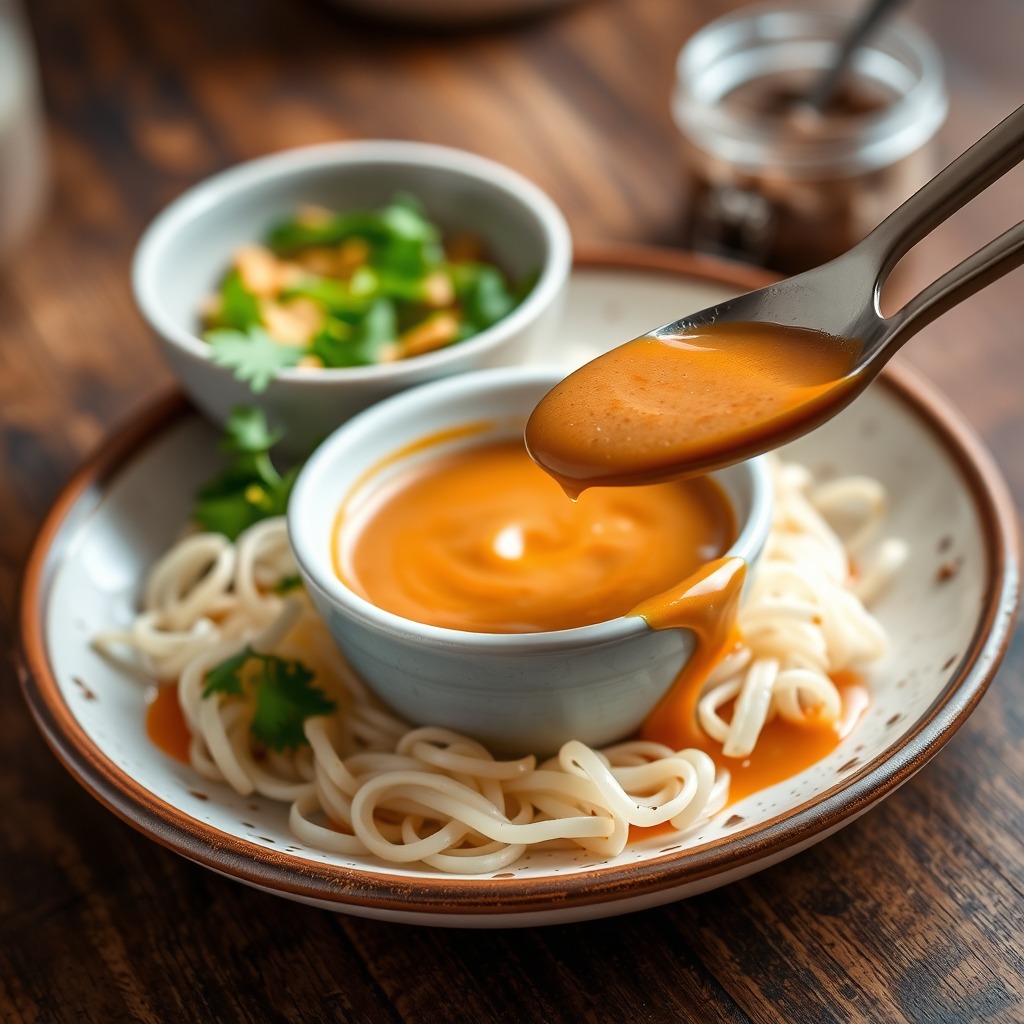
Making Vietnamese peanut sauce is simple and requires just a few ingredients to create a rich, creamy dip that enhances your favorite dishes like spring rolls and salads. In this recipe, you’ll learn how to whip up this delicious sauce quickly and easily, perfect for adding a burst of flavor to your meals. With just a few pantry staples, you can elevate your culinary creations and impress your family and friends.
Ingredients You’ll Need
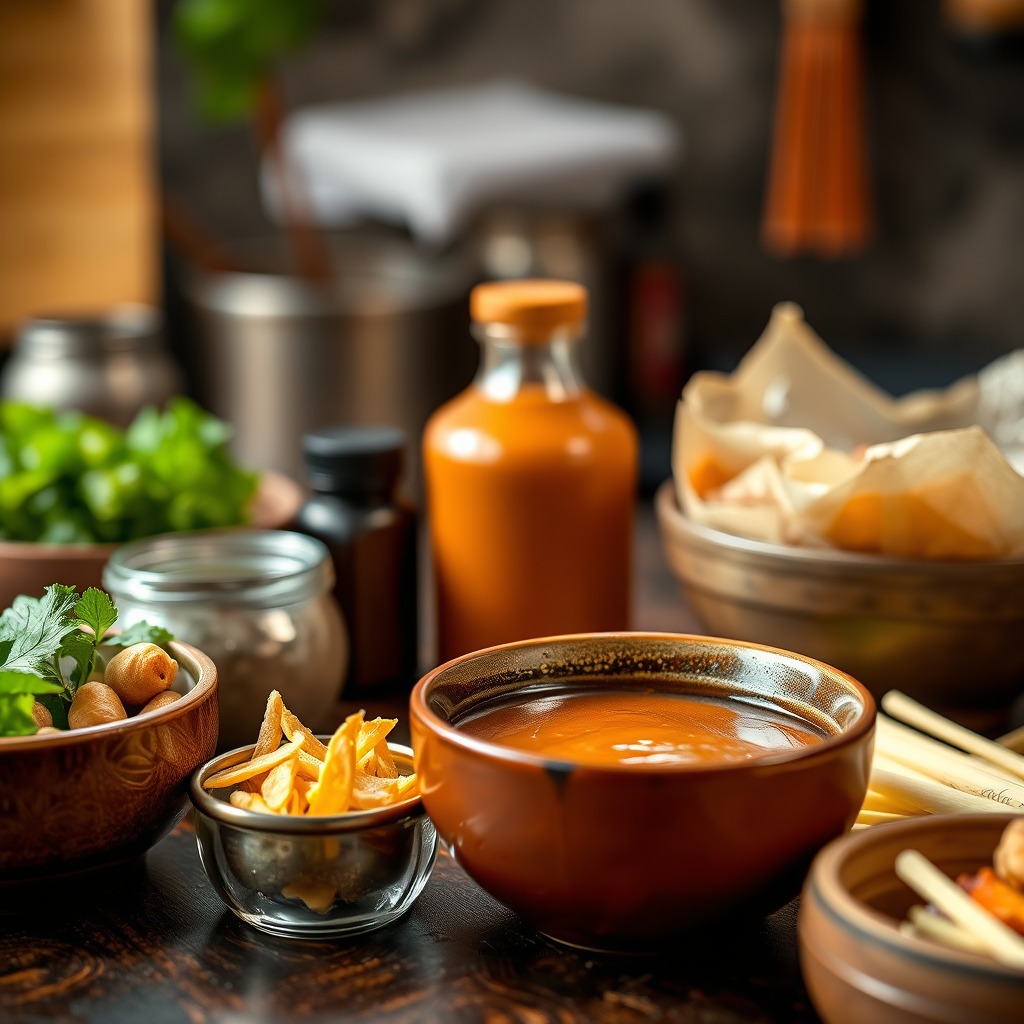
To make the perfect Vietnamese peanut sauce, you’ll need the following ingredients:
– Peanut butter: Choose between smooth or crunchy based on your preference. Smooth peanut butter creates a velvety sauce, while crunchy adds texture.
– Soy sauce or tamari: This adds a salty depth to the sauce. Tamari is an excellent gluten-free alternative.
– Coconut milk: This ingredient brings creaminess and a subtle sweetness to the sauce.
– Sweetener: Use honey for a natural touch or sugar for a more traditional sweetness to balance the flavors.
These ingredients combine to create a sauce that is not only delicious but also versatile, suitable for various dishes.
Step-by-Step Preparation
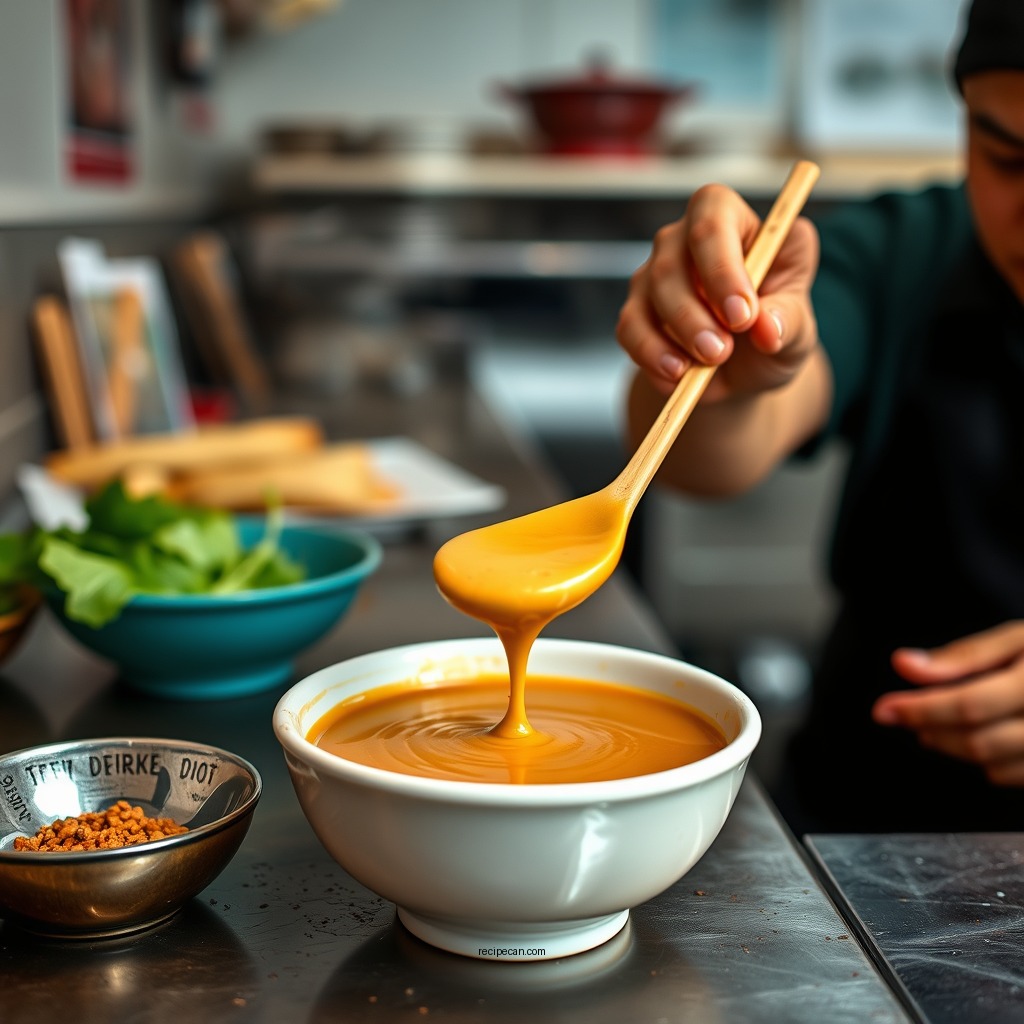
The preparation of Vietnamese peanut sauce is straightforward, making it an ideal choice for both novice and experienced cooks.
1. Combine all ingredients: In a medium-sized bowl or a blender, add the peanut butter, soy sauce or tamari, coconut milk, and your chosen sweetener.
2. Blend until smooth: If using a blender, blend on high until the mixture is completely smooth. If mixing by hand, use a whisk to ensure there are no lumps.
3. Adjust the consistency: If the sauce is too thick for your liking, add more coconut milk or a splash of water. Continue to blend or stir until you reach the desired consistency.
This simple process allows you to enjoy fresh peanut sauce in just a few minutes.
Flavor Enhancements
While the basic recipe is delightful on its own, consider adding a few ingredients to enhance the flavor profile:
– Lime juice: Squeeze in some fresh lime juice for a zesty kick that brightens the sauce.
– Minced garlic or ginger: Incorporate minced garlic for a savory touch or ginger for a hint of warmth and spice.
These additions not only elevate the taste but also provide additional health benefits, making your sauce both flavorful and nutritious.
Top 7 Ingredients for Vietnamese Peanut Sauce
| # | Ingredient | Usage | Health Benefits | Flavor Profile |
|---|---|---|---|---|
| 1 | Peanut Butter | Base | Rich in protein | Nutty |
| 2 | Soy Sauce | Flavor | High in umami | Savory |
| 3 | Coconut Milk | Creaminess | Source of healthy fats | Sweet |
| 4 | Honey | Sweetener | Antioxidants | Sweet |
| 5 | Lime Juice | Enhancer | Vitamin C | Citrusy |
| 6 | Garlic | Flavor | Allicin benefits | Pungent |
| 7 | Ginger | Enhancer | Anti-inflammatory | Spicy |
Serving Suggestions
Vietnamese peanut sauce is incredibly versatile and pairs well with a variety of dishes. Here are some ideal serving suggestions:
– Fresh Vegetable Spring Rolls: Roll up your favorite vegetables and protein in rice paper, then dip them in the creamy peanut sauce for a refreshing appetizer.
– Grilled Meats: Drizzle the sauce over grilled chicken or pork to add a delightful richness to the dish.
– Salads: Use peanut sauce as a dressing for salads, particularly those with Asian flavors or crunchy vegetables.
– Appetizers: Serve as a dipping sauce for crispy appetizers like fried tofu or tempura vegetables.
These options highlight the sauce’s ability to complement and enhance various flavors in your meals.
Storage Tips
Proper storage will ensure your homemade peanut sauce remains fresh and flavorful:
– Refrigeration: Store leftovers in an airtight container in the refrigerator for up to a week. Ensure the lid is tightly sealed to prevent air exposure.
– Reheating: When you’re ready to use the sauce again, gently reheat it in the microwave or on the stovetop. Stir well before serving, as the sauce may thicken upon cooling.
By following these storage tips, you can enjoy your peanut sauce for multiple meals.
Common Variations
If you’re looking to mix things up, consider these common variations of Vietnamese peanut sauce:
– Nut-Free Alternative: Substitute almond butter for peanut butter to create a nut-free version of the sauce. This variation maintains creaminess while catering to those with peanut allergies.
– Spicy Kick: For those who enjoy heat, add chili paste or sriracha to the sauce. Adjust the quantity based on your heat preference for a sauce that packs a punch.
These variations allow you to tailor the sauce to your taste and dietary needs.
Nutritional Benefits
Vietnamese peanut sauce offers several nutritional benefits that make it a great addition to your meals:
– Healthy Fats: Peanuts are a source of healthy fats, which support heart health and provide sustained energy.
– Protein Source: The peanut butter contributes a significant amount of protein, essential for muscle repair and growth.
– Vitamins: Ingredients like lime juice and ginger add vitamins and antioxidants, promoting overall health.
Incorporating this sauce into your meals not only enhances flavor but also contributes to a balanced diet.
Making your own Vietnamese peanut sauce is not only easy but also allows you to customize the flavors to your liking. With the steps outlined here, you can elevate your meals and impress your family and friends. Try this recipe today and discover how simple it is to bring a taste of Vietnam into your kitchen!
Frequently Asked Questions
What ingredients do I need for a traditional Vietnamese peanut sauce recipe?
A traditional Vietnamese peanut sauce recipe typically requires creamy peanut butter, hoisin sauce, rice vinegar, and water for the base. You can also add minced garlic, chili paste, and crushed peanuts for added flavor and texture. These ingredients combine to create a rich and savory sauce that complements various dishes.
How do I make Vietnamese peanut sauce less thick?
To make your Vietnamese peanut sauce less thick, gradually add warm water until you reach your desired consistency. Stir the mixture well to ensure the water is fully incorporated. Alternatively, you can also add a bit of coconut milk or soy sauce for a different flavor profile while thinning the sauce.
Why is my Vietnamese peanut sauce too salty?
If your Vietnamese peanut sauce is too salty, it could be due to the hoisin sauce or peanut butter you used, as some brands can be saltier than others. To balance the saltiness, try adding a little more peanut butter or a touch of sugar or honey to enhance the sweetness. You can also dilute it with a bit of water or coconut milk.
What is the best way to store homemade Vietnamese peanut sauce?
The best way to store homemade Vietnamese peanut sauce is in an airtight container in the refrigerator. It can last for up to one week when properly stored. For longer storage, consider freezing the sauce in ice cube trays and then transferring the cubes to a freezer bag for easy portioning later.
Which dishes pair well with Vietnamese peanut sauce?
Vietnamese peanut sauce pairs wonderfully with fresh spring rolls, grilled meats, and salads. It also complements noodle dishes, such as vermicelli bowls, making it a versatile addition to your meals. Its rich, nutty flavor enhances the taste of both savory and fresh ingredients, creating a delightful dining experience.
References
- https://en.wikipedia.org/wiki/Vietnamese_peanut_sauce
https://en.wikipedia.org/wiki/Vietnamese_peanut_sauce - https://www.ncbi.nlm.nih.gov/pmc/articles/PMC6401816/
https://www.ncbi.nlm.nih.gov/pmc/articles/PMC6401816/ - Google Scholar Google Scholar
https://scholar.google.com/scholar?q=vietnamese+peanut+sauce+recipe - Google Scholar Google Scholar
https://scholar.google.com/scholar?q=vietnamese+cuisine+peanut+sauce - https://www.verywellfit.com/vietnamese-peanut-sauce-recipe-4178174
https://www.verywellfit.com/vietnamese-peanut-sauce-recipe-4178174 - https://www.thespruceeats.com/vietnamese-peanut-sauce-4178315
https://www.thespruceeats.com/vietnamese-peanut-sauce-4178315 - https://www.foodnetwork.com/recipes/peanut-sauce-vietnamese-style-3364136
https://www.foodnetwork.com/recipes/peanut-sauce-vietnamese-style-3364136 - https://www.healthline.com/nutrition/peanut-sauce-benefits
https://www.healthline.com/nutrition/peanut-sauce-benefits - https://www.ncbi.nlm.nih.gov/pmc/articles/PMC7010259/
https://www.ncbi.nlm.nih.gov/pmc/articles/PMC7010259/ - vietnamese peanut sauce recipe – Search results
https://en.wikipedia.org/wiki/Special:Search?search=vietnamese+peanut+sauce+recipe