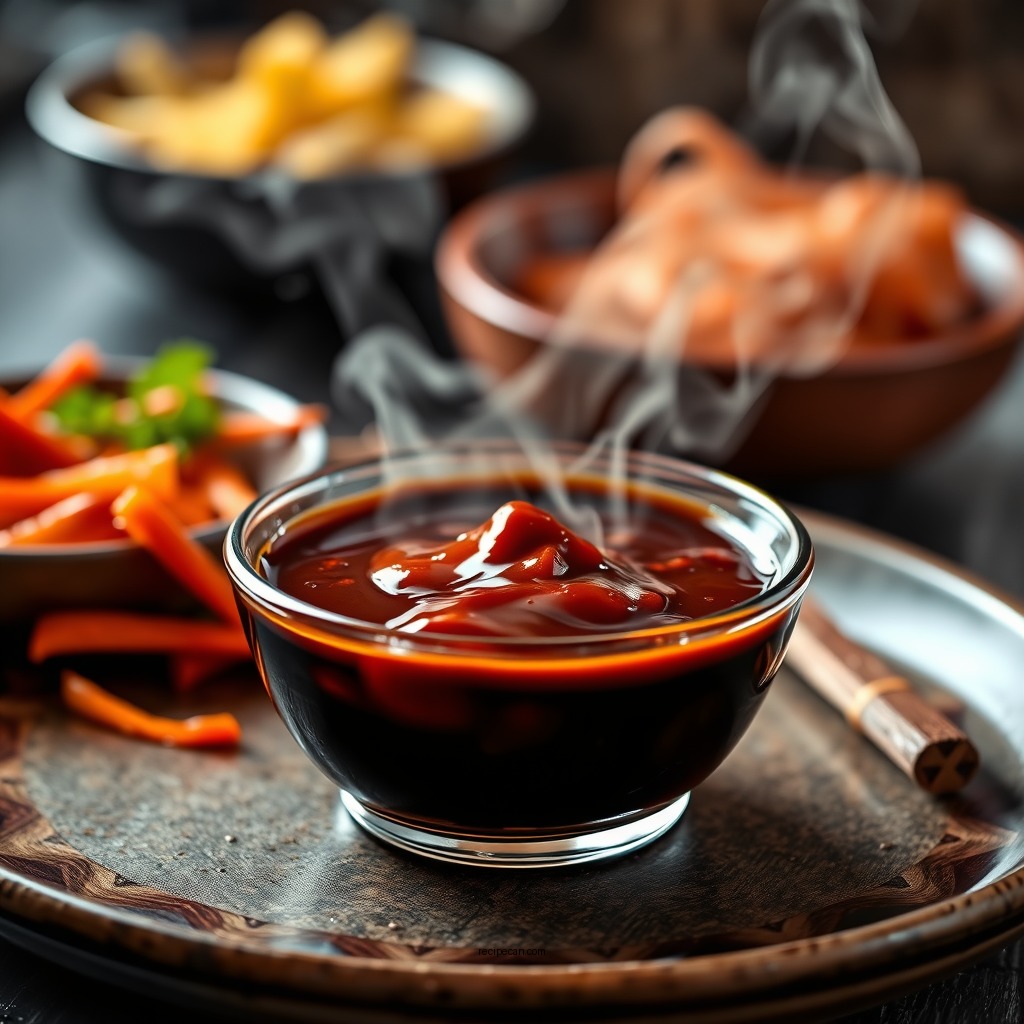
Creating a flavorful Korean bulgogi sauce is simple and rewarding, allowing you to elevate your meals with a rich, savory taste. This classic recipe features a harmonious balance of sweetness and umami, making it ideal for marinating meats or enhancing stir-fries. With just a few key ingredients, you can enjoy the authentic flavors of Korean cuisine right in your own kitchen.
Korean bulgogi sauce is a staple in many households and restaurants. Not only is it easy to prepare, but it also brings versatility to a variety of dishes. Whether you’re a seasoned chef or a novice in the kitchen, this sauce can transform ordinary meals into extraordinary ones. Let’s dive into the components and preparation of this delicious sauce.
Ingredients You’ll Need

To make an authentic bulgogi sauce, you need the following ingredients:
– Soy sauce: This forms the base of the sauce, imparting depth and saltiness. It’s essential for achieving that savory umami flavor that bulgogi is known for.
– Sugar or honey: Sweetness is crucial to balance the saltiness of the soy sauce. Both sugar and honey work well, but honey adds a unique floral note.
– Garlic and ginger: Essential aromatics that infuse the sauce with flavor. Freshly minced garlic and ginger provide a fragrant kick that enhances the overall taste.
These ingredients not only contribute to the flavor but also to the overall aroma and appearance of the dish, making bulgogi an irresistible option for many.
Preparing the Sauce
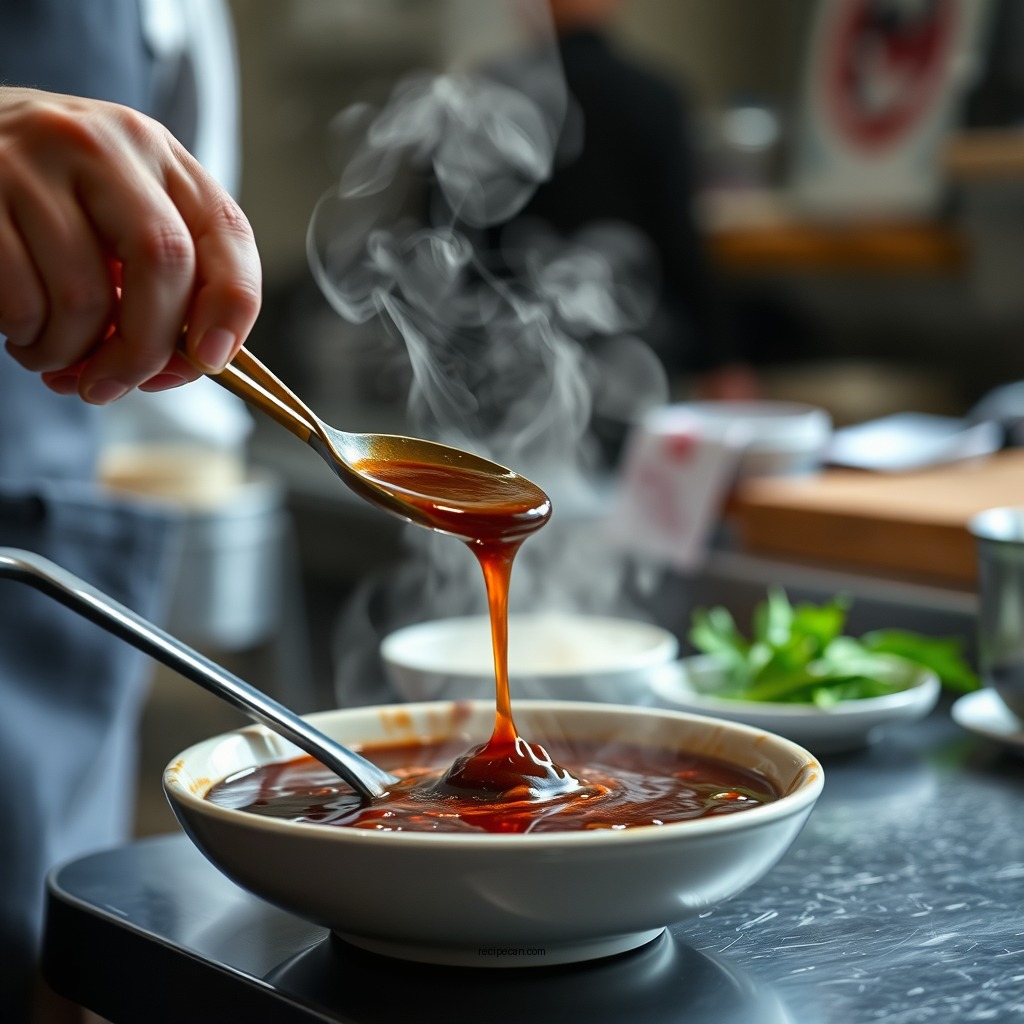
The preparation of bulgogi sauce is straightforward:
1. Combine the ingredients: In a medium bowl, add soy sauce, sugar or honey, minced garlic, and grated ginger.
2. Whisk together: Use a whisk or fork to blend the ingredients until the sugar is fully dissolved. This ensures a smooth consistency without any graininess.
3. Taste and adjust: Once combined, taste the sauce and adjust the sweetness or saltiness according to your preference. You can add more sugar for sweetness or more soy sauce for saltiness.
This simple process ensures that your bulgogi sauce is flavorful and well-balanced, perfect for marinating your choice of protein or enhancing a stir-fry.
Optional Ingredients for Extra Flavor
To further enrich the bulgogi sauce, consider adding these optional ingredients:
– Sesame oil: A small amount of sesame oil can provide a nutty aroma and richness. It enhances the overall depth of flavor in the sauce.
– Green onions: Chopped green onions add a freshness and slight crunch when mixed in or used as a garnish. They can elevate the presentation of your dish as well.
Incorporating these optional ingredients can take your bulgogi sauce from ordinary to extraordinary, allowing you to customize it to your taste.
Top 7 Ingredients for Korean Bulgogi Sauce
| # | Ingredient | Purpose | Flavor Profile |
|---|---|---|---|
| 1 | Soy Sauce | Base flavor | Savory |
| 2 | Sugar/Honey | Balancing sweetness | Sweet |
| 3 | Garlic | Aromatic flavor | Pungent |
| 4 | Ginger | Aromatic flavor | Spicy |
| 5 | Sesame Oil | Nutty aroma | Nutty |
| 6 | Green Onions | Freshness | Fresh |
| 7 | Black Pepper | Spiciness | Spicy |
Marinating with Bulgogi Sauce
Marinating is an essential step when using bulgogi sauce, as it allows the flavors to penetrate the protein deeply. Here’s how to effectively marinate your chosen protein:
– Choose your protein: This sauce works exceptionally well with thinly sliced beef, chicken, or even tofu for a vegetarian option. The choice of protein can influence the final taste and texture of your dish.
– Marinate for optimal flavor: Ideally, allow the protein to marinate for at least 30 minutes, but for best results, marinate for several hours or overnight. This duration enables the bulgogi sauce to infuse its flavors thoroughly.
– Use the right ratio: A good rule of thumb is to use about 1/4 cup of bulgogi sauce for every pound of meat. This ensures that the protein is adequately coated without overpowering the dish.
Marinating not only enhances flavor but also helps to tenderize the meat, resulting in a juicier and more flavorful dish.
Cooking Suggestions
Cooking bulgogi can be done in several ways to achieve delicious results:
– Grill or stir-fry: Cooking the marinated meat on a grill or in a hot skillet allows for caramelization, creating a beautiful brown crust that enhances the flavor. Ensure the cooking surface is hot to achieve effective browning.
– Serve with rice or lettuce wraps: Traditionally, bulgogi is served with steamed rice or wrapped in lettuce leaves, accompanied by rice and kimchi. This combination adds texture and a refreshing contrast to the savory meat.
– Incorporate into other dishes: You can also use bulgogi in various dishes, such as bulgogi tacos, rice bowls, or as a topping for salads. The flexibility of this sauce provides endless culinary possibilities.
Cooking Methods for Korean Bulgogi
Storing and Using Leftover Sauce
If you find yourself with leftover bulgogi sauce, here are some tips for storage and reuse:
– Refrigerate: Store any leftover sauce in an airtight container and keep it in the refrigerator for up to a week. This allows you to have a quick flavor boost for future meals.
– Versatile use: Leftover bulgogi sauce can be used as a dipping sauce for dumplings or spring rolls, or as a flavor enhancer in other stir-fried dishes. Its versatility means you don’t have to let it go to waste.
– Freezing for later: For longer storage, you can freeze the sauce in ice cube trays. This allows you to have single servings on hand for quick meals later.
By following these storage tips, you can ensure that your bulgogi sauce remains fresh and flavorful for multiple dishes.
In conclusion, this easy Korean bulgogi sauce recipe offers a gateway to delicious, authentic Korean dishes. Its simple preparation and versatility make it an essential addition to your culinary repertoire. Whether you’re marinating meats or using it as a dipping sauce, the rich flavors of bulgogi will surely impress. Don’t hesitate to experiment with different ingredients to find your perfect balance, and enjoy the delightful results in your cooking adventures!
Frequently Asked Questions
What ingredients do I need for a traditional Korean bulgogi sauce recipe?
A traditional Korean bulgogi sauce recipe typically includes soy sauce, sugar, sesame oil, minced garlic, grated ginger, and pepper. Some variations also incorporate ingredients like green onions and pear puree for added sweetness and depth of flavor. These ingredients work together to create the perfect marinade for beef, enhancing its taste and tenderness.
How do I make homemade bulgogi sauce from scratch?
To make homemade bulgogi sauce, combine 1/4 cup of soy sauce, 1 tablespoon of sugar, 1 tablespoon of sesame oil, 2 minced garlic cloves, and 1 teaspoon of grated ginger in a bowl. Whisk the ingredients together until the sugar dissolves, then add black pepper to taste. This simple method allows you to create a flavorful marinade that can be used immediately or stored in the refrigerator for later use.
Why is pear used in bulgogi sauce recipes?
Pear is often used in bulgogi sauce recipes because it acts as a natural tenderizer for the meat and adds a subtle sweetness that balances the savory flavors. The enzymes in pear help to break down proteins, making the beef more tender and juicy. This ingredient not only enhances the overall taste of the dish but also contributes to the authentic flavor profile of traditional Korean cuisine.
What is the best way to marinate beef with bulgogi sauce?
The best way to marinate beef with bulgogi sauce is to slice the meat thinly against the grain and then mix it with the sauce, ensuring all pieces are evenly coated. Allow the beef to marinate for at least 30 minutes at room temperature or up to several hours in the refrigerator for deeper flavor penetration. This technique ensures that the beef absorbs the delicious flavors of the bulgogi sauce before cooking.
Which types of meat are best for making bulgogi?
The best types of meat for making bulgogi are typically ribeye, sirloin, or brisket, as they contain the right balance of fat and tenderness. Ribeye is particularly favored for its marbled texture, which results in juicy and flavorful bulgogi. When selecting meat, look for cuts that are well-marbled and can be sliced thinly to maximize flavor and tenderness when marinated.
References
- Bulgogi
https://en.wikipedia.org/wiki/Bulgogi - Bulgogi recipe | Good Food
https://www.bbcgoodfood.com/recipes/bulgogi - https://www.ncbi.nlm.nih.gov/pmc/articles/PMC6789261/
https://www.ncbi.nlm.nih.gov/pmc/articles/PMC6789261/ - https://www.sciencedirect.com/science/article/abs/pii/S0308814617315799
https://www.sciencedirect.com/science/article/abs/pii/S0308814617315799 - https://www.foodnetwork.com/recipes/bulgogi-recipe-2102955
https://www.foodnetwork.com/recipes/bulgogi-recipe-2102955 - NYT Cooking – Recipes and Cooking Guides From The New York Times
https://www.nytimes.com/recipes/1019853/bulgogi-korean-bbq-beef - Google Scholar Google Scholar
https://scholar.google.com/scholar?q=korean+bulgogi+sauce+recipe - Google Scholar Google Scholar
https://scholar.google.com/scholar?q=bulgogi+sauce+ingredients - https://scholar.google.com/scholar?q=bulgogi+cooking+methods Google Scholar
https://scholar.google.com/scholar?q=bulgogi+cooking+methods - https://www.theguardian.com/food/2020/jun/26/what-is-bulgogi-the-korean-beef-dish-what-to-serve-with-it-how-to-make-it
https://www.theguardian.com/food/2020/jun/26/what-is-bulgogi-the-korean-beef-dish-what-to-serve-with-it-how-to-make-it