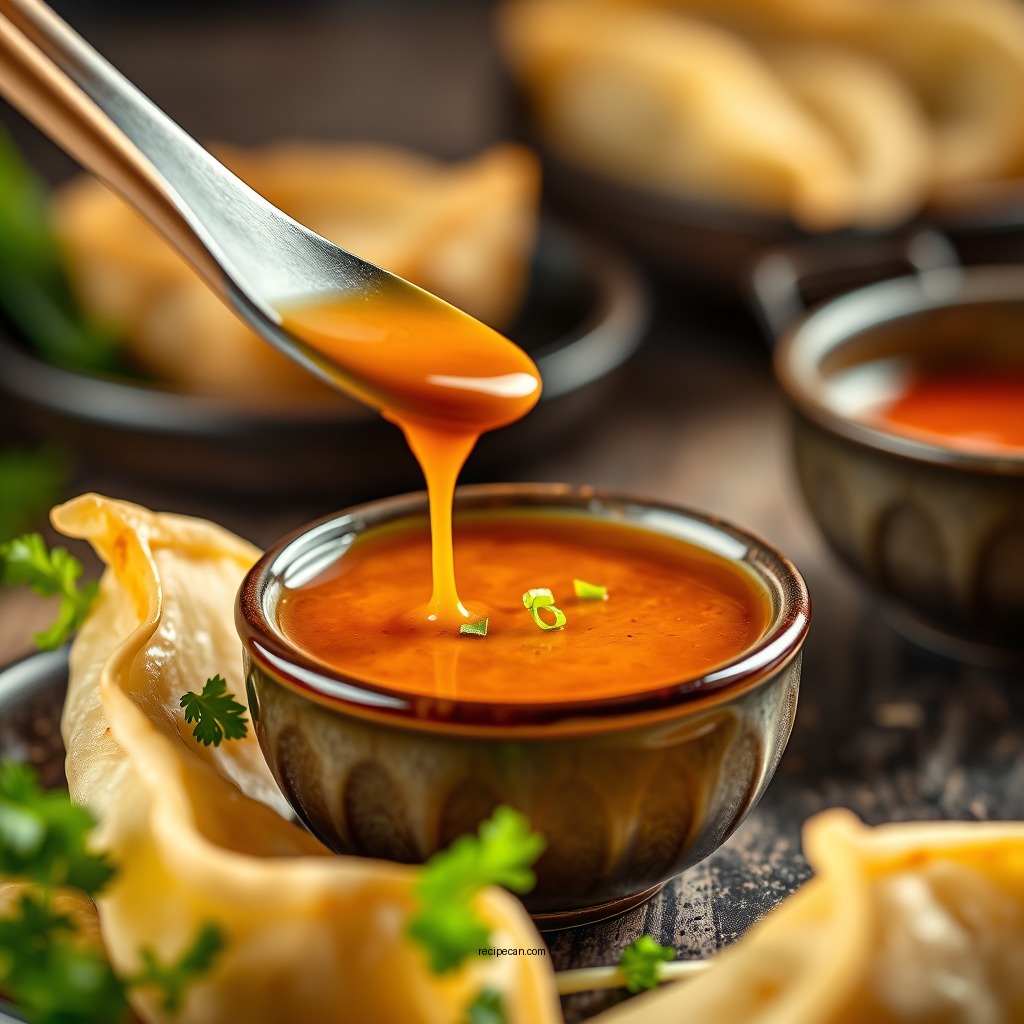
Potsticker sauce is an essential accompaniment that elevates the flavor of your dumplings, whether they’re homemade or store-bought. This easy-to-make sauce combines salty, sour, and nutty elements, creating a perfect balance to enhance the taste of your potstickers. In this article, you’ll learn how to whip up a delicious potsticker sauce using a few simple ingredients, ensuring that each bite of your dumplings is perfectly complemented.
The Basic Ingredients for Potsticker Sauce
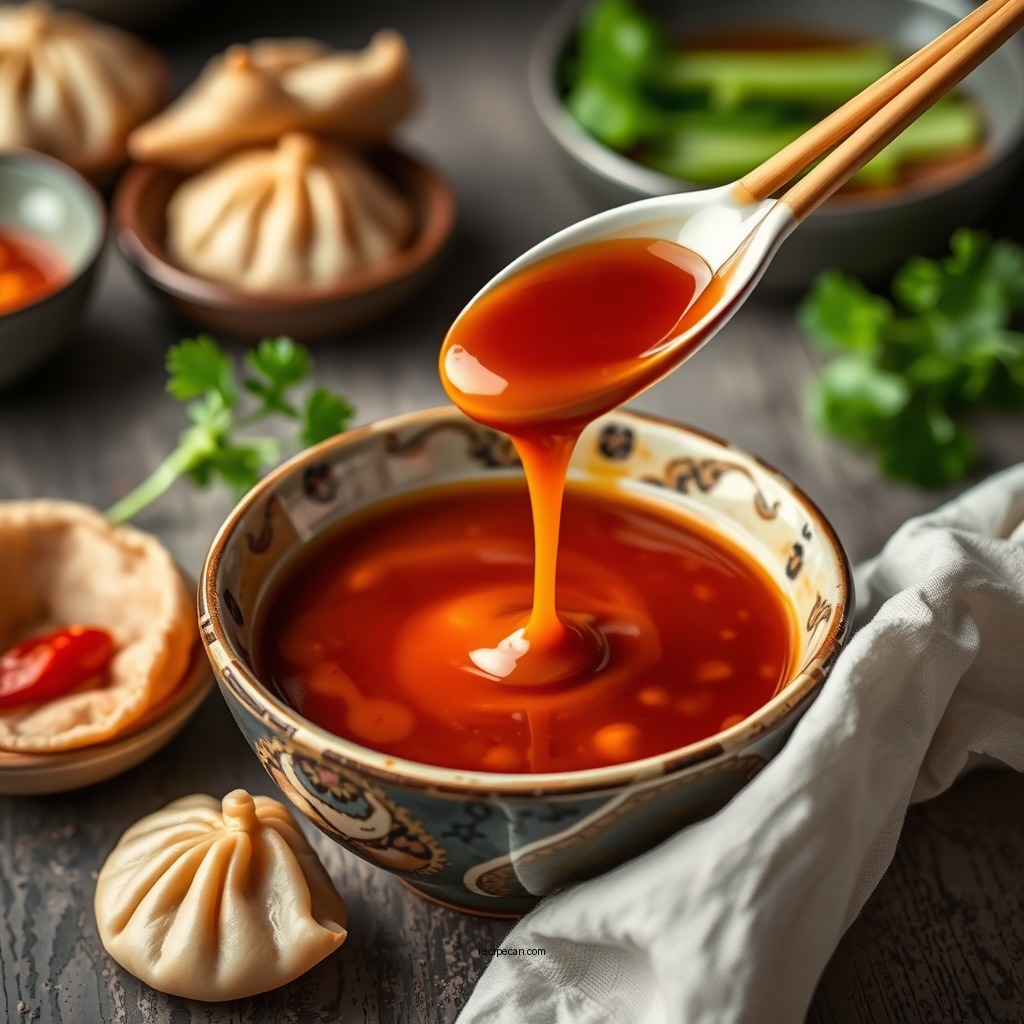
To create a potsticker sauce that is both easy and delicious, understanding the primary ingredients is crucial. Each component contributes its unique flavor profile, resulting in a balanced and delightful dipping sauce.
– Soy Sauce: This is the backbone of your sauce, providing a salty and umami-rich flavor. Traditional soy sauce works well, but you can also explore low-sodium varieties or tamari for gluten-free options. The depth of flavor from soy sauce sets the stage for the other ingredients.
– Rice Vinegar: Adding a touch of acidity, rice vinegar balances the saltiness of the soy sauce. Its mild flavor complements the other ingredients without overpowering them. If rice vinegar is unavailable, apple cider vinegar can be a suitable substitute, although it may impart a different taste.
– Sesame Oil: This ingredient introduces a rich and nutty flavor that enhances the overall profile of the sauce. A little sesame oil goes a long way, so just a few drops can elevate your sauce. Opt for toasted sesame oil for a deeper flavor, which is especially aromatic.
By starting with these three basic ingredients, you lay a strong foundation for a versatile potsticker sauce that can be tailored to your taste.
Optional Add-Ins for Flavor Enhancement
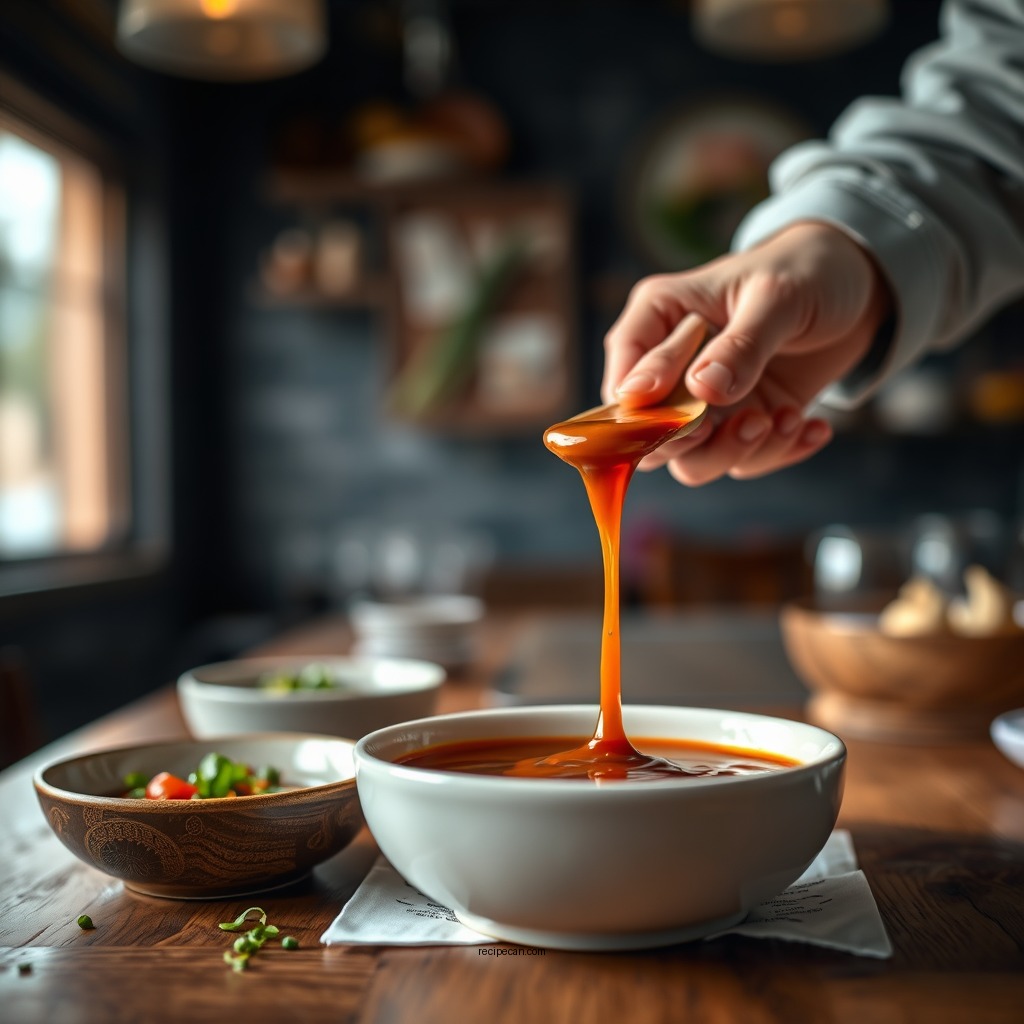
While the basic ingredients create a delicious sauce, several optional add-ins can further enhance the flavor and customize the sauce to your liking:
– Chili Oil: If you enjoy a spicy kick, adding chili oil can transform your sauce into a fiery delight. Start with a small amount and gradually increase, as it can easily overpower the other flavors.
– Garlic: Minced garlic adds depth and a wonderful aroma to the sauce. Fresh garlic is preferable, but garlic powder can also work in a pinch. Consider sautéing minced garlic briefly in sesame oil before adding it to the sauce for a deeper flavor.
– Ginger: Freshly grated ginger introduces a zesty and aromatic note that brightens the sauce. It pairs beautifully with the other ingredients and adds a hint of warmth. If fresh ginger is not available, ground ginger can be used, though fresh is recommended for the best flavor.
These optional add-ins allow for experimentation, enabling you to create a sauce that perfectly matches your palate.
Step-by-Step Instructions to Make the Sauce
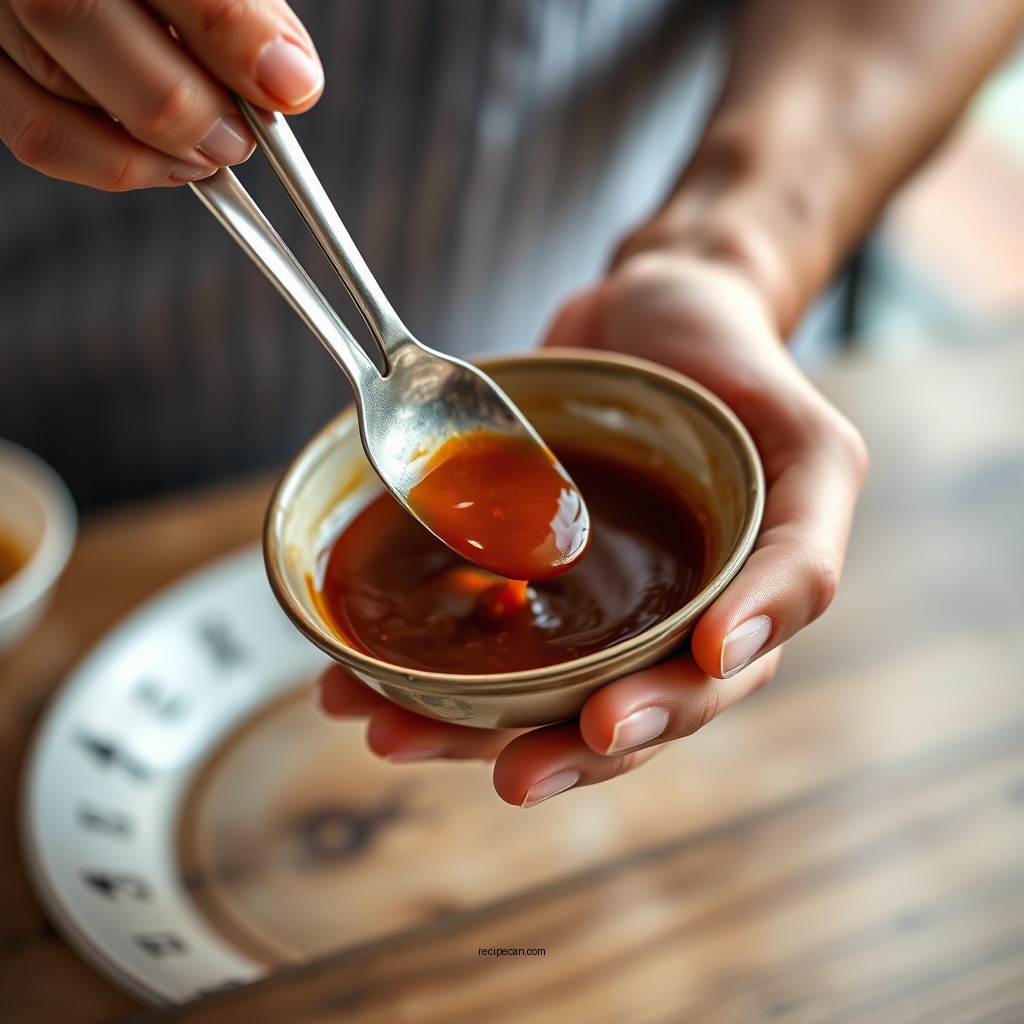
Creating your potsticker sauce is straightforward and can be done in just a few minutes. Follow these simple steps:
– Combine Ingredients: In a small bowl, whisk together equal parts soy sauce and rice vinegar, then add a few drops of sesame oil. Use a ratio of 2:1 for soy sauce to rice vinegar for a balanced flavor.
– Adjust to Taste: Taste the sauce and adjust the ingredients according to your preference. If you like it spicier, add chili oil; if you prefer more depth, include minced garlic or ginger.
– Optional Garnishes: For additional flavor and visual appeal, consider adding chopped green onions or sesame seeds. These garnishes can enhance both the taste and presentation of your sauce.
By following these steps, you’ll create a delicious potsticker sauce that can be customized to suit your taste.
Potsticker Sauce Flavor Components
| # | Ingredient | Function | Flavor Profile |
|---|---|---|---|
| 1 | Soy Sauce | Base | Salty, Umami |
| 2 | Rice Vinegar | Acidity | Sour, Light |
| 3 | Sesame Oil | Flavor | Nutty, Rich |
| 4 | Chili Oil | Heat | Spicy |
| 5 | Garlic | Depth | Savory |
| 6 | Ginger | Aroma | Zesty |
Serving Suggestions for Potsticker Sauce
Potsticker sauce is incredibly versatile and can enhance various dishes beyond just potstickers. Here are some serving suggestions to make the most of this delightful sauce:
– Dipping Sauce: The most common use is as a dipping sauce for potstickers. Serve it in small bowls alongside hot, freshly cooked potstickers, allowing guests to dip their dumplings into the sauce for an explosion of flavor.
– Drizzle Over Dishes: Use the sauce to drizzle over stir-fried vegetables, rice dishes, or noodle salads. It adds a savory kick that elevates the entire dish, making it more flavorful and appealing.
– Marinade: The sauce can also serve as an excellent marinade for proteins such as chicken, beef, or tofu. Simply marinate your selected protein in the sauce for at least 30 minutes before cooking to infuse it with flavor.
These serving suggestions not only enhance the experience of enjoying potstickers but also allow you to incorporate this sauce into various meals.
Flavor Intensity of Potsticker Sauce Components
Storage Tips for Leftover Sauce
If you find yourself with leftover potsticker sauce, it’s essential to store it properly to maintain its flavor and freshness. Here are some effective storage tips:
– Refrigeration: Store any leftover sauce in an airtight container in the fridge for up to one week. This ensures that the flavors remain intact and the sauce stays fresh. Always check for any signs of spoilage before use.
– Freezing: For longer storage, consider freezing the sauce in ice cube trays. Once frozen, transfer the cubes to a freezer-safe bag or container. This way, you can conveniently use portions as needed without thawing the entire batch.
By following these storage tips, you can enjoy your homemade potsticker sauce over multiple meals without loss of flavor or quality.
Common Mistakes to Avoid
Creating the perfect potsticker sauce can be straightforward, but there are common pitfalls to watch out for:
– Skipping Ingredients: Each ingredient in the sauce plays a crucial role in achieving the desired flavor. For instance, omitting sesame oil can result in a sauce that lacks depth and richness. Always include all components for a well-rounded taste.
– Overpowering with Heat: If you choose to add chili oil, start with a small amount and gradually increase it to avoid overwhelming spiciness. A little heat can enhance the sauce, but too much can mask the other flavors.
– Neglecting to Taste: Always taste your sauce before serving. Flavors can vary based on ingredient brands and freshness. Adjust the ratios of soy sauce, vinegar, and sesame oil according to your palate.
By being mindful of these common mistakes, you can create a potsticker sauce that is consistently delicious and well-balanced.
The potsticker sauce recipe is now at your fingertips, making it easy to prepare a delicious accompaniment for your dumplings. By following these simple steps and tips, you’ll ensure your potstickers are always served with the perfect sauce. Enjoy experimenting with different flavors and share your creations with friends and family!
Frequently Asked Questions
What are the essential ingredients for a basic potsticker sauce recipe?
A basic potsticker sauce recipe typically includes soy sauce, rice vinegar, sesame oil, and minced garlic. You can also add chili oil for a spicy kick and a touch of honey or sugar for sweetness. These ingredients work together to create a balanced flavor profile that complements the savory taste of potstickers.
How can I make a vegan-friendly potsticker sauce?
To create a vegan-friendly potsticker sauce, use soy sauce or tamari as your base, along with rice vinegar and sesame oil. You can also incorporate ingredients like maple syrup for sweetness and minced ginger for added depth. This combination ensures your potsticker sauce is flavorful while remaining entirely plant-based.
Why is my potsticker sauce too salty, and how can I fix it?
If your potsticker sauce is too salty, it may be due to using too much soy sauce or not balancing it with other ingredients. To fix this, you can dilute the sauce with a bit of water or add more rice vinegar to balance the flavors. Adding a pinch of sugar can also help offset the saltiness.
What is the best way to enhance the flavor of my potsticker sauce?
To enhance the flavor of your potsticker sauce, consider adding fresh herbs like cilantro or green onions for freshness. You can also experiment with additional spices such as ground ginger or five-spice powder. Adjusting the ratios of your main ingredients can also elevate the taste, making it more tailored to your preferences.
Which dipping sauces pair well with potstickers besides the traditional soy sauce?
Besides the traditional soy sauce, potstickers pair well with dipping sauces like ponzu, which adds a citrusy twist, or a spicy chili garlic sauce for heat. You can also try a creamy peanut sauce or a sweet and tangy hoisin sauce for a unique flavor experience. These alternatives can provide variety and enhance your potsticker enjoyment.
References
- Jiaozi
https://en.wikipedia.org/wiki/Potstickers - NYT Cooking – Recipes and Cooking Guides From The New York Times
https://www.nytimes.com/recipes/1019905/potstickers - https://www.thespruceeats.com/potstickers-recipe-695154
https://www.thespruceeats.com/potstickers-recipe-695154 - https://www.seriouseats.com/potstickers-recipe-5113868
https://www.seriouseats.com/potstickers-recipe-5113868 - https://www.foodnetwork.com/recipes/potstickers-recipe-2011457
https://www.foodnetwork.com/recipes/potstickers-recipe-2011457 - https://www.allrecipes.com/recipe/21345/potstickers/
https://www.allrecipes.com/recipe/21345/potstickers/ - https://scholar.google.com/scholar?q=potsticker+sauce+recipe Google Scholar
https://scholar.google.com/scholar?q=potsticker+sauce+recipe - Google Scholar Google Scholar
https://scholar.google.com/scholar?q=potstickers+recipe - Google Scholar Google Scholar
https://scholar.google.com/scholar?q=Asian+dipping+sauces - potsticker sauce recipe – Search results
https://en.wikipedia.org/wiki/Special:Search?search=potsticker+sauce+recipe