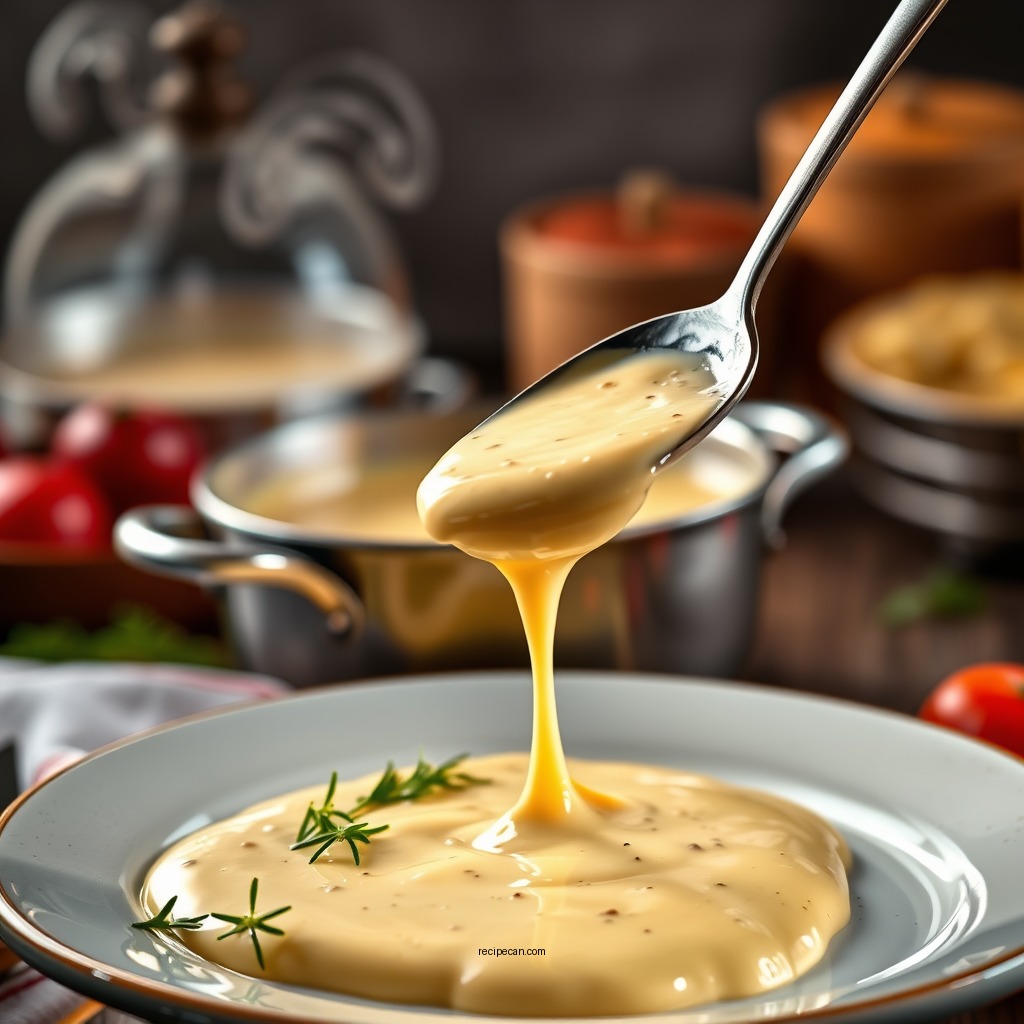
Béchamel sauce is a creamy white sauce made from butter, flour, and milk, serving as a foundational element in many dishes. In this guide, you’ll learn how to make the perfect béchamel sauce at home with simple ingredients and clear instructions. Whether you’re using it for lasagna, mac and cheese, or as a base for other sauces, mastering béchamel will elevate your cooking.
Ingredients You’ll Need
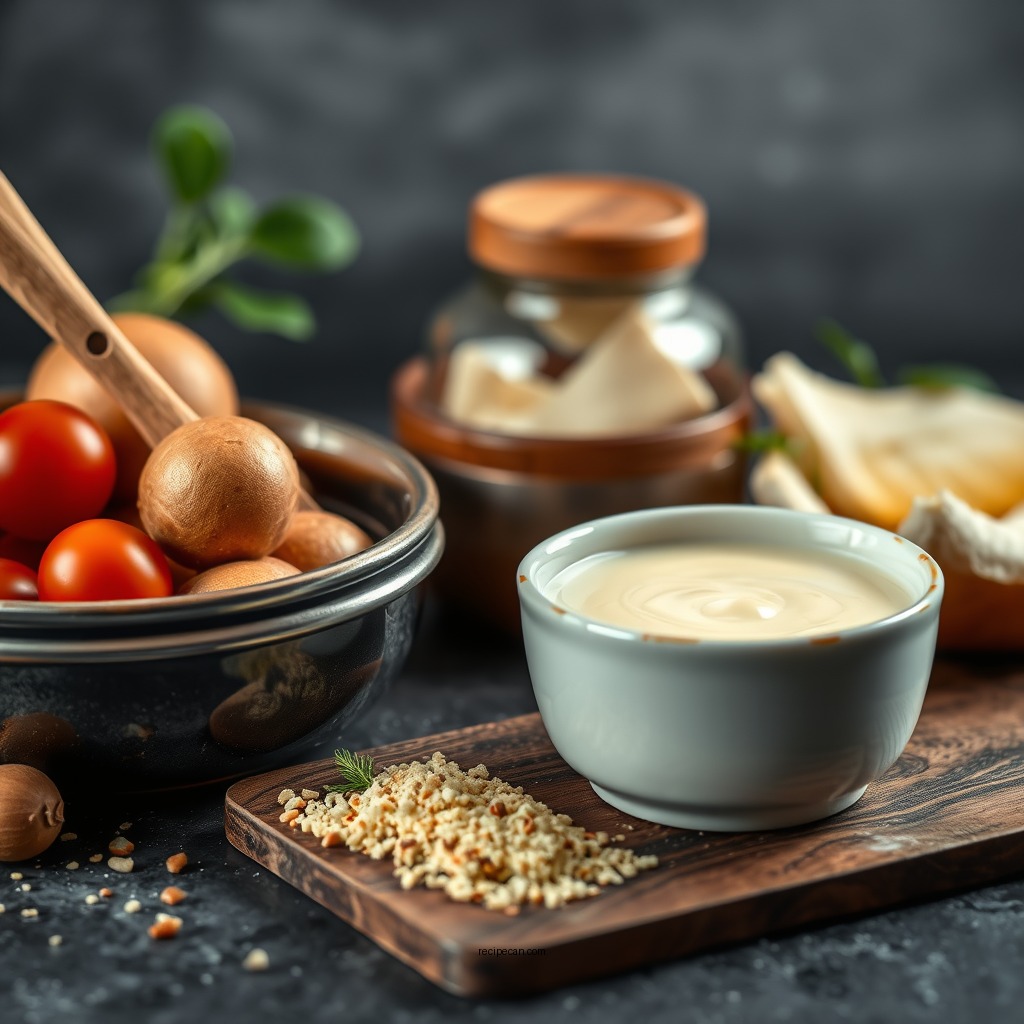
To prepare a classic béchamel sauce, you’ll need just three fundamental ingredients. Understanding the role of each component enhances your ability to create a rich, velvety sauce:
– Butter: This is essential for creating the roux, which is the thickening agent of the sauce. The butter adds richness and flavor.
– All-purpose flour: This forms the base of the sauce, acting as a thickening agent when combined with fat. It contributes to the sauce’s stability and texture.
– Milk: The liquid that creates the creamy texture of the sauce. Whole milk is often preferred for its richness, but you can use lower-fat options if desired.
Step-by-Step Preparation

Creating béchamel sauce is straightforward and requires attention to detail. Follow these steps for a flawless preparation:
1. Melt the butter: In a medium-sized saucepan, melt 2 tablespoons of butter over medium heat. Be careful not to let it brown, as you want a white sauce, not a brown one.
2. Make the roux: Once the butter has melted, whisk in 2 tablespoons of all-purpose flour. Continue to whisk for about 1-2 minutes until it forms a smooth paste, known as a roux. This step is crucial as it cooks out the raw flour taste while ensuring your sauce has a smooth consistency.
Cooking and Thickening Process
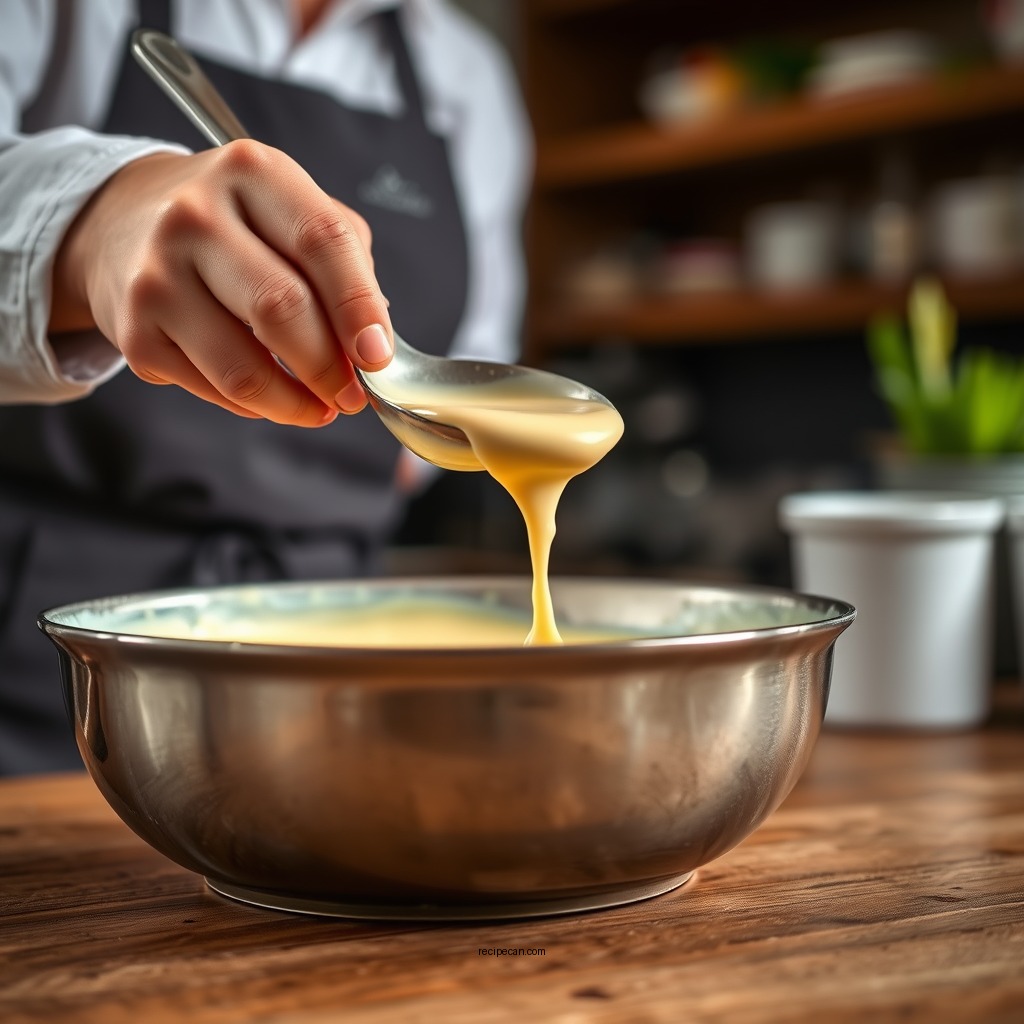
The cooking process is where your béchamel takes shape. Follow these guidelines to achieve the desired consistency:
1. Add milk gradually: Slowly pour in 2 cups of milk while continuously whisking. This gradual addition prevents lumps from forming and ensures a smooth sauce.
2. Thicken the sauce: Continue to cook and whisk the mixture over medium heat. As the sauce heats, it will begin to thicken. This process can take about 5-10 minutes. Keep an eye on it, stirring constantly to prevent sticking or burning. Once it reaches your desired thickness—typically a coating consistency on the back of a spoon—remove it from the heat.
Seasoning Your Béchamel
A well-seasoned béchamel is the key to enhancing its flavor profile. Here are some basic seasoning tips:
– Salt and white pepper: Start by adding salt to taste; this will help bring out the flavors. White pepper is preferable for a classic béchamel because it won’t alter the sauce’s color.
– Nutmeg: A pinch of ground nutmeg can elevate the sauce’s flavor significantly. Nutmeg complements creamy dishes and is a classic addition to béchamel.
Common Uses for Béchamel Sauce
Béchamel is incredibly versatile and serves as a base for many delicious dishes. Here are some common uses:
– Cheese sauces: Use it as a base for cheese sauces, such as in macaroni and cheese. Simply stir in grated cheese after your béchamel has thickened to create a creamy cheese sauce.
– Lasagna and moussaka: Incorporate béchamel into lasagna or moussaka for a rich, creamy layer that balances flavors and textures.
– Gratin dishes: Pour béchamel over vegetables or potatoes before baking for a deliciously creamy gratin.
– Soups and casseroles: Use béchamel as a thickener in creamy soups or a base for casseroles to enhance texture and flavor.
Tips for Perfect Béchamel
Achieving the perfect béchamel sauce can come down to a few critical tips:
– Use whole milk: For a richer flavor and creamier texture, whole milk is ideal. However, using lower-fat milk is also an option, though it may affect the sauce’s richness.
– Whisk continuously: Continuous whisking while adding milk ensures that lumps do not form, and the sauce remains smooth. This is especially important when you’re heating the sauce.
– Avoid overheating: If you notice the sauce starting to bubble vigorously, reduce the heat. A gentle simmer is ideal for thickening without scorching.
Common Uses for Béchamel Sauce (2023)
| # | Dish | Use Case | Popularity |
|---|---|---|---|
| 1 | Macaroni and Cheese | Main Dish | High |
| 2 | Lasagna | Layering | High |
| 3 | Potato Gratin | Baking | Medium |
| 4 | Moussaka | Layering | Medium |
| 5 | Creamy Soups | Thickening | Medium |
| 6 | Croque Monsieur | Sandwich | Medium |
| 7 | Vegetable Casseroles | Baking | Medium |
Béchamel Sauce Preparation Time (minutes)
To conclude, mastering the classic béchamel sauce opens the door to a myriad of culinary possibilities. From creamy pastas to elegant gratins, the applications are endless. By following the simple steps outlined in this guide, you can create a sauce that not only enhances your meals but also showcases your cooking skills. Don’t hesitate to experiment with different seasonings and uses to discover your favorite way to enjoy béchamel sauce. Happy cooking!
Frequently Asked Questions
What are the basic ingredients needed for a béchamel sauce recipe?
The basic ingredients for a classic béchamel sauce recipe include butter, all-purpose flour, milk, salt, and a pinch of nutmeg. These simple ingredients combine to create a creamy, smooth sauce that serves as a base for many dishes, including lasagna and macaroni and cheese.
How can I make my béchamel sauce thicker?
To make your béchamel sauce thicker, you can increase the amount of flour used in the roux or let the sauce simmer longer to reduce its liquid content. Alternatively, whisk in more cheese if you’re using it in a cheese sauce, as this will also enhance the thickness and flavor.
Why does my béchamel sauce have lumps, and how can I prevent this?
Lumps in béchamel sauce typically occur when the flour is not properly incorporated into the butter, or if the milk is added too quickly. To prevent lumps, make sure to whisk the flour and butter together thoroughly to create a smooth roux before gradually adding warm milk while continuously whisking.
What is the best way to store leftover béchamel sauce?
The best way to store leftover béchamel sauce is to place it in an airtight container and refrigerate it for up to three days. To prevent a skin from forming, you can cover the surface of the sauce with plastic wrap or parchment paper directly touching it before sealing the container.
Which dishes can I use béchamel sauce in?
Béchamel sauce is incredibly versatile and can be used in various dishes, including lasagna, moussaka, and creamy pasta recipes. It also serves as a base for many cheese sauces, making it ideal for gratins, vegetable bakes, and even as a topping for baked dishes.
References
- Béchamel sauce
https://en.wikipedia.org/wiki/B%C3%A9chamel_sauce - https://www.bbc.co.uk/food/recipes/bechamel_sauce_16052
https://www.bbc.co.uk/food/recipes/bechamel_sauce_16052 - https://www.thespruceeats.com/bechamel-sauce-recipe-995521
https://www.thespruceeats.com/bechamel-sauce-recipe-995521 - https://www.seriouseats.com/how-to-make-bechamel-sauce-5112526
https://www.seriouseats.com/how-to-make-bechamel-sauce-5112526 - Google Scholar Google Scholar
https://scholar.google.com/scholar?q=b%C3%A9chamel+sauce+recipe - Google Scholar Google Scholar
https://scholar.google.com/scholar?q=béchamel+sauce+history - Google Scholar Google Scholar
https://scholar.google.com/scholar?q=b%C3%A9chamel+sauce+cooking+techniques - Google Scholar Google Scholar
https://scholar.google.com/scholar?q=béchamel+sauce+recipe - béchamel sauce recipe – Search results
https://en.wikipedia.org/wiki/Special:Search?search=béchamel+sauce+recipe - https://www.ncbi.nlm.nih.gov/search/research-articles/?term=béchamel+sauce+recipe
https://www.ncbi.nlm.nih.gov/search/research-articles/?term=béchamel+sauce+recipe