
Looking to elevate your meals with a burst of flavor? This easy and delicious Creole sauce recipe will transform your dishes in just minutes. With its rich blend of spices, peppers, and tomatoes, you’ll learn how to create this classic sauce that pairs perfectly with seafood, chicken, and even pasta. Whether you’re a seasoned cook or a beginner in the kitchen, this recipe provides a straightforward approach to a timeless culinary staple that will enhance any meal.
What is Creole Sauce?
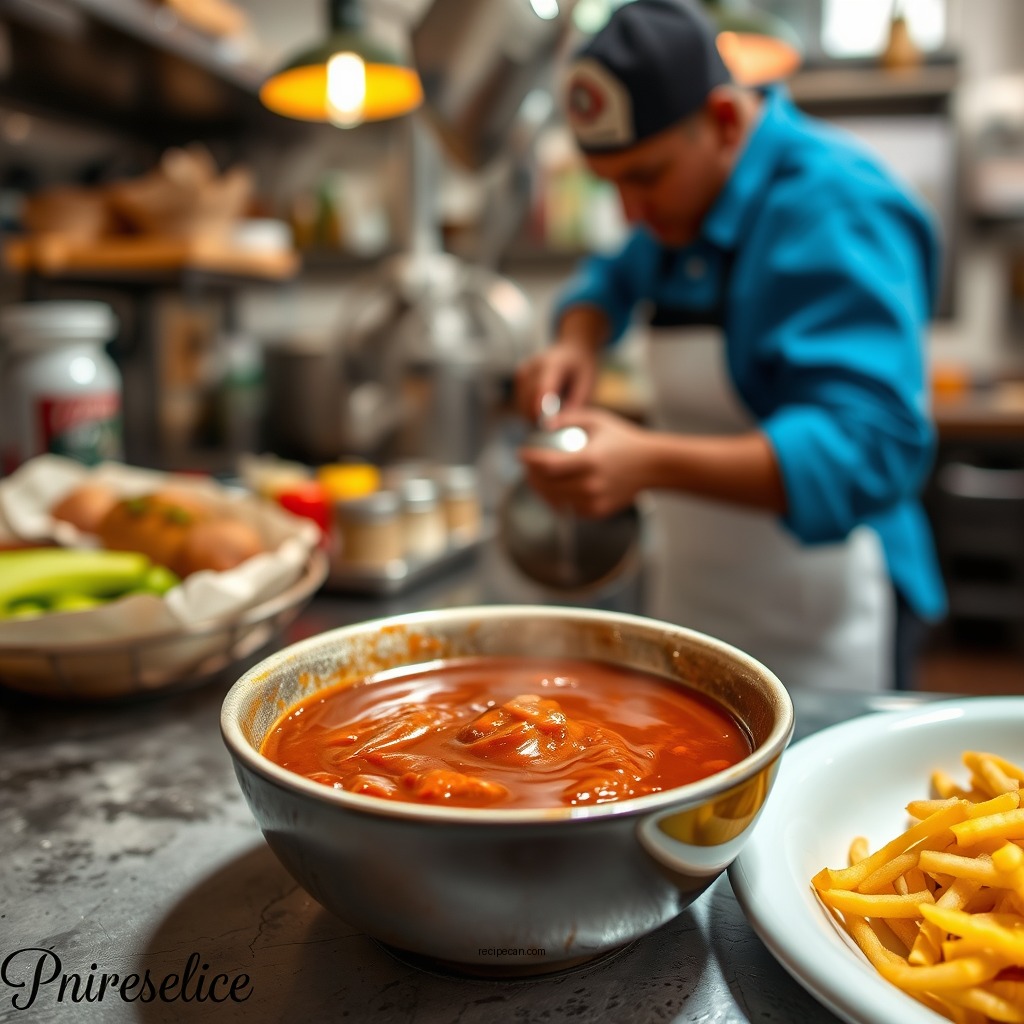
Creole sauce is a flavorful blend commonly used in Louisiana cuisine, renowned for its vibrant taste and versatility. Originating from the rich culinary traditions of New Orleans, this sauce is characterized by its combination of fresh vegetables and a medley of spices. Typically, Creole sauce includes tomatoes, bell peppers, onions, and a mix of spices that create a delightful symphony of flavors. The sauce is often described as a cultural melting pot, reflecting the diverse influences of French, Spanish, African, and Native American cuisines. This blend not only enhances the taste of dishes but also adds color and aroma, making it a favorite among chefs and home cooks alike.
Ingredients You Will Need

To prepare this easy and delicious Creole sauce, gather the following ingredients:
– Tomatoes: 2 cups of chopped fresh tomatoes or one can (14 oz) of diced tomatoes.
– Bell peppers: 1 cup of diced bell peppers, ideally a mix of colors for visual appeal.
– Onions: 1 cup of diced onions, preferably yellow or white for sweetness.
– Garlic: 3-4 cloves of minced garlic for added depth of flavor.
– Seasonings:
– Cayenne pepper: 1 teaspoon (adjust to your heat preference).
– Paprika: 1 teaspoon for smokiness and color.
– Thyme: 1 teaspoon of dried thyme or a tablespoon of fresh thyme.
– Bay leaves: 1-2 leaves for infusion of flavor.
– Optional:
– Worcestershire sauce: 1 tablespoon for an additional layer of umami flavor.
These ingredients combine to create a robust sauce that elevates a variety of dishes, making it a must-have in any kitchen.
Step-by-Step Preparation
Creating your own Creole sauce is simple and requires minimal cooking expertise. Follow these steps for a perfect sauce:
1. Sauté the Aromatics: Begin by heating a tablespoon of oil in a large skillet over medium heat. Add the diced onions and bell peppers and sauté for about 5 minutes until they soften. Incorporate the minced garlic and sauté for an additional minute until fragrant.
2. Add the Tomatoes: Stir in the chopped tomatoes, mixing well with the sautéed vegetables. This will form the base of your sauce.
3. Season the Sauce: Sprinkle in your cayenne pepper, paprika, thyme, and bay leaves. If you are using Worcestershire sauce, add it at this stage as well. Stir to combine all the ingredients evenly.
4. Simmer: Allow the sauce to simmer on low heat for about 20-30 minutes. This step is crucial as it allows the flavors to meld beautifully. Stir occasionally to prevent sticking and to ensure even cooking.
5. Final Adjustments: Taste your sauce and adjust the seasoning if necessary. You may add more salt, pepper, or cayenne pepper based on your preference.
6. Serve: Once thickened and aromatic, remove the bay leaves and serve hot over your chosen dish.
Here’s a quick summary of the preparation process in a visual format:
Creole Sauce Preparation Summary
| Step | Action | Time |
|---|---|---|
| 1 | Sauté Onions & Peppers | 5 mins |
| 2 | Add Garlic | 1 min |
| 3 | Stir in Tomatoes | 2 mins |
| 4 | Add Seasonings | 2 mins |
| 5 | Simmer | 20-30 mins |
| 6 | Serve Hot | N/A |
Variations to Try
Once you master the basic Creole sauce, you can easily customize it to suit your taste or dietary preferences. Here are some variations to consider:
– Protein Additions: Enhance your sauce by adding shrimp, chicken, or even sausage. Simply cook the protein in the pan after sautéing the vegetables, then proceed with adding the tomatoes and spices.
– Herb Substitutions: If you don’t have fresh herbs on hand, dried ones work just as well. Use one-third of the amount of dried herbs compared to fresh for a balanced flavor.
– Heat Adjustments: If you prefer a milder sauce, reduce the amount of cayenne pepper or substitute it with sweet paprika. Conversely, for a spicier kick, consider adding diced jalapeños or hot sauce.
These variations not only make the sauce your own but also allow you to experiment with different flavor profiles, giving you the flexibility to cater to various palates.
Serving Suggestions
Creole sauce is incredibly versatile and can be served with a variety of dishes:
– Seafood Dishes: It pairs exceptionally well with grilled fish or shrimp, providing a zesty complement to the natural flavors of seafood.
– Pasta: Use it as a sauce for pasta, offering a unique twist on traditional marinara. Simply toss the cooked pasta with the sauce and serve with grated Parmesan.
– Rice and Grains: Serve over rice or quinoa for a hearty meal. The sauce adds moisture and flavor, transforming a simple grain into a satisfying dish.
– Vegetables: Drizzle over roasted or steamed vegetables for an added kick. The sauce can elevate even the simplest of vegetable sides into a flavor-packed dish.
Storage Tips
To maximize the longevity of your Creole sauce, consider the following storage tips:
– Refrigeration: Store in an airtight container in the refrigerator for up to a week. Make sure it cools completely before sealing to avoid condensation.
– Freezing: For longer storage, freeze in portioned containers. This allows you to defrost only what you need, keeping waste to a minimum. The sauce can be frozen for up to three months.
– Reheating: When ready to use, thaw in the refrigerator overnight, then reheat on the stove over low heat, stirring occasionally until warmed through.
Incorporating these storage methods ensures that you can enjoy your homemade Creole sauce whenever the craving strikes.
Conclusion
Using this simple Creole sauce recipe, you can bring a taste of Louisiana into your kitchen. With just a few ingredients and steps, you can create a dish that is not only flavorful but also versatile enough for various meals. Whether you pair it with seafood, pasta, or vegetables, this sauce is sure to impress. Don’t hesitate to experiment with variations and serving suggestions to make it uniquely yours. Get started today and enjoy the delicious results!
Frequently Asked Questions
What ingredients are essential for a classic creole sauce recipe?
A classic creole sauce recipe typically includes ingredients like diced tomatoes, bell peppers, onions, celery, garlic, and a mix of spices such as cayenne pepper, paprika, and bay leaves. These components create a rich and flavorful base that is perfect for enhancing dishes like shrimp, chicken, or pasta.
How do I make a creole sauce from scratch?
To make a creole sauce from scratch, start by sautéing diced onions, bell peppers, and celery (the “holy trinity”) in olive oil until softened. Then, add minced garlic, crushed tomatoes, and your choice of spices, simmering the mixture for about 20 minutes to allow the flavors to meld together. Adjust seasoning to taste and serve over your favorite protein or pasta.
Why is creole sauce considered a staple in Cajun and Creole cooking?
Creole sauce is considered a staple in Cajun and Creole cooking because it embodies the rich cultural heritage of Louisiana cuisine, combining influences from French, Spanish, and African cooking traditions. Its versatility allows it to complement a variety of dishes, making it a foundational element in many recipes, including jambalaya and étouffée.
What is the best way to store leftover creole sauce?
The best way to store leftover creole sauce is to let it cool completely before transferring it to an airtight container. It can be refrigerated for up to a week or frozen for up to three months, making it easy to reheat and enjoy in future meals. Always remember to label your container with the date for easy tracking.
Which dishes pair well with creole sauce?
Creole sauce pairs well with a variety of dishes, including seafood like shrimp and fish, chicken, and even over pasta or rice. It can also enhance vegetable dishes, making it a versatile sauce that can elevate many meals while providing a robust flavor profile typical of Creole cuisine.
References
- Creole cuisine
https://en.wikipedia.org/wiki/Creole_cuisine - https://www.britannica.com/topic/Creole-cuisine
https://www.britannica.com/topic/Creole-cuisine - https://www.sciencedirect.com/topics/agricultural-and-biological-sciences/creole-cuisine
https://www.sciencedirect.com/topics/agricultural-and-biological-sciences/creole-cuisine - https://www.ncbi.nlm.nih.gov/pmc/articles/PMC5294435/
https://www.ncbi.nlm.nih.gov/pmc/articles/PMC5294435/ - Google Scholar Google Scholar
https://scholar.google.com/scholar?q=creole+sauce+recipe - Google Scholar Google Scholar
https://scholar.google.com/scholar?q=creole+cuisine+recipes - https://www.verywellfit.com/what-is-creole-cuisine-5186672
https://www.verywellfit.com/what-is-creole-cuisine-5186672 - Cooking Channel | Food Network
https://www.cookingchanneltv.com/recipes/creole-sauce-2109851 - https://www.foodnetwork.com/recipes/creole-sauce-recipe-2109632
https://www.foodnetwork.com/recipes/creole-sauce-recipe-2109632 - creole sauce recipe – Search results
https://en.wikipedia.org/wiki/Special:Search?search=creole+sauce+recipe