Creating a delicious Amatriciana sauce is simple and rewarding. This classic Italian sauce combines a few key ingredients to deliver a rich and savory flavor perfect for pasta. In this article, you’ll learn how to make Amatriciana sauce from scratch, including tips on selecting ingredients and serving suggestions.
Understanding Amatriciana Sauce
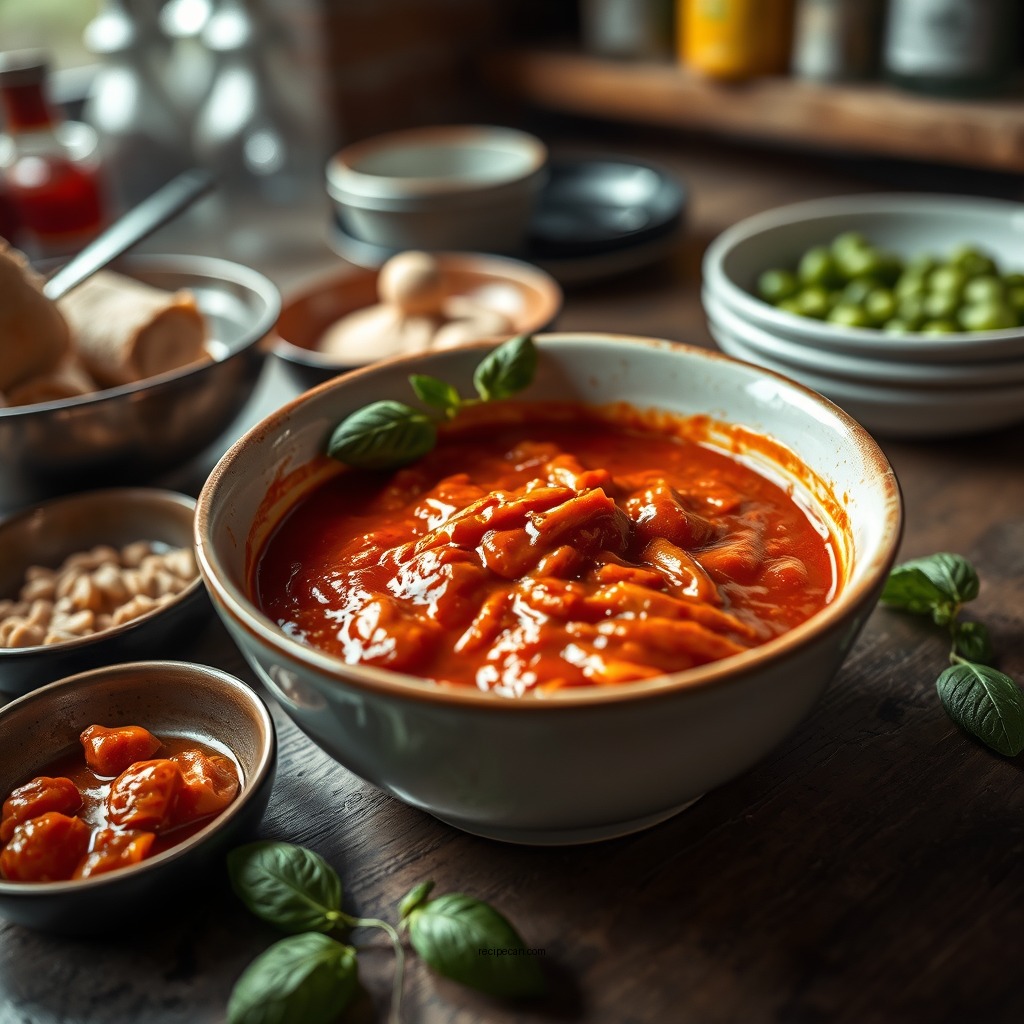
Amatriciana sauce has its origins in the quaint town of Amatrice, Italy, a place renowned for its authentic culinary traditions. The sauce is not just a staple of Roman cuisine; it symbolizes the flavors of central Italy’s rural kitchens. Traditionally, Amatriciana sauce is crafted using three primary ingredients: guanciale, tomatoes, and pecorino cheese. Each component plays a crucial role in creating the sauce’s distinctive taste profile, which is both robust and comforting.
Guanciale, or cured pork cheek, is the heart of this sauce. Its rich, fatty essence provides a savory depth that cannot be replaced by other types of meat or bacon. The integration of high-quality tomatoes, preferably San Marzano, infuses the sauce with a natural sweetness and acidity, balancing the saltiness of the guanciale. Finally, freshly grated pecorino Romano cheese adds a sharp, salty kick, enhancing the overall flavor of the dish.
Key Ingredients for Amatriciana Sauce
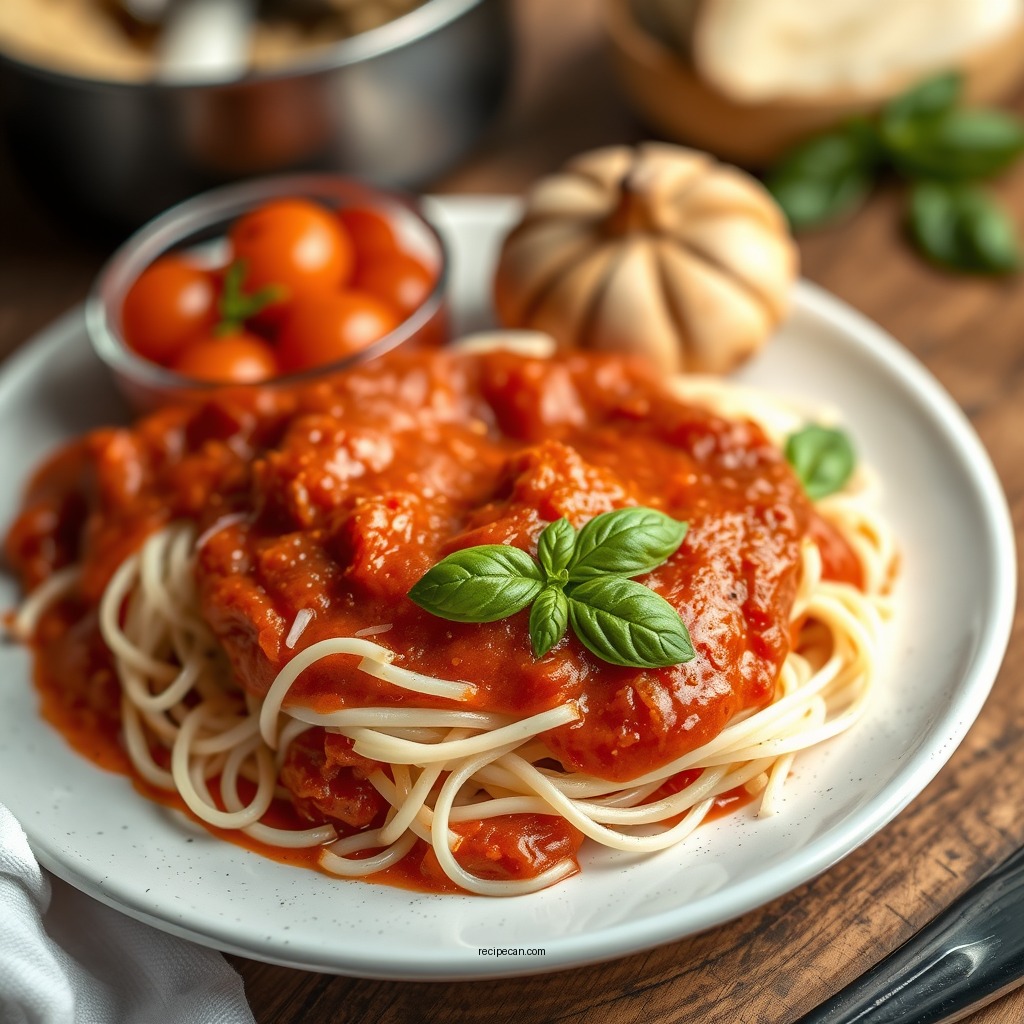
To make an authentic Amatriciana sauce, you’ll need to focus on the quality of your ingredients. Here’s a closer look at the key components:
– Guanciale: This cured pork cheek is essential for achieving the authentic flavor of Amatriciana. Its high-fat content melts into the sauce, creating a luxurious texture. If guanciale is unavailable, pancetta can be used as a substitute, though it will impart a different flavor.
– Tomatoes: For the best results, opt for San Marzano tomatoes, which are known for their sweetness and low acidity. These tomatoes are often used in Italian cooking due to their rich flavor and thick texture, making them ideal for sauces.
– Pecorino Romano: This hard, salty cheese made from sheep’s milk enhances the sauce’s flavor profile. Freshly grated pecorino is preferred over pre-grated varieties for its superior taste and texture.
Step-by-Step Cooking Instructions
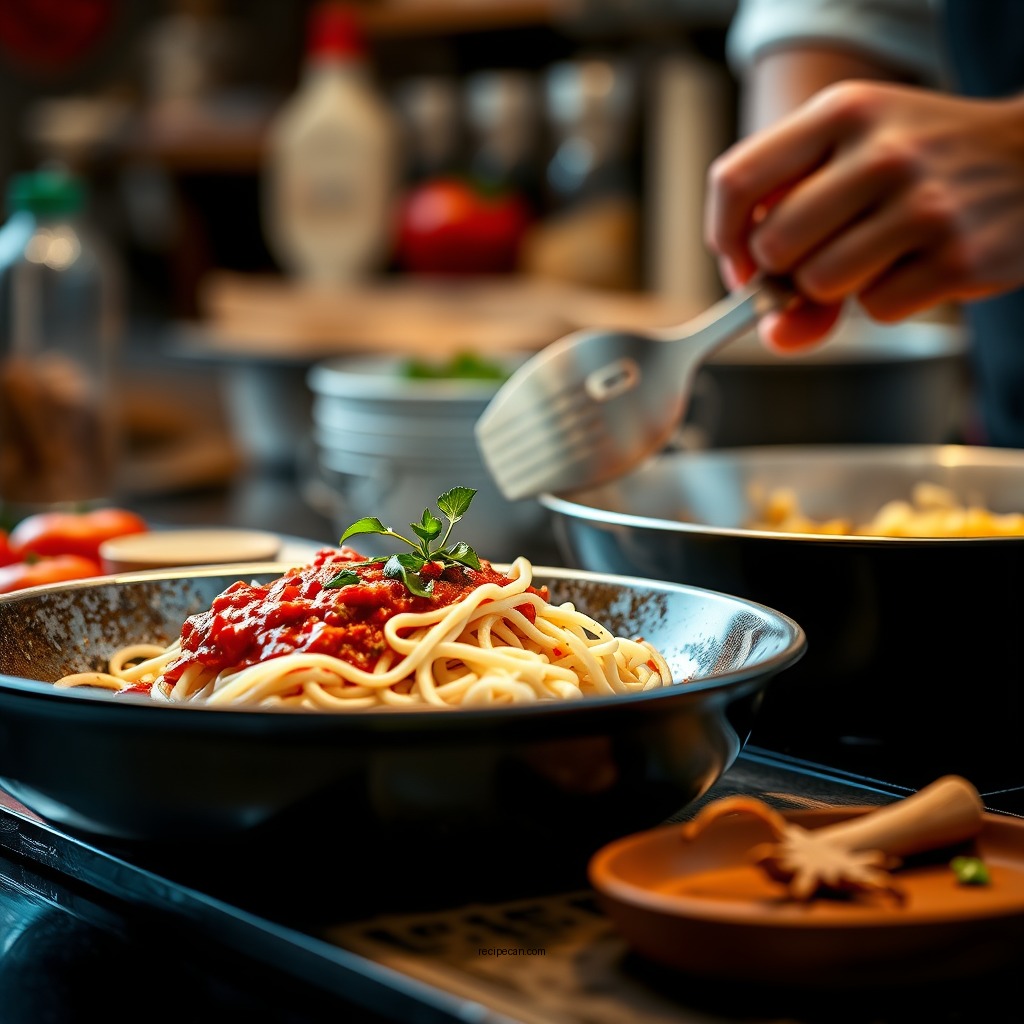
Making Amatriciana sauce is straightforward and can be accomplished in a few simple steps:
1. Sauté the Guanciale: Begin by cutting the guanciale into small strips or cubes. Heat a pan over medium heat and add the guanciale. Cook until crispy, allowing it to render its fat. This process will take about 5-7 minutes.
2. Add the Tomatoes: Once the guanciale is crispy, add your canned San Marzano tomatoes. If using whole tomatoes, crush them with the back of a spoon. Stir well to combine the ingredients.
3. Simmer: Lower the heat and let the sauce simmer for about 15-20 minutes. This allows the flavors to meld together. Stir occasionally to prevent sticking.
4. Season: Finally, taste your sauce and season with salt and freshly cracked pepper as needed. Remember that the guanciale is already salty, so be cautious with additional salt.
5. Serve: Your Amatriciana sauce is now ready to be paired with pasta!
Top 7 Italian Ingredients for Amatriciana Sauce
| # | Ingredient | Importance | Flavor Profile |
|---|---|---|---|
| 1 | Guanciale | Essential | Savory |
| 2 | Tomatoes | Essential | Sweet |
| 3 | Pecorino Romano | Essential | Salty |
| 4 | Black Pepper | Important | Spicy |
| 5 | Olive Oil | Optional | Fruity |
| 6 | Red Pepper Flakes | Optional | Spicy |
| 7 | Garlic | Optional | Aromatic |
Tips for the Perfect Amatriciana Sauce
To ensure your Amatriciana sauce is perfect every time, consider the following tips:
– Choose the Right Pasta: Traditional choices for Amatriciana include spaghetti or bucatini. The hollow center of bucatini allows the sauce to cling beautifully, while spaghetti provides a classic texture.
– Simmer for Flavor: Allow the sauce to simmer longer if time permits. A longer cooking time will deepen the flavor as the ingredients meld together, creating a more robust sauce.
– Use Freshly Grated Pecorino: For the best results, always opt for freshly grated pecorino Romano. Pre-grated cheese often contains anti-caking agents that can affect the texture and flavor.
– Avoid Overcooking the Pasta: When cooking the pasta, ensure it is al dente, as it will continue to cook when mixed with the sauce.
Serving Suggestions
Serving your Amatriciana sauce is just as important as preparing it. Here are some suggestions for a complete meal:
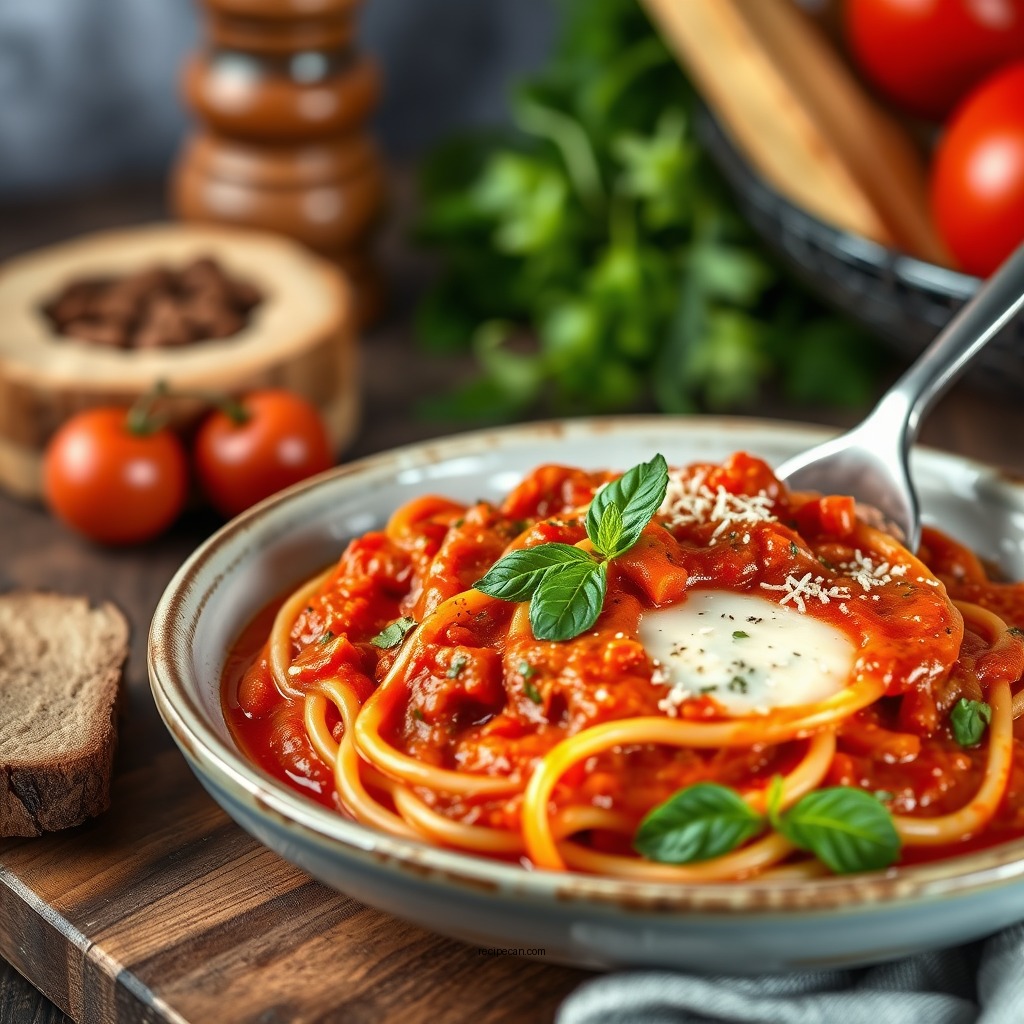
– Pasta Pairing: Serve your Amatriciana sauce over freshly cooked spaghetti or bucatini. Toss the pasta directly in the sauce for even distribution of flavor.
– Topping: Finish with a generous sprinkle of freshly grated pecorino Romano cheese. This not only adds flavor but also provides a beautiful presentation.
– Side Dishes: Pair your pasta with a side of garlic bread to soak up any remaining sauce or a simple arugula salad dressed with olive oil and lemon to balance the richness.
Popular Pasta Shapes for Amatriciana Sauce
Variations of Amatriciana Sauce
While the traditional Amatriciana sauce is beloved for its simplicity, there are variations that cater to different tastes and preferences:
– Spicy Amatriciana: For those who enjoy a little heat, consider adding red pepper flakes during the sautéing of the guanciale. This will infuse the oil with a spicy kick.
– Vegetable Additions: Some variations include sautéing onions or garlic along with the guanciale for an aromatic boost. While this strays from tradition, it can add additional depth to the sauce.
– Creamy Versions: A creamy version can be achieved by adding a splash of heavy cream at the end of cooking. This creates a richer sauce that pairs well with heartier pasta.
Incorporating these variations can elevate the classic Amatriciana sauce while still honoring its roots.
The classic Amatriciana sauce is a delicious addition to any pasta dish, embodying the essence of Italian cooking. By following this simple recipe and tips, you can create a flavorful sauce that will impress your family and friends. Try making it tonight and enjoy authentic Italian cuisine in the comfort of your home!
Frequently Asked Questions
What are the key ingredients in a traditional amatriciana sauce recipe?
A traditional amatriciana sauce recipe features a few key ingredients: guanciale (cured pork cheek), pecorino romano cheese, and tomatoes. The combination of these ingredients creates a rich, flavorful sauce that is typically served with pasta, such as bucatini or spaghetti. Using high-quality guanciale and ripe tomatoes is essential for achieving an authentic taste.
How do you make amatriciana sauce from scratch?
To make amatriciana sauce from scratch, start by sautéing diced guanciale in a pan until it becomes crispy. Next, add crushed tomatoes and simmer to blend the flavors, then finish with freshly grated pecorino romano cheese. Toss the sauce with your choice of pasta, and serve immediately for a hearty, delicious meal.
Why is guanciale important in amatriciana sauce?
Guanciale is important in amatriciana sauce because it imparts a distinct flavor and richness that defines the dish. Unlike bacon, guanciale is less salty and has a unique melt-in-your-mouth texture due to its higher fat content, which contributes to the sauce’s overall depth and creaminess. Using authentic guanciale is key to achieving the traditional taste of this beloved Italian sauce.
What is the best pasta to pair with amatriciana sauce?
The best pasta to pair with amatriciana sauce is bucatini, a thick spaghetti-like noodle with a hollow center that holds the sauce beautifully. Other great options include spaghetti and rigatoni, which also complement the sauce well. The choice of pasta can enhance the dining experience, so consider the texture and how it interacts with the sauce.
Which variations of amatriciana sauce exist, and how do they differ?
Variations of amatriciana sauce include the addition of onions or garlic, which some cooks use to enhance flavor, while others may substitute pancetta for guanciale. In some regions, a splash of white wine or a pinch of chili flakes is added for extra depth and heat. Each variation maintains the core elements but can offer a unique twist on the classic recipe.
References
- Amatriciana sauce
https://en.wikipedia.org/wiki/Amatriciana - https://www.bbc.com/food/recipes/amatriciana_230063
https://www.bbc.com/food/recipes/amatriciana_230063 - NYT Cooking – Recipes and Cooking Guides From The New York Times
https://www.nytimes.com/recipes/1018127/amatriciana - https://www.theguardian.com/food/2020/jul/10/how-to-make-amatriciana-sauce-recipe
https://www.theguardian.com/food/2020/jul/10/how-to-make-amatriciana-sauce-recipe - https://www.culturitalia.beniculturali.it/en/heritage/amatriciana-sauce
https://www.culturitalia.beniculturali.it/en/heritage/amatriciana-sauce - Google Scholar Google Scholar
https://scholar.google.com/scholar?q=amatriciana+sauce+recipe - Google Scholar Google Scholar
https://scholar.google.com/scholar?q=amatriciana+recipe+traditional - Google Scholar Google Scholar
https://scholar.google.com/scholar?q=history+of+amatriciana+sauce - amatriciana sauce recipe – Search results
https://en.wikipedia.org/wiki/Special:Search?search=amatriciana+sauce+recipe - https://www.ncbi.nlm.nih.gov/search/research-articles/?term=amatriciana+sauce+recipe
https://www.ncbi.nlm.nih.gov/search/research-articles/?term=amatriciana+sauce+recipe