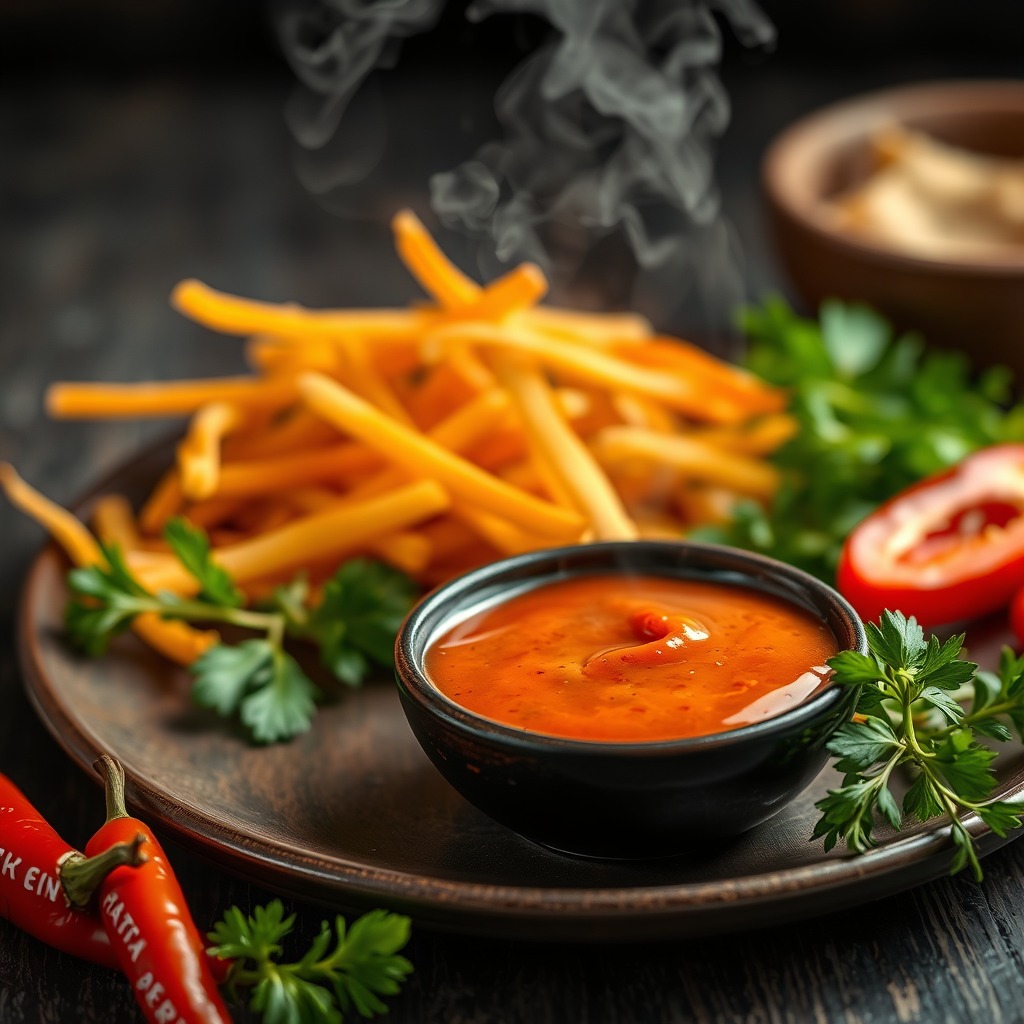
Making a delicious pepper sauce is simpler than you might think! This easy recipe will guide you through the process of creating a flavorful and versatile sauce that can elevate any dish. Whether you want to spice up grilled meats, vegetables, or pasta, this pepper sauce will become a staple in your kitchen. With just a few fresh ingredients and minimal preparation, you can craft a sauce that adds depth and zest to your meals.
Ingredients You’ll Need
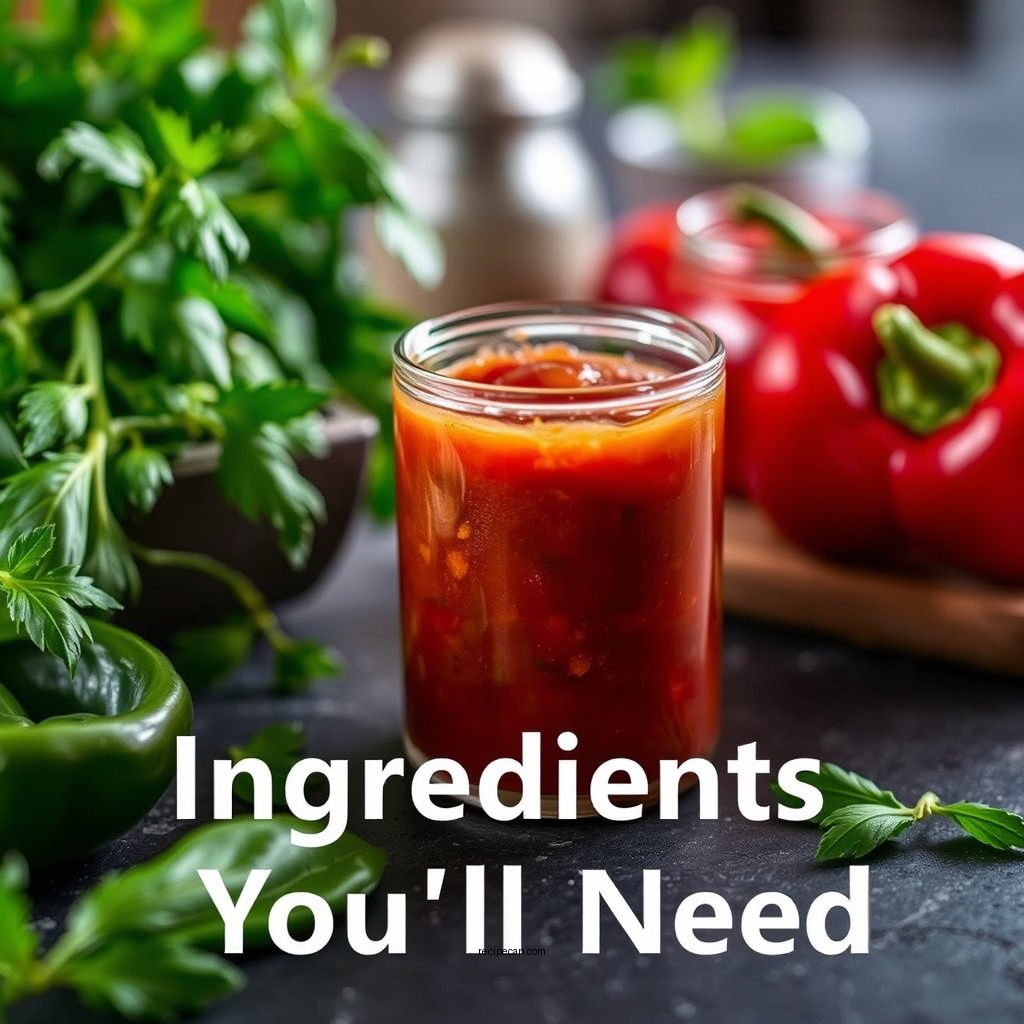
To create a pepper sauce that bursts with flavor, you will need a few essential ingredients. The main components include:
– Fresh Peppers: The type of pepper you choose will significantly influence the sauce’s flavor profile. Bell peppers offer sweetness, while jalapeños or serranos can add heat. Consider using a combination for a balanced flavor.
– Garlic and Onions: These aromatics are crucial for building depth. Garlic gives a pungent, savory note, while onions add sweetness and complexity.
– Spices: Common spices for pepper sauce include cumin, coriander, or black pepper. These spices complement the flavors of the peppers and enhance the overall taste.
– Vinegar or Citrus Juice: Adding acidity is essential for balancing flavors. Options such as white vinegar, apple cider vinegar, or even lime juice can brighten the sauce and add a refreshing tang.
Preparation Steps
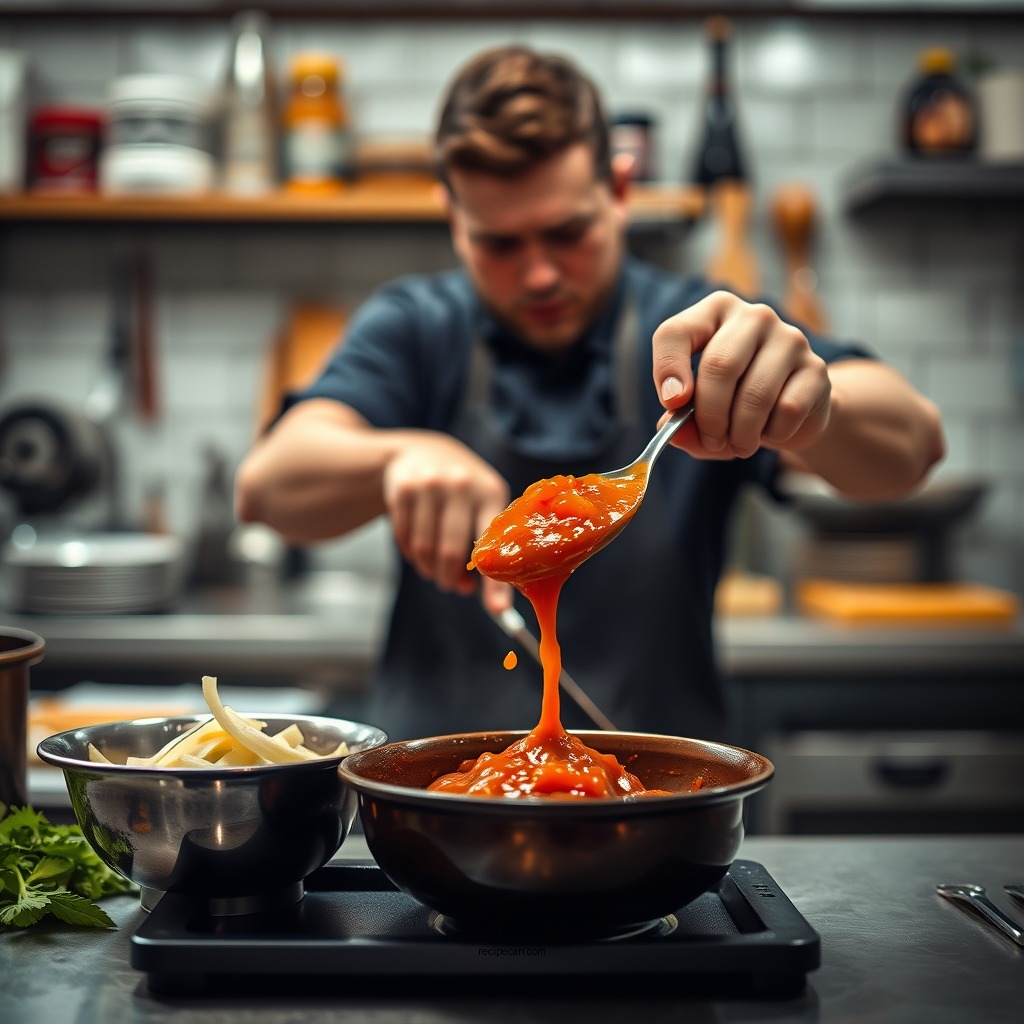
Creating your pepper sauce involves a few straightforward steps:
1. Clean and Chop the Peppers and Other Vegetables: Start by washing your chosen peppers thoroughly. Remove the seeds and stems, then chop them into smaller pieces to facilitate blending. Similarly, chop the onions and garlic.
2. Sauté Garlic and Onions: In a pan, heat a bit of oil over medium heat. Add the chopped onions first, allowing them to soften and develop a sweet flavor. After a few minutes, add the garlic and sauté until fragrant, typically 1-2 minutes. This step enhances the overall taste of the sauce.
3. Combine All Ingredients in a Blender: Transfer the sautéed mixture along with the chopped peppers, spices, and vinegar or citrus juice into a blender. Blend until smooth, adjusting the consistency with water if necessary. Taste the sauce and adjust seasoning as needed.
Cooking Techniques
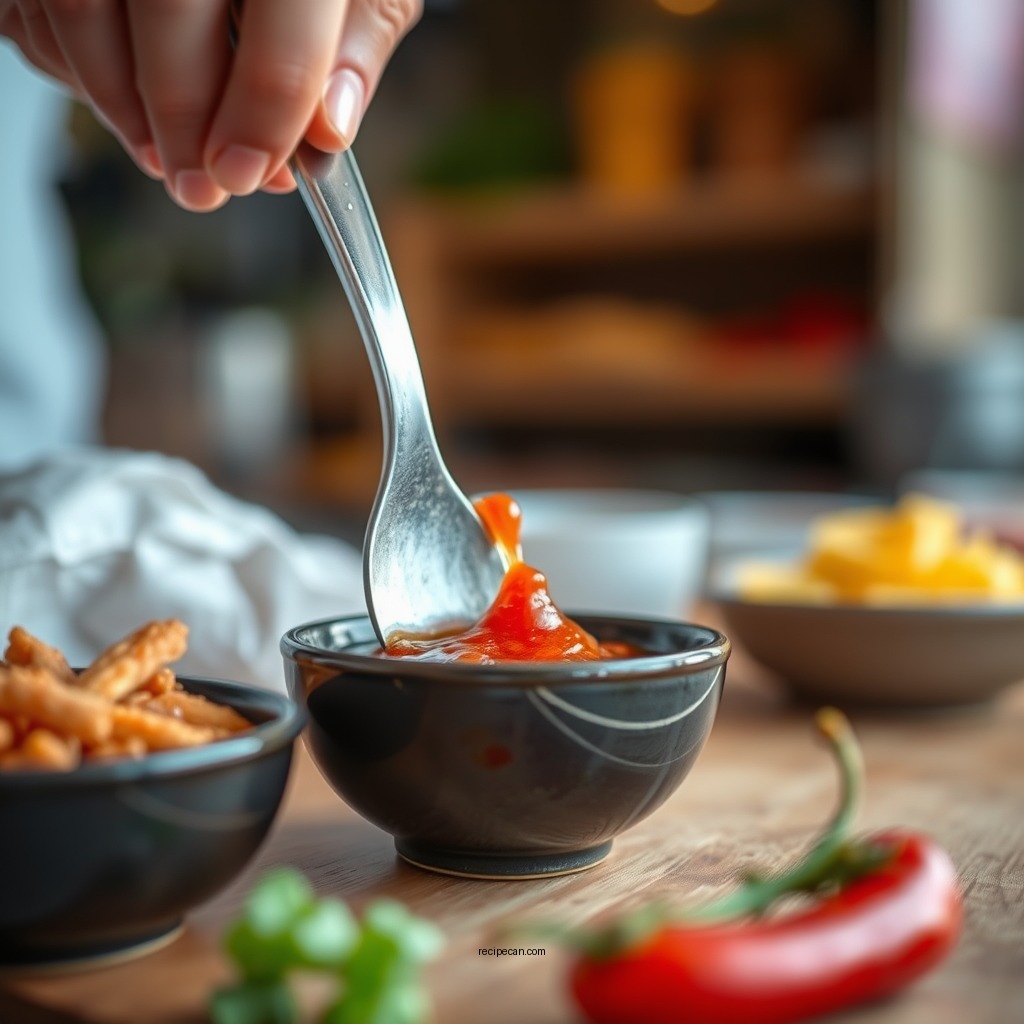
To elevate the flavor of your pepper sauce, consider these cooking techniques:
– Roasting or Grilling Peppers: Roasting or grilling your peppers before blending can add a smoky depth to the sauce. This technique caramelizes the sugars in the peppers, enhancing their natural sweetness and adding complexity. Simply place the peppers on a grill or under the broiler until charred, then peel and blend.
– Simmering the Sauce: After blending, simmering the sauce on low heat for about 10-15 minutes can deepen the flavors. This allows the spices to meld and the sauce to thicken slightly, creating a more robust flavor profile.
Popular Pepper Varieties and Their Heat Levels
| # | Pepper Type | Heat Level (SHU) | Flavor Profile |
|---|---|---|---|
| 1 | Bell Pepper | 0-100 | Sweet and Fruity |
| 2 | Jalapeño | 2,500-8,000 | Fruity and Smoky |
| 3 | Serrano | 3,500-5,000 | Bright and Crisp |
| 4 | Cayenne | 30,000-50,000 | Earthy and Spicy |
| 5 | Habanero | 100,000-350,000 | Fruity and Fiery |
| 6 | Ghost Pepper | 855,000-1,463,700 | Fruity and Intense |
Adjusting Spice Levels
One of the most appealing aspects of homemade pepper sauce is the ability to customize the spice level to suit your palate. Here are some tips:
– Making the Sauce Milder: If you prefer a milder sauce, consider using bell peppers as your base. You can also remove the seeds and membranes from hotter peppers like jalapeños or serranos, as these parts contain most of the heat. Additionally, adding ingredients such as honey or sugar can help balance out the heat.
– Making the Sauce Spicier: To increase the heat, incorporate spicier peppers like habaneros or ghost peppers. You can also adjust the ratio of peppers in your blend, using more hot varieties and less sweet ones. For an extra kick, consider a dash of cayenne pepper or red pepper flakes in the mix.
Storage Methods
Proper storage of your pepper sauce is essential for maintaining its flavor and freshness. Here are some best practices:
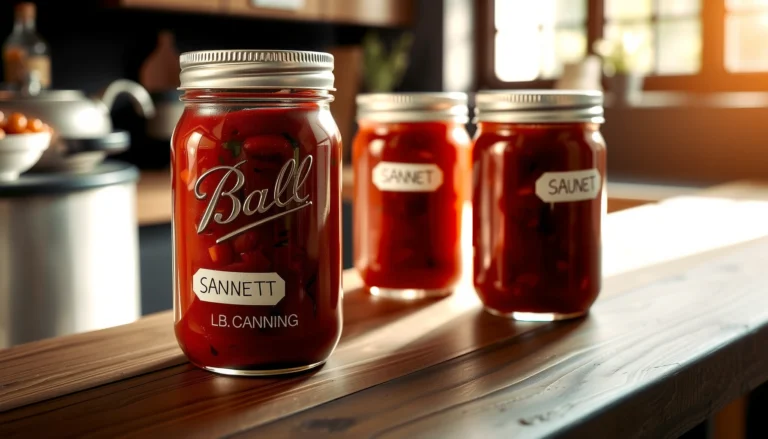
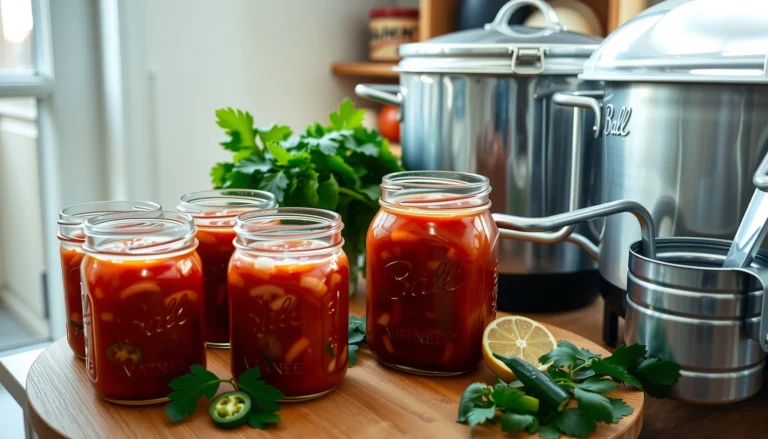
– Refrigeration: Store the pepper sauce in an airtight container in the refrigerator. It can last for up to two weeks without significant loss of flavor. For best results, use a glass jar with a tight lid to prevent any unwanted odors from other foods from influencing the sauce.
– Freezing: If you want to extend the shelf life, consider freezing your pepper sauce. Pour the sauce into ice cube trays and freeze until solid. Once frozen, transfer the cubes to a resealable plastic bag. This allows you to thaw only what you need while keeping the remaining sauce preserved.
Serving Suggestions
Pepper sauce is incredibly versatile, and there are numerous ways to incorporate it into your meals:
– Tacos: Drizzle the sauce over tacos filled with grilled meats, beans, or vegetables for an added punch of flavor.
– Marinades: Use the sauce as a marinade for chicken, fish, or tofu. It enhances the flavor and tenderizes the protein, making for a delicious meal.
– Dressings: Mix the pepper sauce into salad dressings for an exciting twist. Combine it with olive oil, vinegar, and a touch of honey for a zesty dressing.
Pairing suggestions include grilled chicken, shrimp, or roasted vegetables, making it suitable for meat lovers and vegetarians alike.
Troubleshooting Common Issues
Even the best chefs encounter challenges in the kitchen. Here are solutions for common pepper sauce issues:
– Overly Thick Sauce: If your sauce turns out thicker than desired, simply add a bit of water or broth while blending or simmering until you reach your desired consistency.
– Overly Thin Sauce: To thicken a thin sauce, consider simmering it longer to reduce the liquid content. Alternatively, adding a cornstarch slurry (cornstarch mixed with a bit of water) can help thicken the sauce without changing the flavor.
– Balancing Flavors: If your sauce is too salty, adding a bit of sugar or honey can help balance the flavor. If it turns out too acidic, consider adding more peppers or a bit of olive oil to mellow the acidity.
Summarizing the key steps to make an easy pepper sauce, you’ll find it a rewarding and flavorful addition to your meals. Try out the recipe today and experiment with various peppers or spices to customize it to your taste! Don’t forget to share your creations or any tweaks you make to the recipe!
Frequently Asked Questions
What are the basic ingredients needed for a homemade pepper sauce recipe?
A basic homemade pepper sauce recipe typically requires fresh peppers (like jalapeños or habaneros), vinegar, garlic, and salt. You can customize it by adding ingredients like onions, spices, or fruits to enhance the flavor profile. Using high-quality ingredients will result in a more vibrant and flavorful sauce.
How do I make a pepper sauce that’s not too spicy?
To create a pepper sauce that balances heat and flavor, choose milder peppers like bell peppers or poblano peppers as a base and remove the seeds and membranes from spicier varieties. Additionally, adding ingredients like sugar, honey, or more vinegar can help tone down the heat while maintaining a delicious taste.
Why is vinegar important in a pepper sauce recipe?
Vinegar plays a crucial role in a pepper sauce recipe as it not only acts as a preservative but also enhances the flavors of the peppers. The acidity in vinegar helps to balance the heat of the peppers, creating a more complex and enjoyable flavor profile. Additionally, it provides a tangy kick that complements various dishes.
What is the best way to store homemade pepper sauce?
The best way to store homemade pepper sauce is in a clean, airtight glass jar or bottle and keep it refrigerated. Properly stored, it can last for several weeks to months, depending on the ingredients used. Always check for any signs of spoilage before using, and remember that flavors often improve with time.
Which peppers are best for making a flavorful pepper sauce?
The best peppers for making a flavorful pepper sauce include jalapeños, habaneros, serranos, and Fresno peppers, depending on your desired heat level. For a milder sauce, consider using sweet bell peppers or roasted red peppers. Mixing different types can also create a unique flavor profile that enhances your culinary creations.
References
- Sauce
https://en.wikipedia.org/wiki/Sauce - Pepper sauce recipe | Good Food
https://www.bbcgoodfood.com/recipes/pepper-sauce - https://www.nytimes.com/recipes/1019820/black-pepper-sauce
https://www.nytimes.com/recipes/1019820/black-pepper-sauce - https://www.sciencedirect.com/topics/food-science/pepper
https://www.sciencedirect.com/topics/food-science/pepper - https://www.ncbi.nlm.nih.gov/pmc/articles/PMC6521112/
https://www.ncbi.nlm.nih.gov/pmc/articles/PMC6521112/ - https://www.verywellfit.com/what-is-pepper-sauce-5115663
https://www.verywellfit.com/what-is-pepper-sauce-5115663 - 11 Science-Backed Health Benefits of Black Pepper
https://www.healthline.com/nutrition/black-pepper-benefits - Google Scholar Google Scholar
https://scholar.google.com/scholar?q=pepper+sauce+recipe - Google Scholar Google Scholar
https://scholar.google.com/scholar?q=pepper+sauce+ingredients - Google Scholar Google Scholar
https://scholar.google.com/scholar?q=culinary+uses+of+pepper+sauce