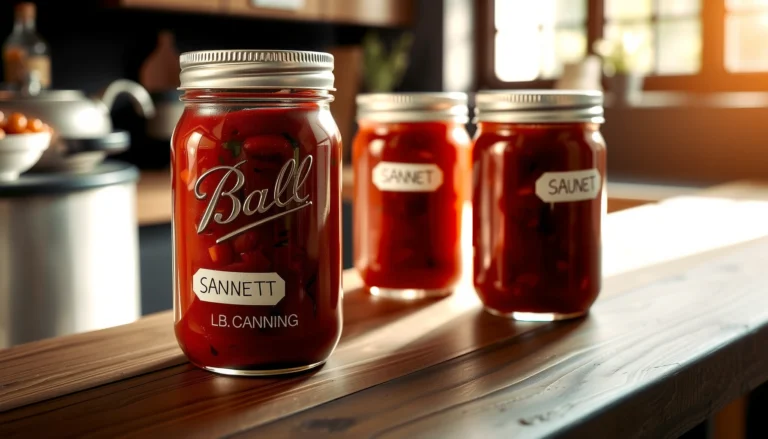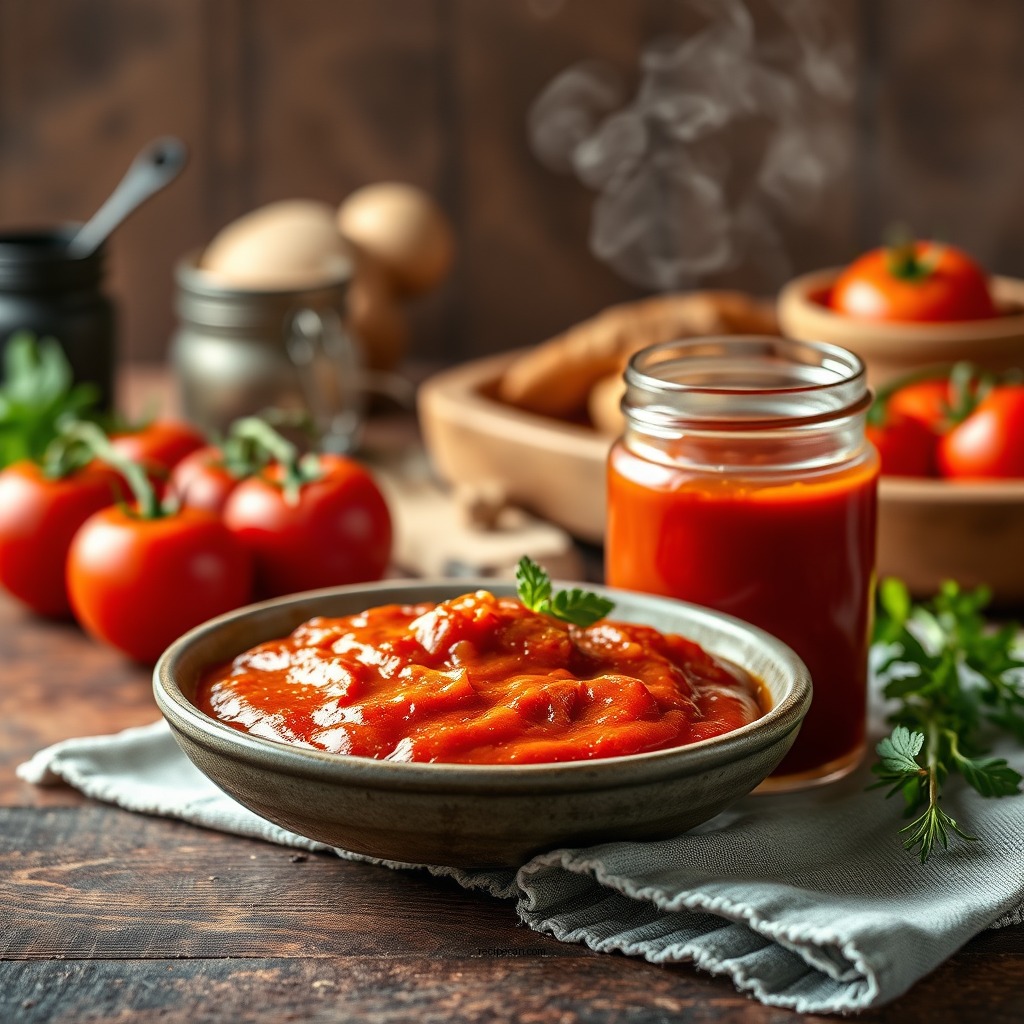
Making fresh tomato sauce is as easy as blending ripe tomatoes with a few key ingredients. In this guide, you’ll learn how to create a flavorful sauce that enhances pasta, pizza, and more, using just simple, fresh ingredients. The versatility and freshness of homemade tomato sauce not only elevate your dishes but also offer a healthier alternative to store-bought varieties. By following this recipe, you can enjoy the rich flavors of ripe tomatoes and aromatic herbs, tailored to your personal taste.
Ingredients You’ll Need
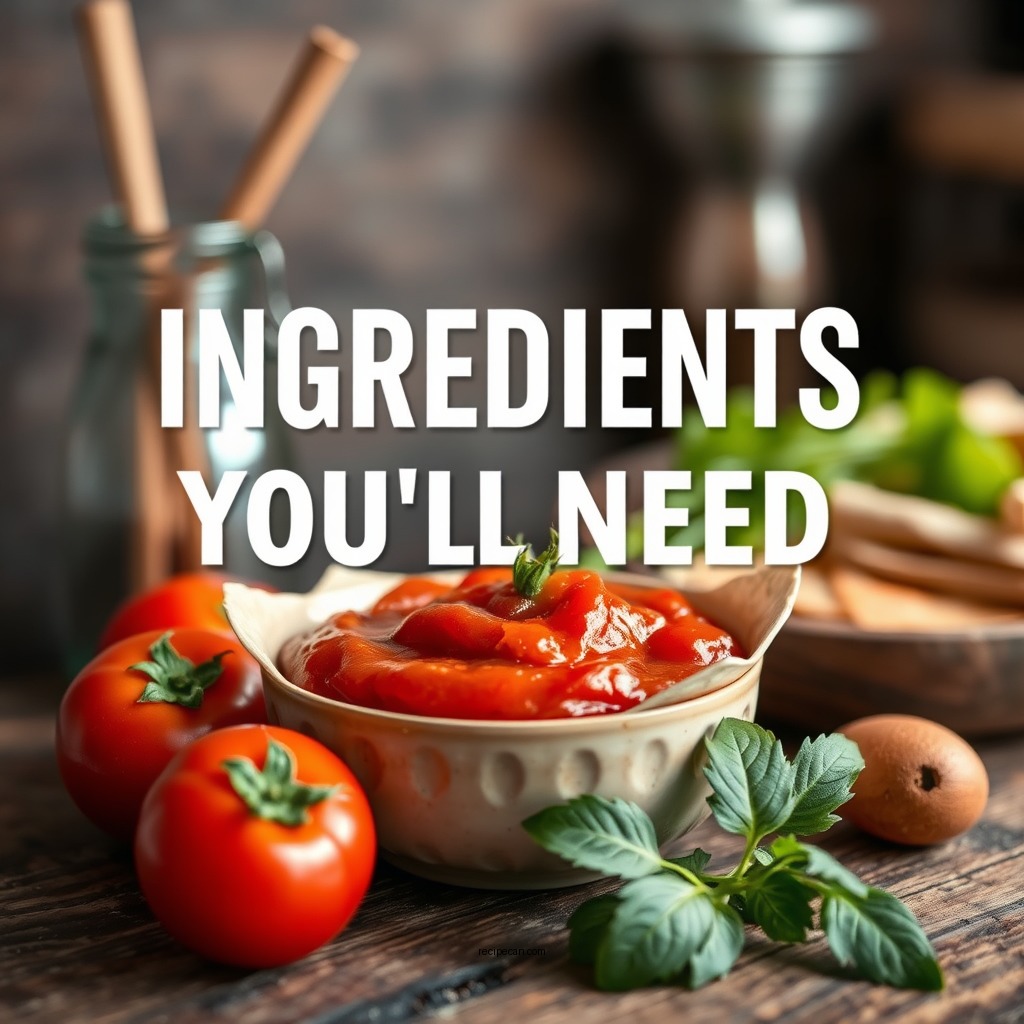
To make a delicious fresh tomato sauce, you’ll need the following key ingredients:
– Ripe Tomatoes: Varieties such as Roma or San Marzano are ideal due to their low moisture content and robust flavor.
– Fresh Herbs: Basil and oregano are traditional choices that add depth and aroma. Fresh herbs significantly enhance the sauce’s flavor profile compared to dried alternatives.
– Olive Oil: A high-quality extra virgin olive oil enriches the sauce, providing a smooth texture and luscious mouthfeel.
– Garlic: Fresh garlic cloves are essential for their aromatic properties, infusing the sauce with a warm, savory essence.
– Salt: Sea salt or kosher salt is necessary for seasoning, helping to elevate the natural flavors of the tomatoes.
Preparing the Tomatoes
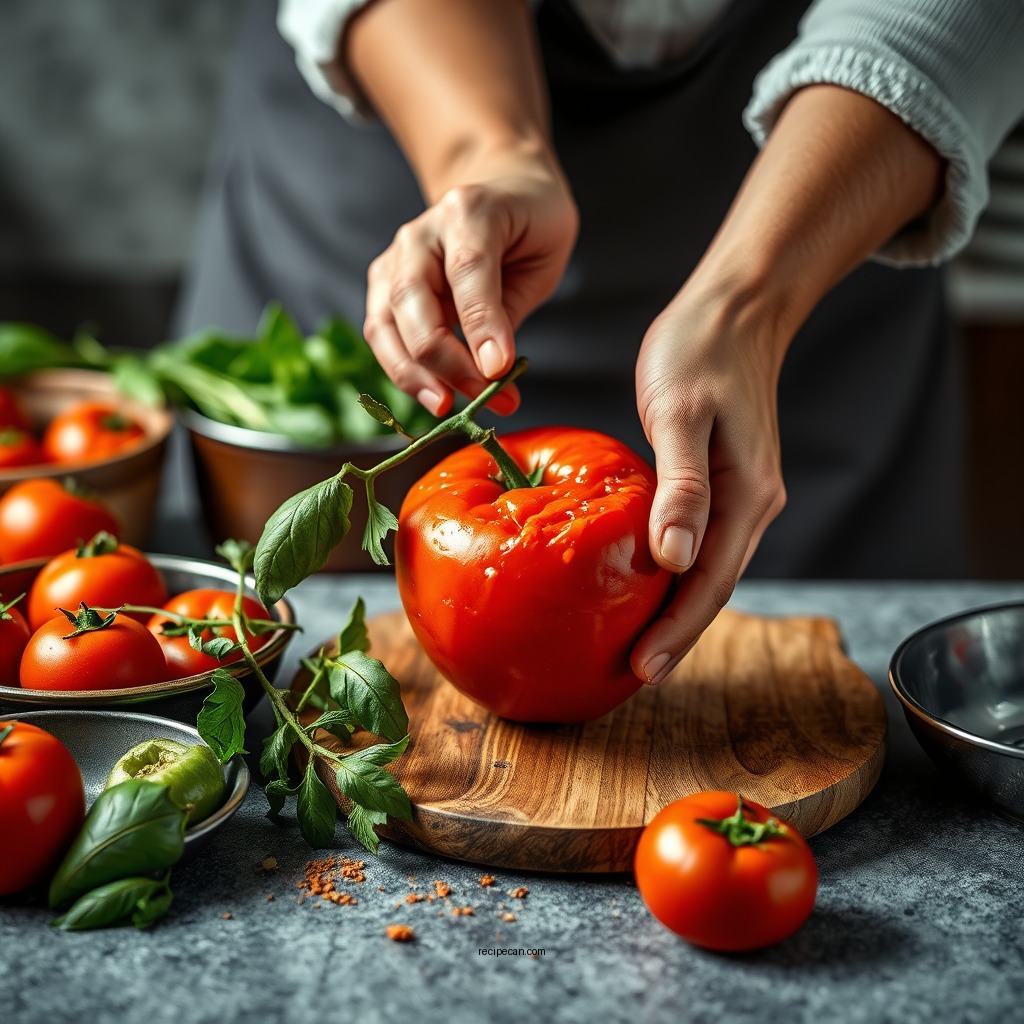
The first step in making a fresh tomato sauce is preparing the tomatoes properly. Here’s how to go about it:
– Blanching: Start by blanching the tomatoes to make peeling easier. Bring a pot of water to a rolling boil and prepare an ice bath. Score the bottoms of the tomatoes with a small “X” using a sharp knife. Submerge them in the boiling water for about 30 seconds, then transfer them immediately to the ice bath. This process will loosen the skins, making them easy to remove.
– Removing Seeds: After peeling, cut the tomatoes in half and gently squeeze out the seeds. Removing the seeds not only improves the texture of the sauce but also prevents excess moisture, resulting in a thicker, richer sauce. Chop the tomatoes into manageable pieces that will break down easily during cooking.
Cooking the Sauce
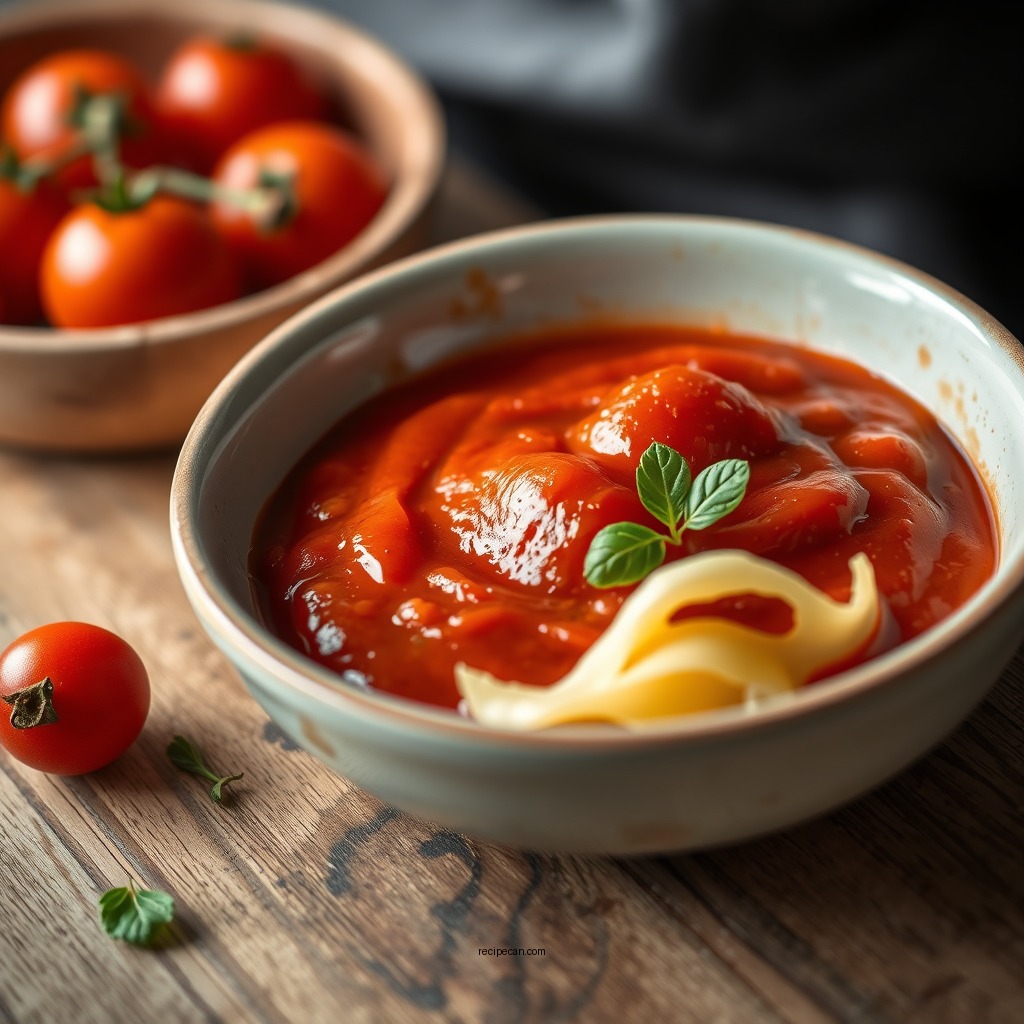
Once you’ve prepared your tomatoes, it’s time to cook your sauce:
– Sautéing the Garlic: In a large saucepan, heat a few tablespoons of olive oil over medium heat. Add minced garlic and sauté until fragrant, which takes about 1-2 minutes. Be careful not to let the garlic burn, as it can impart a bitter flavor.
– Adding Tomatoes and Herbs: Incorporate the chopped tomatoes into the pan along with a handful of fresh basil and oregano. Stir to combine and let the mixture cook down for about 20-30 minutes. This simmering process allows the flavors to meld and the sauce to thicken. Taste and adjust the seasoning with salt as needed.
Top 7 Tomato Varieties for Sauce Making
| # | Variety | Flavor Profile | Best Use | Rating |
|---|---|---|---|---|
| 1 | Roma | Sweet, Rich | Sauces, Soups | ★★★★☆ |
| 2 | San Marzano | Sweet, Low Acidity | Pasta Sauce | ★★★★★ |
| 3 | Beefsteak | Juicy, Meaty | Fresh Dishes | ★★★★☆ |
| 4 | Cherry | Sweet, Tangy | Salads, Snacks | ★★★☆☆ |
| 5 | Plum | Firm, Sweet | Sauces, Canning | ★★★★☆ |
| 6 | Campari | Sweet, Complex | Gourmet Sauces | ★★★☆☆ |
| 7 | Green Zebra | Tangy, Unique | Salads, Salsas | ★★★☆☆ |
Enhancing the Flavor
After your sauce has simmered and thickened, you can enhance its flavor to suit your preferences:
– Balancing Acidity: If your tomatoes are particularly acidic, adding a pinch of sugar can help balance the flavors. This simple adjustment can transform the sauce, making it more palatable and rounded in taste.
– Adding Spice: For those who enjoy a bit of heat, incorporating red pepper flakes can add a spicy kick. Start with a small amount and adjust according to your heat tolerance. Additionally, consider adding freshly cracked black pepper for a subtle warmth.
Storing and Using Your Sauce
Proper storage is essential to maintain the freshness of your homemade tomato sauce:
– Cooling: Allow the sauce to cool at room temperature for about 30 minutes after cooking. This step is crucial to prevent condensation and excess moisture in storage containers.
– Storage Options: Transfer the cooled sauce into airtight containers. It can be stored in the refrigerator for up to one week or frozen for longer shelf life. When freezing, consider using freezer bags to save space and make thawing easier. Label each container with the date to keep track of freshness.
Serving Suggestions
Your homemade tomato sauce is a versatile component in numerous dishes:
– Pasta Pairing: Toss it with your favorite pasta for a quick weeknight dinner. Whether you prefer spaghetti, penne, or fettuccine, the sauce will adhere beautifully, creating a satisfying meal.
– Pizza Base: Use it as a base for homemade pizza. The rich flavors of the sauce complement the toppings beautifully, making for a delicious homemade pizza experience.
– Dipping Sauce: Serve it as a dipping sauce for breadsticks or garlic bread. Its robust flavor enhances the enjoyment of these appetizers, making them a crowd-pleaser.
Tomato Sauce Preparation Time vs. Complexity
Variations to Try
Once you master the basic tomato sauce recipe, consider experimenting with variations:
– Vegetable Additions: Incorporate finely chopped vegetables such as bell peppers, onions, or carrots for added flavor and nutrition. Sauté these vegetables with the garlic before adding the tomatoes to develop a deeper flavor base.
– Roasting Tomatoes: For a richer, sweeter flavor, try roasting the tomatoes beforehand. This method caramelizes the sugars in the tomatoes, creating a more complex and flavorful sauce. Simply cut the tomatoes in half, drizzle with olive oil, sprinkle with salt, and roast at 400°F (200°C) for about 25-30 minutes before blending into your sauce.
Fresh tomato sauce is a versatile and delicious addition to your culinary repertoire. With these simple steps, you can easily whip up a batch at home, perfect for any meal. Don’t forget to experiment with your ingredients and find the combination that best suits your taste! Whether you enjoy it over pasta or as a pizza base, this homemade sauce brings the essence of fresh tomatoes right to your kitchen.
Frequently Asked Questions
What are the essential ingredients for a fresh tomato sauce recipe?
The essential ingredients for a fresh tomato sauce recipe include ripe tomatoes, garlic, olive oil, salt, and fresh basil. You can also add onions and a pinch of sugar to balance the acidity of the tomatoes. Using high-quality, in-season tomatoes will significantly enhance the flavor of your sauce.
How do I prepare fresh tomatoes for making sauce?
To prepare fresh tomatoes for making sauce, start by blanching them in boiling water for about 30 seconds, then transfer them to an ice bath to cool. This process makes it easy to peel off the skin. After peeling, chop the tomatoes and remove any excess seeds before cooking to achieve a smoother sauce.
Why is it important to use fresh tomatoes instead of canned for sauce?
Using fresh tomatoes instead of canned ones is important because fresh tomatoes offer superior flavor, vibrant color, and a fresher aroma in your sauce. While canned tomatoes are convenient, they can sometimes have added preservatives and sugars, which may alter the taste. Fresh tomatoes, especially when in season, provide a more authentic and delicious homemade sauce experience.
What is the best cooking method for making fresh tomato sauce?
The best cooking method for making fresh tomato sauce is to sauté garlic and onions in olive oil until fragrant, then add the chopped tomatoes and let them simmer. This method allows the flavors to meld beautifully while the sauce thickens. Cooking on low heat for at least 30 minutes helps develop a rich, complex flavor.
Which herbs and spices work best in a fresh tomato sauce?
The best herbs and spices for a fresh tomato sauce include fresh basil, oregano, and a pinch of red pepper flakes for a bit of heat. You can also experiment with thyme and parsley for additional depth. Fresh herbs should be added towards the end of cooking to preserve their flavor, while dried herbs can be added earlier to infuse the sauce with their essence.
References
- Tomato sauce
https://en.wikipedia.org/wiki/Tomato_sauce - Torta Sbrisolona Recipe
https://www.nytimes.com/recipes/1019006/fresh-tomato-sauce.html - https://www.foodnetwork.com/recipes/fresh-tomato-sauce-recipe-1945884
https://www.foodnetwork.com/recipes/fresh-tomato-sauce-recipe-1945884 - https://www.sciencedirect.com/topics/agricultural-and-biological-sciences/tomato-sauce
https://www.sciencedirect.com/topics/agricultural-and-biological-sciences/tomato-sauce - Alcohol: Does it affect blood pressure? – Mayo Clinic
https://www.mayoclinic.org/healthy-lifestyle/nutrition-and-healthy-eating/expert-answers/tomato-sauce/faq-20058254 - https://www.britannica.com/topic/tomato-sauce
https://www.britannica.com/topic/tomato-sauce - Google Scholar Google Scholar
https://scholar.google.com/scholar?q=fresh+tomato+sauce+recipe - Google Scholar Google Scholar
https://scholar.google.com/scholar?q=tomato+sauce+nutritional+benefits - Google Scholar Google Scholar
https://scholar.google.com/scholar?q=homemade+tomato+sauce+health+benefits - fresh tomato sauce recipe – Search results
https://en.wikipedia.org/wiki/Special:Search?search=fresh+tomato+sauce+recipe