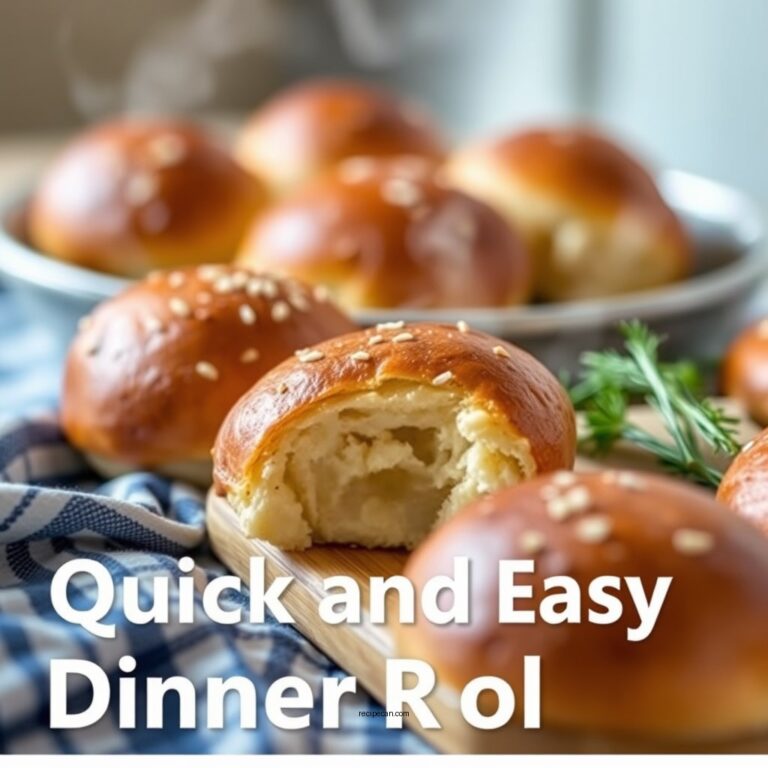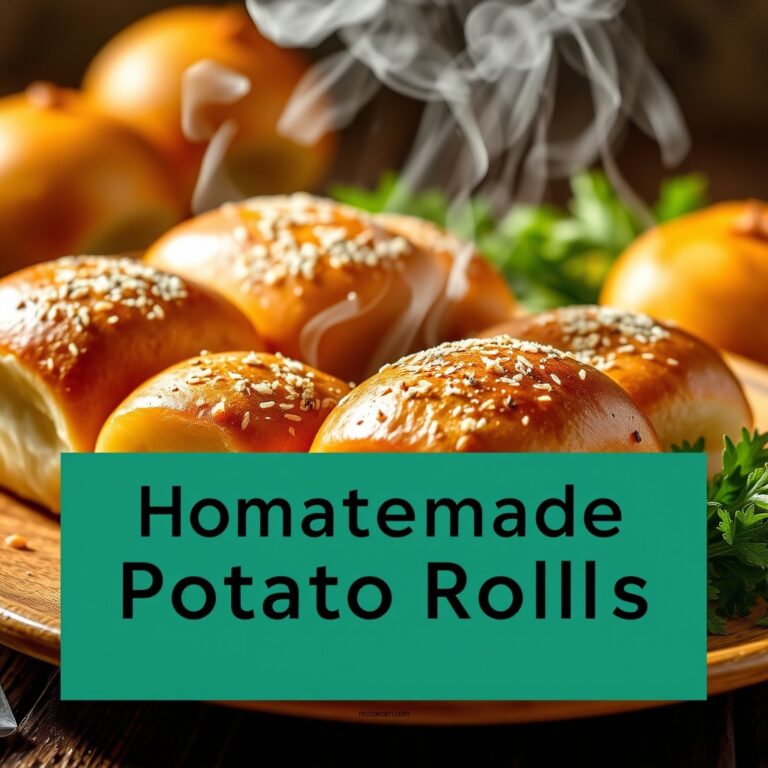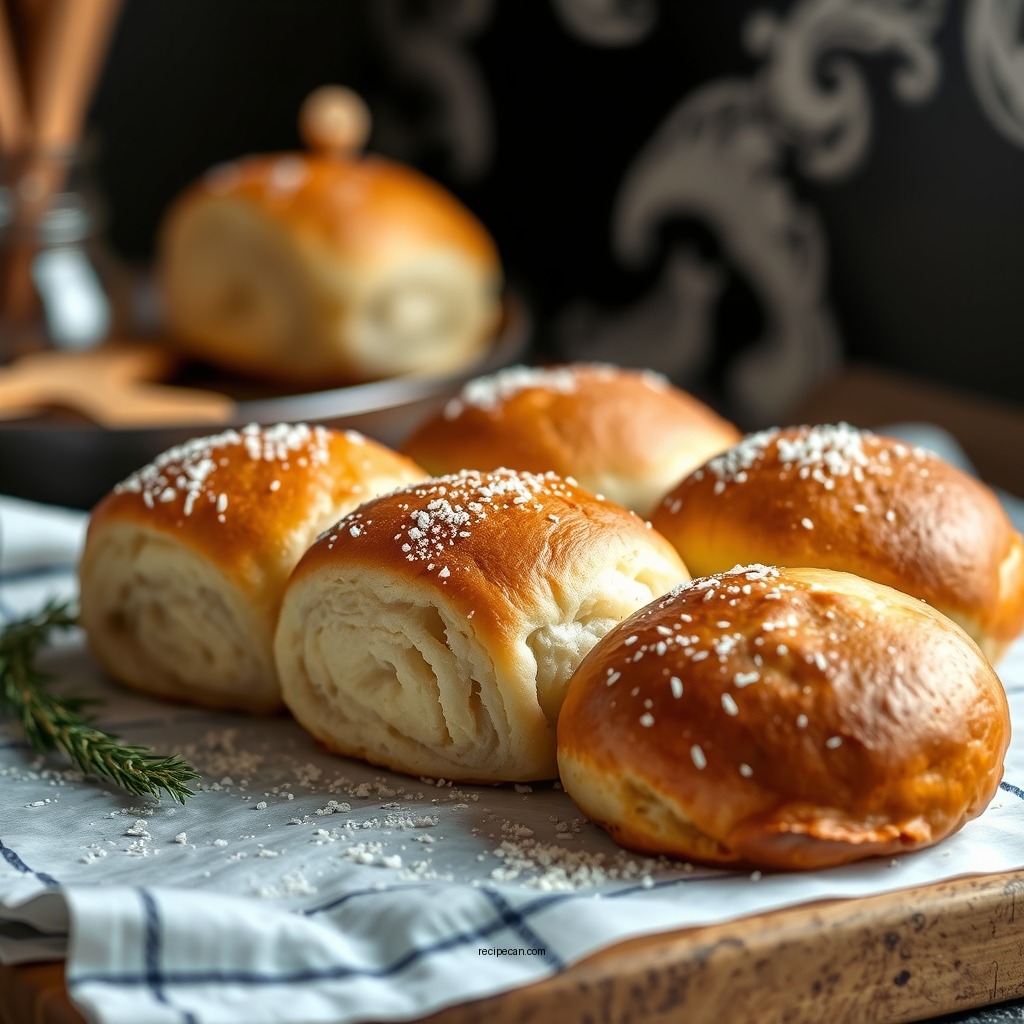
Making Parker rolls is simple, and with the right recipe, you can achieve fluffy, golden-brown rolls that will be the star of any meal. The secret lies in the combination of high-quality ingredients and proper technique. In this article, you’ll learn the essential ingredients, step-by-step instructions, and tips for perfecting your Parker rolls at home, ensuring that they are soft, flavorful, and irresistible.
Essential Ingredients for Parker Rolls
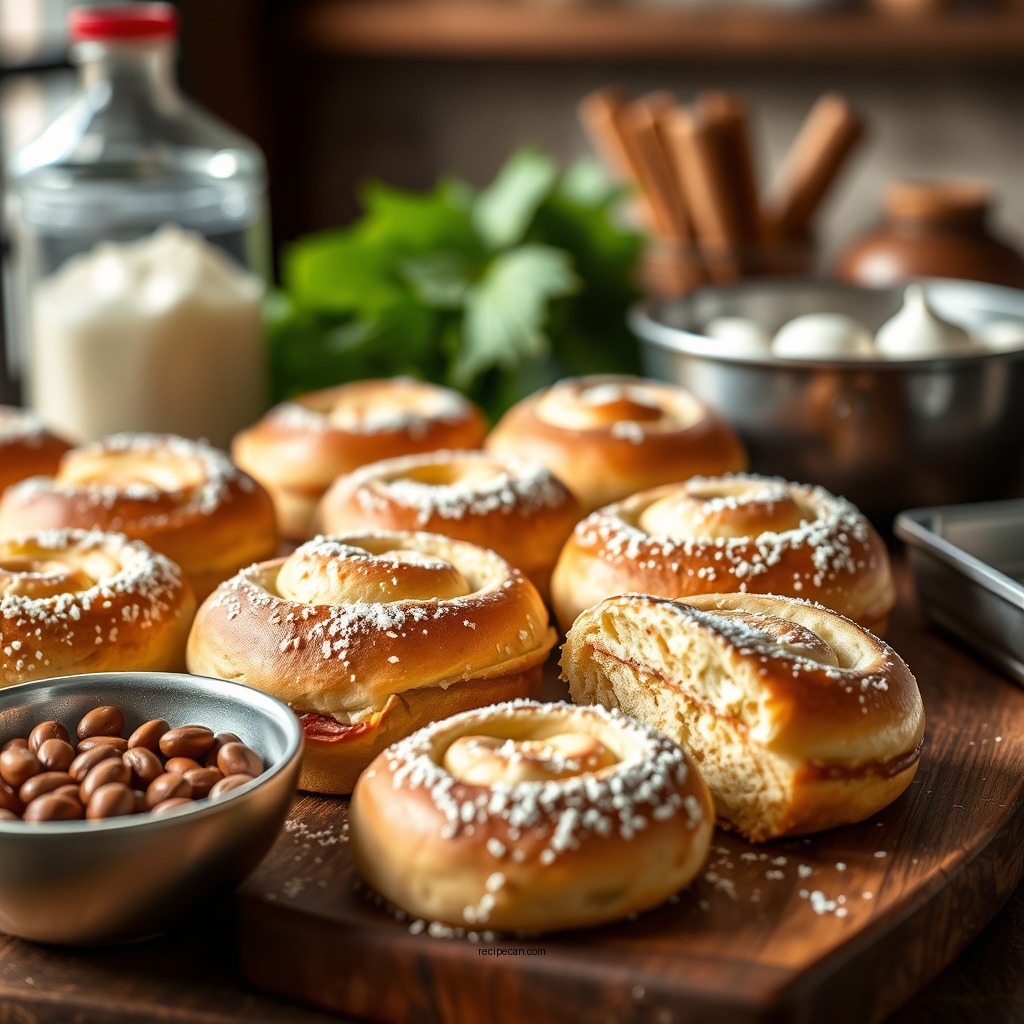
To create the perfect Parker rolls, it is crucial to use the right ingredients. Here’s a rundown of what you will need:
– All-purpose flour: This versatile flour serves as the base ingredient, providing the necessary structure and texture for the rolls. It contains a balanced amount of protein, which helps develop gluten, crucial for achieving that fluffy quality.
– Yeast: Fresh yeast is essential for leavening the dough. It ferments the sugars present in the flour, producing carbon dioxide that causes the dough to rise. Active dry yeast or instant yeast can be used, but ensure that your yeast is fresh for optimal results.
– Milk: Using whole milk adds richness, moisture, and flavor to the dough. The fats in milk help create a tender crumb, while also enhancing the overall taste of the rolls.
– Sugar: A small amount of sugar feeds the yeast during fermentation and adds a hint of sweetness to balance the savory notes.
– Butter: Melted butter contributes to the rolls’ richness and adds a delightful flavor. It also helps to create a tender texture.
– Salt: Salt is necessary to enhance flavor and control yeast activity, preventing it from growing too quickly.
Step-by-Step Preparation Instructions
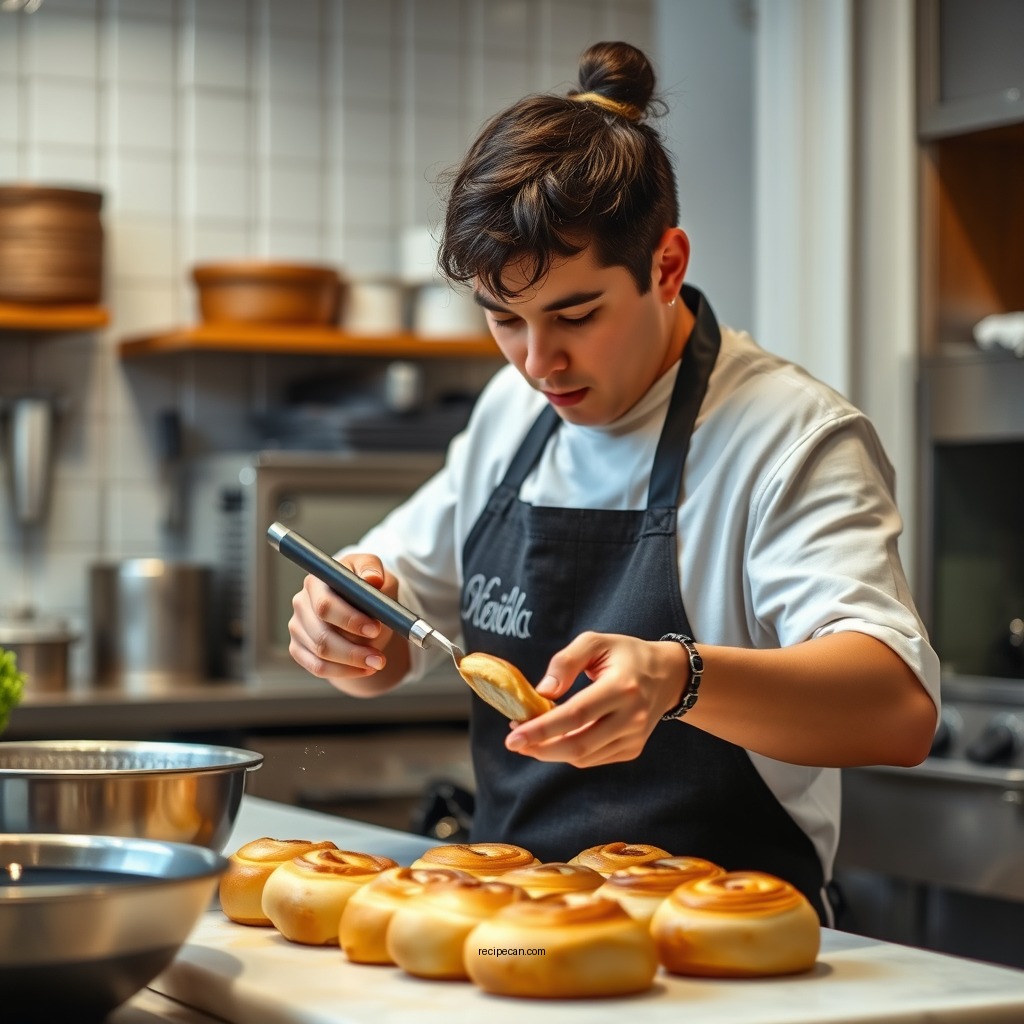
1. Mixing the dough: In a large mixing bowl, combine 4 cups of all-purpose flour, 2 ¼ teaspoons of yeast, 2 tablespoons of sugar, and 1 teaspoon of salt. Gradually add 1 cup of warm milk (around 110°F) and ½ cup of melted butter. Stir until a sticky dough forms.
2. Kneading: Transfer the dough onto a floured surface. Knead the dough for about 8-10 minutes until it is smooth and elastic. This process develops the gluten, which is essential for the texture of the rolls.
3. First rise: Place the dough in a greased bowl, cover it with a clean kitchen towel or plastic wrap, and let it rise in a warm place until it doubles in size, approximately 1 to 1.5 hours. This step allows the dough to ferment, enhancing the flavor and texture of the rolls.
Shaping the Rolls
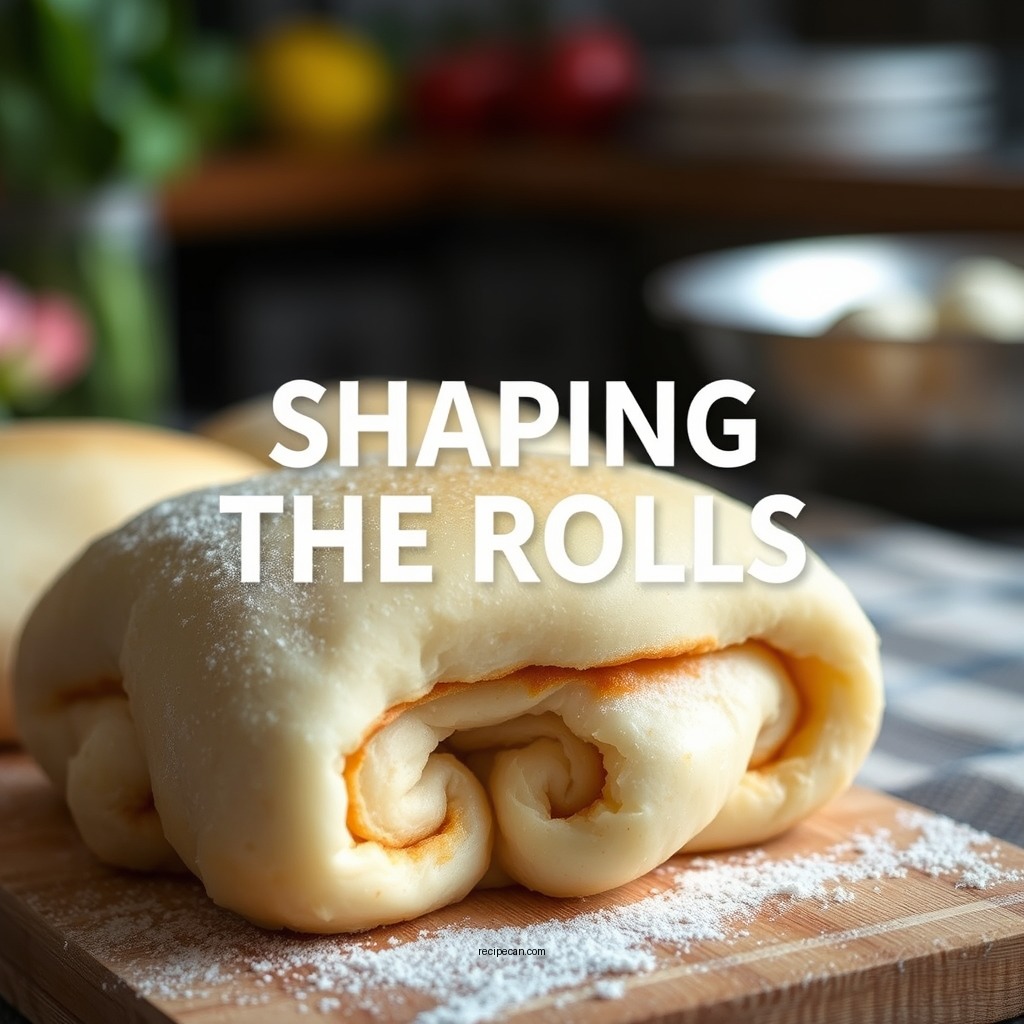
1. Portioning: Once the dough has risen, punch it down to release excess air. Divide the dough into 12 equal pieces for consistent baking. Each piece should weigh about 2 ounces.
2. Forming: Shape each piece into a smooth ball. You can make them round or oval by tucking the ends underneath to create a tight surface. The smoother the surface, the better the rolls will rise.
3. Second rise: Place the shaped rolls in a greased baking dish, ensuring they are close but not touching. Cover them again and let them rise for another 30-45 minutes. This second rise is crucial for achieving the desired fluffiness.
Top 7 Ingredients for Parker Rolls
| # | Ingredient | Purpose | Quantity |
|---|---|---|---|
| 1 | All-purpose flour | Structure | 4 cups |
| 2 | Yeast | Leavening | 2 ¼ tsp |
| 3 | Milk | Moisture | 1 cup |
| 4 | Sugar | Flavor | 2 tbsp |
| 5 | Butter | Richness | ½ cup |
| 6 | Salt | Flavor | 1 tsp |
Baking the Parker Rolls
1. Preheating the oven: Once the rolls have risen, preheat your oven to 375°F (190°C). This temperature is ideal for baking the rolls evenly, allowing them to develop a golden-brown crust while remaining soft inside.
2. Baking time: Bake the rolls in the preheated oven for approximately 20-25 minutes, or until they are golden brown and sound hollow when tapped on the bottom. Baking times may vary depending on your oven, so keep an eye on them.
3. Buttering tops: After removing the rolls from the oven, brush the tops with melted butter. This not only adds flavor but also gives the rolls a beautiful shine.
Baking Time Comparison for Various Rolls
Tips for Perfect Parker Rolls
– Use fresh yeast: Always check the expiration date on your yeast. Fresh yeast ensures a good rise and fluffy texture. If using dry yeast, proof it with warm water and sugar to confirm its activity.
– Don’t rush the rising: Allow adequate time for both the first and second rises. A slower rise develops better flavor and texture, resulting in rolls that are light and airy.
– Experiment with flavors: You can add herbs, garlic powder, or cheese to the dough for a unique twist. For instance, incorporating rosemary or thyme can give your rolls a delightful aromatic flavor.
– Use the right temperature: Yeast thrives in warm environments. If your kitchen is too cool, consider placing the dough in a slightly warmed oven (turned off) or near a heat source to encourage rising.
Serving Suggestions
– Pairing: Parker rolls are incredibly versatile. Serve them warm with butter, honey, or as a delightful side for soups, stews, or holiday meals. They are also perfect for mopping up gravies or sauces.
– Storing: To keep leftover rolls fresh, store them in an airtight container at room temperature for up to 3 days. For longer storage, consider freezing them. Simply thaw at room temperature and reheat in the oven before serving.
Making Parker rolls at home is an enjoyable and rewarding experience that results in delicious, fluffy bread. By following the outlined steps and tips, you’ll create rolls that impress family and friends alike. Don’t hesitate to try this recipe and elevate your next meal! Whether for a festive gathering or a cozy family dinner, these rolls are sure to impress.
Frequently Asked Questions
What are the key ingredients in a traditional parker rolls recipe?
A traditional parker rolls recipe typically includes all-purpose flour, yeast, milk, sugar, butter, and eggs. These ingredients come together to create a soft and fluffy roll that is slightly sweet and perfect for any meal. Variations may include adding herbs or spices for additional flavor.
How do you achieve the perfect texture in parker rolls?
To achieve the perfect texture in parker rolls, it’s essential to knead the dough until it becomes smooth and elastic, which usually takes about 10 minutes. Additionally, allowing the dough to rise in a warm environment for the recommended time helps develop the gluten structure, resulting in light and airy rolls.
Why are my parker rolls not rising properly?
If your parker rolls are not rising properly, it could be due to expired yeast or incorrect water temperature when activating the yeast. Additionally, ensure that the dough is placed in a warm, draft-free environment for the rising period, as this is crucial for proper fermentation and rise.
What is the best way to store leftover parker rolls?
The best way to store leftover parker rolls is to place them in an airtight container at room temperature for up to two days. For longer storage, wrap them tightly in plastic wrap and freeze them. When ready to eat, simply thaw and warm them in the oven for a fresh taste.
Which variations of parker rolls can I try for a unique twist?
You can try various variations of parker rolls to add a unique twist, such as incorporating herbs like rosemary or garlic for a savory flavor, or adding cheese for richness. Additionally, using whole wheat flour or adding seeds can create a different texture and nutritional profile while still maintaining the classic softness of the rolls.
References
- https://en.wikipedia.org/wiki/Parker_house_rolls
https://en.wikipedia.org/wiki/Parker_house_rolls - https://www.britannica.com/topic/Parker-house-roll
https://www.britannica.com/topic/Parker-house-roll - Google Scholar Google Scholar
https://scholar.google.com/scholar?q=Parker+rolls+recipe - Google Scholar Google Scholar
https://scholar.google.com/scholar?q=Parker+house+rolls - https://www.ncbi.nlm.nih.gov/pmc/articles/PMC1105933/
https://www.ncbi.nlm.nih.gov/pmc/articles/PMC1105933/ - https://www.jstor.org/stable/10.5325/jfamm.1.1.0018
https://www.jstor.org/stable/10.5325/jfamm.1.1.0018 - Google Scholar Google Scholar
https://scholar.google.com/scholar?q=Parker+rolls+history - https://www.foodtimeline.org/foodbreads.html
https://www.foodtimeline.org/foodbreads.html - Google Scholar Google Scholar
https://scholar.google.com/scholar?q=parker+rolls+recipe - parker rolls recipe – Search results
https://en.wikipedia.org/wiki/Special:Search?search=parker+rolls+recipe