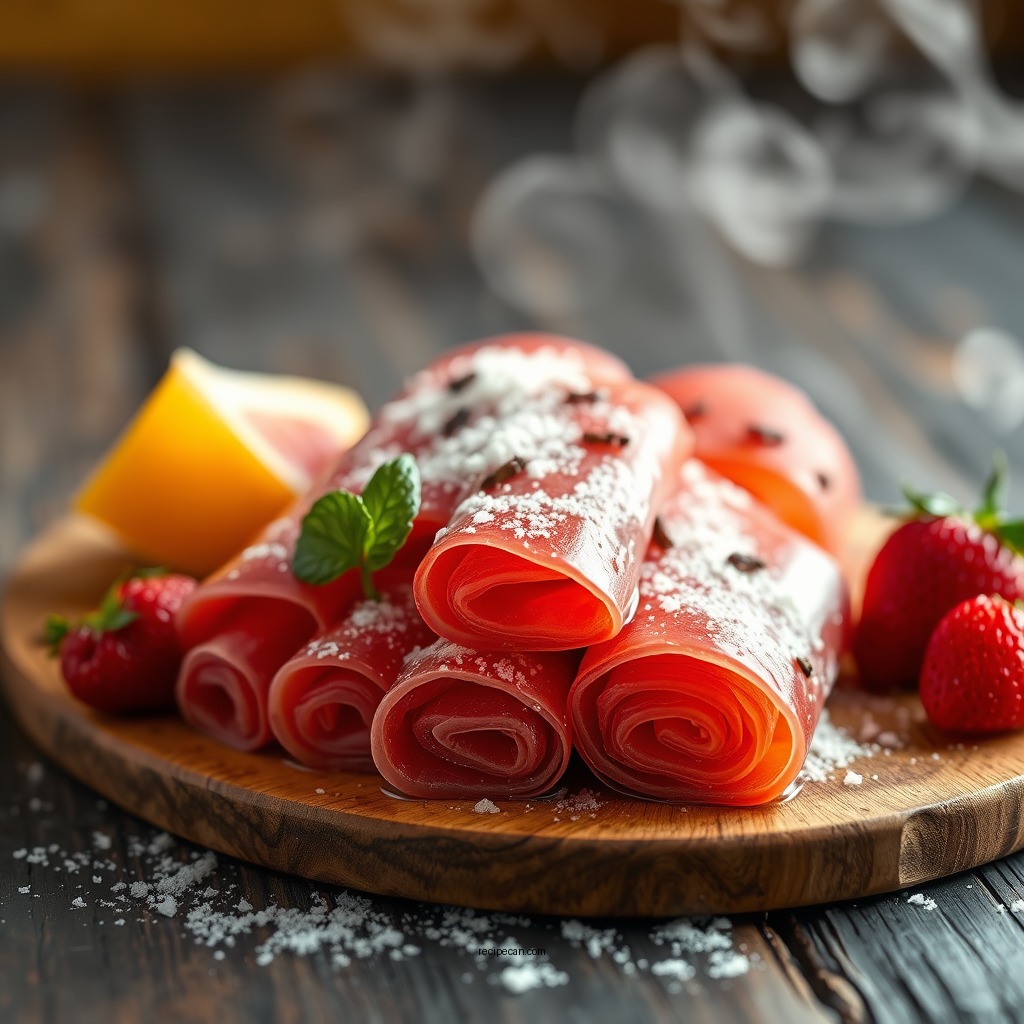
Making fruit roll ups at home is simple and fun, allowing you to enjoy a tasty and healthy snack without the preservatives found in store-bought options. This guide will walk you through the process of creating your own delicious fruit roll ups using fresh fruit and a few easy steps, ensuring a nutritious treat that can be customized to your liking.
Essential Ingredients for Fruit Roll Ups
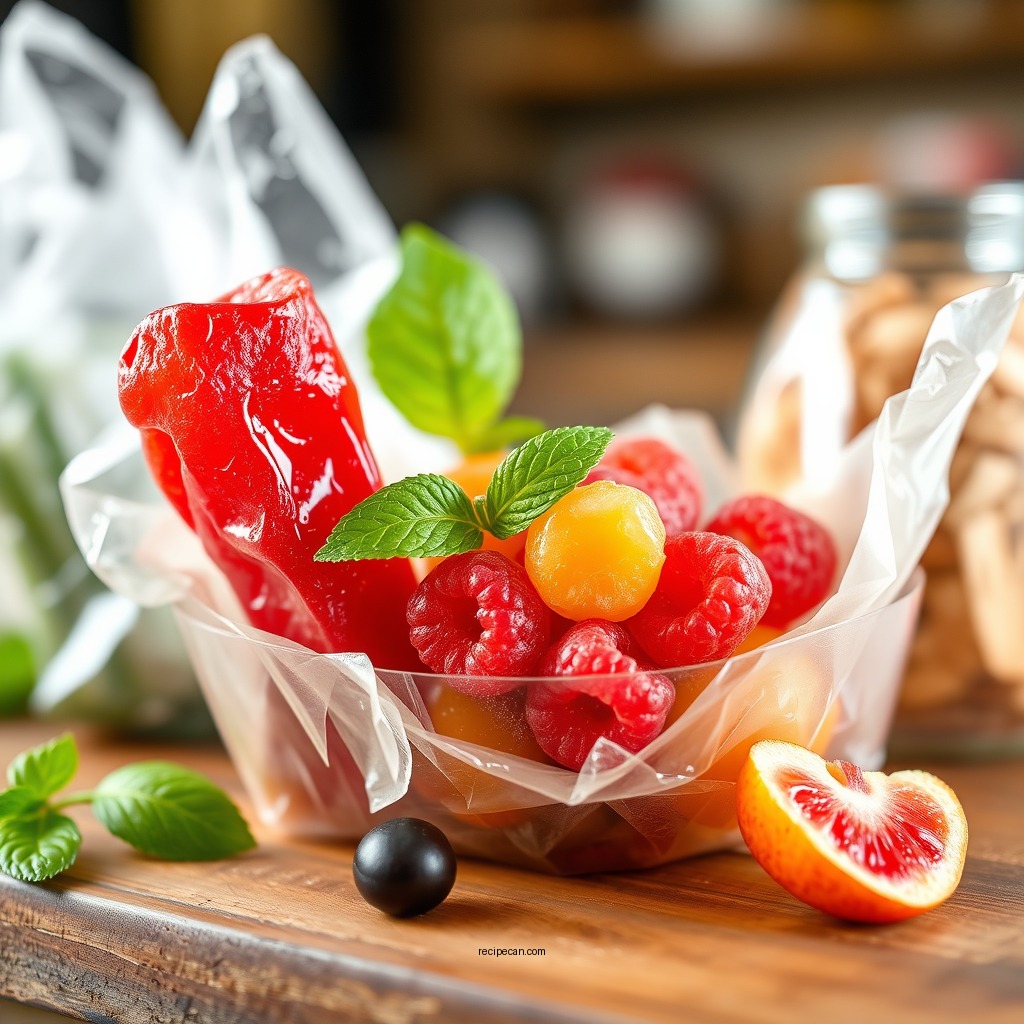
To create mouthwatering fruit roll ups, you will need just a few essential ingredients:
– Fresh or frozen fruit: The star of the show! Choose fruits like strawberries, mangoes, apples, or any of your preferred fruits. The fresher the fruit, the richer the flavor.
– Sweetener (optional): While many fruits are naturally sweet, you may want to enhance their flavor with a sweetener. Options include honey, maple syrup, or granulated sugar, depending on your dietary preferences and taste preferences.
– Lemon juice: A small amount of lemon juice not only helps preserve the vibrant color of your fruit roll ups but also adds a zesty flavor that complements the sweetness.
These ingredients are easy to find and can be adjusted based on what you have at home.
Preparing the Fruit Mixture
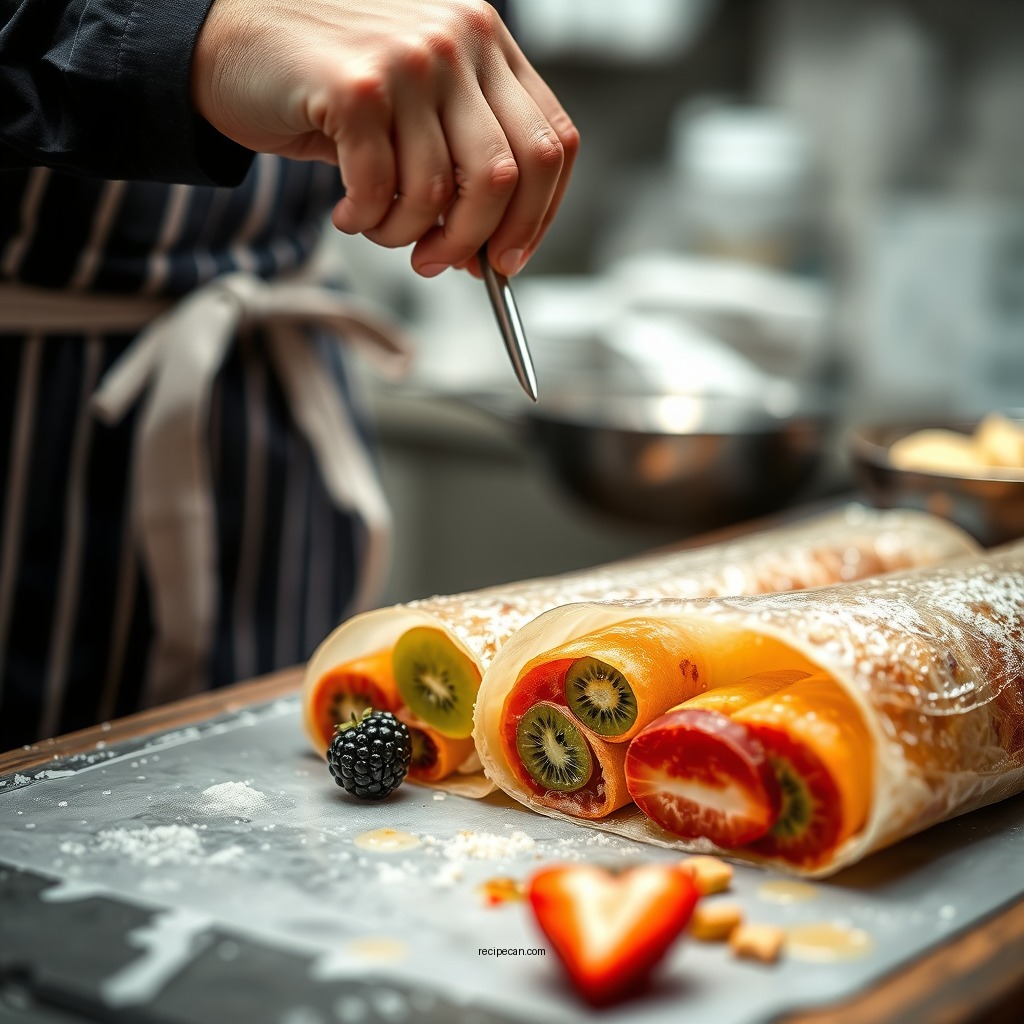
The preparation of the fruit mixture is a delightful process that sets the stage for your roll ups. Here are the steps to follow:
– Wash and chop: Begin by washing your chosen fruits thoroughly to remove any dirt or pesticides. Chop them into smaller pieces to facilitate blending. For instance, if you’re using strawberries, remove the stems and cut them in half.
– Blend until smooth: Transfer your chopped fruit into a blender or food processor. Blend until you achieve a smooth and creamy texture. This might take a minute or two, and you may need to pause to scrape down the sides to ensure all pieces are incorporated.
– Adjust sweetness: After blending, taste the mixture. If you find it needs a little extra sweetness, add your chosen sweetener gradually, blending again to incorporate it fully. Remember that the sweetness will intensify slightly during the drying process.
Dehydrating Options: Oven vs. Dehydrator
Once your fruit mixture is ready, it’s time to dehydrate it. You can opt for either an oven or a dehydrator, depending on what you have available.
– Oven method: Preheat your oven to a low temperature, around 140°F (60°C). Line a baking sheet with parchment paper and spread the fruit mixture evenly across the sheet, ensuring it’s about 1/8 inch thick. Bake for 6-8 hours, checking periodically for doneness. The roll up is ready when it feels dry and pliable, not sticky.
– Dehydrator method: If you have a dehydrator, this method is often more efficient. Pour the fruit mixture onto the dehydrator trays, spreading it evenly. Set the dehydrator to approximately 135°F (57°C) and let it run for 6-10 hours. Again, check for doneness regularly.
📋 MANDATORY DATA TABLE
Top 7 Fruits for Homemade Fruit Roll Ups
| # | Fruit | Natural Sweetness (Brix Scale) | Fiber Content (g per 100g) | Vitamin C (mg per 100g) |
|---|---|---|---|---|
| 1 | Strawberries | 7.0 | 2.0 | 58.8 |
| 2 | Mangoes | 14.0 | 1.6 | 36.4 |
| 3 | Apples | 10.0 | 2.4 | 4.6 |
| 4 | Bananas | 12.0 | 2.6 | 8.7 |
| 5 | Pineapples | 10.0 | 1.4 | 47.8 |
| 6 | Blackberries | 10.5 | 5.3 | 21.0 |
| 7 | Raspberries | 8.0 | 6.5 | 26.2 |
📈 MANDATORY BAR CHART
Top Fruits by Vitamin C Content (mg per 100g)
Cutting and Storing the Fruit Roll Ups
After your fruit roll ups have been fully dehydrated, it’s essential to handle them properly for optimal storage:
– Cool down: Allow the fruit roll ups to cool completely after removing them from the oven or dehydrator. This step is crucial, as it prevents moisture from being trapped in the roll ups, which could lead to spoilage.
– Cutting method: Use clean scissors or a sharp knife to cut the fruit leather into strips or your desired shapes. You can make them as wide or narrow as you like, depending on your preference or how you plan to use them.
– Storage tips: To maintain freshness, roll the fruit strips in parchment paper and store them in an airtight container. Proper storage can keep your homemade fruit roll ups tasty for weeks!
Flavor Variations to Try
Homemade fruit roll ups offer endless possibilities for flavor combinations. Here are a few variations to inspire your creativity:
– Mixed berry: Combine blueberries, raspberries, and strawberries for a vibrant and tangy blend that packs a flavor punch.
– Tropical twist: Use a combination of pineapple, mango, and shredded coconut for a refreshing, island-inspired treat that transports you to the beach.
– Spiced apple: Add a pinch of cinnamon or nutmeg to apple puree for a warm, cozy flavor reminiscent of autumn.
Feel free to mix and match to create your signature roll up!
Tips for Success
To ensure your fruit roll ups turn out perfectly every time, consider these tips:
– Use ripe fruit: The riper the fruit, the sweeter and more flavorful your roll ups will be. Overripe fruits are often ideal for this purpose.
– Check for doneness: Properly dehydrated fruit roll ups should be pliable and not sticky. If they stick to your fingers, they likely need more drying time.
– Experiment: Don’t hesitate to try different fruit combinations or add-ins, such as chia seeds for added texture, or even a splash of vanilla extract for a unique twist.
Creating your own fruit roll ups at home can be an enjoyable and rewarding experience.
Summarizing my experience, making fruit roll ups from scratch allows you to control the ingredients, ensuring a healthier alternative to store-bought versions loaded with preservatives and added sugars. The process is straightforward and customizable, making it a delightful activity for the whole family. I encourage you to try this recipe yourself; share your creations and variations with friends and family, and enjoy the satisfaction of a homemade treat!
Frequently Asked Questions
What ingredients do I need for a homemade fruit roll-up recipe?
To make homemade fruit roll-ups, you will need fresh or frozen fruit, a sweetener like honey or sugar, and lemon juice for acidity. Common fruit choices include strawberries, mangoes, and apples, as they provide great flavor and texture. For a simple recipe, aim for about 2 cups of pureed fruit, 1-2 tablespoons of sweetener, and 1 tablespoon of lemon juice.
How do I make fruit roll-ups in a dehydrator?
To make fruit roll-ups in a dehydrator, start by pureeing your chosen fruits until smooth. Spread the puree evenly onto dehydrator trays lined with parchment paper, then set the dehydrator to 135°F (57°C) and dry for 6-8 hours. Check for a flexible, non-sticky texture before removing, and cut into strips once cool.
Why are my fruit roll-ups sticky and difficult to remove from the tray?
Sticky fruit roll-ups are often a result of insufficient drying time or too much moisture in the fruit puree. To prevent this, ensure you spread the puree evenly and thinly on the tray and check the consistency regularly during the drying process. If they remain sticky, consider increasing the drying time or lowering the humidity in your kitchen for better results.
What is the best fruit to use for making fruit roll-ups?
The best fruits for making fruit roll-ups are those that are naturally sweet and have a high water content, such as strawberries, peaches, and bananas. These fruits blend well and provide a delicious flavor while ensuring the right texture. Mixing different fruits can also create unique and enjoyable flavors for your homemade snacks.
Which equipment is essential for making fruit roll-ups at home?
Essential equipment for making fruit roll-ups includes a blender or food processor for pureeing the fruit, a dehydrator or an oven set to low heat, and parchment paper to line your trays. If using an oven, a baking sheet with a silicone mat can also work well. These tools will help you achieve the perfect consistency and texture for your fruit roll-ups.
References
- Dried fruit
https://en.wikipedia.org/wiki/Fruit_leather - https://www.ncbi.nlm.nih.gov/pmc/articles/PMC6469516/
https://www.ncbi.nlm.nih.gov/pmc/articles/PMC6469516/ - https://www.ncbi.nlm.nih.gov/pmc/articles/PMC6451617/
https://www.ncbi.nlm.nih.gov/pmc/articles/PMC6451617/ - https://www.sciencedirect.com/science/article/pii/S2351978917302757
https://www.sciencedirect.com/science/article/pii/S2351978917302757 - https://www.britannica.com/topic/fruit-leather
https://www.britannica.com/topic/fruit-leather - https://www.healthline.com/nutrition/fruit-leather
https://www.healthline.com/nutrition/fruit-leather - https://www.ncbi.nlm.nih.gov/pmc/articles/PMC7884126/
https://www.ncbi.nlm.nih.gov/pmc/articles/PMC7884126/ - Google Scholar Google Scholar
https://scholar.google.com/scholar?q=fruit+roll+up+recipe - Google Scholar Google Scholar
https://scholar.google.com/scholar?q=making+fruit+leather - https://scholar.google.com/scholar?q=homemade+fruit+snacks Google Scholar
https://scholar.google.com/scholar?q=homemade+fruit+snacks