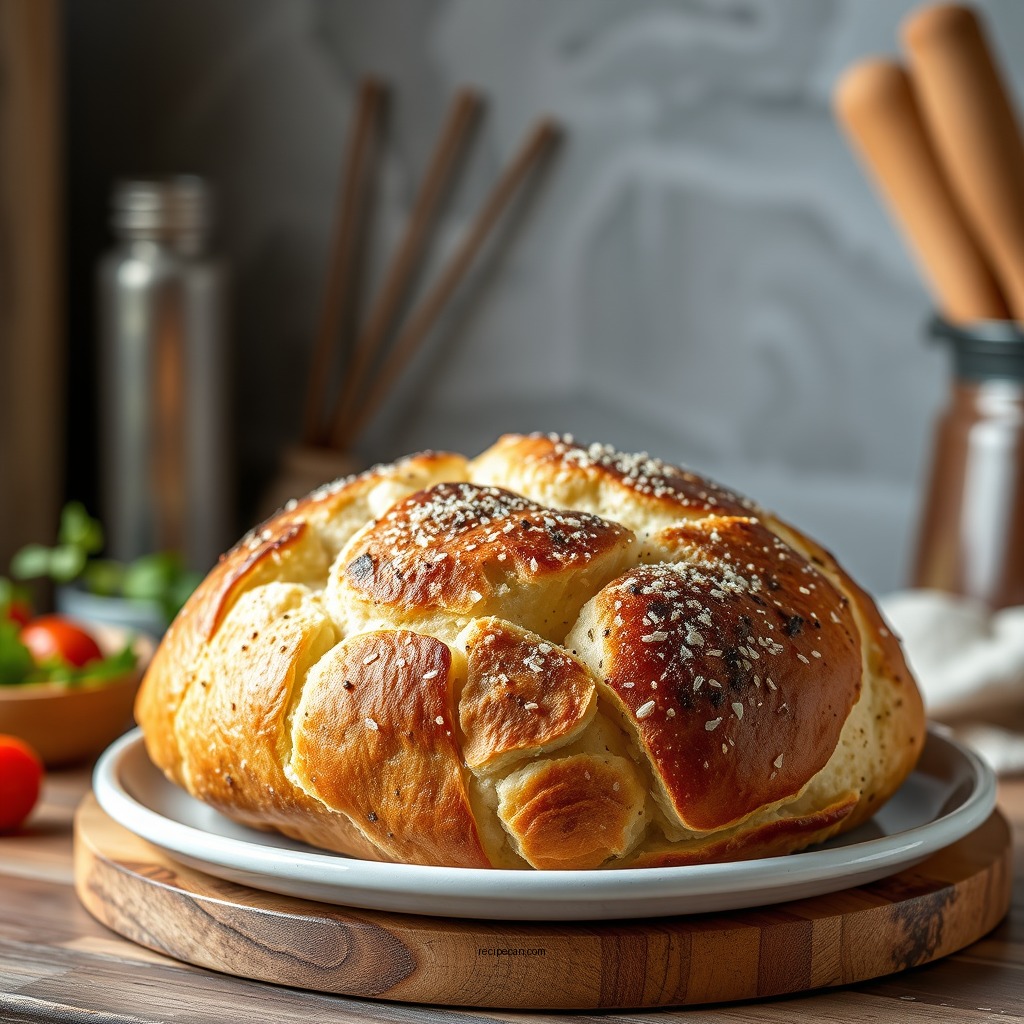
Making ciabatta rolls at home is easier than you might think, and with just a few simple ingredients, you can enjoy these crusty, airy rolls fresh out of the oven. This recipe will guide you through creating perfect ciabatta rolls that are ideal for sandwiches or as a side to your favorite meals. With a crispy crust and a soft, chewy interior, homemade ciabatta rolls elevate any meal or snack experience.
Key Ingredients for Ciabatta Rolls
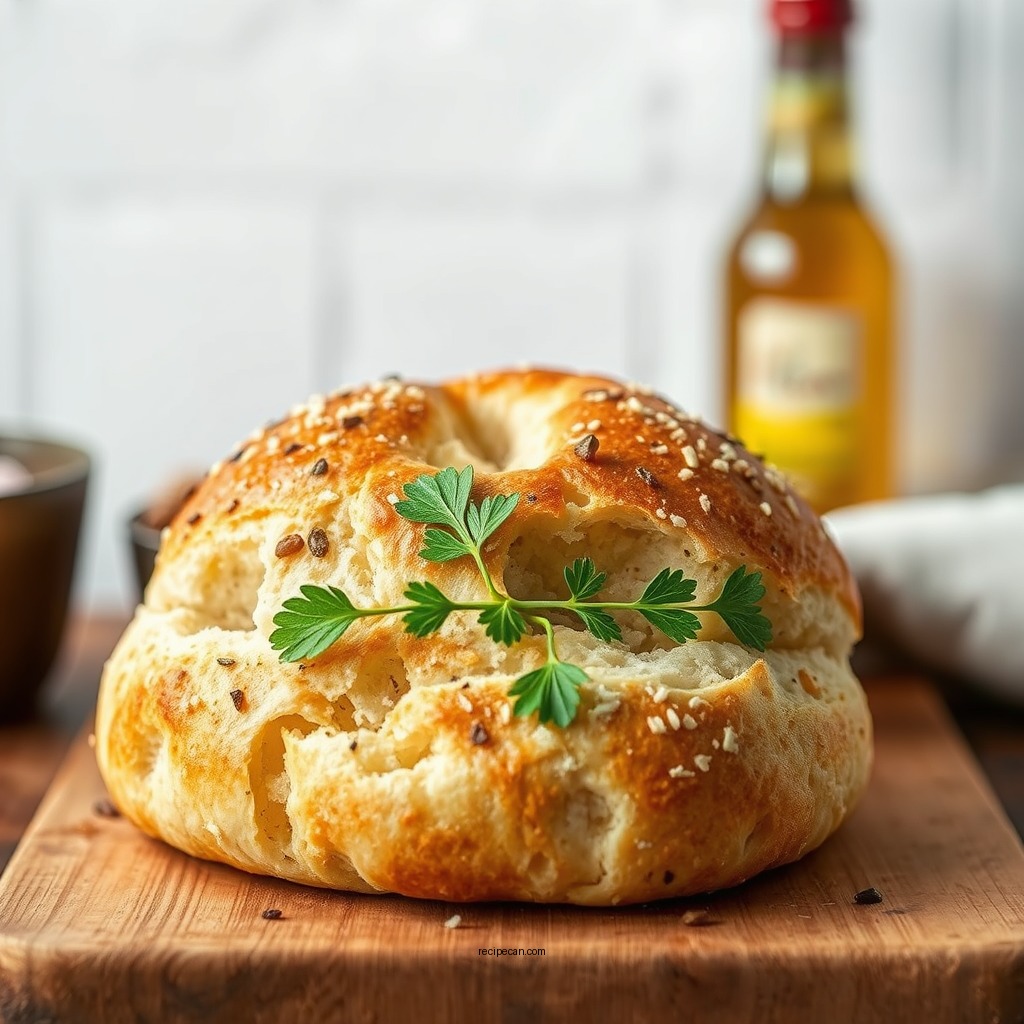
The foundation of great ciabatta rolls lies in the quality of the ingredients. Here’s a closer look at the essential components:
– Flour: The type of flour you choose significantly impacts the texture of your ciabatta rolls. High-protein bread flour is recommended for its ability to develop gluten, which provides the necessary structure and chewiness. The gluten content in bread flour typically ranges from 12-14%, making it ideal for this recipe.
– Water: Ciabatta is known for its high hydration dough, which means it requires a significant amount of water—around 75-80% hydration relative to the flour weight. This hydration creates the characteristic open crumb structure that is so desirable in ciabatta rolls. Ensure that the water is at room temperature to activate the yeast effectively.
– Yeast: For this recipe, you can use either active dry yeast or instant yeast. Both types will help the dough rise, but instant yeast does not require proofing and can be mixed directly with the dry ingredients, making the process a bit easier. A standard amount is approximately 1.5 teaspoons per batch.
– Salt: While often overlooked, salt plays a crucial role in both flavor and dough structure. It enhances the taste of the rolls and helps to strengthen the gluten network.
Step-by-Step Dough Preparation
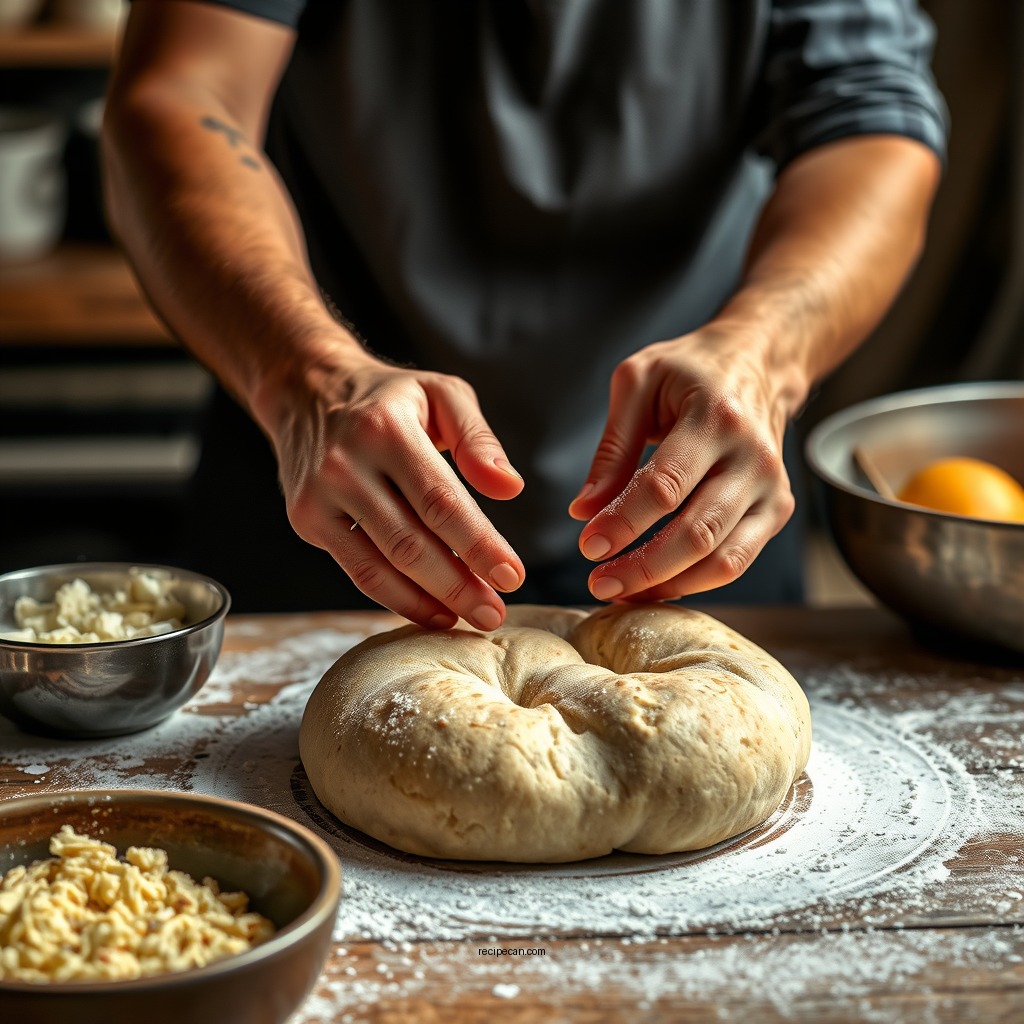
Creating the perfect ciabatta dough requires attention to detail, but the process is simple.
– Mixing: In a large mixing bowl, combine your flour, water, yeast, and salt. Use a wooden spoon or a dough whisk to mix until all the ingredients are thoroughly incorporated. The dough will be sticky and shaggy—this is normal! Make sure there are no dry flour pockets remaining in the mixture.
– Kneading: Traditional kneading is not necessary for ciabatta dough due to its high hydration. Instead, employ the “stretch and fold” technique. After the initial mixing, let the dough rest for about 20 minutes. Then, wet your hands and stretch one side of the dough up and fold it over itself. Rotate the bowl and repeat this process for all four sides. This technique helps to develop gluten without the need for extensive kneading.
Fermentation Process
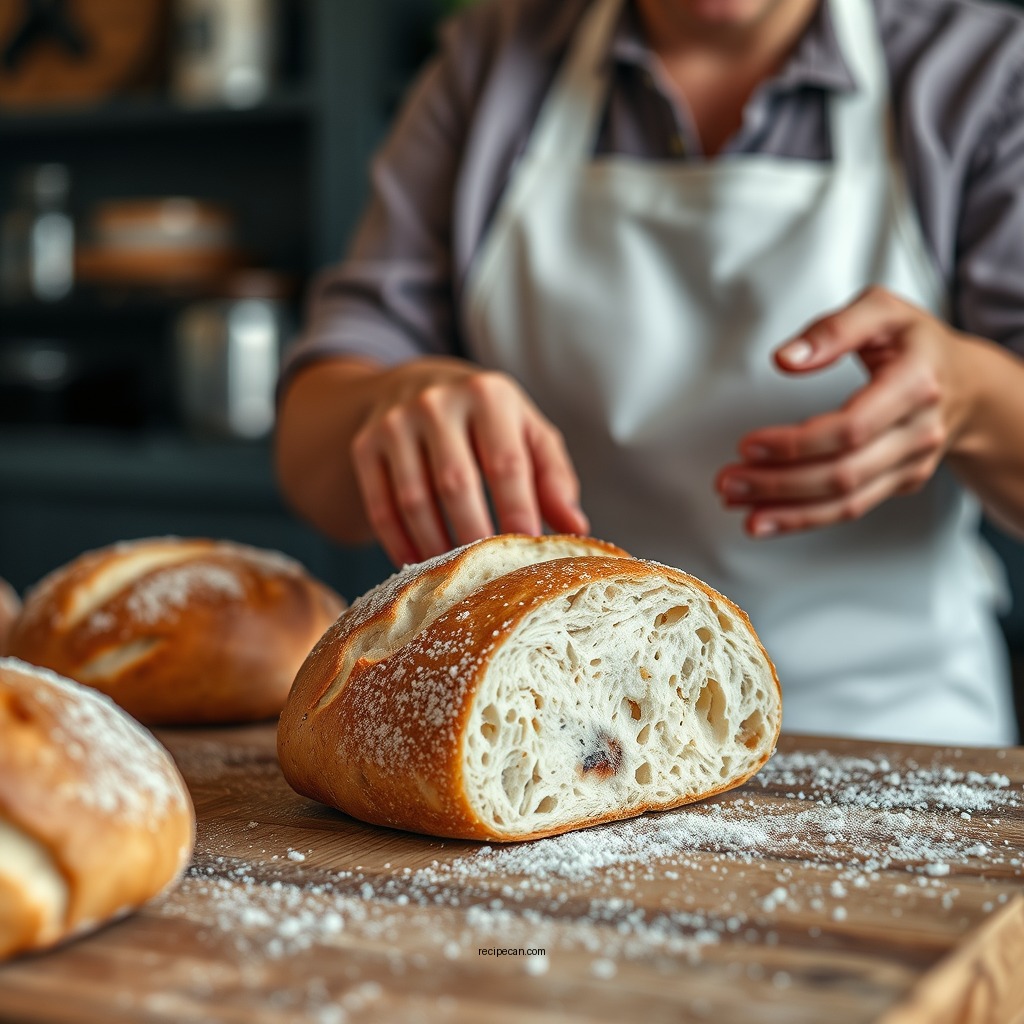
The fermentation process is crucial for developing flavor and texture in your ciabatta rolls.
– Bulk Fermentation: After kneading, cover the dough with a damp cloth or plastic wrap and let it rise at room temperature for 1-2 hours. The dough should double in size, indicating that fermentation has occurred. This process allows the yeast to produce carbon dioxide, which creates air pockets in the dough.
– Shaping: Once the dough has risen, gently transfer it to a floured surface. Using a bench scraper or your hands, carefully shape the dough into a rectangle, ensuring that you retain as many air bubbles as possible. This shaping will set the structure of your rolls and contribute to their airy texture.
Key Differences in Flour Types for Ciabatta Rolls
| # | Flour Type | Protein Content | Water Absorption | Best Use |
|---|---|---|---|---|
| 1 | Bread Flour | 12-14% | High | Best for ciabatta |
| 2 | All-Purpose Flour | 10-12% | Medium | Versatile, but less chewy |
| 3 | Whole Wheat Flour | 13-15% | High | Nutty flavor, denser texture |
| 4 | Semolina Flour | 12-14% | Medium | Adds a unique flavor |
| 5 | 00 Flour | 10-12% | Low | Best for Italian breads |
| 6 | Rye Flour | 8-10% | Low | Strong flavor, dense rolls |
| 7 | Gluten-Free Flour | Varies | Varies | Not ideal for traditional ciabatta |
Final Proofing
Final proofing is a critical step in achieving the light and airy texture characteristic of ciabatta rolls.
– Second Rise: After shaping, let the rolls proof for another 30-60 minutes. Place them on a floured cloth or parchment paper, ensuring they are spaced apart to allow for expansion. The dough should puff up, indicating that it is ready for baking.
– Preheat Oven: Preheat your oven to 450°F (230°C). A hot oven is essential for creating that crispy crust while keeping the interior moist. Consider placing a baking stone or steel in the oven to enhance heat retention.
Baking the Ciabatta Rolls
Baking is where the magic happens, transforming your dough into golden, crusty rolls.
– Steam Generation: To achieve a crispy crust, you can create steam in the oven by placing a pan of hot water on the bottom rack. This steam helps the dough rise more effectively and creates a beautiful crust as the rolls bake.
– Baking Time: Bake the rolls for 20-25 minutes or until they are golden brown and sound hollow when tapped on the bottom. The high temperature encourages a rapid oven spring, which is crucial for achieving the characteristic ciabatta shape.
Hydration Levels for Different Dough Types
Tips for Perfect Ciabatta Rolls
Achieving the perfect ciabatta rolls can be enhanced with a few simple tips:
– Hydration: Adjust water levels based on the humidity in your environment and the specific flour you are using. In drier climates, you may need to increase the water slightly to maintain the dough’s hydration.
– Storage: To keep your ciabatta rolls fresh and crusty, store them in a paper bag at room temperature. Avoid plastic bags, as they trap moisture and can make the crust soft. If you need to store them for longer, consider freezing them.
– Experimentation: Don’t hesitate to experiment with add-ins like herbs, cheeses, or olives to customize your ciabatta rolls. These additions can enhance the flavor and make them even more delightful.
Enjoy your freshly baked ciabatta rolls warm or toasted, perfect for any meal or as a delightful snack.
By following this straightforward recipe, you’ll impress your family and friends with your homemade ciabatta rolls. Don’t hesitate to experiment with different fillings or toppings to make these rolls your own! With practice, you’ll master the art of ciabatta-making and enjoy the satisfaction that comes from baking your own bread.
Frequently Asked Questions
What ingredients do I need for a ciabatta roll recipe?
To make ciabatta rolls, you will need all-purpose flour, water, yeast, salt, and a bit of olive oil. The simplicity of these ingredients allows for a deliciously crusty exterior and a chewy interior, characteristic of authentic ciabatta bread.
How do I achieve the perfect texture in my ciabatta rolls?
To achieve the perfect texture in ciabatta rolls, it’s crucial to develop a high hydration dough, which typically contains around 70-75% water. This hydration level helps create the large air pockets and chewy crumb that are signature to ciabatta. Additionally, allowing the dough to rise for an extended period will enhance its flavor and texture.
Why is my ciabatta dough too sticky and hard to shape?
If your ciabatta dough is too sticky, it may be due to the high hydration levels required for this recipe. To manage the stickiness, use a bench scraper and lightly flour your hands and work surface during shaping, but avoid adding too much flour as it can alter the texture of the final rolls.
What is the best method for baking ciabatta rolls?
The best method for baking ciabatta rolls involves using a preheated baking stone or a cast iron baking dish to retain heat and create a crispy crust. Additionally, placing a pan of water in the oven while baking introduces steam, which helps develop a beautiful crust and enhances the rolls’ chewy texture.
Which toppings or fillings pair well with ciabatta rolls?
Ciabatta rolls are incredibly versatile and pair well with a variety of toppings and fillings. Popular options include fresh mozzarella, tomatoes, basil for a Caprese-style sandwich, or cured meats and cheeses for a classic Italian panini. Their airy structure holds up well against both heavy and light fillings, making them perfect for any meal.
References
- Ciabatta
https://en.wikipedia.org/wiki/Ciabatta - https://www.sciencedirect.com/topics/food-science/ciabatta-bread
https://www.sciencedirect.com/topics/food-science/ciabatta-bread - https://www.bbc.co.uk/food/recipes/ciabatta_13238
https://www.bbc.co.uk/food/recipes/ciabatta_13238 - https://www.nytimes.com/2021/03/10/dining/ciabatta-recipe.html
https://www.nytimes.com/2021/03/10/dining/ciabatta-recipe.html - https://www.huffpost.com/entry/ciabatta-recipe_n_5b2e5c7fe4b0c9e77d9b8fe9
https://www.huffpost.com/entry/ciabatta-recipe_n_5b2e5c7fe4b0c9e77d9b8fe9 - https://pubmed.ncbi.nlm.nih.gov/26483755/
https://pubmed.ncbi.nlm.nih.gov/26483755/ - https://www.sciencedirect.com/science/article/pii/S2213453017301419
https://www.sciencedirect.com/science/article/pii/S2213453017301419 - Google Scholar Google Scholar
https://scholar.google.com/scholar?q=ciabatta+roll+recipe - Google Scholar Google Scholar
https://scholar.google.com/scholar?q=ciabatta+baking+techniques - Google Scholar Google Scholar
https://scholar.google.com/scholar?q=history+of+ciabatta+bread