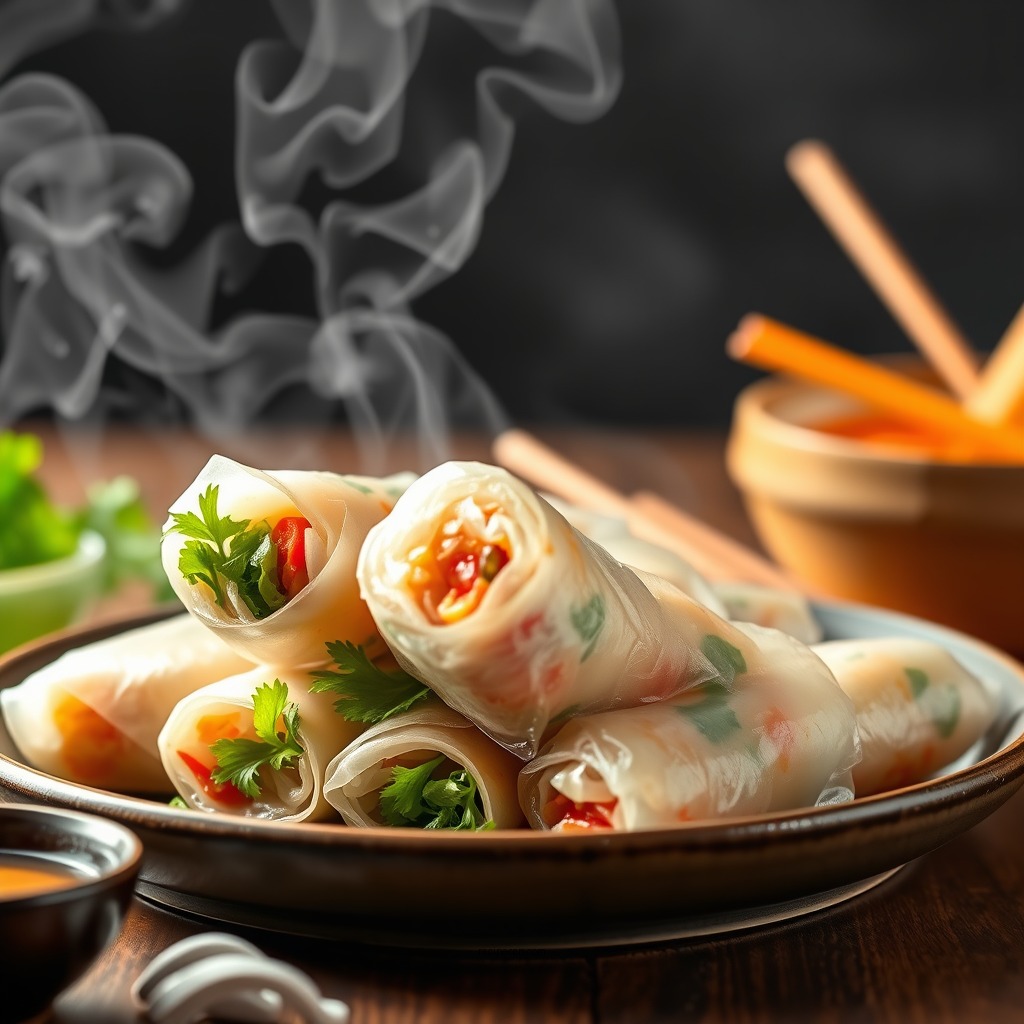
Making uncooked spring rolls is a straightforward and satisfying culinary endeavor that results in a delightful, healthy snack or appetizer. This dish not only bursts with fresh flavors but also provides a visually appealing presentation that can impress any guest. In this article, you’ll learn about the essential ingredients needed to create these vibrant rolls, step-by-step instructions for assembly, and tips to ensure your spring rolls are not only delicious but also nutritious.
Essential Ingredients for Uncooked Spring Rolls
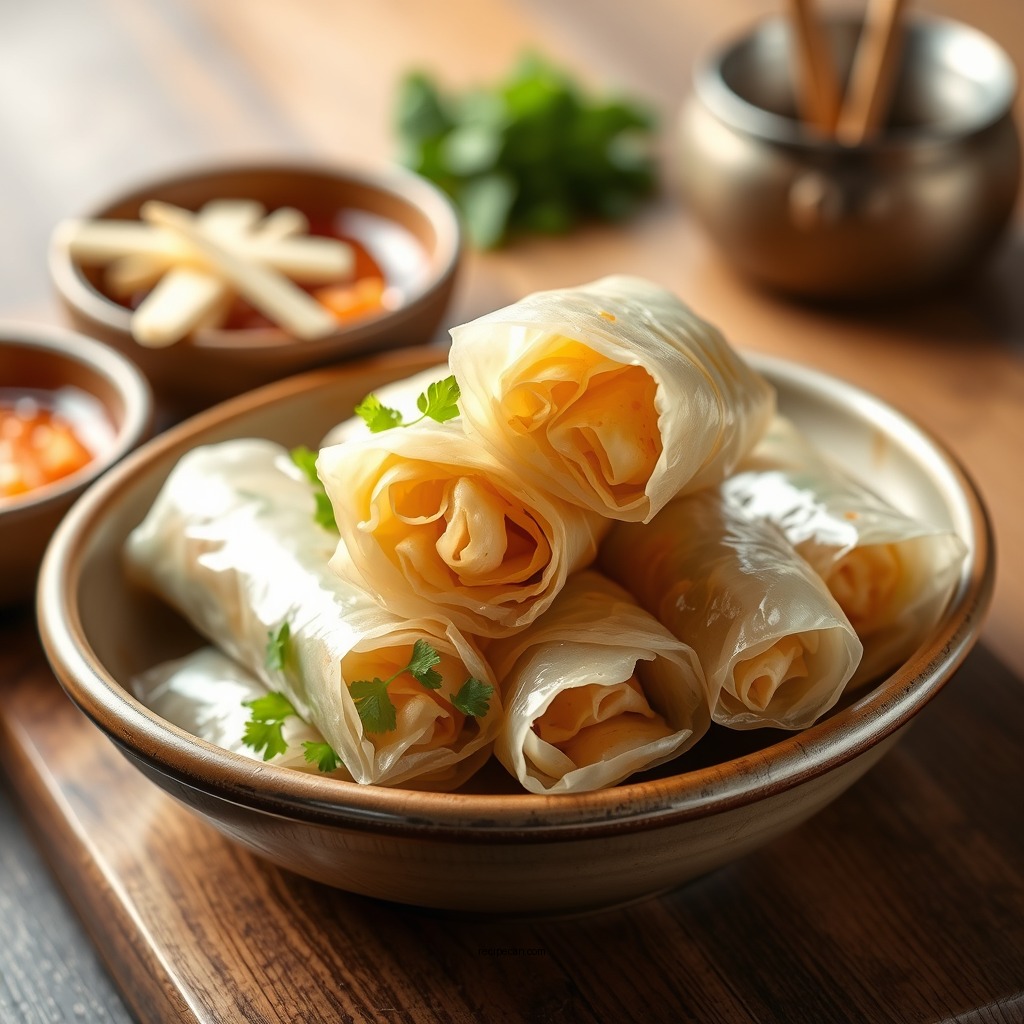
To create perfect uncooked spring rolls, selecting the right ingredients is crucial. Here’s what you will need:
– Rice paper wrappers: These translucent wrappers serve as the base for your spring rolls. They are typically made from rice flour and can be found in most Asian grocery stores or health food stores. Look for the thin, circular sheets that soften when dipped in water.
– Fresh vegetables: The key to vibrant spring rolls lies in the freshness and crunchiness of the vegetables. Common choices include:
– Lettuce: Provides a crisp base and adds bulk.
– Carrots: Shredded or julienned, they add a sweet crunch.
– Cucumbers: Thinly sliced, they lend a refreshing taste.
– Bell Peppers: Red, yellow, or green, they add color and sweetness.
– Protein options: To enhance the nutritional profile of your spring rolls, consider adding protein sources such as:
– Shrimp: Lightly cooked and peeled, shrimp adds a seafood flavor.
– Tofu: Firm or extra-firm tofu can be marinated and sliced for a vegetarian option.
– Chicken: Grilled or poached, chicken can add a savory element.
Preparation of Ingredients
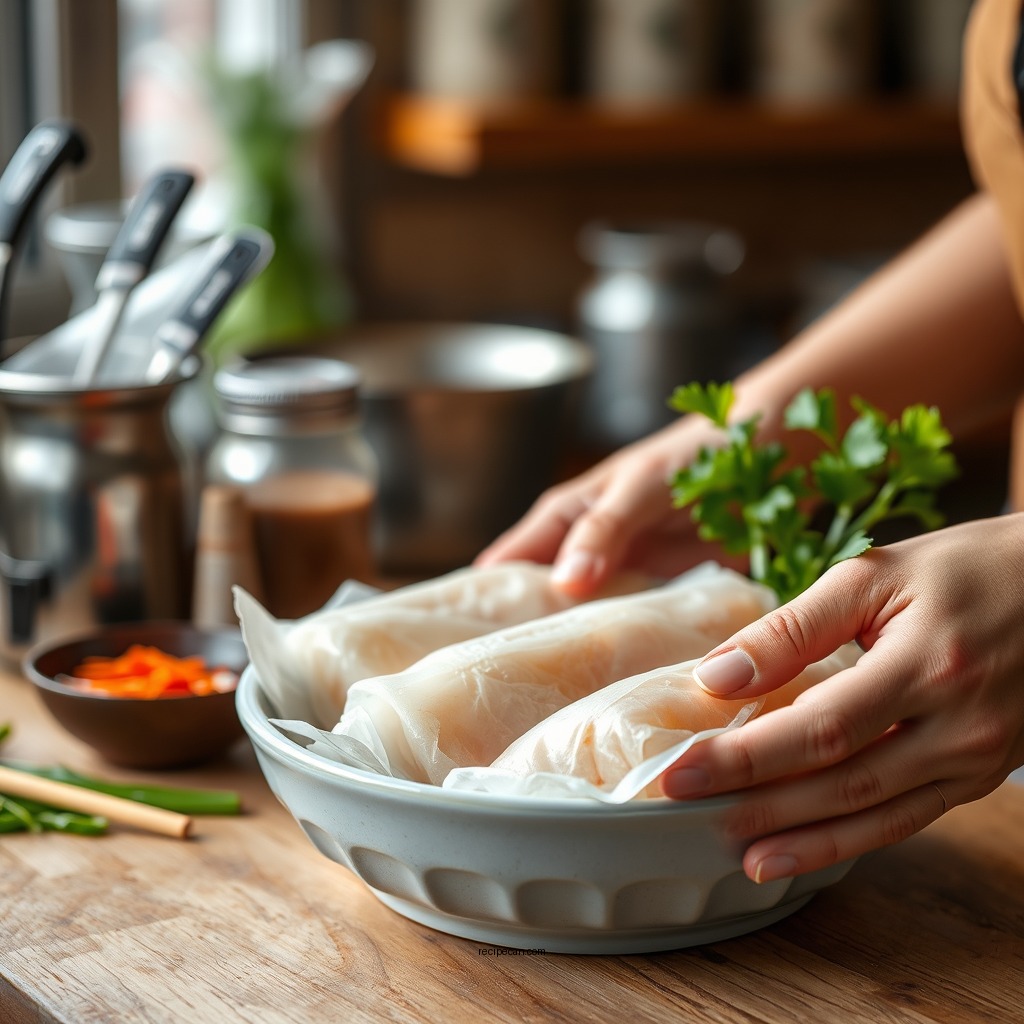
– Washing and slicing: Start by thoroughly washing all vegetables to remove any pesticides or dirt. Slice them into thin strips that are easy to roll and bite-sized. For example, julienne the carrots and slice cucumbers into thin matchsticks.
– Marinating proteins: If you choose to include shrimp or chicken, marinating them can significantly enhance their flavor. A simple marinade of lime juice, soy sauce, and a hint of garlic can elevate the taste. Allow the proteins to marinate for at least 15-30 minutes before cooking to absorb the flavors.
Assembling the Spring Rolls
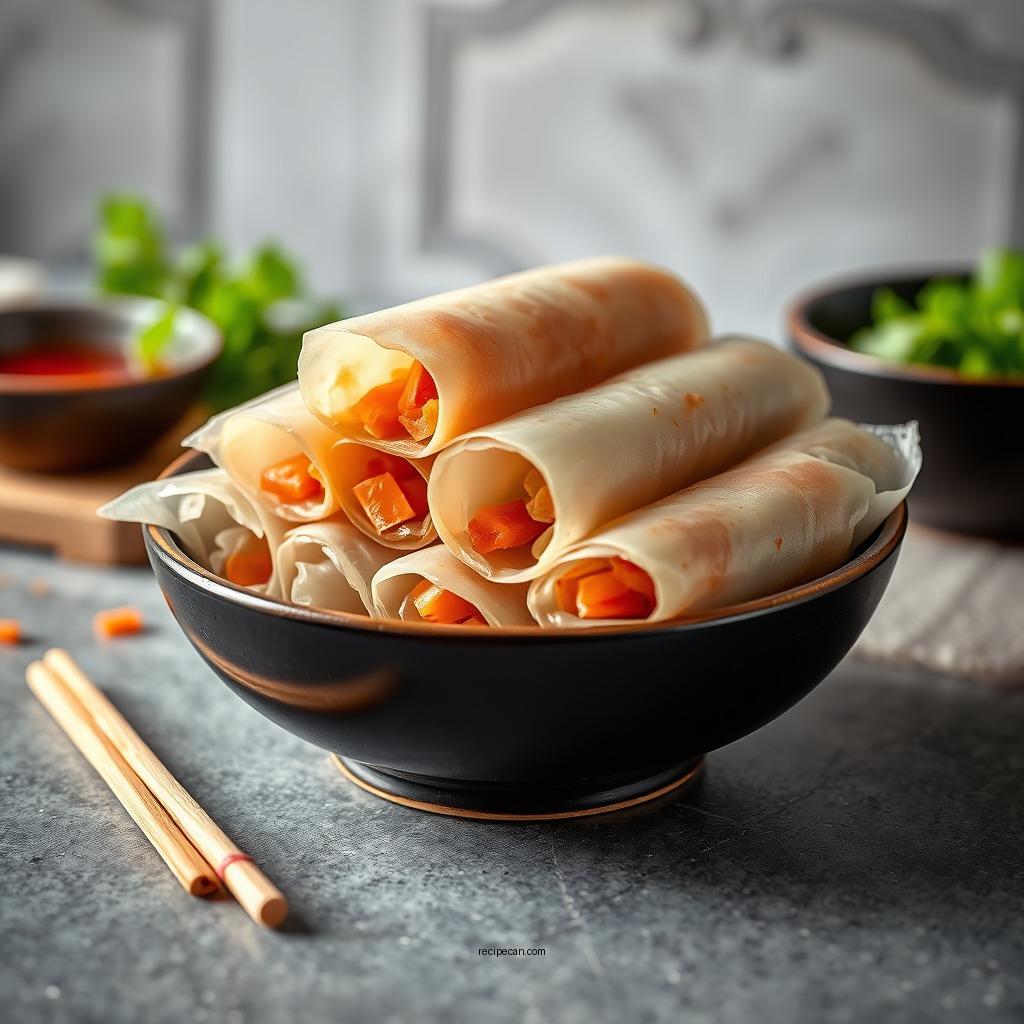
Assembling your spring rolls is where the fun begins. Follow these steps for a successful roll:
– Soaking the rice paper: Fill a shallow dish with warm water and dip one rice paper wrapper into the water for about 10-15 seconds, just until it becomes pliable. Avoid over-soaking, as this can make the wrappers too fragile.
– Layering ingredients: On a clean surface, lay the softened rice paper. Start with a leaf of lettuce, which will act as a barrier to keep the other ingredients from soaking through. Add your choice of vegetables and protein in the center. Be careful not to overfill; a small amount goes a long way.
– Folding and rolling: To roll, fold the sides inward over the filling, then roll from the bottom up, tucking it in tightly as you go. This method ensures that your filling stays secure within the wrapper. Practice makes perfect, so don’t be discouraged if your first few rolls don’t look perfect!
Top Ingredients for Fresh Spring Rolls
| # | Ingredient | Calories (per serving) | Protein (g) | Vitamins |
|---|---|---|---|---|
| 1 | Rice Paper | 35 | 0.2 | None |
| 2 | Lettuce | 5 | 0.5 | Vitamin A |
| 3 | Carrots | 41 | 0.9 | Vitamin A, K |
| 4 | Cucumbers | 16 | 0.7 | Vitamin K |
| 5 | Bell Peppers | 24 | 1 | Vitamin C |
| 6 | Shrimp | 60 | 12 | Vitamin B12 |
| 7 | Tofu | 70 | 8 | Calcium |
Dipping Sauces to Serve
Accompanying your uncooked spring rolls with the right dipping sauces can elevate the experience:
– Peanut sauce: A classic choice, this rich and creamy sauce pairs perfectly with the fresh ingredients. To prepare, combine peanut butter, soy sauce, lime juice, and a touch of honey or sugar. Add water to reach your desired consistency.
– Soy sauce or hoisin: For a simpler option, serve your spring rolls with soy sauce for a salty kick or hoisin sauce for a sweet contrast. Both sauces complement the fresh flavors beautifully.
Tips for Perfect Spring Rolls
Creating the perfect spring roll can take a bit of practice. Here are some tips to guide you:
– Keep everything fresh: Choose ingredients that are crisp, vibrant, and in season for the best flavor and texture. Fresh herbs like mint or cilantro can also add an aromatic touch.
– Experiment with fillings: The beauty of spring rolls lies in their versatility. Feel free to try different combinations of vegetables, proteins, and even fruits like mango or avocado for a unique twist.
– Practice makes perfect: Don’t be discouraged if your first attempts aren’t perfect. With practice, you’ll develop a technique that works for you, resulting in beautifully rolled spring rolls.
Popularity of Spring Roll Fillings
Storing Uncooked Spring Rolls
If you find yourself with leftover spring rolls, proper storage is key to maintaining their freshness:
– Refrigeration: Store any unused rolls in an airtight container lined with damp paper towels. This will help retain moisture and prevent the rice paper from drying out.
– Best enjoyed fresh: While you can store spring rolls for a short time, they are best enjoyed within a few hours of preparation. The longer they sit, the more the texture of the rice paper can deteriorate.
By following these steps, you can easily create delicious uncooked spring rolls that are sure to charm your family and friends. Enjoy experimenting with different ingredients and flavors to make this dish truly your own!
In conclusion, uncooked spring rolls are not only easy to prepare but also allow for a wealth of customization. From fresh vegetables to varied protein options, the combinations are endless. Pair them with delightful dipping sauces, and you have a nutritious snack or appetizer that is both appealing and satisfying. Whether for a casual gathering or an elegant dinner party, spring rolls are sure to impress with their vibrant colors and fresh flavors.
Frequently Asked Questions
What ingredients do I need for an uncooked spring rolls recipe?
To make uncooked spring rolls, you will need rice paper wrappers, a variety of fresh vegetables such as lettuce, carrots, and cucumbers, as well as herbs like mint and cilantro. Protein options like shrimp, tofu, or chicken can also be included for added flavor and nutrition. Don’t forget to prepare a dipping sauce, such as peanut or hoisin sauce, to enhance the taste.
How do I properly roll uncooked spring rolls?
To roll uncooked spring rolls, start by soaking a rice paper wrapper in warm water for about 10-15 seconds until it becomes pliable. Lay the wrapper flat, add your desired fillings in the center, and fold the sides over the filling. Then, carefully roll it up from the bottom, tucking in the edges as you go, to create a tight roll that holds the ingredients together.
Why are my uncooked spring rolls falling apart?
Uncooked spring rolls may fall apart if the rice paper is either over-soaked or under-soaked. Ensure the wrapper is pliable but not too soft, as this can make it fragile. Additionally, avoid overfilling the rolls, as excess ingredients can make it difficult to seal them properly.
What are the best vegetables to use for uncooked spring rolls?
The best vegetables for uncooked spring rolls include crisp lettuce, shredded carrots, sliced cucumbers, and bell peppers. You can also add radishes or avocado for extra flavor and texture. Opt for fresh, crunchy vegetables to maintain the roll’s integrity and enhance the overall taste.
Which dipping sauce pairs well with uncooked spring rolls?
A popular dipping sauce for uncooked spring rolls is peanut sauce, which offers a creamy, nutty flavor that complements the fresh ingredients. Another great option is hoisin sauce mixed with lime juice, which adds a tangy sweetness. You can also try a spicy chili sauce for those who enjoy a bit of heat.
References
- Spring roll
https://en.wikipedia.org/wiki/Spring_roll - Spring roll | food | Britannica
https://www.britannica.com/topic/spring-roll - https://pubmed.ncbi.nlm.nih.gov/26617018/
https://pubmed.ncbi.nlm.nih.gov/26617018/ - https://www.ncbi.nlm.nih.gov/pmc/articles/PMC6693682/
https://www.ncbi.nlm.nih.gov/pmc/articles/PMC6693682/ - Google Scholar Google Scholar
https://scholar.google.com/scholar?q=uncooked+spring+rolls+recipe - Google Scholar Google Scholar
https://scholar.google.com/scholar?q=spring+rolls+ingredients - Google Scholar Google Scholar
https://scholar.google.com/scholar?q=spring+rolls+cooking+techniques - https://www.ncbi.nlm.nih.gov/pmc/articles/PMC5821965/
https://www.ncbi.nlm.nih.gov/pmc/articles/PMC5821965/ - https://www.sciencedirect.com/topics/agricultural-and-biological-sciences/spring-roll
https://www.sciencedirect.com/topics/agricultural-and-biological-sciences/spring-roll - Food safety
https://www.who.int/news-room/fact-sheets/detail/food-safety