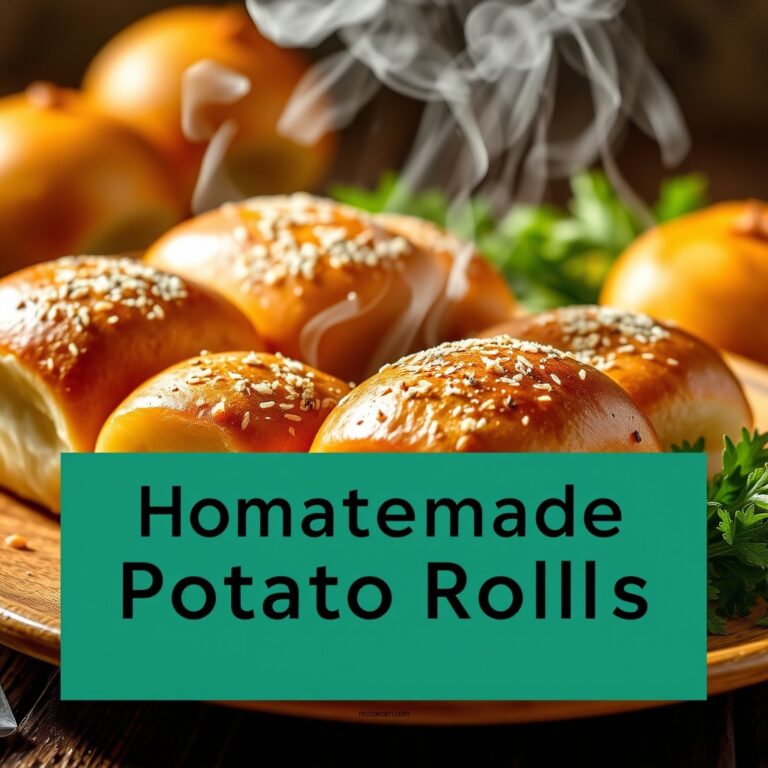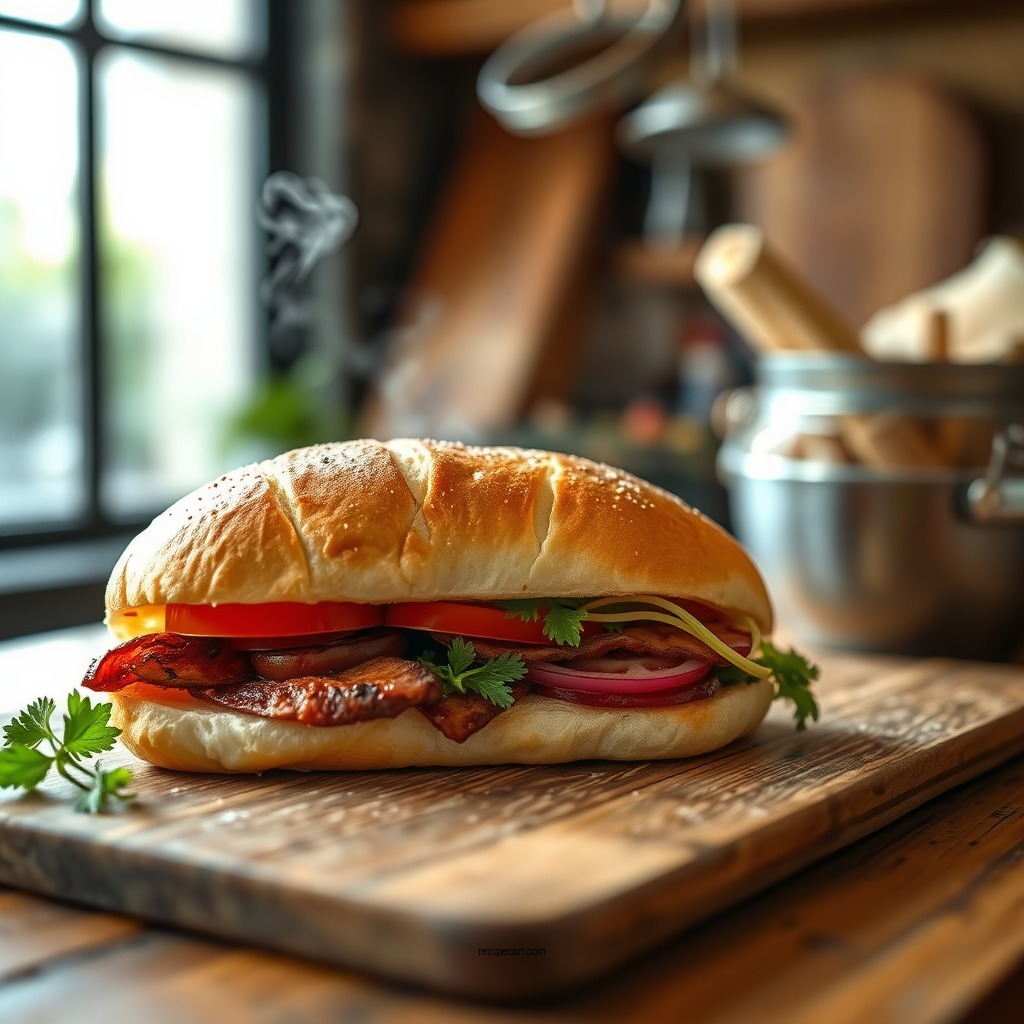
Making delicious sub rolls at home is simple and rewarding. With just a few basic ingredients and straightforward steps, you can create soft, flavorful rolls that elevate any sandwich. In this article, you’ll learn how to make perfect sub rolls from scratch, including tips for achieving the ideal texture and flavor.
Ingredients Needed for Sub Rolls
To make perfect sub rolls, you need a handful of basic ingredients. The foundation of any bread recipe starts with flour, yeast, water, sugar, salt, and oil. These components work together to create the structure, flavor, and texture of your rolls.
1. Flour: All-purpose flour is commonly used for sub rolls due to its balanced protein content, which provides the structure needed for the bread. For an enhanced flavor and nutrition, you might consider using bread flour, which has a higher protein content.
2. Yeast: Active dry yeast or instant yeast is essential for leavening. Yeast ferments the sugars in the dough, producing carbon dioxide and causing the dough to rise, resulting in a light and airy texture.
3. Water: The temperature of the water is crucial. Ideally, it should be warm (about 110°F or 43°C) to activate the yeast and encourage fermentation without killing it.
4. Sugar: A small amount of sugar not only aids in the fermentation process but also contributes to browning during baking.
5. Salt: Salt enhances flavor and strengthens gluten, which is vital for the dough’s structure.
6. Oil: Adding oil (such as olive or vegetable oil) helps to create a softer texture and improves the rolls’ shelf life.
In addition to these core ingredients, you can customize your sub rolls with optional additions like herbs (rosemary, thyme) or seeds (sesame, poppy) to enhance both flavor and texture.
Step-by-Step Instructions
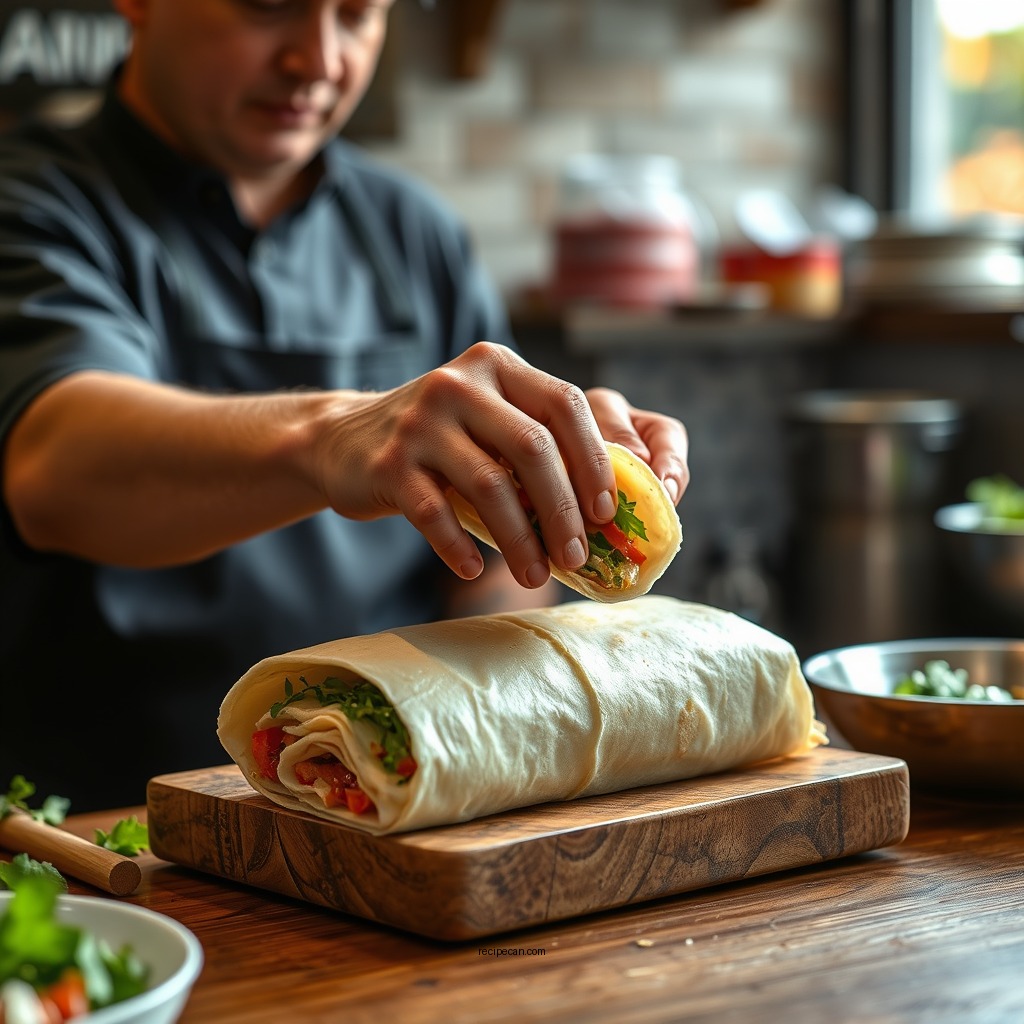
Creating sub rolls from scratch is a straightforward process. Here’s a detailed guide to help you through each step:
1. Combine Dry Ingredients: In a large mixing bowl, mix together 4 cups of all-purpose flour, 2 teaspoons of sugar, 1 tablespoon of salt, and 2 teaspoons of yeast. Ensure that the yeast and salt are not directly in contact at this stage, as salt can inhibit yeast activity.
2. Prepare the Dough: Gradually add 1.5 cups of warm water and 2 tablespoons of oil to the dry ingredients. Mix until the dough starts to come together. Use your hands or a mixer with a dough hook to knead the dough for about 8-10 minutes until it is smooth and elastic.
3. Kneading Tips: If the dough feels too sticky, add a little more flour, but avoid adding too much as this can make the rolls dense. The goal is a soft, pliable dough.
Proofing the Dough
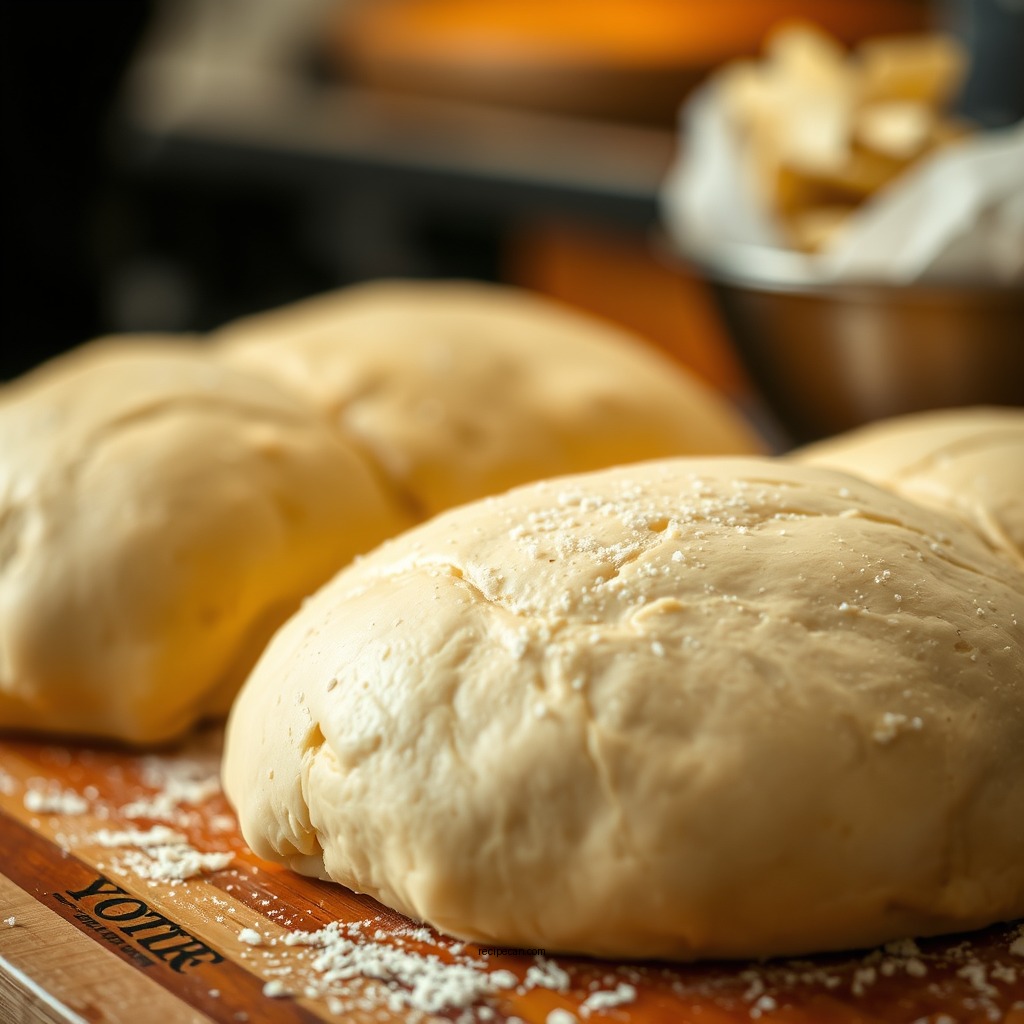
Once your dough is kneaded, the next crucial step is proofing, which allows the dough to rise:
1. Allow the Dough to Rise: Place the kneaded dough in a lightly oiled bowl and cover it with a damp cloth or plastic wrap. Let it rest in a warm place (about 75-80°F or 24-27°C) until it doubles in size, which typically takes about 1 hour.
2. Tips for Perfect Proofing: To ensure optimal rising conditions, you can turn on your oven to its lowest setting for a few minutes, then turn it off. Place the covered bowl inside. The warm environment will help the dough rise effectively.
Shaping the Rolls
After the dough has risen, it’s time to shape your rolls:
1. Divide the Dough: Gently punch down the dough to release excess air. Transfer it to a floured surface and divide it into 8 equal portions for uniform rolls.
2. Form the Rolls: Take each portion and roll it into a log shape, about 6-8 inches long. Ensure they are even in size for consistent baking. Place the shaped rolls on a parchment-lined baking sheet, leaving space between them to allow for further rising.
Baking the Sub Rolls
Bringing your rolls to life through baking is the final step:
1. Preheat Your Oven: Set your oven to 375°F (190°C) to achieve the perfect baking temperature.
2. Bake Until Golden: Bake the rolls for 20-25 minutes, or until they are golden brown and sound hollow when tapped on the bottom. The internal temperature should reach around 190°F (88°C) for optimal doneness.
3. Cooling: Once baked, remove the rolls from the oven and allow them to cool on a wire rack to prevent them from becoming soggy.
Storing and Serving Suggestions
To maintain the freshness of your homemade sub rolls, proper storage is key:
1. Proper Storage: Once cooled, place the rolls in an airtight container or a resealable plastic bag. They can be stored at room temperature for up to 3 days. For longer storage, consider freezing them, where they can last for up to 3 months. Just ensure you wrap them tightly to prevent freezer burn.
2. Serving Ideas: These sub rolls are perfect for various fillings. Consider classic combinations like turkey and Swiss cheese or Italian meats with provolone and roasted peppers. For a vegetarian option, fill them with grilled vegetables and hummus. Experiment with your favorite meats, cheeses, and toppings to create delicious sandwiches that suit your taste.
Top 7 Types of Bread for Sandwiches (2024)
| # | Bread Type | Popularity (%) | Ideal Fillings |
|---|---|---|---|
| 1 | Sub Rolls | 35% | Deli meats, cheeses |
| 2 | Whole Wheat | 25% | Turkey, avocado |
| 3 | Sourdough | 15% | Roast beef, horseradish |
| 4 | Ciabatta | 10% | Caprese, pesto |
| 5 | Baguette | 8% | Ham, cheese |
| 6 | Pita | 5% | Falafel, tzatziki |
| 7 | Flatbread | 2% | Grilled veggies, tzatziki |
Popularity of Sandwich Breads (2024)
Summarizing the process of making sub rolls can inspire you to try your hand at baking. With easy-to-follow steps and the option to customize flavors, homemade sub rolls are a fantastic addition to your meal rotation. Get started today, and enjoy the delicious results!
Frequently Asked Questions
What ingredients are essential for a basic sub roll recipe?
A basic sub roll recipe typically requires all-purpose flour, water, yeast, salt, and sugar. These ingredients work together to create a soft, chewy texture that is perfect for holding your favorite sandwich fillings. Additional ingredients like olive oil can enhance flavor and moisture.
How do I ensure my sub rolls are soft and not hard?
To ensure soft sub rolls, it’s crucial to knead the dough properly to develop gluten, which gives the bread structure. Additionally, keeping the dough covered and allowing it to rise in a warm place will help achieve a light, airy texture. Baking at the right temperature and avoiding over-baking are also key to maintaining softness.
Why is it important to use a starter for my sub roll recipe?
Using a starter, such as a poolish or biga, can significantly enhance the flavor and texture of your sub rolls. The fermentation process develops complex flavors and improves the dough’s structure, resulting in a more delicious and aromatic bread. This technique is especially beneficial for achieving that perfect artisan-style sub roll.
What is the best way to shape sub rolls for uniformity?
The best way to shape sub rolls for uniformity is to first divide the dough into equal portions, typically around 4 to 6 ounces each. Then, gently shape each portion into a log by rolling it on a lightly floured surface, ensuring the ends are tapered for a classic sub roll appearance. This method promotes even baking and consistent size.
Which toppings or fillings work best with homemade sub rolls?
Homemade sub rolls pair well with a variety of toppings and fillings, including deli meats, cheeses, fresh vegetables, and condiments like mayonnaise or mustard. Popular choices include Italian meats, turkey with avocado, or classic meatball subs. Experimenting with different combinations can elevate your sub sandwich experience!
References
- Submarine sandwich
https://en.wikipedia.org/wiki/Submarine_sandwich - https://www.britannica.com/topic/submarine-sandwich
https://www.britannica.com/topic/submarine-sandwich - Google Scholar Google Scholar
https://scholar.google.com/scholar?q=sub+roll+recipe - Google Scholar Google Scholar
https://scholar.google.com/scholar?q=submarine+sandwich+history - Google Scholar Google Scholar
https://scholar.google.com/scholar?q=Italian+sub+roll+recipe - https://www.ncbi.nlm.nih.gov/pmc/articles/PMC5414184/
https://www.ncbi.nlm.nih.gov/pmc/articles/PMC5414184/ - https://www.ncbi.nlm.nih.gov/pmc/articles/PMC6431734/
https://www.ncbi.nlm.nih.gov/pmc/articles/PMC6431734/ - https://www.cdc.gov/nutrition/index.html
https://www.cdc.gov/nutrition/index.html - Healthy diet
https://www.who.int/news-room/fact-sheets/detail/healthy-diet - https://www.nytimes.com/2018/02/15/dining/submarine-sandwich.html
https://www.nytimes.com/2018/02/15/dining/submarine-sandwich.html