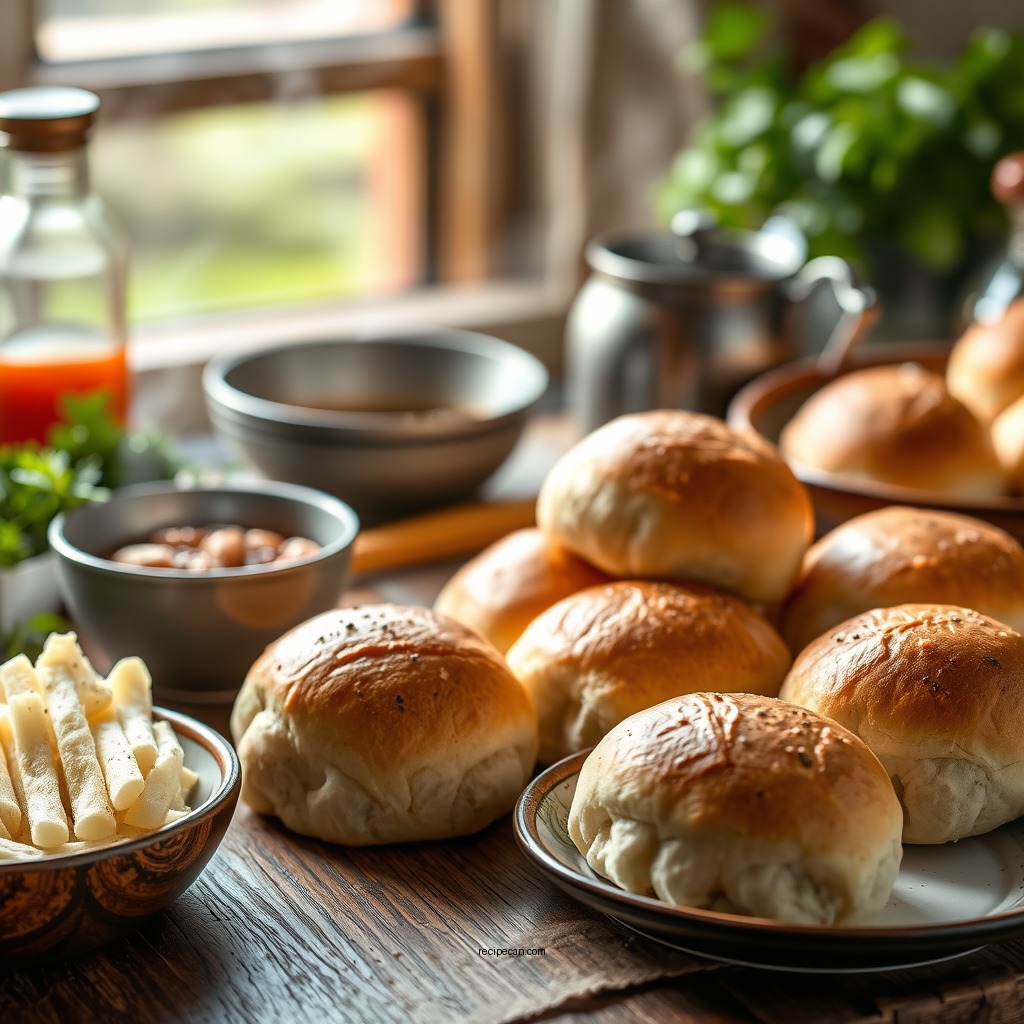
Enjoying soft and fluffy homemade dinner rolls is easier than you think! This recipe will guide you through each step to create delicious rolls that are perfect for any meal. You’ll learn about the ingredients, preparation, and baking tips to ensure they turn out perfectly every time. With just a few basic ingredients and some simple techniques, you can impress your family and friends with your baking skills.
Ingredients You’ll Need
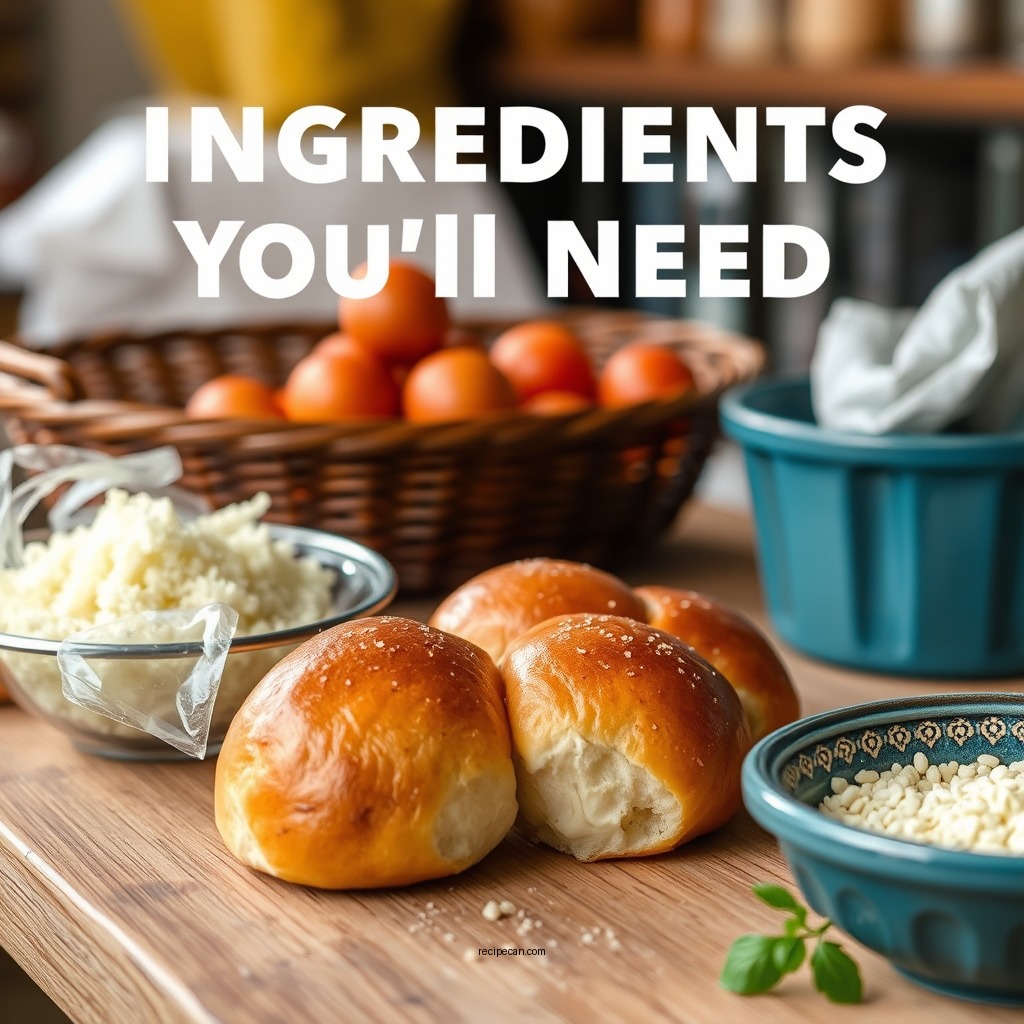
To create the perfect dinner rolls, you’ll need a few key ingredients that work together to create a light, fluffy texture. Here’s what you will require:
– All-purpose flour: This is the foundation of your rolls. It provides structure and helps create the soft, chewy texture that everyone loves. Using high-quality all-purpose flour is essential for achieving the best results.
– Active dry yeast: Essential for the rising process, yeast is what makes your rolls fluffy. It ferments sugars in the dough and produces carbon dioxide, which causes the dough to rise. Make sure your yeast is fresh for optimal performance.
– Milk and butter: Both add moisture and richness to the dough. Warm milk helps to activate the yeast, while butter provides flavor and a tender crumb. You can also substitute milk with non-dairy alternatives if desired.
Preparing the Dough
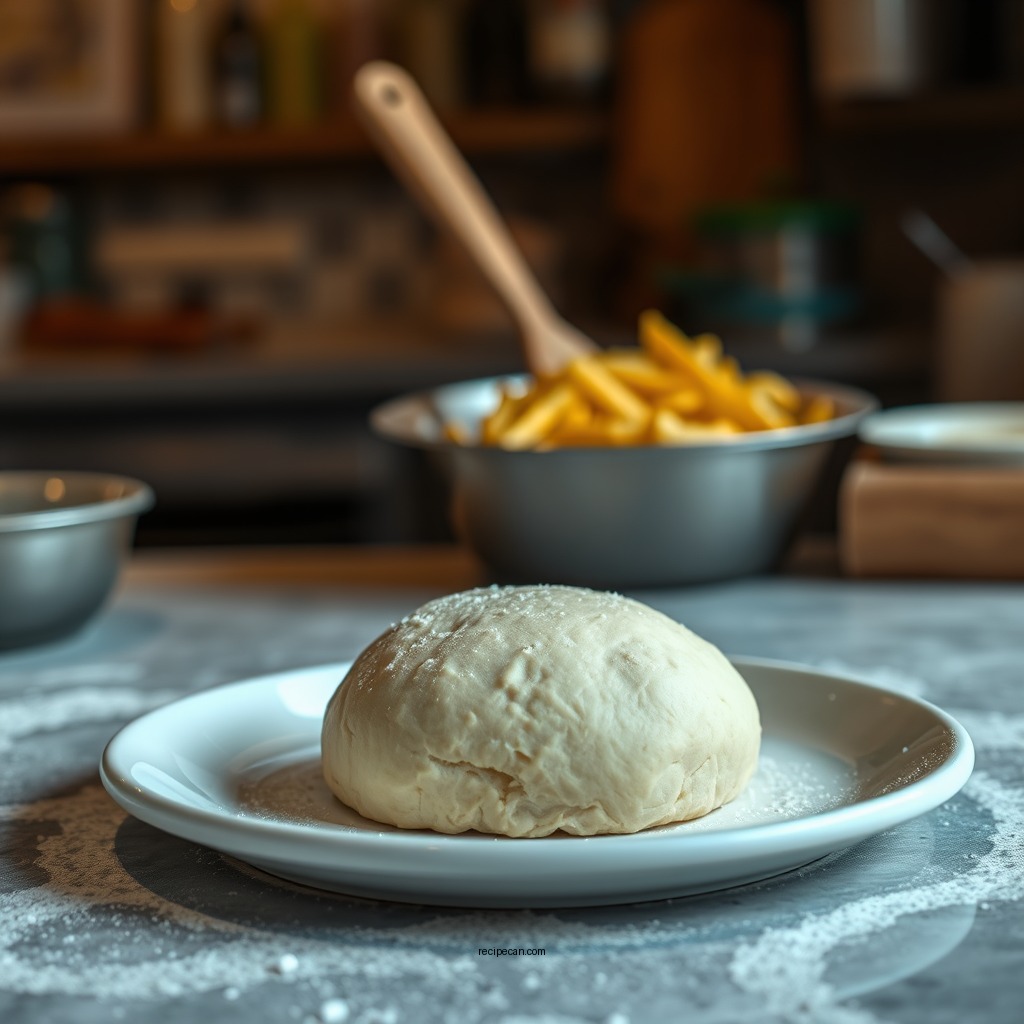
The preparation of the dough is a critical step in achieving fluffy dinner rolls. Here’s how to do it:
– Warm the milk and dissolve the yeast: Start by gently warming the milk until it is lukewarm (about 110°F or 43°C). Sprinkle the active dry yeast over the milk and let it sit for about 5 minutes, or until it becomes frothy. This indicates that the yeast is active and ready to work.
– Combine the flour and other ingredients: In a large mixing bowl, combine the all-purpose flour, sugar, and salt. Once the yeast mixture is frothy, add it to the flour along with melted butter. Mix with a wooden spoon until a soft dough forms.
– Knead the dough: Transfer the dough to a floured surface and knead it for about 8-10 minutes. This process develops gluten, which is necessary for the dough to hold its shape and create that desirable texture. The dough should be smooth and elastic when finished.
Letting the Dough Rise
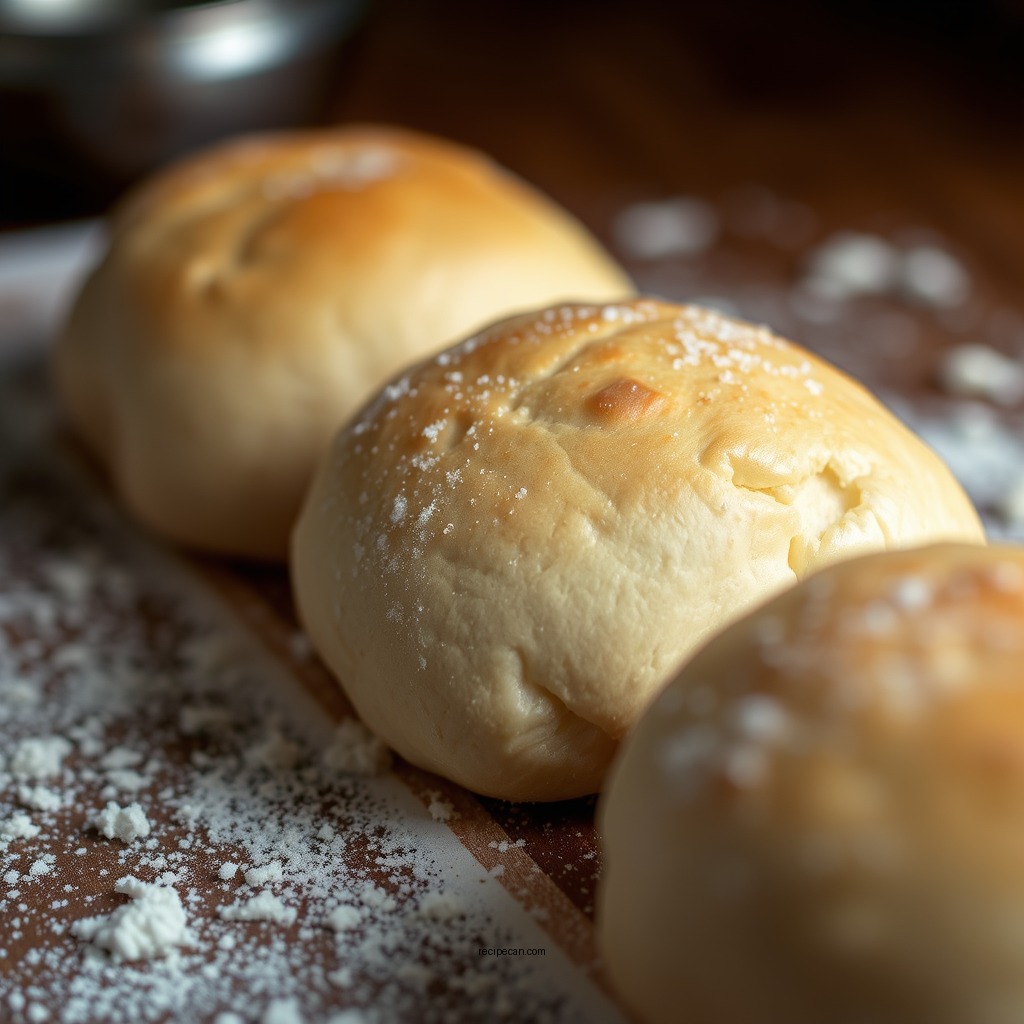
Rising is a crucial step that ensures your rolls will be light and fluffy.
– First rise: Place the kneaded dough in a greased bowl, cover it with a damp cloth, and let it rise in a warm place for about 1 to 2 hours, or until it doubles in size. This slow fermentation process enhances flavor and texture.
– Punch down the dough: After the first rise, gently punch down the dough to release any excess air. This step is essential as it redistributes the yeast and prevents overly large air pockets in your rolls.
– Second rise: Divide the dough into equal portions and shape them into rolls. Place them in a greased baking dish, cover them again, and let them rise for another 30-45 minutes. This second rise is crucial for achieving that fluffy texture.
Shaping the Rolls
Shaping is an art that impacts the final appearance and texture of your rolls.
– Divide the dough: Once the dough has completed its second rise, divide it into equal pieces, typically 12 to 16, depending on your desired roll size. Use a bench scraper or knife for clean cuts.
– Shape into balls: To shape the rolls, take each piece of dough and gently flatten it. Tuck the edges underneath to form a smooth ball. This technique helps create tension on the surface, resulting in a nice rise during baking.
– Place in a baking dish: Arrange the rolls closely in a greased baking dish. The rolls should be touching, which encourages them to rise upwards rather than outwards, leading to soft sides.
Baking the Rolls
Baking the rolls requires attention to detail to achieve that perfect golden brown color.
– Preheat the oven: Preheat your oven to 375°F (190°C) before placing the rolls inside. A properly heated oven ensures even baking and helps the rolls rise quickly.
– Brush with butter: Before baking, brush the tops of the rolls with melted butter. This not only enhances the flavor but also gives the rolls a beautiful golden finish.
– Bake until golden brown: Bake the rolls for about 20-25 minutes, or until they are golden brown on top. Keep an eye on them towards the end of baking to avoid over-browning.
Top Ingredients for Fluffy Dinner Rolls
| # | Ingredient | Purpose | Quantity (per batch) | Importance Rating |
|---|---|---|---|---|
| 1 | All-purpose flour | Structure | 4 cups | ★★★★☆ |
| 2 | Active dry yeast | Leavening | 2 1/4 tsp | ★★★★★ |
| 3 | Milk | Moisture | 1 cup | ★★★★☆ |
| 4 | Butter | Flavor | 1/4 cup | ★★★☆☆ |
| 5 | Sugar | Flavor | 1/4 cup | ★★★★☆ |
| 6 | Salt | Flavor | 1 tsp | ★★★★☆ |
| 7 | Water | Hydration | 1/2 cup | ★★★☆☆ |
Serving Suggestions
Now that your dinner rolls are baked to perfection, here are some serving suggestions to elevate your meal:
– Pair with butter or jams: Simply spreading butter on a warm roll can enhance its flavor. For a sweeter option, try pairing the rolls with fruit jams or preserves. The contrast of flavors makes for a delightful experience.
– Serve warm: Nothing beats the taste of fresh, warm rolls straight from the oven. Serve them immediately with your meal for maximum fluffiness and flavor.
– Use for sandwiches: These versatile rolls can also serve as an excellent base for sandwiches. Fill them with your favorite meats, cheeses, and vegetables for a delicious lunch option.
Baking Tips for Success
To ensure your dinner rolls turn out perfectly every time, consider the following tips:
– Use fresh yeast: Always check the expiration date on your yeast. Fresh yeast is crucial for proper rising.
– Monitor the temperature: Yeast is sensitive to temperature; too hot can kill it, while too cold can slow it down. Use a thermometer to check the milk temperature before adding the yeast.
– Experiment with flavorings: Feel free to add herbs, garlic, or cheese to your dough for additional flavor. A little creativity can transform a simple roll into something extraordinary.
– Store properly: If you have leftover rolls, store them in an airtight container at room temperature. You can reheat them in the oven for a few minutes to restore freshness.
Conclusion
Summarizing your homemade dinner rolls experience is key to enjoying them fully! Follow these steps, and you’ll have warm, fluffy rolls that will impress your family and friends. Remember to pay attention to the ingredients, the dough preparation, and the baking process for the best results. With a little practice, you’ll master the art of baking dinner rolls that are not only delicious but also a highlight of any meal. Don’t hesitate to share your results or variations, and happy baking!
Frequently Asked Questions
What ingredients do I need for a homemade dinner rolls recipe?
To make homemade dinner rolls, you’ll need all-purpose flour, active dry yeast, sugar, salt, milk, butter, and eggs. These basic ingredients combine to create soft, fluffy rolls that are perfect for any meal.
How do I ensure my homemade dinner rolls turn out fluffy?
To achieve fluffy homemade dinner rolls, it’s crucial to properly knead the dough until it’s smooth and elastic. Additionally, allow the dough to rise in a warm environment until it doubles in size, which helps develop the gluten structure for a light texture.
Why did my homemade dinner rolls not rise?
If your homemade dinner rolls did not rise, it could be due to expired yeast or not letting the dough proof in a warm place. Ensure your yeast is fresh and activate it by mixing it with warm water and sugar before adding it to the dough for the best results.
What is the best way to store homemade dinner rolls?
The best way to store homemade dinner rolls is to keep them in an airtight container at room temperature for up to three days. For longer storage, you can freeze them in a resealable bag, ensuring they stay fresh for up to three months.
Which tips can help me achieve the perfect golden brown crust on my dinner rolls?
To achieve a perfect golden brown crust on your homemade dinner rolls, brush them with melted butter before baking. Additionally, you can apply an egg wash (a mixture of beaten egg and milk) for an extra shine and color, resulting in beautifully golden rolls.
References
- https://en.wikipedia.org/wiki/Roll_(bread
https://en.wikipedia.org/wiki/Roll_(bread - https://www.nytimes.com/2019/11/26/dining/dinner-rolls-recipe.html
https://www.nytimes.com/2019/11/26/dining/dinner-rolls-recipe.html - Sautéed Baby Bok Choy with Miso Sauce | America’s Test Kitchen
https://www.americastestkitchen.com/recipes/9488-dinner-rolls - Google Scholar Google Scholar
https://scholar.google.com/scholar?q=homemade+dinner+rolls+recipe - Google Scholar Google Scholar
https://scholar.google.com/scholar?q=dinner+rolls+recipe+history - Google Scholar Google Scholar
https://scholar.google.com/scholar?q=baking+yeast+in+dinner+rolls - https://www.foodnetwork.com/recipes/articles/50-dinner-rolls
https://www.foodnetwork.com/recipes/articles/50-dinner-rolls - homemade dinner rolls recipe – Search results
https://en.wikipedia.org/wiki/Special:Search?search=homemade+dinner+rolls+recipe - https://www.ncbi.nlm.nih.gov/search/research-articles/?term=homemade+dinner+rolls+recipe
https://www.ncbi.nlm.nih.gov/search/research-articles/?term=homemade+dinner+rolls+recipe