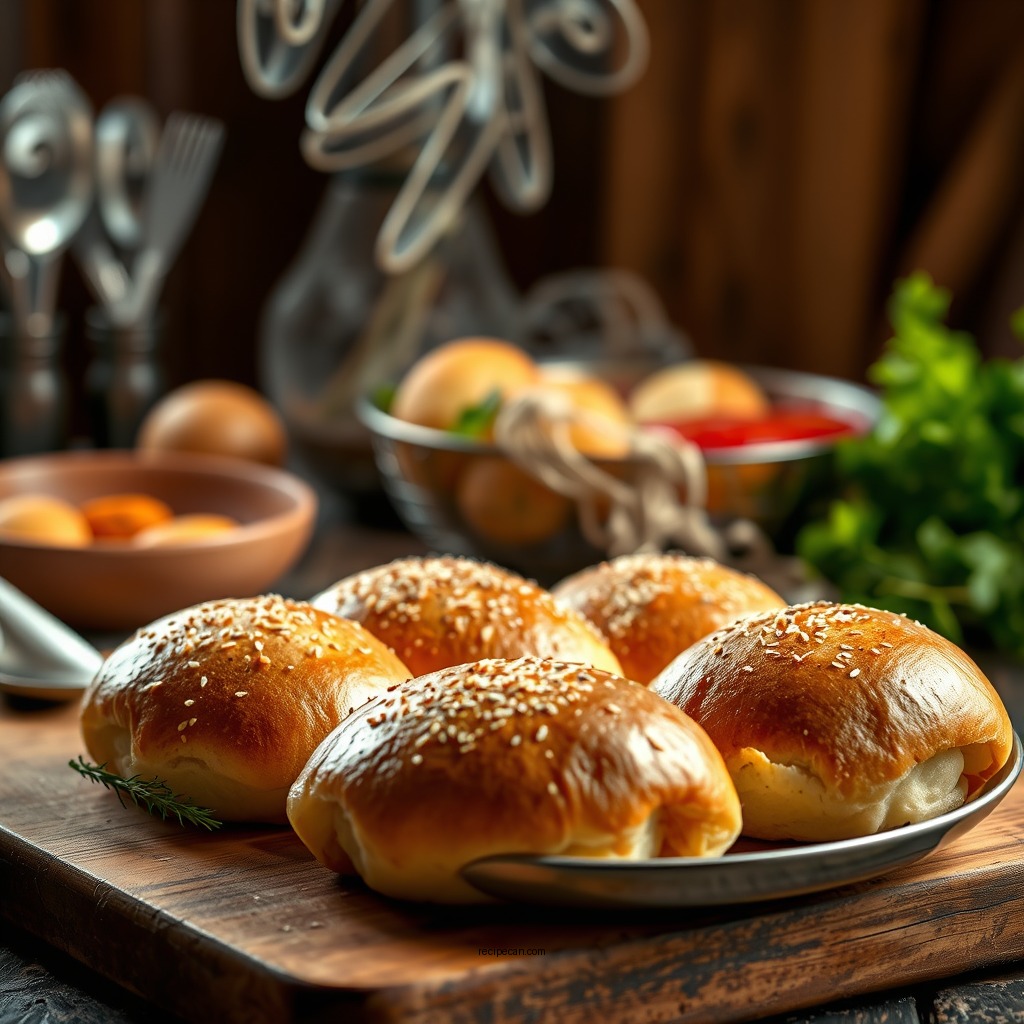
Making homemade rolls is simpler than you might think, and with the right recipe, you can create soft, fluffy rolls that will impress your family and friends. In this article, you’ll learn a straightforward recipe along with tips and tricks to ensure your rolls come out perfect every time.
Key Ingredients for Homemade Rolls

The foundation of any great homemade rolls lies in the quality of its ingredients. Understanding these components is vital for achieving that perfect texture and flavor.
– Flour: For the best texture, use all-purpose flour or bread flour. Bread flour has a higher protein content, which helps create the gluten structure that gives the rolls their chewy, airy quality.
– Yeast: Active dry yeast or instant yeast will work well; just ensure it’s fresh for optimal rise. Yeast is responsible for fermentation, which produces the gases that make the dough rise and become fluffy.
– Sugar: A bit of sugar not only helps activate the yeast but also adds a touch of sweetness that balances the flavor of the rolls. It’s an essential ingredient that enhances the overall taste.
Step-by-Step Instructions
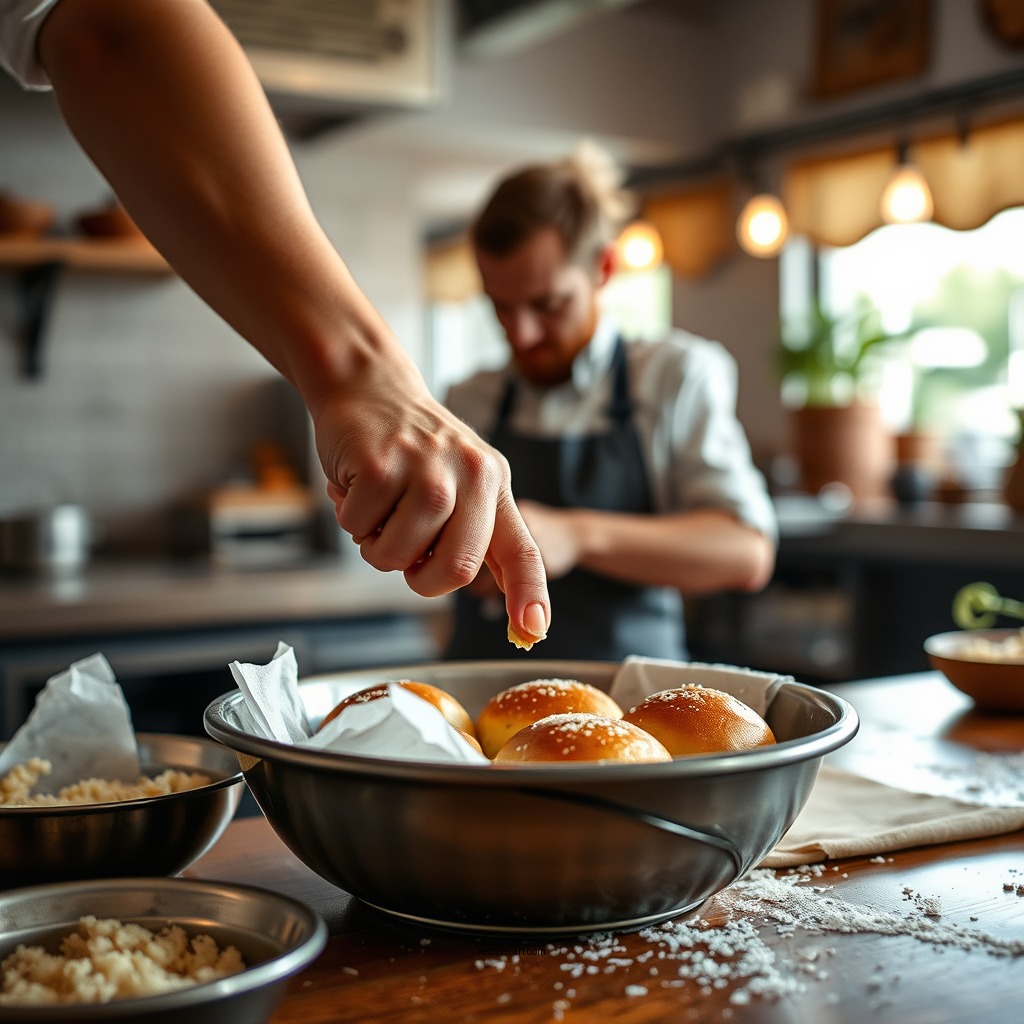
Making rolls from scratch involves a few straightforward steps that anyone can follow. Here’s how to do it:
– Mixing: Begin by combining warm water (around 110°F), yeast, and sugar in a bowl. Allow the mixture to sit for about 5-10 minutes until it becomes bubbly and frothy, indicating that the yeast is active.
– Dough Preparation: In a large mixing bowl, add flour and salt to the yeast mixture. Mix until a dough begins to form. Then knead the dough on a floured surface for about 8-10 minutes until it becomes smooth and elastic. This process develops the gluten, which is crucial for the roll’s structure.
– Rising: Place the kneaded dough in a greased bowl, covering it with a damp cloth or plastic wrap. Allow it to rise in a warm place until it doubles in size, which typically takes about an hour. This step is essential for achieving light and airy rolls.
Shaping the Rolls
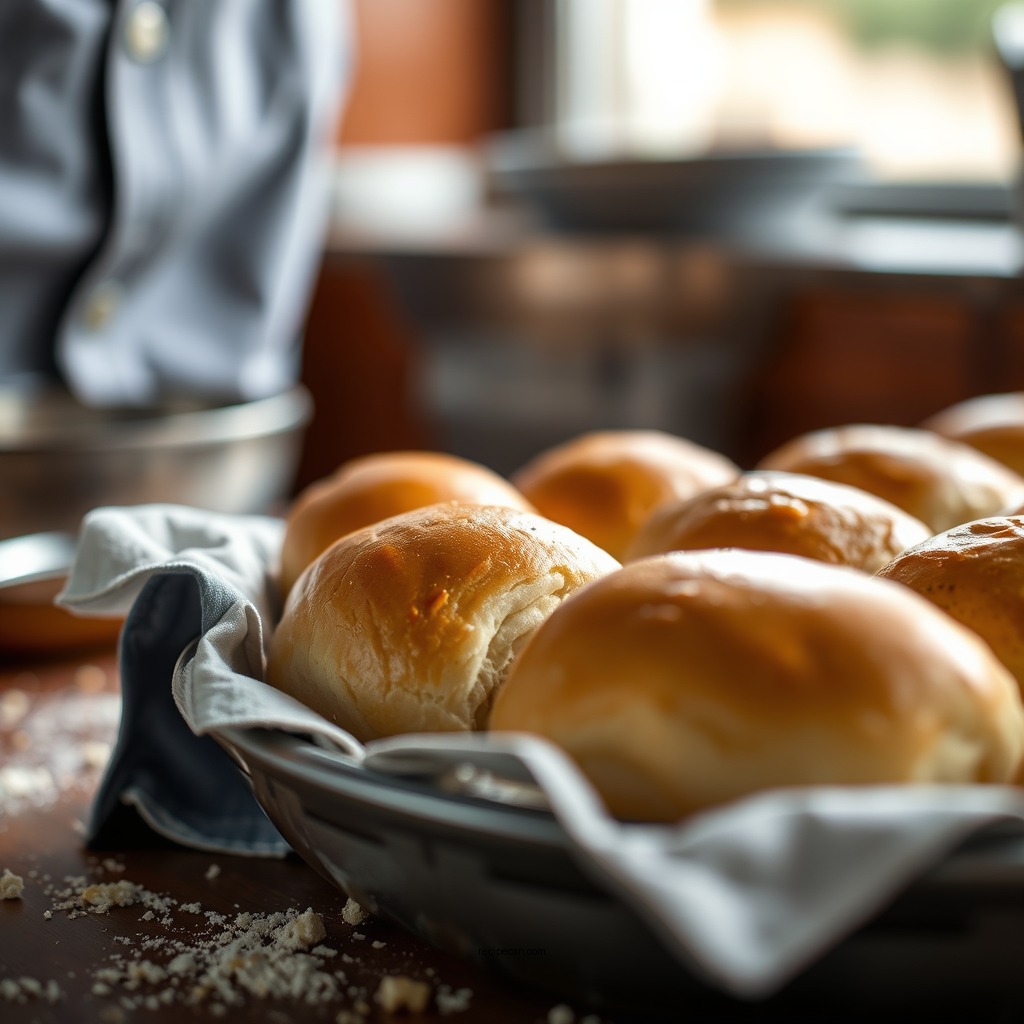
Once your dough has risen to perfection, it’s time to shape those rolls.
– Divide: Gently punch down the risen dough to release air bubbles. Divide the dough into equal portions, depending on the size of rolls you desire. A standard recipe typically yields about 12-15 rolls.
– Shape: Take each portion and roll it into a ball. Place the shaped rolls in a greased baking dish, ensuring they are close but not touching. This allows them to rise together but still maintain their individual shape.
Top 7 Types of Homemade Rolls (Popularity)
| # | Roll Type | Popularity (%) | Ideal For |
|---|---|---|---|
| 1 | Dinner Rolls | 35% | Family Meals |
| 2 | Cinnamon Rolls | 25% | Breakfast |
| 3 | Garlic Rolls | 15% | Dinner Parties |
| 4 | Herb Rolls | 10% | Special Occasions |
| 5 | Sweet Rolls | 10% | Desserts |
| 6 | Potato Rolls | 5% | Family Meals |
| 7 | Cheese Rolls | 5% | Snacks |
Baking Tips for Perfect Rolls
Achieving the perfect homemade rolls requires attention to detail during the baking process.
– Preheat: Always preheat your oven to the correct temperature before placing the rolls inside. This ensures even baking and helps achieve that golden crust.
– Egg Wash: For a beautiful finish, brush the tops of the rolls with melted butter or an egg wash before baking. This step adds a glossy sheen and enhances the flavor.
– Timing: Bake the rolls until they are golden brown and sound hollow when tapped on the bottom. This typically takes about 15-20 minutes, depending on your oven.
Baking Time Comparison for Types of Rolls
Variations to Try
Once you’ve mastered the basic recipe, you can explore various delicious variations to enhance the flavor and texture of your rolls.
– Herb-Infused: Add fresh or dried herbs like rosemary, thyme, or garlic powder to the dough for an aromatic twist. This variation pairs well with roasted meats and can elevate your dinner table.
– Sweet Rolls: Incorporate cinnamon and sugar into the dough or as a filling for a delightful dessert option. Drizzle with icing after baking for an indulgent treat.
– Cheese-Stuffed Rolls: For a savory option, place a small piece of cheese in the center of each roll before shaping them. As they bake, the cheese will melt into a delicious surprise.
Storing and Reheating
To enjoy your homemade rolls over several days, proper storage is essential.
– Storage: Keep leftover rolls in an airtight container at room temperature. They should remain fresh for up to three days. If you want to extend their shelf life, consider freezing them.
– Reheating: To restore softness before serving, warm the rolls in the oven at 350°F for about 5-10 minutes or microwave them for 10-15 seconds, ensuring they remain moist.
In conclusion, making homemade rolls is not only a straightforward process but also a rewarding one. By following the detailed recipe and tips provided, you can create rolls that are sure to impress. Don’t hesitate to experiment with variations to add your unique flair. Try this recipe today, share your results, and explore the endless possibilities of homemade rolls!
Frequently Asked Questions
What are the basic ingredients needed for a homemade rolls recipe?
To make homemade rolls, you typically need all-purpose flour, yeast, sugar, salt, milk, butter, and eggs. These ingredients work together to create a soft and fluffy texture that is perfect for dinner rolls. You can also customize your recipe by adding herbs or spices for added flavor.
How long does it take to make homemade rolls from scratch?
Making homemade rolls from scratch usually takes about 2 to 3 hours, including preparation and rising time. The actual hands-on time is relatively short, around 30 minutes, while the dough needs to rise for about 1 to 1.5 hours. Baking time is usually around 15 to 20 minutes, depending on your oven.
Why did my homemade rolls come out dense instead of fluffy?
Dense homemade rolls can result from several factors, including using expired yeast, not allowing the dough to rise long enough, or adding too much flour. To achieve fluffy rolls, ensure your yeast is fresh, measure your ingredients accurately, and allow the dough to double in size during the rising process.
What is the best way to store homemade rolls to keep them fresh?
To keep homemade rolls fresh, store them in an airtight container at room temperature for up to 2 days. For longer storage, you can freeze the rolls in a freezer bag for up to 3 months. Just be sure to let them cool completely before freezing to maintain their texture.
Which variations can I try for a homemade rolls recipe?
There are numerous delicious variations you can try for homemade rolls, such as adding garlic and herbs for a savory flavor or incorporating cheese for richness. You can also experiment with whole wheat flour for a healthier option or add cinnamon and sugar for a sweet twist. These variations can elevate your homemade rolls and cater to your taste preferences.
References
- https://en.wikipedia.org/wiki/roll_(bread
https://en.wikipedia.org/wiki/roll_(bread - NYT Cooking – Recipes and Cooking Guides From The New York Times
https://www.nytimes.com/recipes/1019795/homemade-dinner-rolls - https://www.sciencedirect.com/topics/food-science/rolls
https://www.sciencedirect.com/topics/food-science/rolls - https://www.jstor.org/stable/10.5325/jfoodscie.70.5.293
https://www.jstor.org/stable/10.5325/jfoodscie.70.5.293 - Google Scholar Google Scholar
https://scholar.google.com/scholar?q=homemade+rolls+recipe - Google Scholar Google Scholar
https://scholar.google.com/scholar?q=bread+making+techniques - Google Scholar Google Scholar
https://scholar.google.com/scholar?q=yeast+rolls+recipe - Bread | Definition, History, Types, & Methods of Preparation | Britannica
https://www.britannica.com/topic/bread - https://www.ncbi.nlm.nih.gov/pmc/articles/PMC7012060/
https://www.ncbi.nlm.nih.gov/pmc/articles/PMC7012060/ - https://en.wikipedia.org/wiki/Special:Search?search=homemade+rolls+recipe
https://en.wikipedia.org/wiki/Special:Search?search=homemade+rolls+recipe