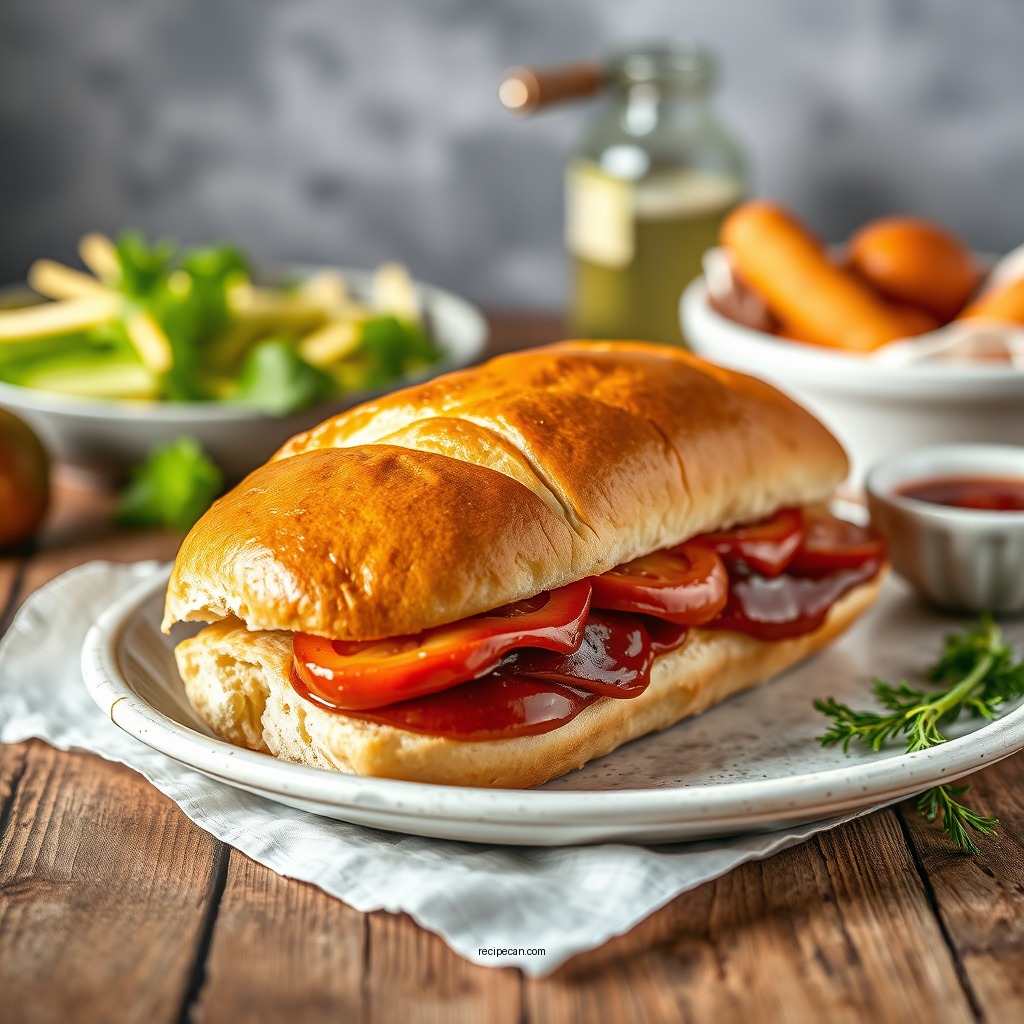
To make perfect hoagie rolls at home, you need a simple recipe that combines flour, water, yeast, and a few other ingredients. This guide will walk you through the steps to create soft, chewy rolls that are ideal for your favorite sandwiches. Homemade hoagie rolls not only elevate your sandwich game but also provide a rewarding baking experience. Whether you’re preparing a classic Italian hoagie or a loaded sub with all the fixings, these rolls are a must-try.
Ingredients You’ll Need
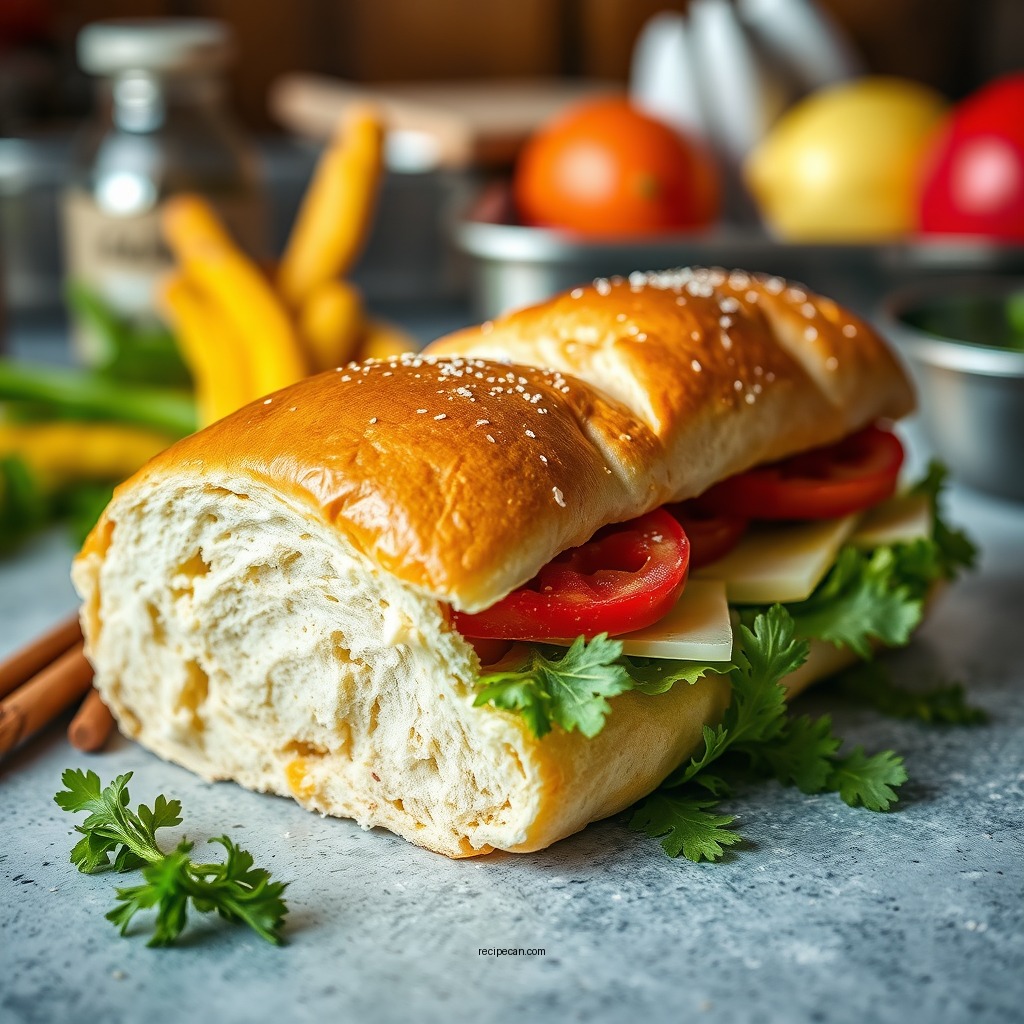
To create the perfect hoagie rolls, gather the following ingredients:
– All-purpose flour: This is the backbone of your dough, providing the right texture and structure. It contains the necessary gluten to enable the rolls to rise and hold their shape.
– Active dry yeast: Essential for leavening, yeast ferments the sugars in the dough, producing carbon dioxide that helps the rolls rise and become fluffy.
– Warm water: This activates the yeast, ensuring that it wakes up and works effectively in the dough.
– Sugar: A small amount of sugar adds a hint of sweetness and serves as food for the yeast, promoting better fermentation.
– Salt: This ingredient enhances flavor and controls the fermentation process, ensuring your rolls taste delicious without overpowering the other ingredients.
Preparing the Dough
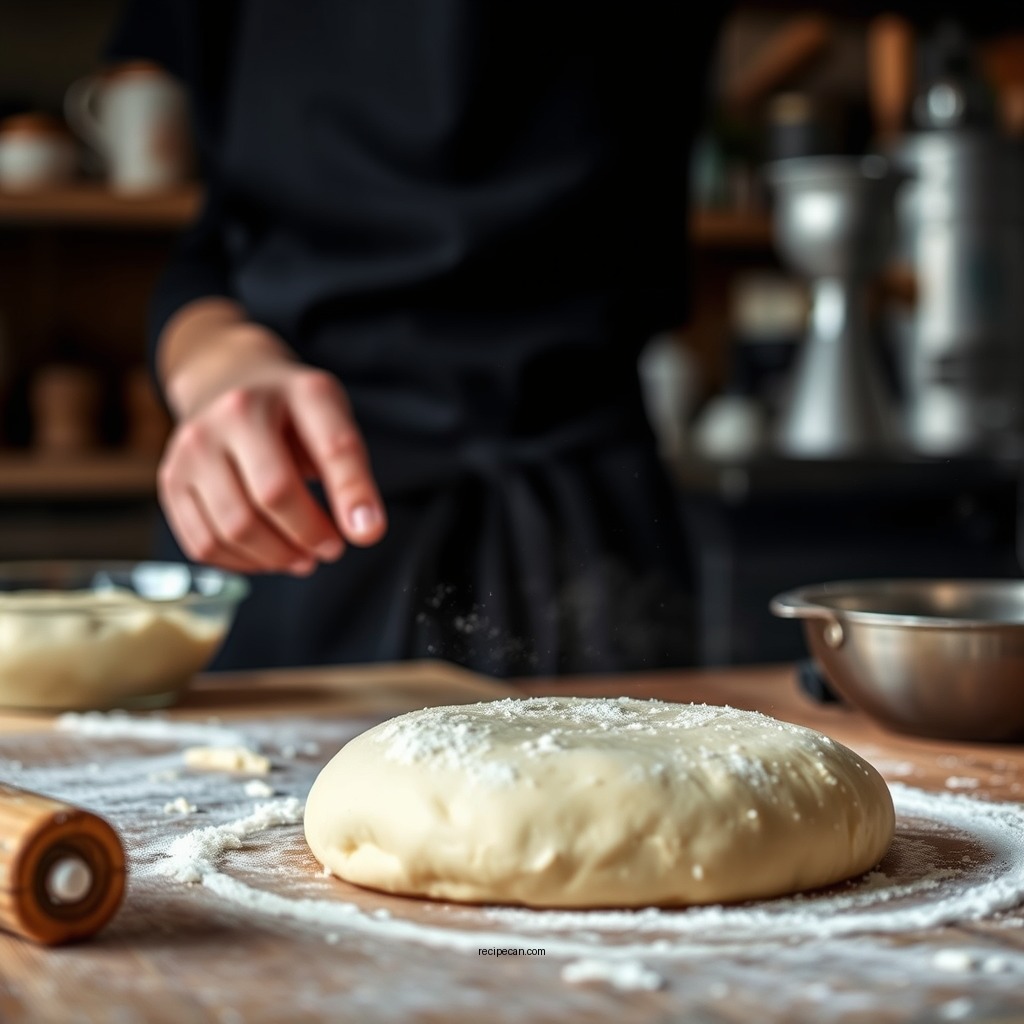
Creating the dough is straightforward and requires a bit of patience:
1. Combine warm water, sugar, and yeast: In a mixing bowl, combine approximately 1 cup of warm water (about 110°F or 43°C) with 2 teaspoons of sugar and 2 ¼ teaspoons (or one packet) of active dry yeast. Stir gently and let it sit for about 5-10 minutes until it becomes frothy. This indicates that the yeast is active.
2. Mix in flour and salt: Gradually add 3 cups of all-purpose flour and 1 teaspoon of salt to the yeast mixture. You can either use a spoon or a stand mixer with a dough hook attachment for this step. Mix until a shaggy dough forms.
3. Knead the dough: Turn the dough out onto a floured surface and knead for about 10 minutes until it becomes smooth and elastic. If you are using a mixer, knead on medium speed for about 6-8 minutes. Proper kneading develops the gluten, giving the rolls their chewy texture.
Letting the Dough Rise
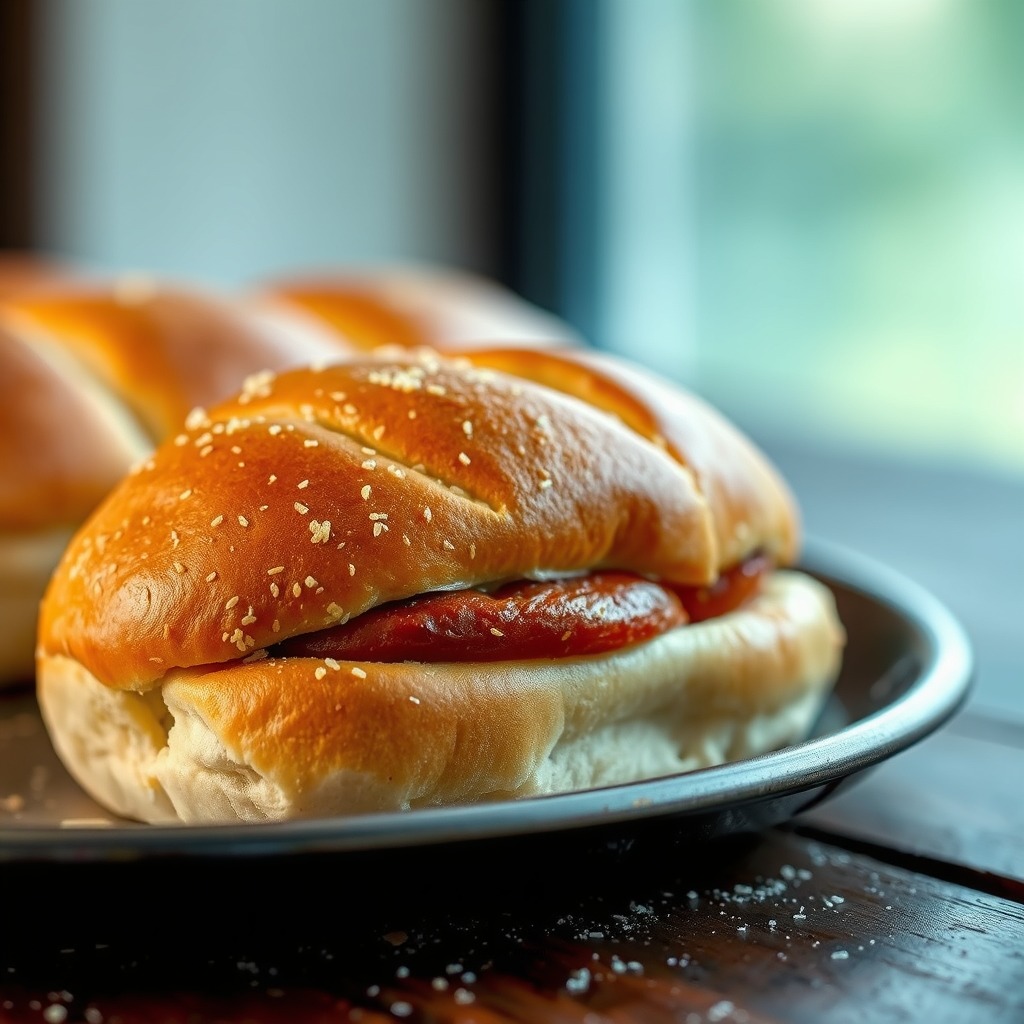
The rising process is crucial for achieving soft and airy hoagie rolls:
1. Place the kneaded dough in a warm area: Transfer the dough to a lightly greased bowl, turning it to coat all sides. This prevents the dough from drying out.
2. Cover the bowl: Use a damp cloth or plastic wrap to cover the bowl. This traps heat and moisture, providing an ideal environment for rising.
3. Time to rise: Allow the dough to rise in a warm, draft-free area for approximately 1 hour or until it has doubled in size. A warm oven (turned off) or a sunny spot in your kitchen works well.
Shaping the Rolls
Once the dough has risen, it’s time to shape your rolls:
1. Divide the risen dough: Punch down the dough to release excess air. Divide the dough into 6-8 equal portions, depending on how large you want your hoagie rolls.
2. Shape each portion: Take each piece of dough and shape it into a long oval. Aim for about 6-8 inches in length, tapering the ends slightly for that classic hoagie appearance.
3. Prepare for baking: Place the shaped rolls on a baking sheet lined with parchment paper, ensuring there’s enough space between them for further rising.
Baking the Rolls
The baking process is the final step in creating your delicious hoagie rolls:
1. Preheat the oven: Set your oven to 375°F (190°C) while the shaped rolls rise for about 30 minutes. This ensures they remain warm and continue to rise slightly.
2. Bake the rolls: Place the baking sheet in the oven and bake for about 15-20 minutes or until the rolls are golden brown on top. They should sound hollow when tapped on the bottom.
3. Optional finishing touch: For added flavor and a glossy finish, brush the rolls with melted butter immediately after removing them from the oven.
Storing and Serving Suggestions
Once your homemade hoagie rolls have cooled, here are some tips for storage and serving:
1. Cooling: Allow the rolls to cool completely on a wire rack. This helps maintain their texture and prevents them from becoming soggy.
2. Storage: Store the rolls in an airtight container at room temperature for up to 3 days. For longer storage, consider freezing them. Wrap each roll in plastic wrap and place them in a freezer bag, where they can last for up to 3 months.
3. Serving ideas: These rolls are perfect for a variety of fillings. Consider classic options like sliced deli meats, lettuce, tomato, and cheese, or experiment with Mediterranean ingredients like roasted peppers and olives. The versatility of hoagie rolls means you can create sandwiches for any occasion, ranging from casual lunches to elegant gatherings.
Nutritional Comparison of Hoagie Roll Ingredients
| # | Ingredient | Calories (per 100g) | Carbohydrates (g) | Protein (g) | Fat (g) |
|---|---|---|---|---|---|
| 1 | All-purpose flour | 364 | 76 | 10 | 1 |
| 2 | Active dry yeast | 325 | 73 | 36 | 1 |
| 3 | Sugar | 387 | 100 | 0 | 0 |
| 4 | Salt | 0 | 0 | 0 | 0 |
| 5 | Warm water | 0 | 0 | 0 | 0 |
Baking Time vs. Texture of Hoagie Rolls
Creating your own hoagie rolls at home is a fulfilling endeavor, allowing you to enjoy fresh bread tailored to your tastes. By following this easy recipe, you’ll produce delicious, soft rolls that enhance every sandwich you make. Experiment with different ingredients and fillings to create unique and satisfying meals. Enjoy your homemade creations, and share them with friends and family to showcase your baking skills.
Frequently Asked Questions
What ingredients do I need for a basic hoagie roll recipe?
A basic hoagie roll recipe typically requires all-purpose flour, warm water, yeast, sugar, salt, and olive oil. For added flavor and texture, you can also incorporate vital wheat gluten or milk. Make sure to use high-quality ingredients to achieve the best results in your homemade rolls.
How do I make hoagie rolls that are soft and chewy?
To achieve soft and chewy hoagie rolls, focus on proper kneading and rising times. Knead the dough for about 8-10 minutes until it’s smooth and elastic, then let it rise in a warm place until doubled in size. Additionally, using a dough enhancer like vital wheat gluten can help improve the texture.
Why did my hoagie rolls turn out dense instead of light and fluffy?
Dense hoagie rolls can result from several factors, including insufficient kneading, not allowing the dough to rise adequately, or using expired yeast. Ensure your yeast is fresh and active, and watch for the dough to double in size during the first rise. Also, avoid over-flouring your dough, which can lead to heavy rolls.
What is the best way to store homemade hoagie rolls?
The best way to store homemade hoagie rolls is to let them cool completely and then wrap them in plastic wrap or aluminum foil. Store them at room temperature for up to two days, or freeze them for longer storage. If freezing, place the rolls in a resealable bag and remove as much air as possible to prevent freezer burn.
Which toppings pair best with homemade hoagie rolls?
Homemade hoagie rolls pair well with a variety of toppings, including deli meats like turkey, ham, and salami, as well as fresh vegetables like lettuce, tomatoes, and onions. For added flavor, consider including cheeses such as provolone or mozzarella, and don’t forget condiments like mayonnaise, mustard, or a tangy hoagie dressing for the perfect sandwich experience.
References
- Submarine sandwich
https://en.wikipedia.org/wiki/Hoagie - https://scholar.google.com/scholar?q=hoagie+roll+recipe Google Scholar
https://scholar.google.com/scholar?q=hoagie+roll+recipe - https://www.bbc.com/food/recipes/hoagie_rolls_92662
https://www.bbc.com/food/recipes/hoagie_rolls_92662 - Google Scholar Google Scholar
https://scholar.google.com/scholar?q=hoagie+recipe - https://www.ncbi.nlm.nih.gov/pmc/articles/PMC6457312/
https://www.ncbi.nlm.nih.gov/pmc/articles/PMC6457312/ - https://www.sciencedirect.com/topics/food-science/hoagie
https://www.sciencedirect.com/topics/food-science/hoagie - https://www.verywellfit.com/what-is-a-hoagie-4682500
https://www.verywellfit.com/what-is-a-hoagie-4682500 - https://pubmed.ncbi.nlm.nih.gov/26828673/
https://pubmed.ncbi.nlm.nih.gov/26828673/ - Hoagie | Sandwich, Filling, & History | Britannica
https://www.britannica.com/topic/hoagie - https://www.theguardian.com/food/2020/jul/02/hoagie-sandwich-regional-variations-usa
https://www.theguardian.com/food/2020/jul/02/hoagie-sandwich-regional-variations-usa