Creating a light and airy mousse filling is easier than you think! In just a few steps, you can whip up a delightful mousse that can be used in cakes, pastries, or enjoyed on its own. This article will guide you through a simple mousse filling recipe, including tips for customization and serving suggestions that will elevate your desserts to the next level.
The beauty of mousse lies in its versatility and the ease with which it can be prepared. With just a handful of ingredients, you can create a rich, creamy filling that complements various desserts, from layered cakes to fruit tarts. Whether you’re an experienced pastry chef or a home cook looking to impress, mastering this mousse filling recipe is a rewarding endeavor.
Ingredients You’ll Need

To create a delectable mousse filling, you’ll need the following ingredients:
– Heavy Cream: This is the backbone of your mousse, providing a rich and creamy texture. Make sure to use heavy or whipping cream with at least 36% fat content for the best results.
– Sugar: Granulated sugar is used to sweeten the mousse and balance its flavors. The amount can be adjusted based on the desired sweetness and the flavor profile of your mousse.
– Flavoring Options: You can customize your mousse by incorporating different flavoring agents. Popular choices include:
– Chocolate: Melted dark, milk, or white chocolate adds richness and depth.
– Vanilla: Pure vanilla extract or vanilla bean paste infuses a classic flavor.
– Fruit Puree: Pureed fresh fruits such as strawberries, raspberries, or passion fruit impart a refreshing and vibrant taste.
These basic ingredients can be easily modified to create unique mousse variations that suit your preferences and seasonal ingredients.
Step-by-Step Instructions

1. Whip the Cream: Begin by pouring the heavy cream into a mixing bowl. Using an electric mixer or a whisk, whip the cream on medium speed until it reaches soft peaks. This means that when you lift the whisk, the cream will form soft, floppy peaks that hold their shape but are not yet fully stiff.
2. Add Sugar Gradually: Once you achieve soft peaks, gradually add the granulated sugar while continuing to whip the cream. Increase the mixer speed to high and continue whipping until stiff peaks form. Stiff peaks will stand straight up when the whisk is lifted, indicating that the cream is fully whipped and aerated.
3. Incorporate Flavoring: Depending on your choice of flavor, gently fold in the melted chocolate (cooled slightly), vanilla extract, or fruit puree into the whipped cream. Use a spatula and fold carefully to avoid deflating the whipped cream, ensuring the mousse retains its light and airy texture.
4. Chill the Mousse: Transfer the mousse into a container or individual serving dishes and refrigerate for at least 1-2 hours. Chilling allows the mousse to set properly, enhancing both its texture and flavor.
5. Serve and Enjoy: Once set, your mousse is ready to be served. You can garnish it with additional whipped cream, fresh fruit, chocolate shavings, or a drizzle of sauce for an extra touch of elegance.
Flavor Variations
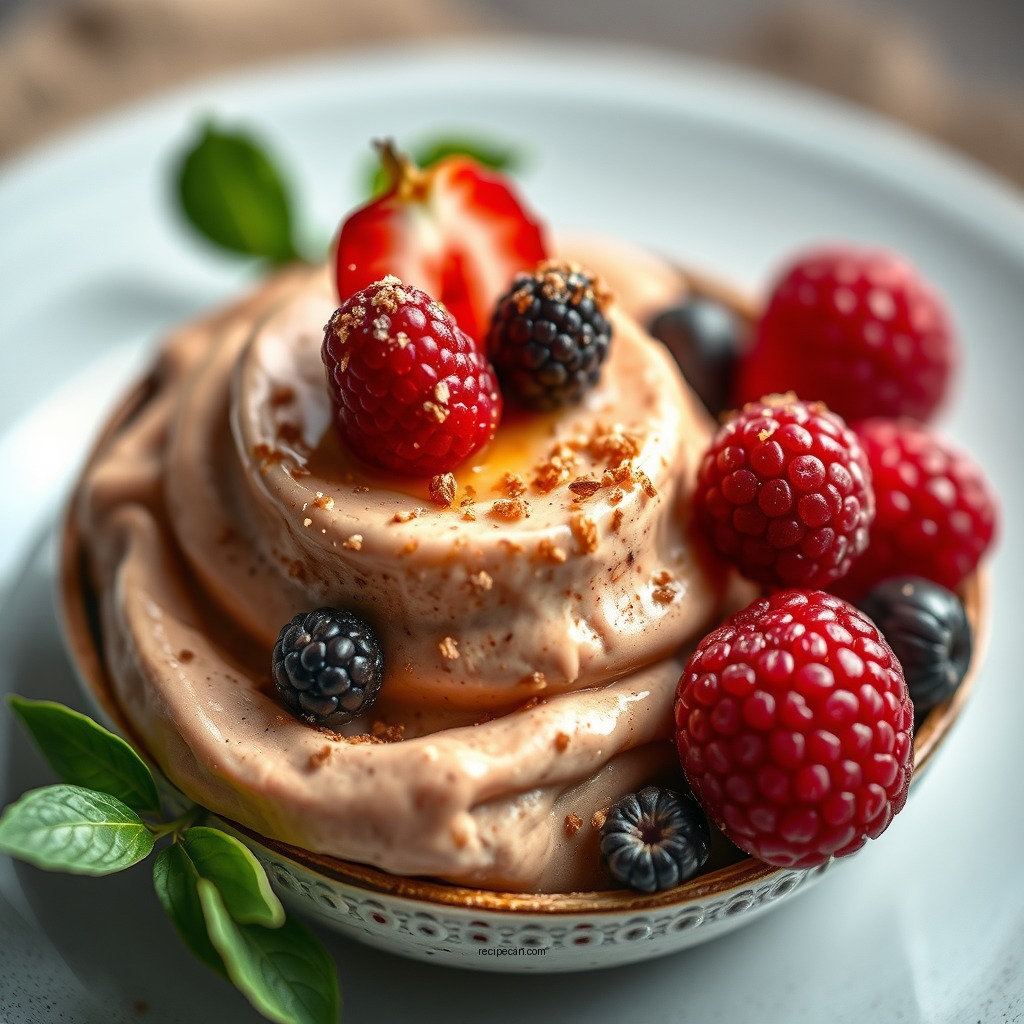
The versatility of mousse allows for a wide range of flavor variations:
– Chocolate Mousse: For a classic chocolate mousse, melt about 200 grams of chocolate and let it cool slightly before folding it into the whipped cream. This creates a rich and indulgent dessert.
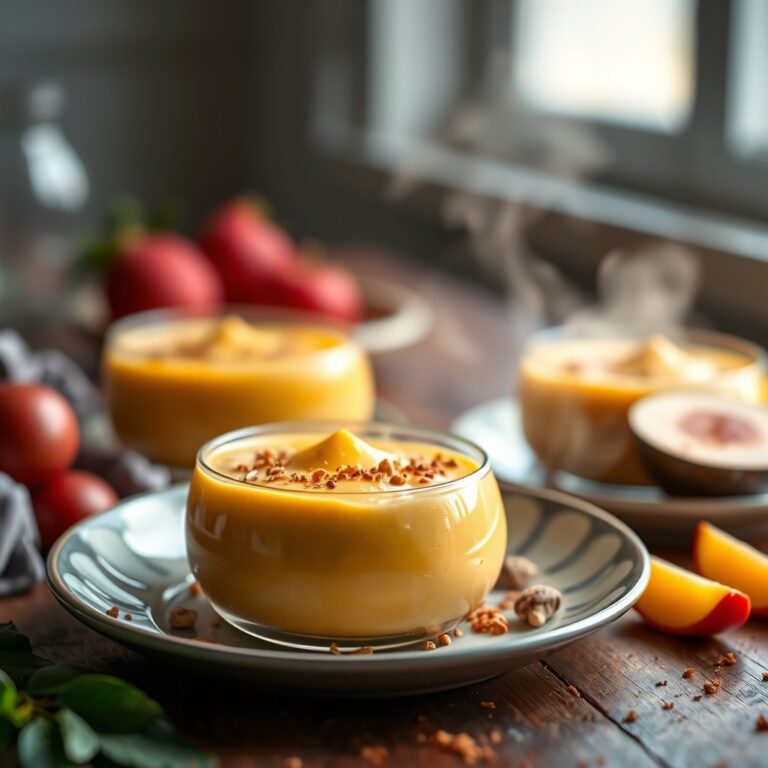
– Fruit Mousse: Incorporate about 1 cup of fruit puree (such as strawberry or mango) into the whipped cream for a fresh and fruity twist. Adjust the sugar accordingly based on the sweetness of the fruit used.
– Coffee Mousse: For coffee lovers, dissolve a tablespoon of instant coffee in a small amount of hot water, let it cool, and then fold it into the whipped cream for a delightful coffee-flavored mousse.
– Nut Mousse: Add finely ground nuts like pistachios or hazelnuts to the mousse base for a nutty flavor and a unique texture.
Each variation can be tailored to fit different occasions, making mousse a perfect choice for any dessert table.
Top 7 Mousse Variations (2024)
| # | Flavor | Popularity (%) | Complexity Level |
|---|---|---|---|
| 1 | Chocolate Mousse | 35% | Medium |
| 2 | Fruit Mousse | 25% | Easy |
| 3 | Vanilla Mousse | 20% | Easy |
| 4 | Coffee Mousse | 10% | Medium |
| 5 | Nut Mousse | 5% | High |
| 6 | Marble Mousse | 3% | High |
| 7 | Coconut Mousse | 2% | Low |
Tips for Perfecting Your Mousse
To ensure your mousse reaches its full potential, consider the following tips:
– Chill Ingredients: Start by chilling your heavy cream, mixing bowl, and beaters in the refrigerator for at least 15 minutes before whipping. Cold ingredients whip better and faster, producing a more stable mousse.
– Gentle Folding: When incorporating flavoring or additional ingredients, use a gentle folding technique to preserve the airiness of the whipped cream. This prevents the mousse from deflating and maintains its light texture.
– Taste and Adjust: Always taste your mousse before serving. If using fruit purees or chocolate, adjust the sugar level accordingly. The goal is to achieve a balanced flavor that’s neither too sweet nor too bland.
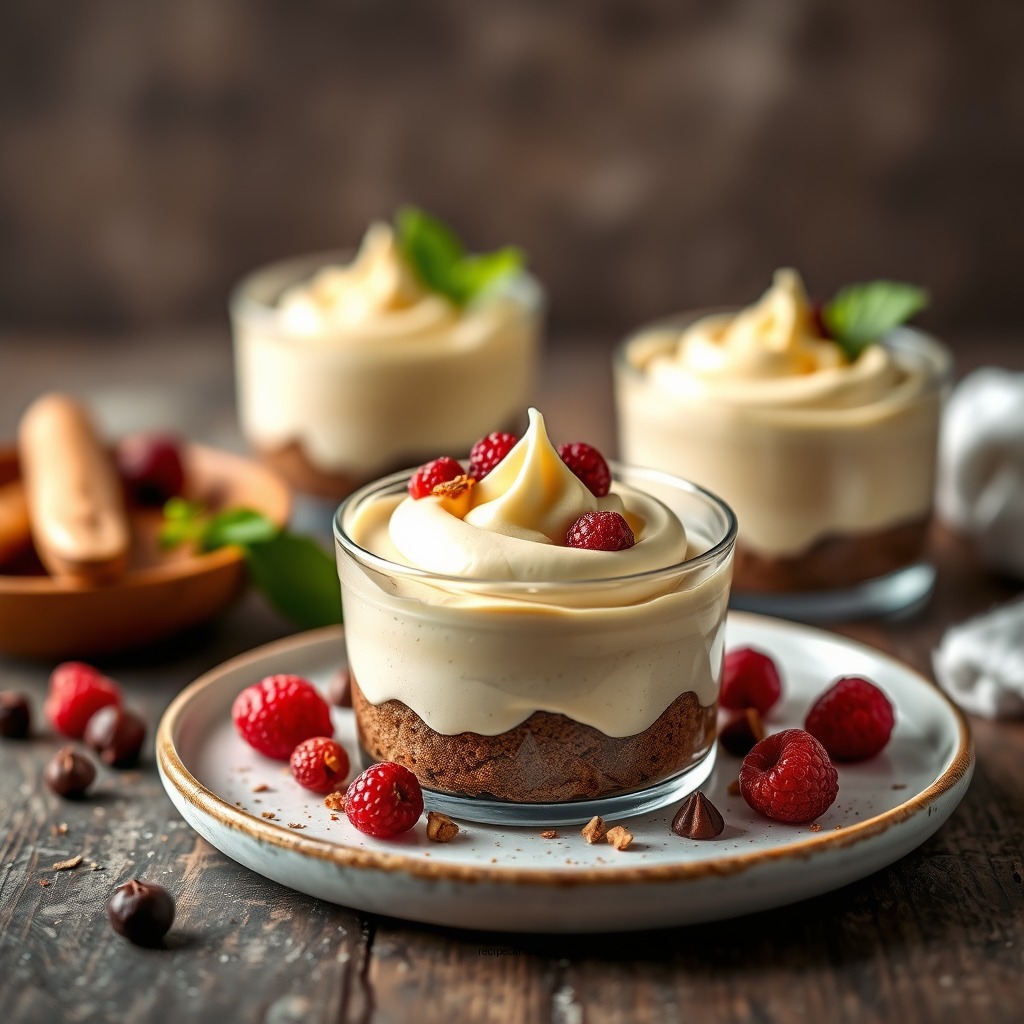
– Experiment with Textures: For a more complex texture, consider incorporating a layer of crispy elements, such as crumbled cookies or chocolate wafers, at the bottom of your serving cups.
– Perfect Timing: Allow sufficient chilling time for your mousse to set. A rushed mousse may not achieve the desired creamy texture and could be too soft to hold its shape.
Serving Suggestions
Presentation is key when serving mousse. Here are some elegant serving suggestions:
– Individual Cups: Serve the mousse in small glass cups or ramekins for a sophisticated touch. This allows guests to appreciate the beautiful layers and colors of the dessert.
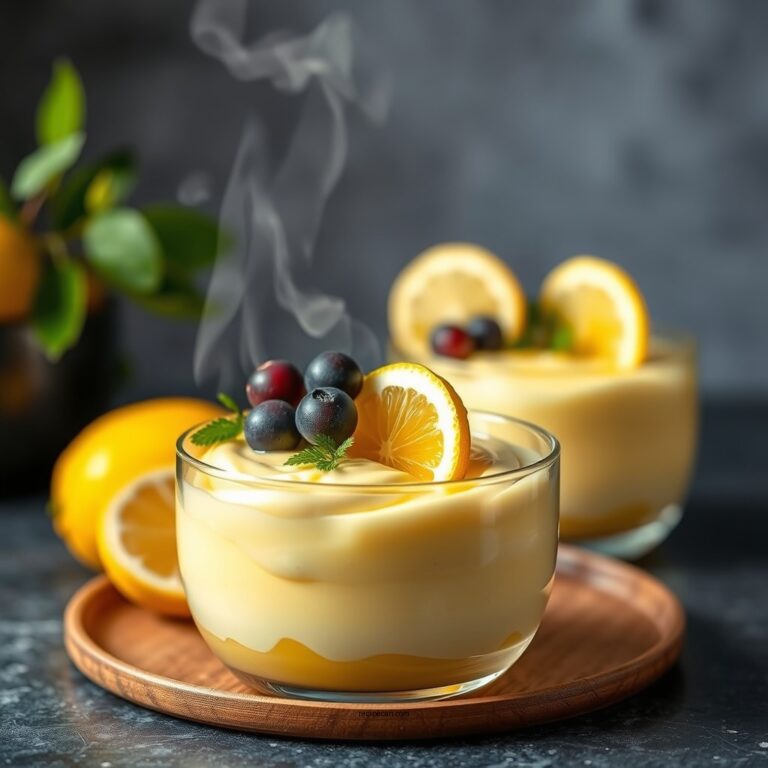
– Garnishes: Enhance the visual appeal by topping each mousse with fresh fruit, chocolate shavings, or a light dusting of cocoa powder. A sprig of mint can also add a touch of freshness.
– Layered Desserts: Consider layering the mousse with cake or crumbled cookies to create a trifle-like dessert. This not only adds texture but also makes for an eye-catching presentation.
– Sauce Drizzle: A drizzle of chocolate or caramel sauce over the top before serving can elevate the dessert’s flavor profile and add an extra layer of richness.
Mousse Flavor Preferences Among Dessert Lovers (2024)
Common Mistakes to Avoid
Even the simplest recipes can go awry without attention to detail. Here are some common mistakes to steer clear of when making mousse:
– Overwhipping the Cream: It’s crucial to stop whipping as soon as you reach stiff peaks. Overwhipping can lead to a grainy texture and make the mousse difficult to incorporate smoothly.
– Skipping Chilling Time: Allowing the mousse to chill is essential for achieving the right consistency. Skipping this step may result in a mousse that is too soft.
– Not Tasting as You Go: Always taste your mousse before serving. Adjust the sweetness or flavoring as needed to ensure a delightful balance.
– Using Warm Ingredients: Ensure your cream and any melted chocolate or fruit puree are at room temperature before mixing. Warm ingredients can cause the whipped cream to deflate.
– Ignoring Fold Technique: Use a gentle folding method to combine ingredients. Stirring too vigorously can deflate the air you’ve incorporated, resulting in a denser texture.
By being mindful of these aspects, you can create a perfectly airy and delightful mousse every time.
Creating a mousse filling is a straightforward process that opens up numerous dessert possibilities. By following this recipe and tips, you can impress your friends and family with your culinary skills. Remember to experiment with flavors and presentations, and don’t hesitate to put your own twist on this classic dessert. Ready to get started? Gather your ingredients and whip up a delicious mousse today!
Frequently Asked Questions
What ingredients do I need for a basic mousse filling recipe?
To create a basic mousse filling, you’ll need heavy cream, sugar, and your choice of flavoring such as chocolate, fruit puree, or vanilla extract. Additionally, you may require gelatin for stabilization if you want a firmer texture, particularly for cake fillings or desserts that need to hold their shape.
How do I make chocolate mousse filling from scratch?
To make chocolate mousse filling, melt high-quality dark chocolate and let it cool slightly. Whip heavy cream with sugar until soft peaks form, then fold the cooled chocolate into the whipped cream gently. This method creates a light and airy chocolate mousse that is perfect for cakes or pastries.
Why is my mousse filling not setting properly?
If your mousse filling is not setting, it may be due to insufficient chilling time or not using enough stabilizing agents like gelatin. Ensure that you allow the mousse to chill in the refrigerator for at least a few hours after preparation to achieve the desired consistency.
What is the best way to incorporate fruit into a mousse filling?
The best way to incorporate fruit into a mousse filling is by using fruit puree. Puree the fruit of your choice, such as strawberries or mango, and fold it into the whipped cream base gently. This method ensures that the mousse maintains its light texture while infusing it with fresh fruit flavor.
Which types of desserts can I use mousse filling in?
Mousse filling is incredibly versatile and can be used in various desserts such as layered cakes, cupcakes, tarts, or even as a standalone dessert in glasses. Its light and airy texture makes it an excellent choice for offsetting denser cakes, adding a delightful contrast in flavors and textures.
References
- Mousse
https://en.wikipedia.org/wiki/Mousse - https://www.britannica.com/food/mousse
https://www.britannica.com/food/mousse - Google Scholar Google Scholar
https://scholar.google.com/scholar?q=mousse+filling+recipe - Google Scholar Google Scholar
https://scholar.google.com/scholar?q=mousse+dessert+recipes - Google Scholar Google Scholar
https://scholar.google.com/scholar?q=culinary+techniques+mousse - https://www.sciencedirect.com/topics/food-science/mousse
https://www.sciencedirect.com/topics/food-science/mousse - https://www.nhlbi.nih.gov/health-topics/mousse-recipes
https://www.nhlbi.nih.gov/health-topics/mousse-recipes - https://www.ncbi.nlm.nih.gov/pmc/articles/PMC7012750/
https://www.ncbi.nlm.nih.gov/pmc/articles/PMC7012750/ - https://www.cdc.gov/nutrition/food-safety.html
https://www.cdc.gov/nutrition/food-safety.html - https://www.who.int/news-room/fact-sheets/detail/healthy-diet
https://www.who.int/news-room/fact-sheets/detail/healthy-diet