Making mousse is straightforward and requires just a few key ingredients to create a light, airy dessert. In this guide, you’ll learn how to prepare a classic mousse from scratch, ensuring you impress your guests with this delicious treat. The beauty of mousse lies in its versatility; it can be made with chocolate, fruit, or even savory components, making it a perfect choice for any occasion.
Understanding Mousse
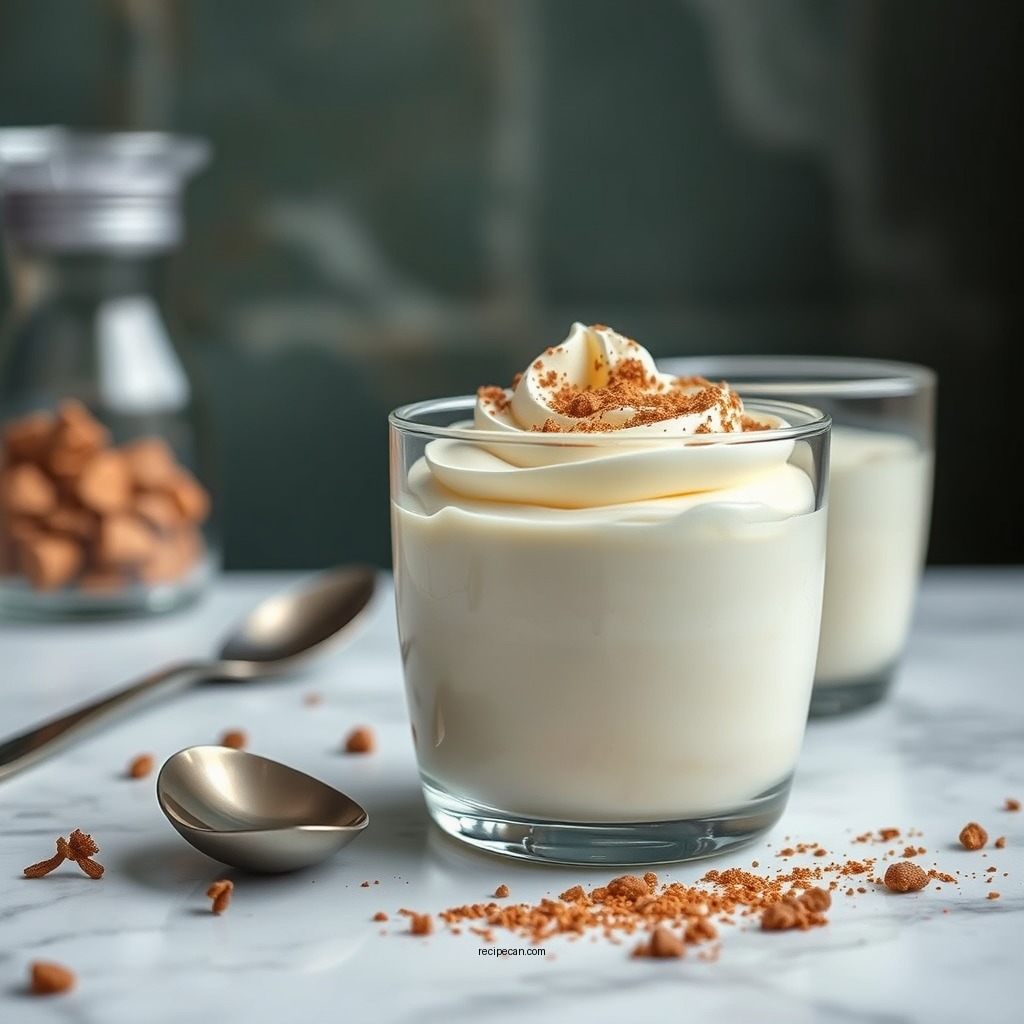
Mousse is a French dessert that can be sweet or savory, characterized by its light and fluffy texture. The term “mousse” translates to “foam” in French, aptly describing the airy consistency that defines this dessert. The texture is achieved by incorporating air into the mixture, typically using whipped cream or egg whites. This technique not only lightens the dessert but also adds volume, creating a delightful mouthfeel that is both indulgent and refreshing.
Sweet mousses often feature rich ingredients like chocolate or fruit puree, while savory variations can include ingredients such as cheese or vegetables. The adaptability of mousse allows for a wide range of flavors and presentations, making it a favorite among pastry chefs and home bakers alike.
Essential Ingredients
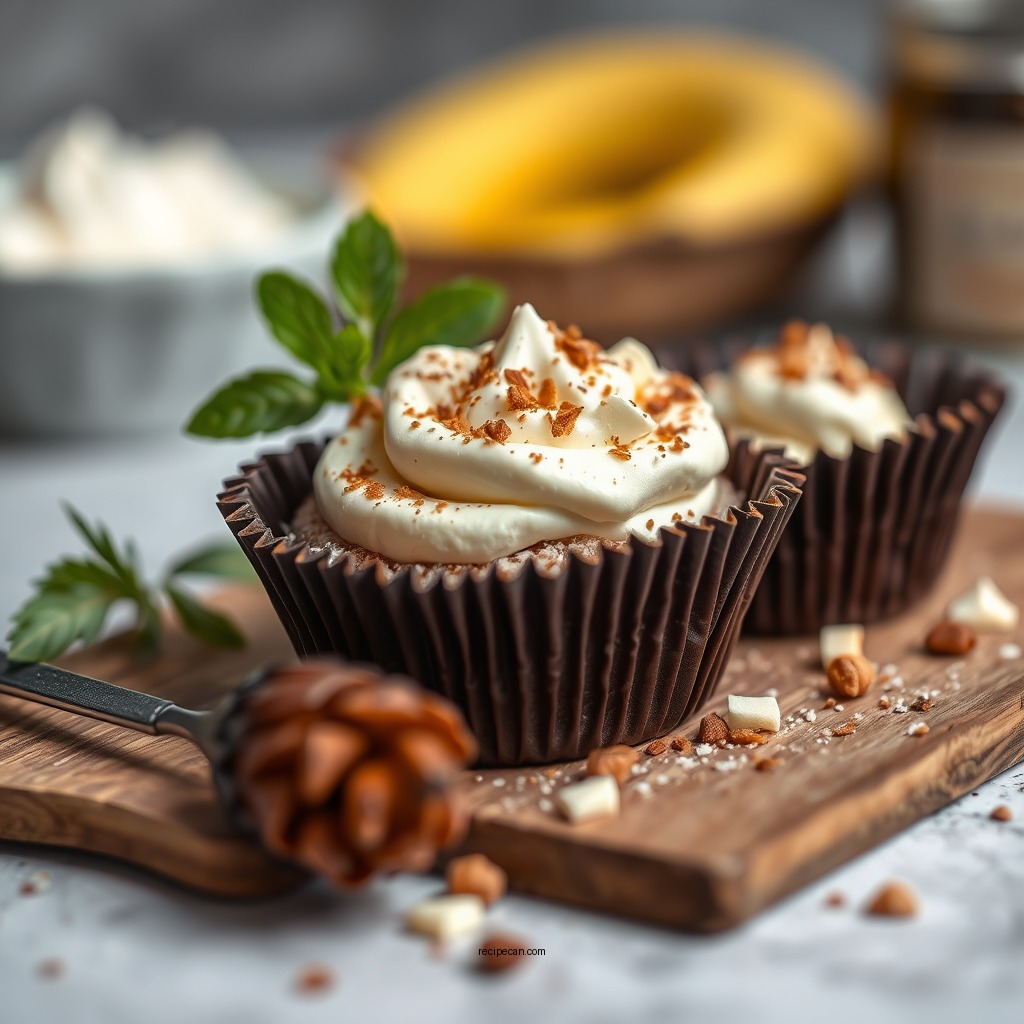
To create a classic mousse, a few essential ingredients are required:
– Chocolate: Dark, milk, or white chocolate can be used, depending on your flavor preference. Quality chocolate is crucial for achieving a rich and satisfying taste.
– Cream: Heavy whipping cream is ideal for sweet mousses, adding richness and structure. For savory mousses, crème fraîche or sour cream may be used.
– Sugar: Granulated sugar is commonly added to sweeten the mousse, balancing the richness of the chocolate or cream.
– Eggs: Whole eggs or egg whites are often incorporated to provide structure and stability. They should be fresh and at room temperature for best results.
Variations of mousse can incorporate fruits, nuts, or flavor extracts to enhance the taste. For example, incorporating raspberry puree or almond extract can elevate the flavor profile and add complexity to the dish.
Step-by-Step Instructions
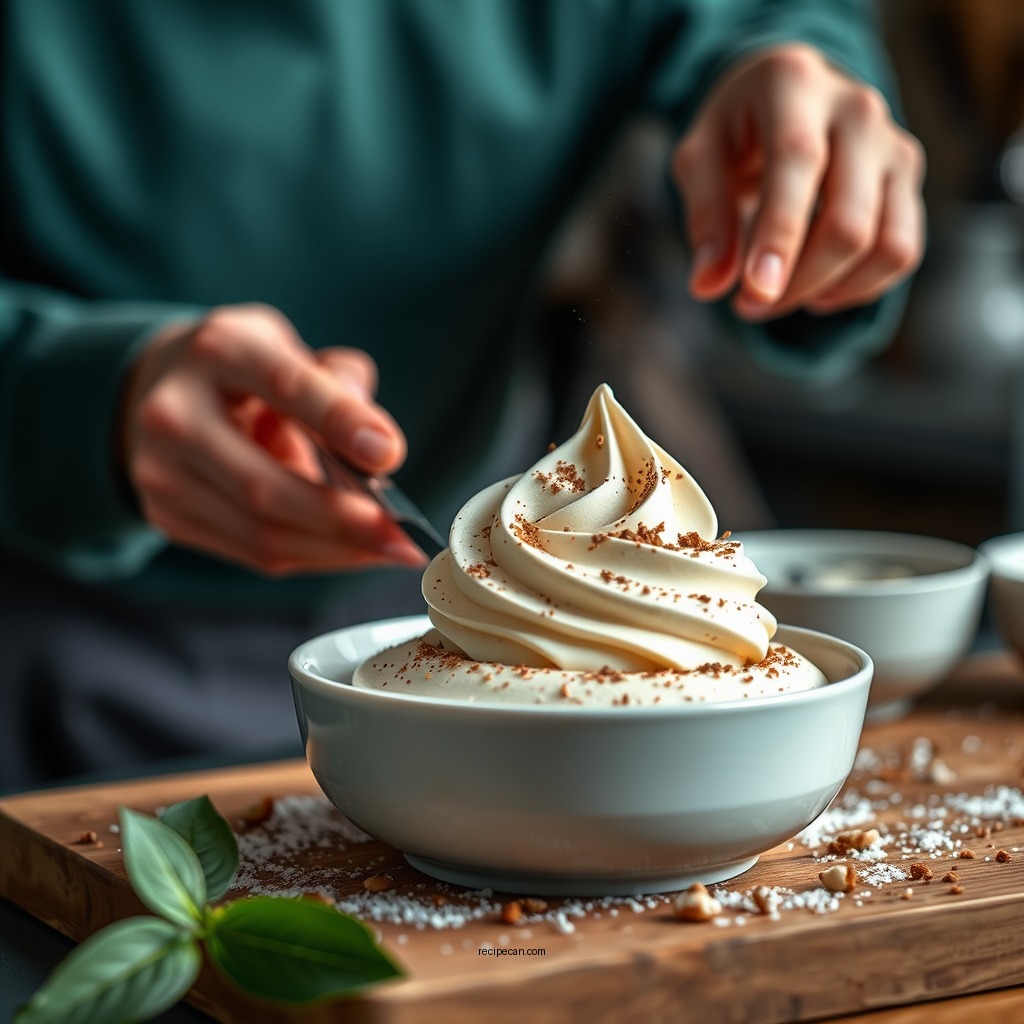
Making mousse involves a few simple steps that can be accomplished with ease. Here’s a straightforward method to prepare chocolate mousse:
1. Melt the Chocolate:
– Begin by finely chopping the chocolate and melting it in a heatproof bowl over a pot of simmering water (bain-marie) or in short bursts in the microwave. Stir until smooth and allow it to cool slightly.
2. Whip the Cream or Egg Whites:
– In a separate bowl, whip the heavy cream until soft peaks form, or if using egg whites, beat them until stiff peaks form. This step is crucial as it introduces air into the mixture, giving mousse its characteristic lightness.
3. Combine the Mixtures:
– Gently fold the whipped cream or egg whites into the melted chocolate until no streaks remain. Be careful not to overmix, as this can deflate the air you’ve just incorporated.
4. Chill:
– Spoon the mousse into individual cups or a serving bowl and refrigerate for at least 2 hours to set.
5. Serve:
– Once chilled, your mousse is ready to be served.
📋 MANDATORY DATA TABLE
Classic Mousse Variants and Their Key Ingredients
| # | Mousse Type | Main Ingredient | Serving Size (g) | Calories |
|---|---|---|---|---|
| 1 | Chocolate Mousse | Dark Chocolate | 150 | 250 |
| 2 | Vanilla Mousse | Vanilla Extract | 150 | 220 |
| 3 | Fruit Mousse | Fruit Puree | 150 | 180 |
| 4 | Coffee Mousse | Espresso | 150 | 260 |
| 5 | Mango Mousse | Mango Puree | 150 | 190 |
| 6 | Lemon Mousse | Lemon Zest | 150 | 170 |
📈 MANDATORY BAR CHART
Popularity of Mousse Variants (Popularity Index)
Tips for Perfecting Your Mousse
Perfecting mousse requires attention to detail and some techniques that can make a significant difference in the final product:
– Room Temperature Ingredients: Ensure all ingredients, especially eggs and cream, are at room temperature before use. This helps improve emulsification and ensures a smooth mixture.
– Gentle Folding: When combining the whipped cream or egg whites with the chocolate mixture, fold gently using a spatula. This technique preserves the airiness of the whipped elements, which is crucial for achieving the desired texture.
– Chilling Time: Allow the mousse to chill for at least a couple of hours. This resting period not only helps the mousse set properly but also allows the flavors to meld and develop.
Serving Suggestions
Serving mousse can be as elegant or casual as you desire. Here are some creative presentation ideas:
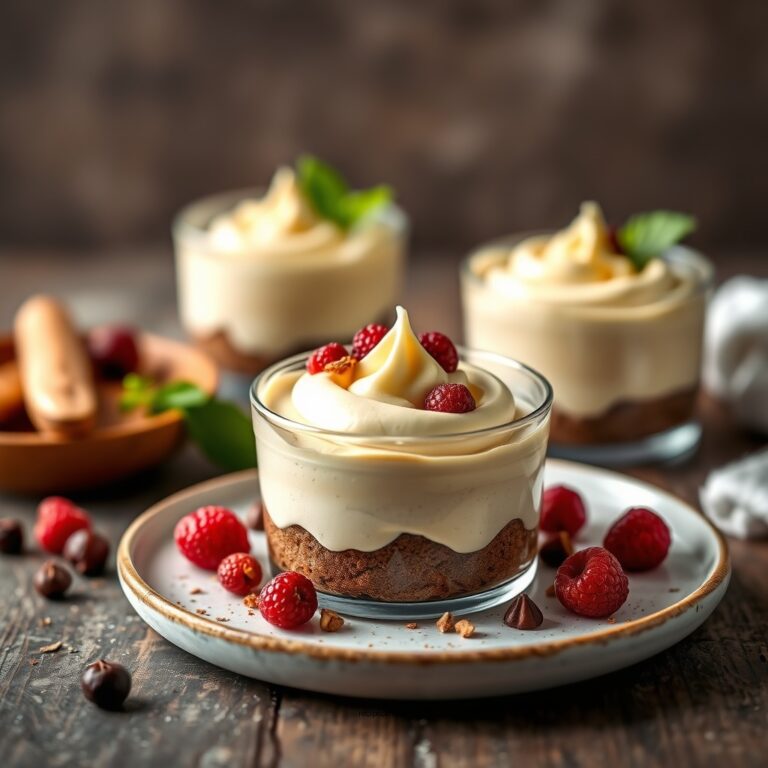
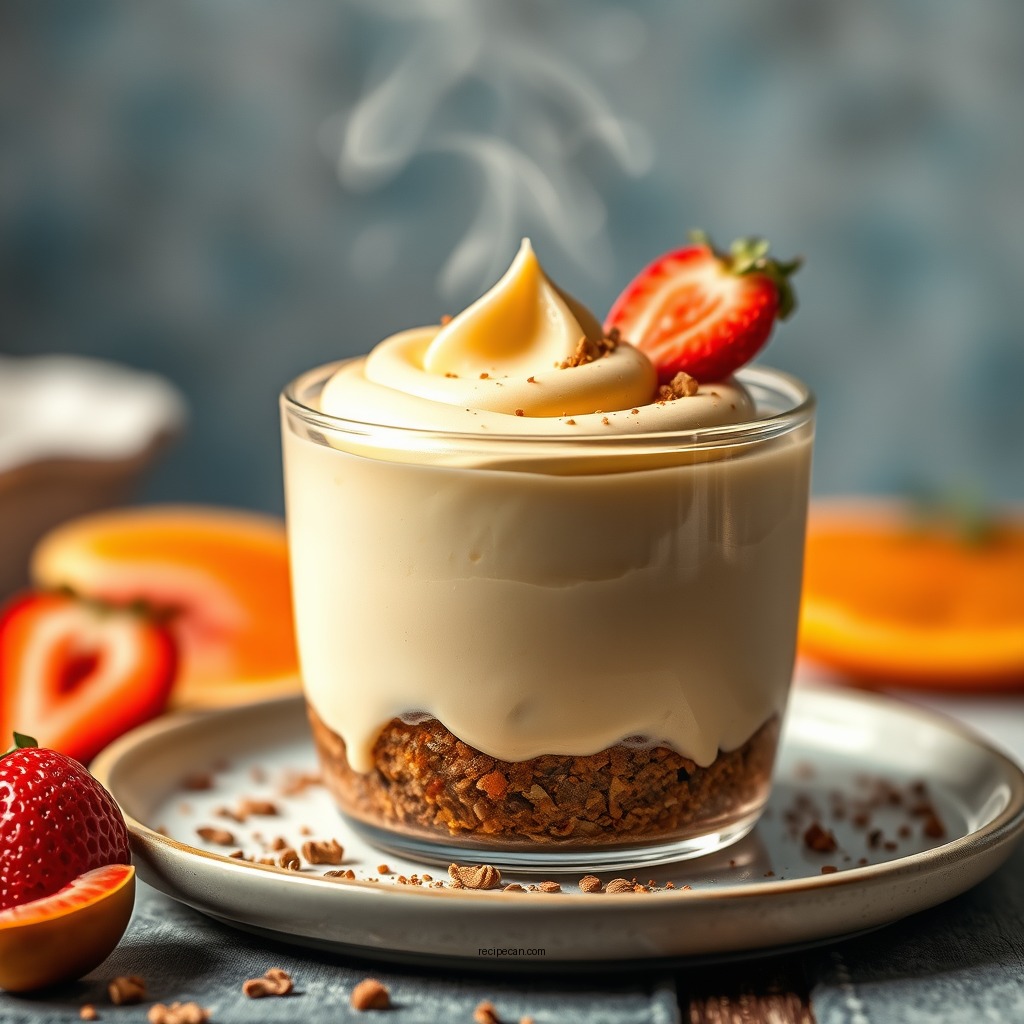
– Individual Cups or Bowls: Pouring mousse into individual serving cups or bowls not only enhances the visual appeal but also makes it easy for guests to serve themselves. Clear glass cups can showcase the beautiful layers and colors of the mousse.
– Garnishing: A simple garnish can elevate your mousse presentation. Consider using fresh fruits like raspberries or strawberries, chocolate shavings, or a sprig of mint. A dusting of powdered sugar can also add a touch of elegance.
– Layering Flavors: For an interesting twist, consider layering different flavors of mousse in one cup. For example, a chocolate layer followed by a vanilla layer can create a beautiful and delicious contrast.
Common Mistakes to Avoid
While making mousse is relatively simple, there are several common pitfalls to watch out for:
– Overmixing: One of the biggest mistakes in mousse preparation is overmixing the chocolate and whipped cream or egg whites. This can lead to a dense texture instead of the desired lightness. Always fold gently and carefully.
– Cold Ingredients: Using cold or chilled ingredients can prevent proper blending, which may lead to a lumpy or uneven texture. Always ensure that your ingredients are at room temperature.
– Not Chilling Long Enough: If the mousse is not given enough time to chill, it may not set properly. Be patient and allow your mousse to rest in the refrigerator for the recommended time.
In summary, making mousse is an easy process that can elevate your dessert game. With the right ingredients and techniques, you can create a delicious and impressive dish. Try out this mousse recipe today and delight your taste buds! Whether for a dinner party or a cozy night in, a homemade mousse is sure to impress.
Frequently Asked Questions
What are the essential ingredients for a basic chocolate mousse recipe?
The essential ingredients for a basic chocolate mousse recipe include high-quality dark chocolate, heavy whipping cream, sugar, and egg whites. You can also add vanilla extract for flavor. Using quality ingredients ensures a rich and creamy texture, which is crucial for achieving the perfect mousse.
How do you properly fold whipped cream into chocolate for mousse?
To properly fold whipped cream into chocolate for mousse, first, ensure that the chocolate mixture is slightly cooled but still liquid. Gently add a small amount of whipped cream to the chocolate to lighten it, then carefully fold the rest of the whipped cream in using a spatula. This technique helps maintain the airiness of the whipped cream, resulting in a light and fluffy mousse.
Why is it important to use room temperature eggs in mousse recipes?
It is important to use room temperature eggs in mousse recipes because they whip up more easily and achieve greater volume compared to cold eggs. This increased volume is essential for creating a light and airy texture in your mousse. Additionally, room temperature eggs blend more smoothly with other ingredients, ensuring a consistent mixture.
What is the best chocolate to use for a rich chocolate mousse?
The best chocolate to use for a rich chocolate mousse is high-quality dark chocolate with a cocoa content of at least 70%. This type of chocolate provides a deep, intense flavor that complements the creaminess of the mousse. Brands like Valrhona or Callebaut are highly recommended for gourmet results.
Which common mistakes should be avoided when making mousse?
Common mistakes to avoid when making mousse include over-whipping the cream, which can lead to a grainy texture, and not allowing the chocolate to cool before folding in the whipped cream. Additionally, failing to properly separate the egg whites can result in a heavy mousse. Taking care with these steps will enhance the overall quality of your mousse.
References
- Mousse
https://en.wikipedia.org/wiki/Mousse - Chocolate mousse recipe | Good Food
https://www.bbcgoodfood.com/recipes/chocolate-mousse - Country ‘Meatloaf’ With Golden Gravy Recipe
https://www.nytimes.com/recipes/1015383/chocolate-mousse.html - https://www.sciencedirect.com/topics/food-science/mousse
https://www.sciencedirect.com/topics/food-science/mousse - https://www.verywellfit.com/how-to-make-chocolate-mousse-4160199
https://www.verywellfit.com/how-to-make-chocolate-mousse-4160199 - https://www.seriouseats.com/how-to-make-chocolate-mousse-5112504
https://www.seriouseats.com/how-to-make-chocolate-mousse-5112504 - Google Scholar Google Scholar
https://scholar.google.com/scholar?q=how+to+make+mousse+recipe - Google Scholar Google Scholar
https://scholar.google.com/scholar?q=mousse+recipe+chocolate - Google Scholar Google Scholar
https://scholar.google.com/scholar?q=mousse+recipe+techniques - how to make mousse recipe – Search results
https://en.wikipedia.org/wiki/Special:Search?search=how+to+make+mousse+recipe