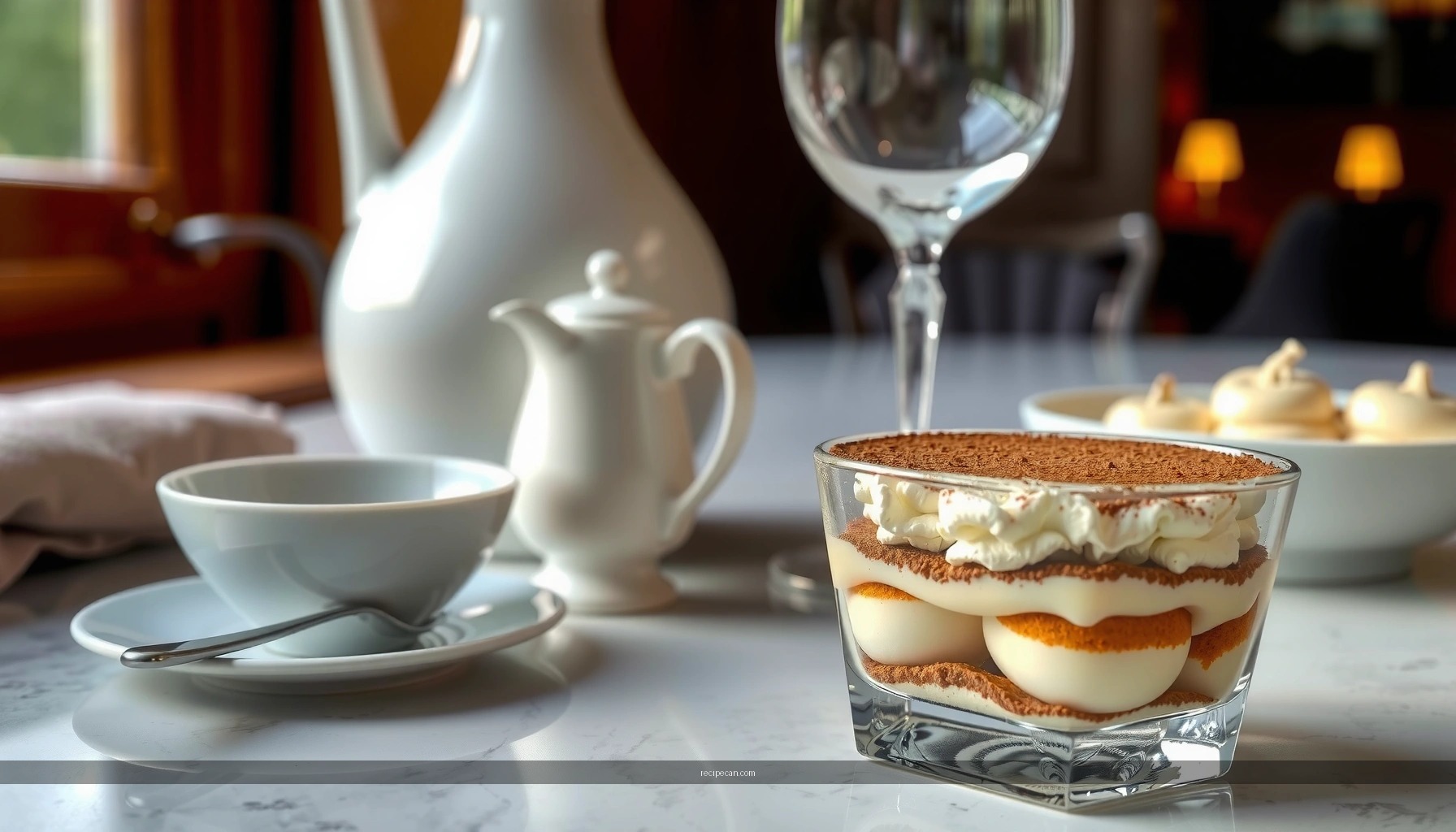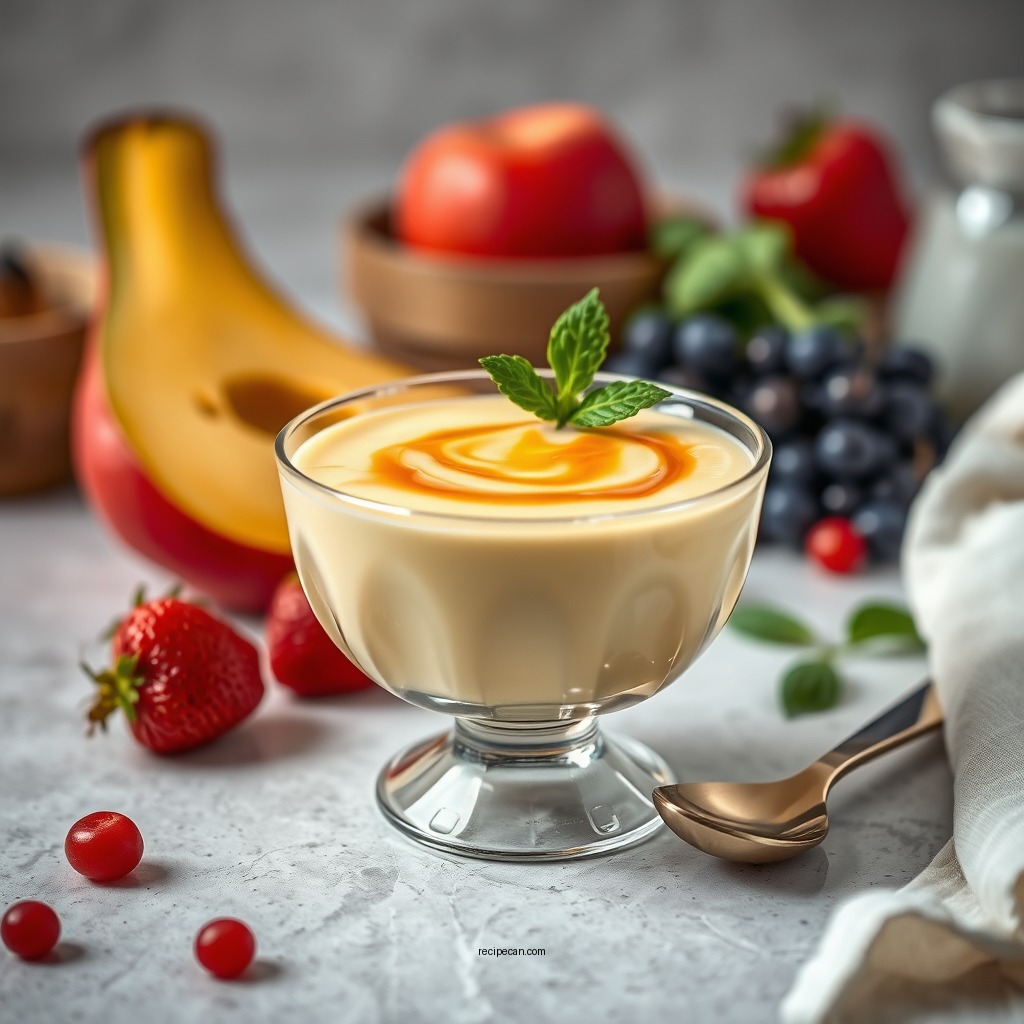
Making a delicious vegan custard is easier than you think! This recipe utilizes simple plant-based ingredients to create a creamy, rich dessert that everyone will love. In just a few steps, you can whip up this delightful custard that’s perfect for pairing with fruits, cakes, or simply enjoying on its own.
Vegan custard is an excellent alternative to traditional custard, providing all the creamy texture and flavor without any animal products. Whether you’re a seasoned plant-based eater or just exploring vegan options, this recipe is straightforward and adaptable, making it a great addition to your dessert repertoire.
Ingredients You’ll Need
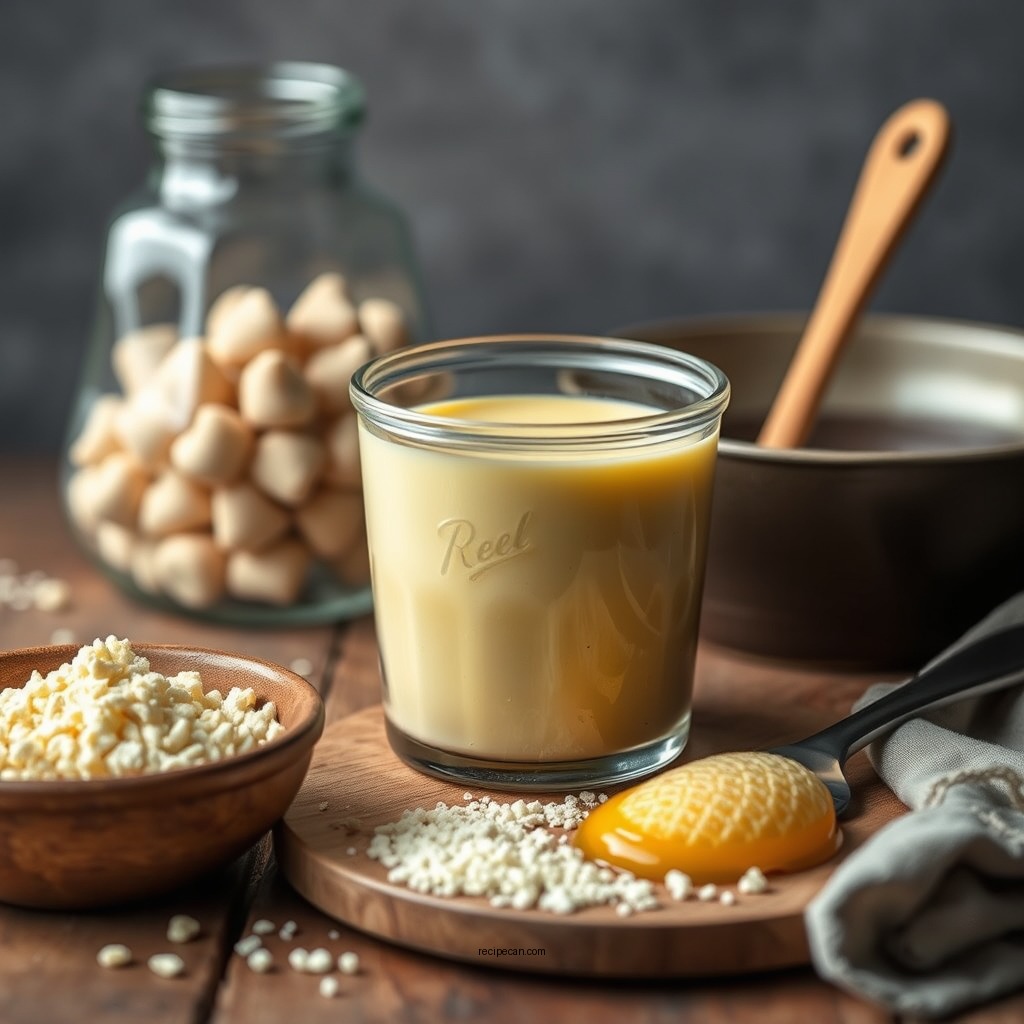
For a successful vegan custard, you only need a few essential ingredients. Here’s what you’ll need:
– Almond milk or coconut milk: These plant-based milks serve as the creamy base of your custard. Almond milk offers a light flavor, while coconut milk enhances the richness.
– Cornstarch or arrowroot powder: These thickening agents are crucial for achieving that velvety custard texture. Cornstarch is more common, but arrowroot can be a great alternative for those who prefer a more natural thickener.
– Sugar or maple syrup: Sweetening your custard is vital to enhance the flavor. You can use traditional sugar or opt for maple syrup for a hint of caramel-like sweetness.
Step-by-Step Preparation
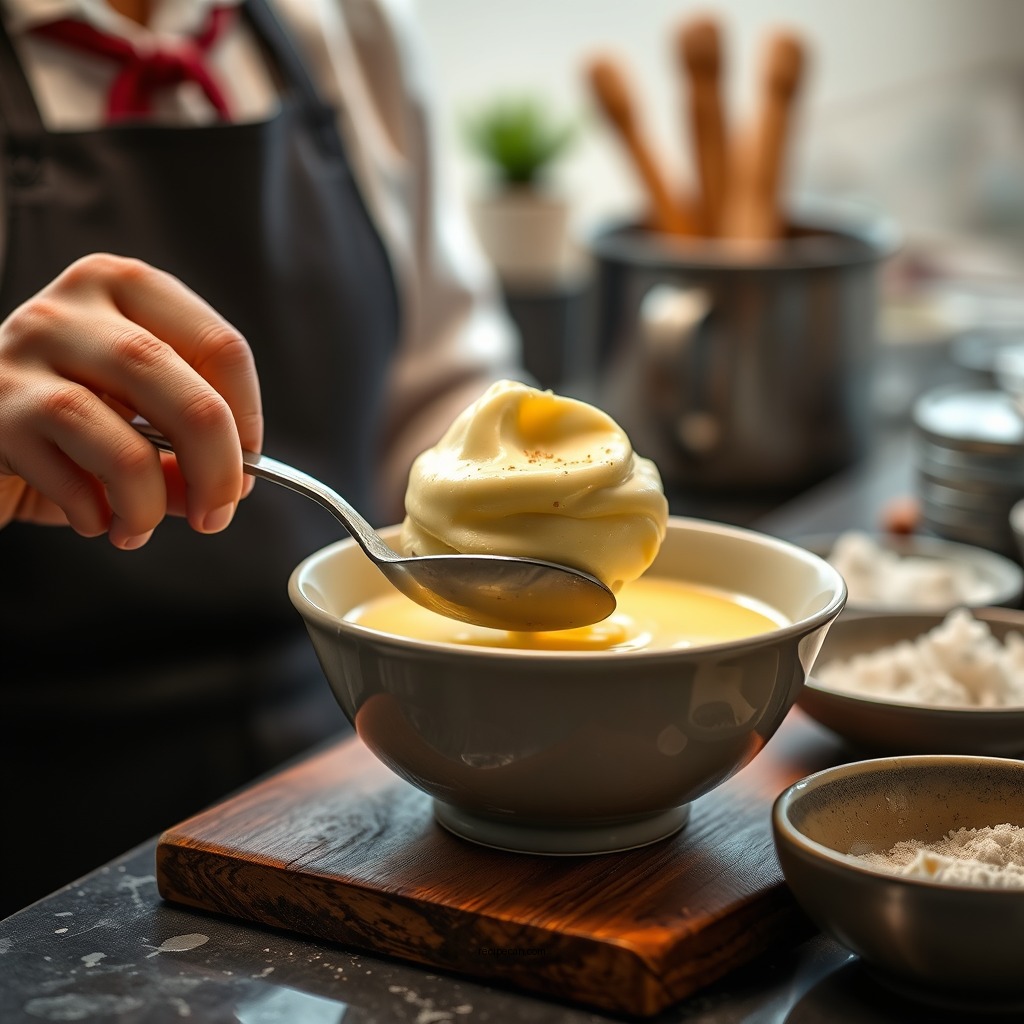
Creating your vegan custard is straightforward and requires minimal time. Follow these simple steps:
1. Combine Ingredients: In a saucepan, whisk together the almond milk (or coconut milk) and cornstarch (or arrowroot powder) until fully dissolved and smooth.
2. Heat Mixture: Place the saucepan over medium heat. Continuously stir the mixture as it heats, ensuring that it doesn’t stick to the bottom of the pan.
3. Thicken: Continue to stir until the mixture begins to bubble and thickens to your desired consistency. This usually takes about 5-10 minutes. Once thickened, remove the saucepan from heat.
4. Sweeten: Stir in your choice of sweetener to taste, mixing well to incorporate.
5. Cool or Serve: Allow the custard to cool slightly before serving, or pour it into individual serving cups to chill in the refrigerator.
Flavor Variations
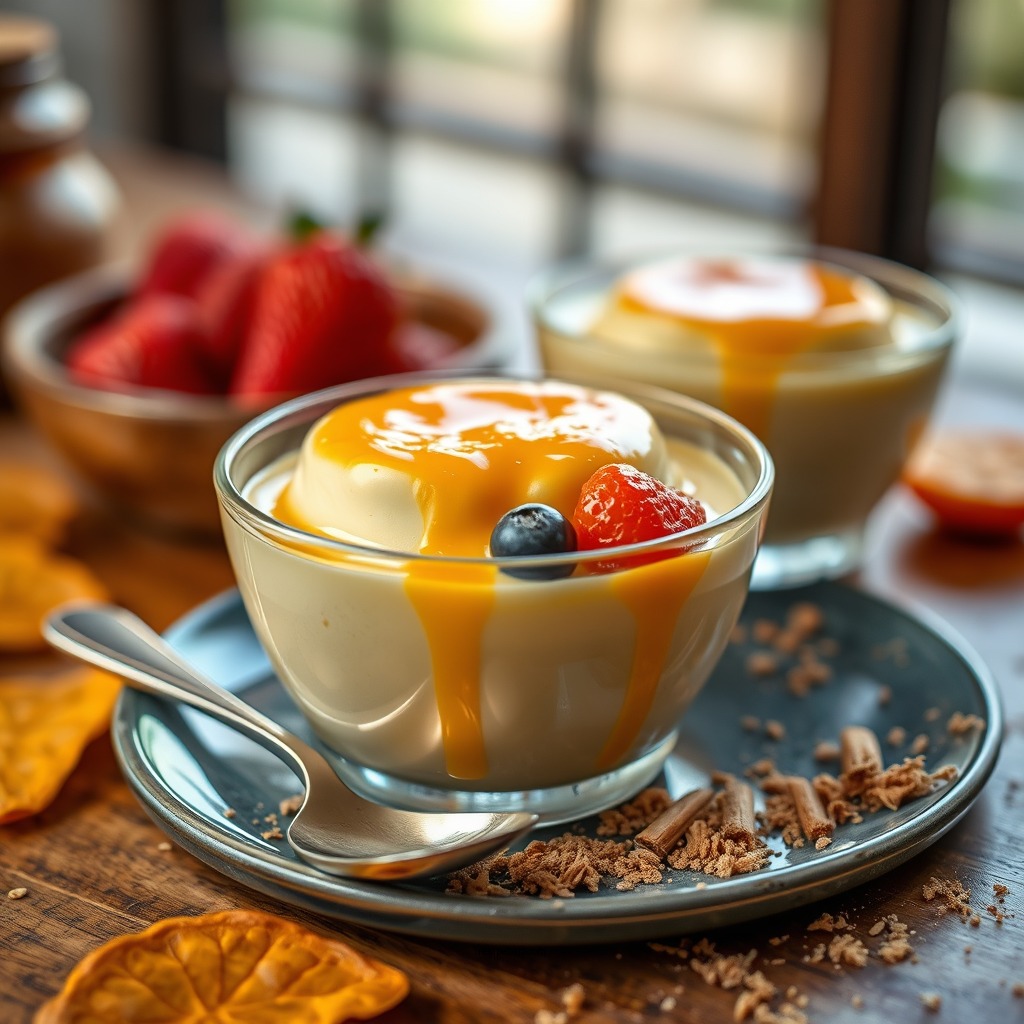
The beauty of this vegan custard recipe lies in its versatility. Here are a few flavor variations to consider:
– Classic Vanilla: Add a teaspoon of vanilla extract to the mixture after removing it from heat for a traditional custard flavor.
– Chocolate Custard: Incorporate 2 tablespoons of unsweetened cocoa powder for a rich chocolate version, combining it with the cornstarch at the beginning for even mixing.
– Citrus Zest: For a refreshing twist, add a teaspoon of lemon or orange zest to the mixture before it thickens.
– Spiced Custard: Incorporate spices such as cinnamon or nutmeg for a warm, comforting flavor profile.
Top Vegan Custard Flavor Variations
| # | Flavor | Popularity (out of 100) | Ease of Preparation |
|---|---|---|---|
| 1 | Vanilla | 90 | Easy |
| 2 | Chocolate | 85 | Moderate |
| 3 | Citrus | 75 | Easy |
| 4 | Spiced | 70 | Moderate |
| 5 | Coffee | 65 | Moderate |
| 6 | Maple | 60 | Easy |
| 7 | Almond | 55 | Easy |
Serving Suggestions
To elevate your custard experience, consider these serving suggestions:
– Serve Warm or Chilled: Vegan custard can be enjoyed warm when freshly made, or chilled after refrigeration for a refreshing treat.
– Garnish: Top your custard with fresh berries for a burst of color and flavor. A sprinkle of cinnamon or nutmeg can also add a beautiful aromatic layer.
– Pair with Desserts: Use the custard as a filling for cakes, pastries, or tarts. It also works well as a sauce for pancakes or waffles.
– Create Layers: For a more sophisticated dessert, layer the custard with granola and fruits in a glass to create a beautiful parfait.
Common Mistakes to Avoid
While making vegan custard is simple, there are a few common pitfalls to avoid:
– Not Stirring Continuously: It’s crucial not to stop stirring while heating the mixture. This prevents lumps from forming and ensures a smooth custard.
– Removing from Heat Too Early: Ensure the mixture reaches the correct thickness before removing it from the heat. If it’s too thin, it won’t set properly after cooling.
– Using Cold Ingredients: Make sure all ingredients are at room temperature before starting. Cold ingredients can cause the custard to thicken unevenly.
Storing Your Custard
Proper storage is key to maintaining the quality of your vegan custard:
– Refrigeration: Store your custard in an airtight container in the refrigerator for up to 4 days. Make sure it cools completely before sealing.
– Reheating: When you’re ready to enjoy it again, reheat gently on the stove or in the microwave. If it has thickened too much, add a splash of plant-based milk to achieve your desired consistency.
Health Benefits of Vegan Custard
Vegan custard not only satisfies your sweet tooth but also offers several health benefits:
– Lower in Cholesterol: Traditional custard is often high in cholesterol due to the use of eggs and dairy. Vegan custard eliminates these ingredients, making it a heart-healthier option.
– Natural Sweeteners: By using natural sweeteners like maple syrup, you can keep your dessert lower in refined sugars and enhance its nutritional profile.
– Rich in Nutrients: Depending on the milk you choose, vegan custard can be a good source of nutrients like calcium and vitamin D, especially if fortified.
In conclusion, this easy vegan custard recipe is a delightful and versatile dessert option that caters to various palates and dietary preferences. With straightforward preparation and endless flavor possibilities, you can enjoy a rich, creamy dessert without compromising your values. Whether served warm or cold, topped with fresh ingredients or enjoyed on its own, vegan custard is sure to please everyone at your table. Enjoy experimenting with flavors and serving ideas, and share your delicious creations!
Frequently Asked Questions
What ingredients are needed for a vegan custard recipe?
To make a simple vegan custard, you will need plant-based milk (like almond, soy, or oat), cornstarch or arrowroot powder for thickening, sweetener (such as maple syrup or agave), vanilla extract for flavor, and a pinch of turmeric for color. These ingredients combine to create a creamy and delicious custard without any animal products.
How do I make vegan custard without soy?
To make vegan custard without soy, use a non-soy plant-based milk such as almond, coconut, or oat milk as your base. Follow the standard recipe by mixing the milk with cornstarch, sweetener, and vanilla. Heat the mixture gently while whisking until it thickens, ensuring a smooth consistency without soy.
Why does my vegan custard not thicken properly?
If your vegan custard is not thickening, it may be due to insufficient heat or not using enough thickening agent like cornstarch. Make sure to cook the custard mixture over medium heat while continuously whisking until it reaches a simmer. If needed, you can add a bit more cornstarch mixed with a little cold milk to help it thicken.
What is the best vegan milk for custard?
The best vegan milk for custard typically includes almond milk, coconut milk, or oat milk, as they provide a creamy texture that mimics traditional dairy. Coconut milk is particularly rich and can enhance the custard’s creaminess, while oat milk offers a neutral flavor that blends well with other ingredients. Choose the one that best fits your taste preference and dietary needs.
Which recipes can I use vegan custard in?
Vegan custard is versatile and can be used in a variety of desserts, such as tarts, pies, and trifles. It can also serve as a delicious filling for pastries or as a topping for fruit and cakes. Additionally, you can incorporate it into vegan puddings or use it as a base for ice cream for a delightful treat.
References
- Custard
https://en.wikipedia.org/wiki/Custard - Vegan custard recipe | Good Food
https://www.bbcgoodfood.com/recipes/vegan-custard - https://www.healthline.com/nutrition/vegan-custard
https://www.healthline.com/nutrition/vegan-custard - https://www.nutrition.gov/recipes/vegan-custard
https://www.nutrition.gov/recipes/vegan-custard - https://www.sciencedirect.com/topics/food-science/custard
https://www.sciencedirect.com/topics/food-science/custard - https://www.ncbi.nlm.nih.gov/pmc/articles/PMC7644754/
https://www.ncbi.nlm.nih.gov/pmc/articles/PMC7644754/ - https://www.theguardian.com/food/2020/jun/29/how-to-make-vegan-custard-recipe
https://www.theguardian.com/food/2020/jun/29/how-to-make-vegan-custard-recipe - https://scholar.google.com/scholar?q=custard+recipe+vegan Google Scholar
https://scholar.google.com/scholar?q=custard+recipe+vegan - Google Scholar Google Scholar
https://scholar.google.com/scholar?q=plant-based+custard+recipe - Google Scholar Google Scholar
https://scholar.google.com/scholar?q=vegan+custard+nutrition