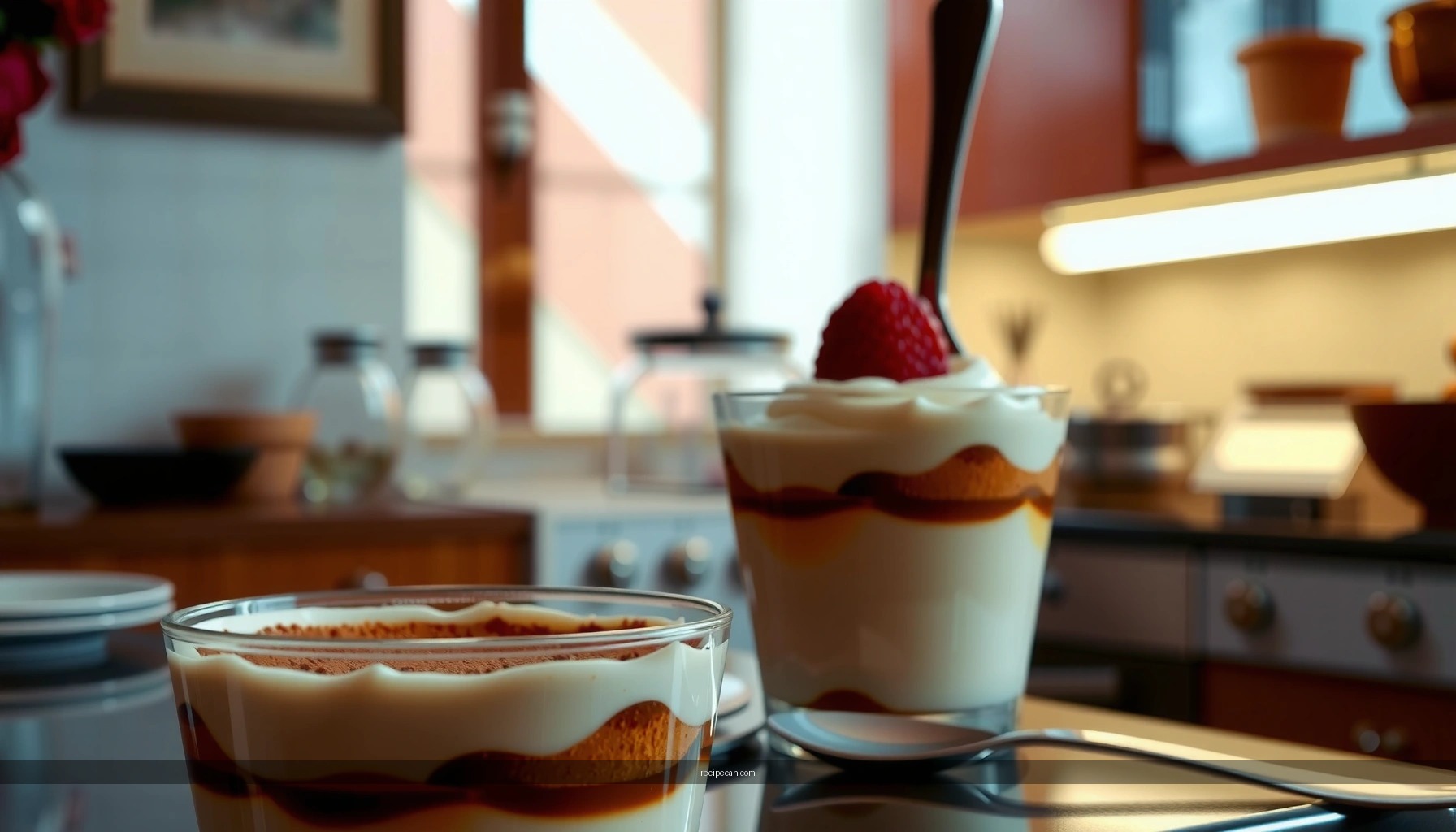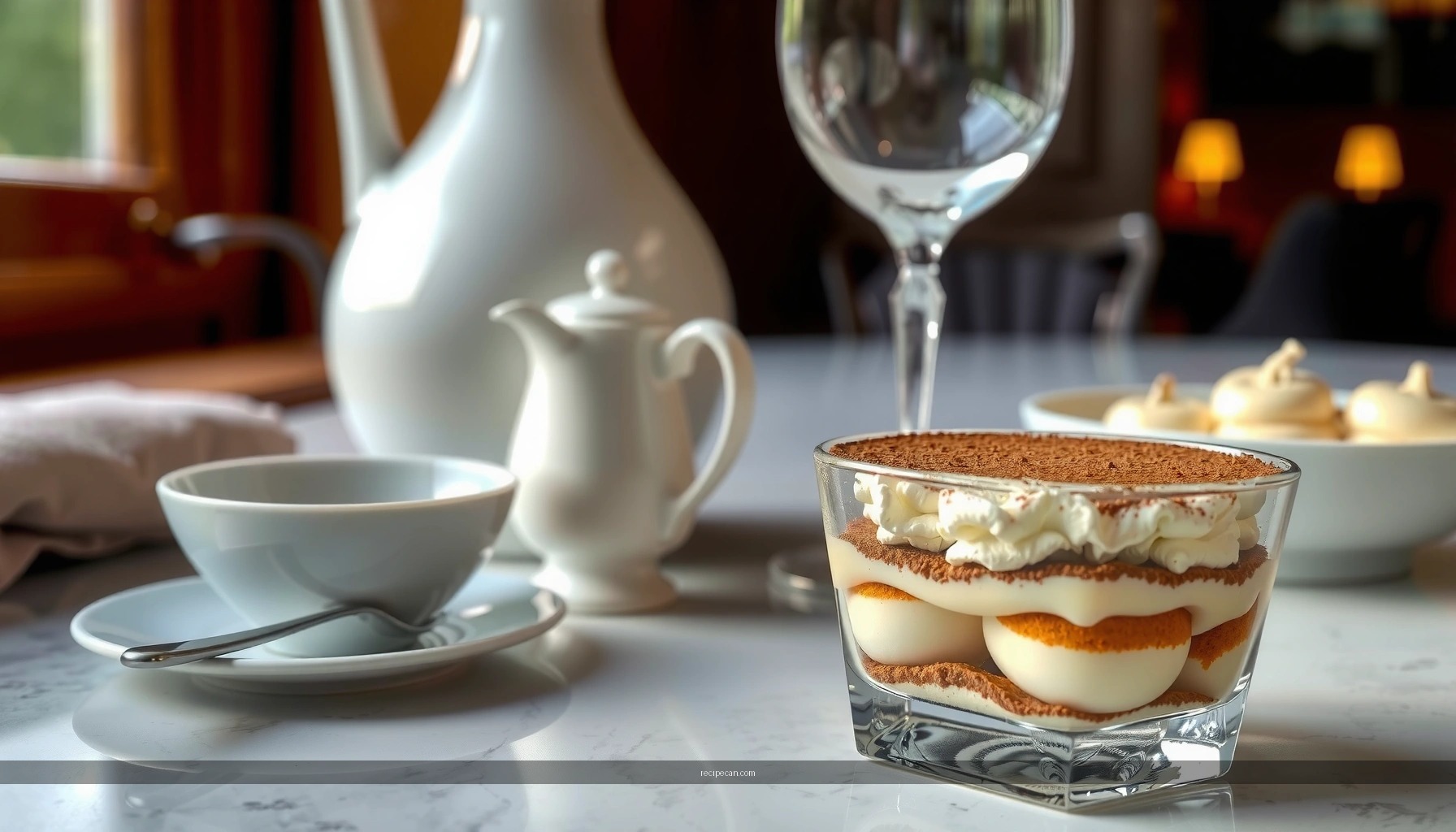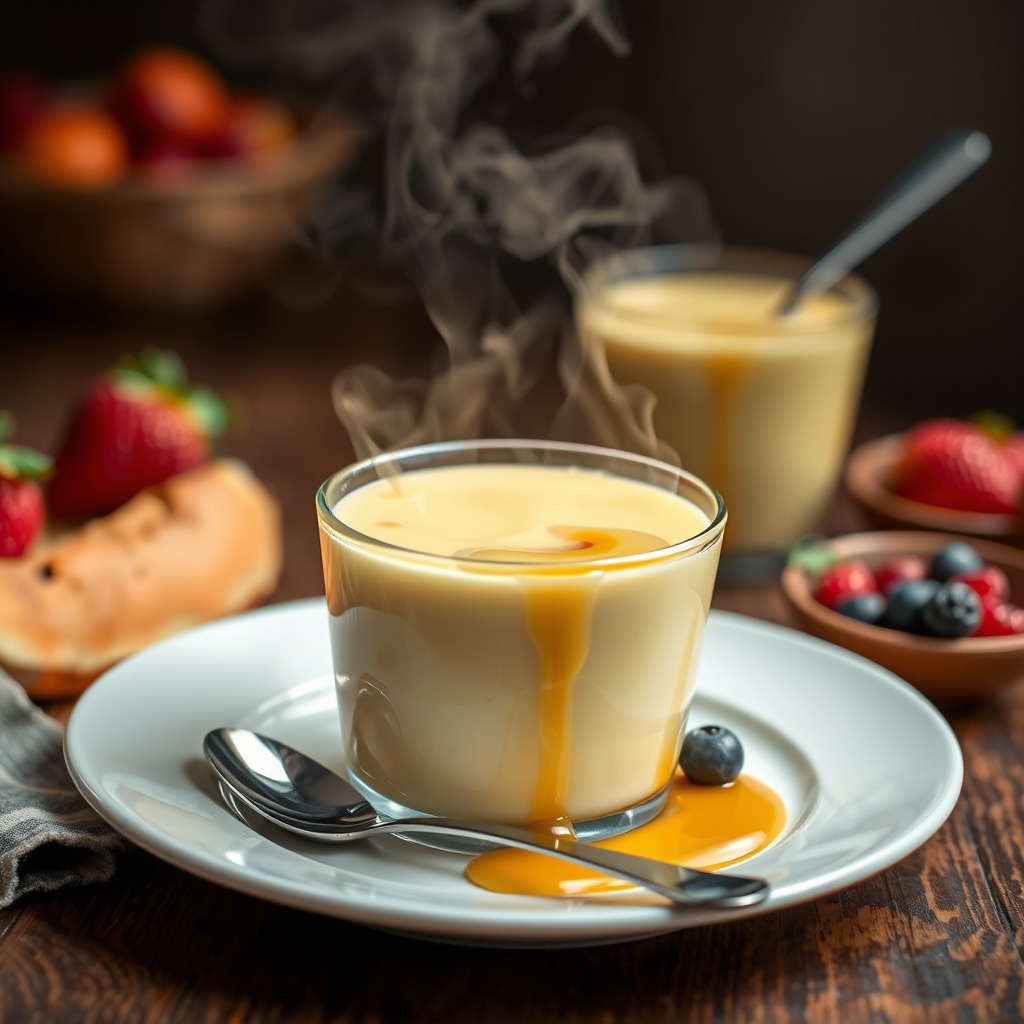
Creating a delicious custard paired with fresh fruits is an excellent way to enjoy a refreshing dessert that is both simple to prepare and visually stunning. This article will guide you through the essential steps to create a creamy custard, share tips for selecting the best fruits, and offer creative serving suggestions to impress your guests.
The Basics of Custard
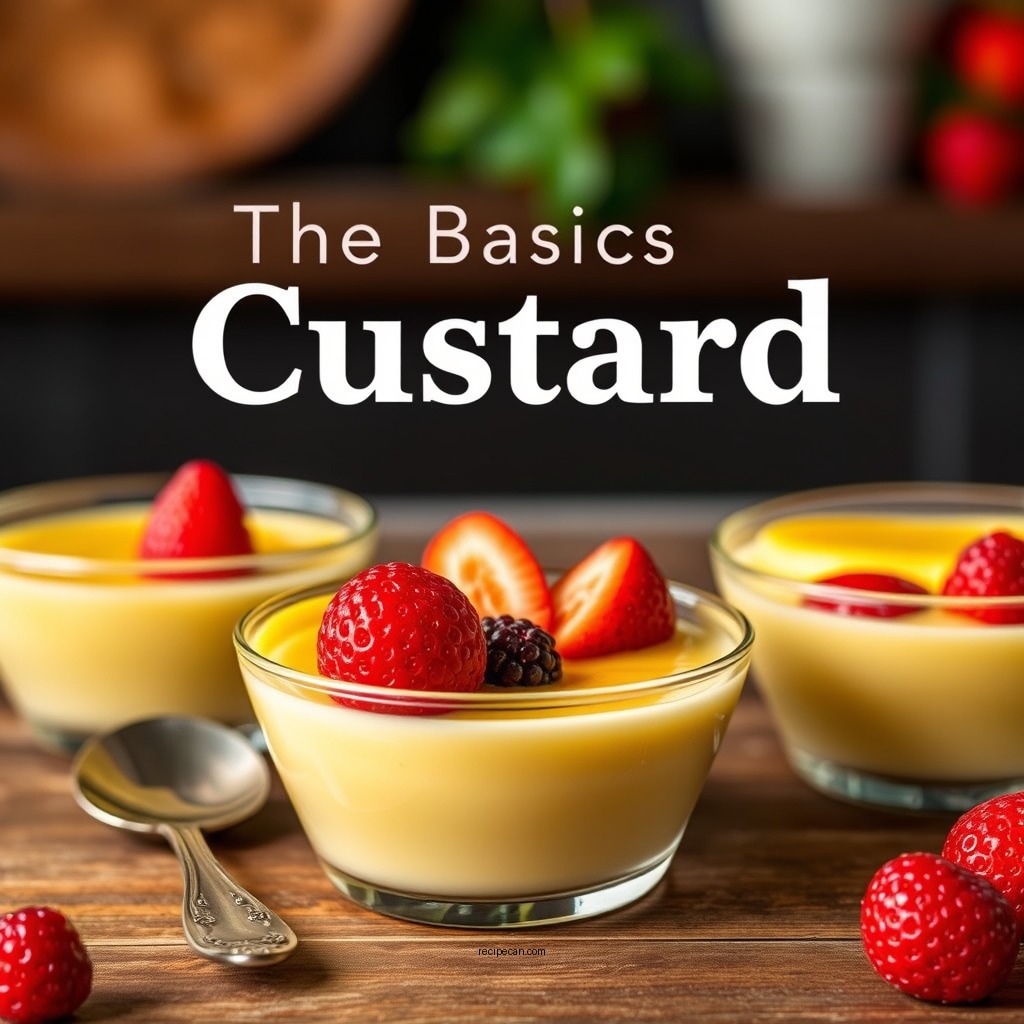
Custard is a versatile and creamy dessert base that can be used in various forms, including pastry cream, crème brûlée, and even as a filling for pastries and cakes. At its core, custard is made with a few key ingredients: eggs, milk, sugar, and vanilla. The eggs provide structure and richness, while milk adds a creamy texture. Sugar sweetens the mixture, and vanilla enhances its flavor.
There are two main types of custard: stirred custard and baked custard. Stirred custard is cooked on the stovetop and is often used for sauces or puddings, while baked custard is set in the oven, typically in a water bath, resulting in a firmer texture ideal for desserts like flans. Understanding the difference between these types will help you choose the right recipe for your needs.
Preparing the Perfect Custard
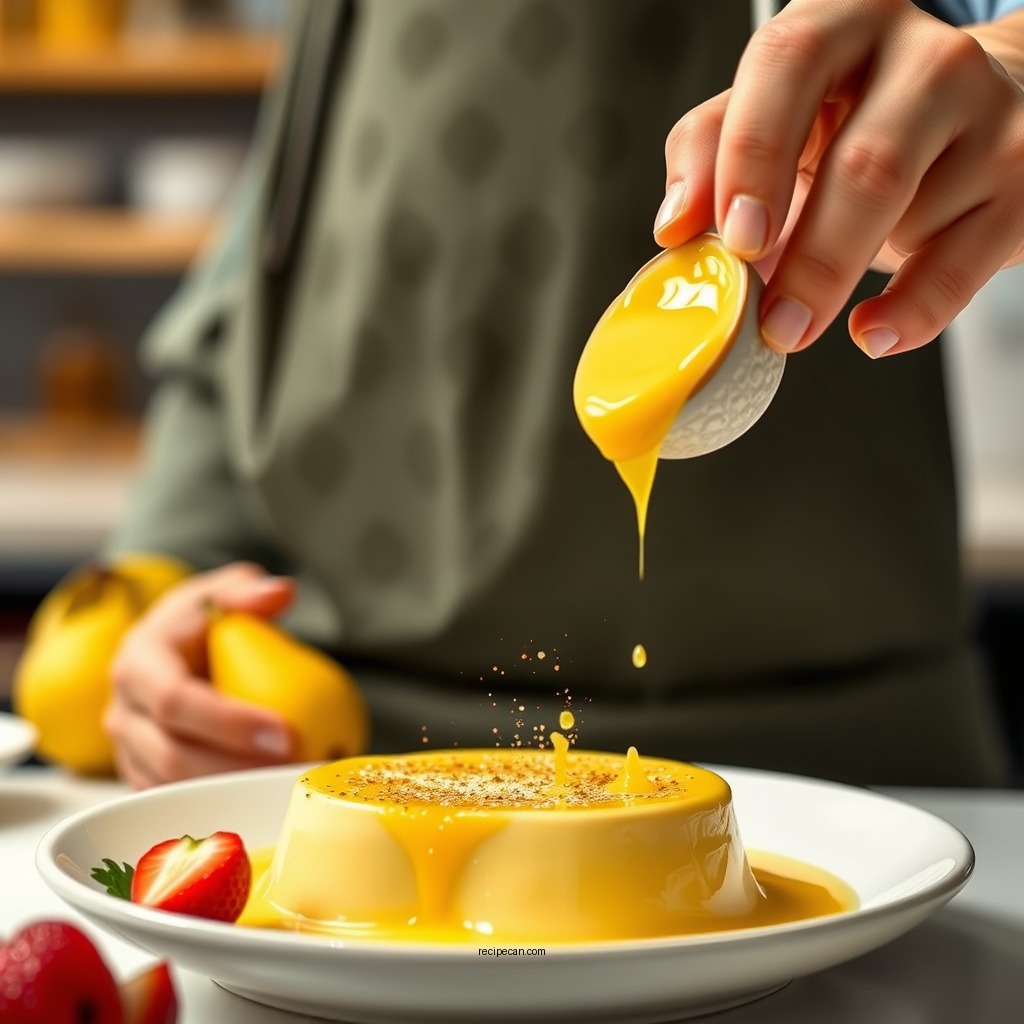
To prepare a smooth and creamy custard, follow these steps:
1. Ingredients Preparation: Gather your ingredients—typically, you will need 2 cups of milk, 4 large eggs, 1/2 cup of sugar, and 1 teaspoon of vanilla extract.
2. Heat the Milk: In a saucepan, gently heat the milk over medium heat until it is warm but not boiling. This helps to infuse the flavors and prepares it for mixing with the eggs.
3. Whisk the Eggs and Sugar: In a separate bowl, whisk the eggs and sugar together until the mixture is pale and frothy. This process incorporates air, which contributes to a lighter texture.
4. Temper the Eggs: To prevent curdling, slowly add the warm milk to the egg mixture while whisking continuously. This step gradually raises the temperature of the eggs, allowing them to combine without cooking too quickly.
5. Cook the Custard: Return the mixture to the saucepan and cook over low heat, stirring constantly until it thickens enough to coat the back of a spoon. It’s crucial to monitor the heat to avoid curdling.
6. Strain and Cool: Once thickened, strain the custard through a fine mesh sieve to remove any lumps. Allow it to cool at room temperature before refrigerating for at least two hours.
Tips for Avoiding Common Pitfalls:
– Always use low heat to avoid scrambling the eggs.
– Stir continuously to ensure even cooking.
– If curdling occurs, immediately remove from heat and whisk vigorously.
Selecting the Best Fruits
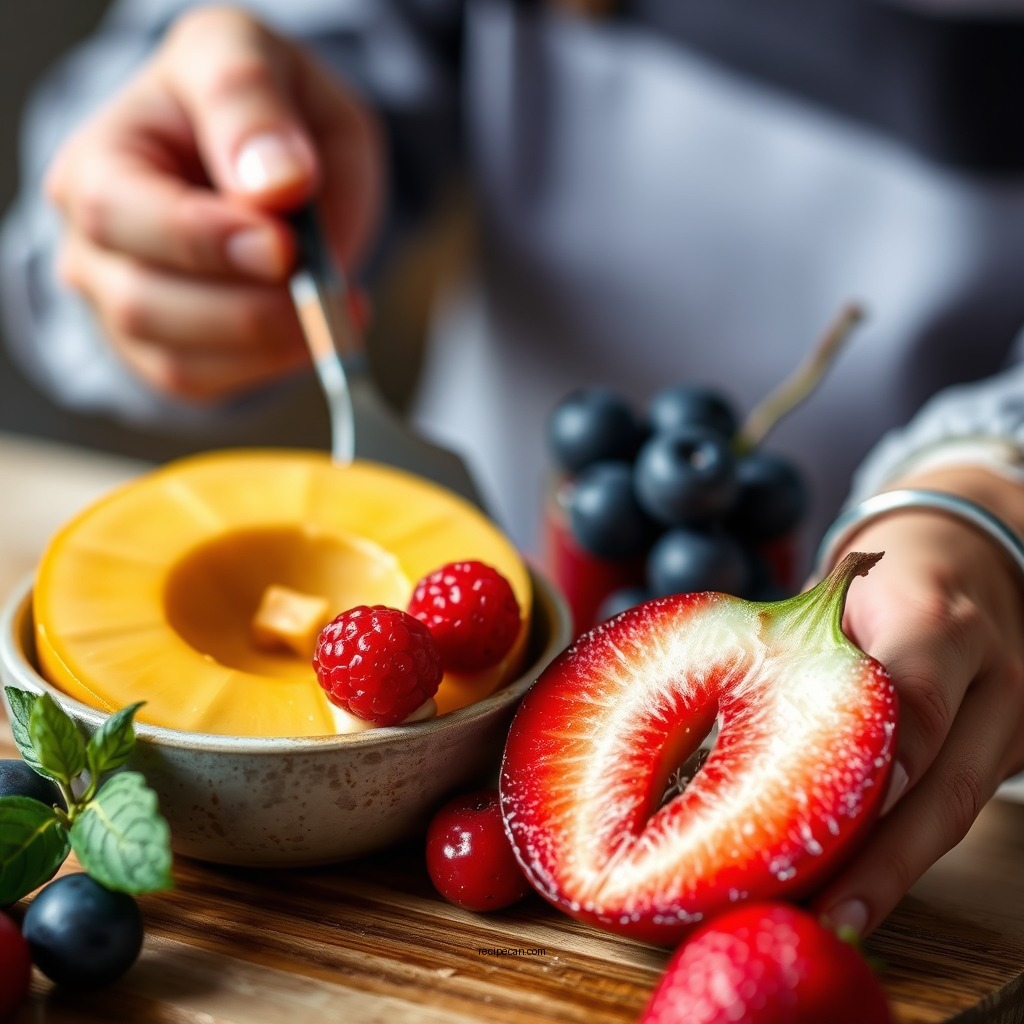
Choosing the right fruits to accompany your custard can elevate the dish significantly. Here are some seasonal options and preparation tips:
– Berries: Strawberries, blueberries, and raspberries are classic choices that add vibrant color and tartness.
– Stone Fruits: Peaches, plums, and cherries provide natural sweetness and a juicy texture that complements the creaminess of custard.
– Tropical Fruits: Pineapple, mango, and kiwi can add an exotic flair and a refreshing taste.
Fruit Preparation Tips
– Washing: Always wash fruits thoroughly to remove any pesticides or dirt.
– Slicing: Cut fruits into uniform pieces for a professional look. For berries, simply rinse and leave whole.
– Arranging: Create a visually appealing presentation by layering fruits on top of the custard or arranging them around the dish for a colorful display.
Top Fruits to Pair with Custard
| # | Fruit | Season | Flavor Profile |
|---|---|---|---|
| 1 | Strawberries | Spring/Summer | Sweet & Tart |
| 2 | Blueberries | Summer | Sweet & Juicy |
| 3 | Peaches | Summer | Sweet & Fragrant |
| 4 | Raspberries | Summer | Tart & Sweet |
| 5 | Mango | Summer/Fall | Sweet & Creamy |
| 6 | Kiwi | Summer | Tangy & Sweet |
| 7 | Cherries | Summer | Sweet & Juicy |
Combining Custard and Fruits
The way you combine custard and fruits can make a significant difference in the visual appeal of your dessert. Here are some techniques to consider:
– Layering: Start with a layer of custard at the bottom of your serving dish, followed by a layer of fresh fruits. This not only looks attractive but also allows the flavors to meld beautifully.
– Swirling: For a more integrated approach, you can swirl the fruits into the custard before serving. This technique results in a marbled effect that is both visually appealing and delicious.
– Flavor Enhancements: Consider adding citrus zest, such as lemon or orange, to your custard for an extra layer of flavor. Fresh mint leaves can also be added as a garnish for a refreshing finish.
Serving Suggestions
To present your custard and fruit dish creatively, consider these ideas:
– Individual Servings: Use small glasses or jars for individual servings, making it easy for guests to enjoy. Layer the custard and fruits for a beautiful presentation.
– Garnishing: Top with whipped cream or a dusting of powdered sugar for added elegance. Edible flowers can also make for an attractive garnish.
– Beverage Pairings: Light desserts like custard pair wonderfully with refreshing drinks such as iced tea, sparkling water, or even a sweet dessert wine.
Popularity of Custard Flavors (% Preference)
Storage and Leftovers
If you find yourself with leftover custard or fruits, proper storage will help maintain their quality. Here are the best practices:
– Custard Storage: Store custard in an airtight container in the refrigerator for up to four days. The texture may change slightly, but it will still be delicious.
– Fruit Storage: Keep sliced fruits in an airtight container, and consume them within two to three days for optimal freshness. To avoid browning, consider tossing apples or bananas in lemon juice before storing.
– Reheating Custard: If you need to reheat custard, do so gently in a saucepan over low heat, stirring constantly to prevent curdling.
Summarizing the key steps for creating a delicious custard with fresh fruits, this combination is sure to impress at any gathering. Whether you’re hosting a dinner party or enjoying a quiet night in, try this recipe today and discover the joy of homemade custard!
Frequently Asked Questions
What are the best fruits to use in a custard recipe?
The best fruits to use in a custard recipe include berries like strawberries, blueberries, and raspberries, as well as sliced bananas, peaches, and mangoes. These fruits not only add natural sweetness but also complement the creamy texture of the custard. For a vibrant presentation, consider mixing various fruits to enhance both flavor and visual appeal.
How do I make a smooth custard for fruit desserts?
To make a smooth custard for fruit desserts, start by whisking together egg yolks and sugar until pale. Gradually add warmed milk or cream to temper the eggs, then cook the mixture over low heat, stirring constantly until it thickens. Straining the custard before use removes any lumps, ensuring a silky texture that pairs perfectly with fruits.
Why is my custard not thickening when adding fruits?
If your custard is not thickening when adding fruits, it may be due to using too much liquid from the fruits or not cooking it long enough. Ensure you drain excess juice from the fruits before incorporation and cook the custard mixture until it coats the back of a spoon. Using cornstarch as a thickening agent can also help achieve the desired consistency.
What is the best way to serve custard with fruits?
The best way to serve custard with fruits is to layer it in a glass or bowl, starting with a layer of custard followed by fresh fruit, and then repeating the layers. This presentation not only looks appealing but also allows for a delightful mix of flavors with each spoonful. Garnishing with mint leaves or a sprinkle of nutmeg can enhance the overall dish.
Which custard recipe is ideal for a fruit tart?
An ideal custard recipe for a fruit tart is a pastry cream, which is thicker and more stable than regular custard. It is made by cooking milk, sugar, and cornstarch, then whisking in egg yolks and cooking until thick. This rich custard holds up well under the weight of fresh fruits and provides a delicious, creamy base for your tart.
References
- Custard
https://en.wikipedia.org/wiki/Custard - https://www.allrecipes.com/recipe/23912/summer-fruit-custard/
https://www.allrecipes.com/recipe/23912/summer-fruit-custard/ - https://www.foodnetwork.com/recipes/articles/how-to-make-custard
https://www.foodnetwork.com/recipes/articles/how-to-make-custard - https://www.healthline.com/nutrition/custard
https://www.healthline.com/nutrition/custard - Google Scholar Google Scholar
https://scholar.google.com/scholar?q=custard+recipe+with+fruits - Google Scholar Google Scholar
https://scholar.google.com/scholar?q=custard+recipe - Google Scholar Google Scholar
https://scholar.google.com/scholar?q=fruits+in+custard+recipe - https://www.sciencedirect.com/topics/food-science/custard
https://www.sciencedirect.com/topics/food-science/custard - custard recipe with fruits – Search results
https://en.wikipedia.org/wiki/Special:Search?search=custard+recipe+with+fruits - https://www.ncbi.nlm.nih.gov/search/research-articles/?term=custard+recipe+with+fruits
https://www.ncbi.nlm.nih.gov/search/research-articles/?term=custard+recipe+with+fruits