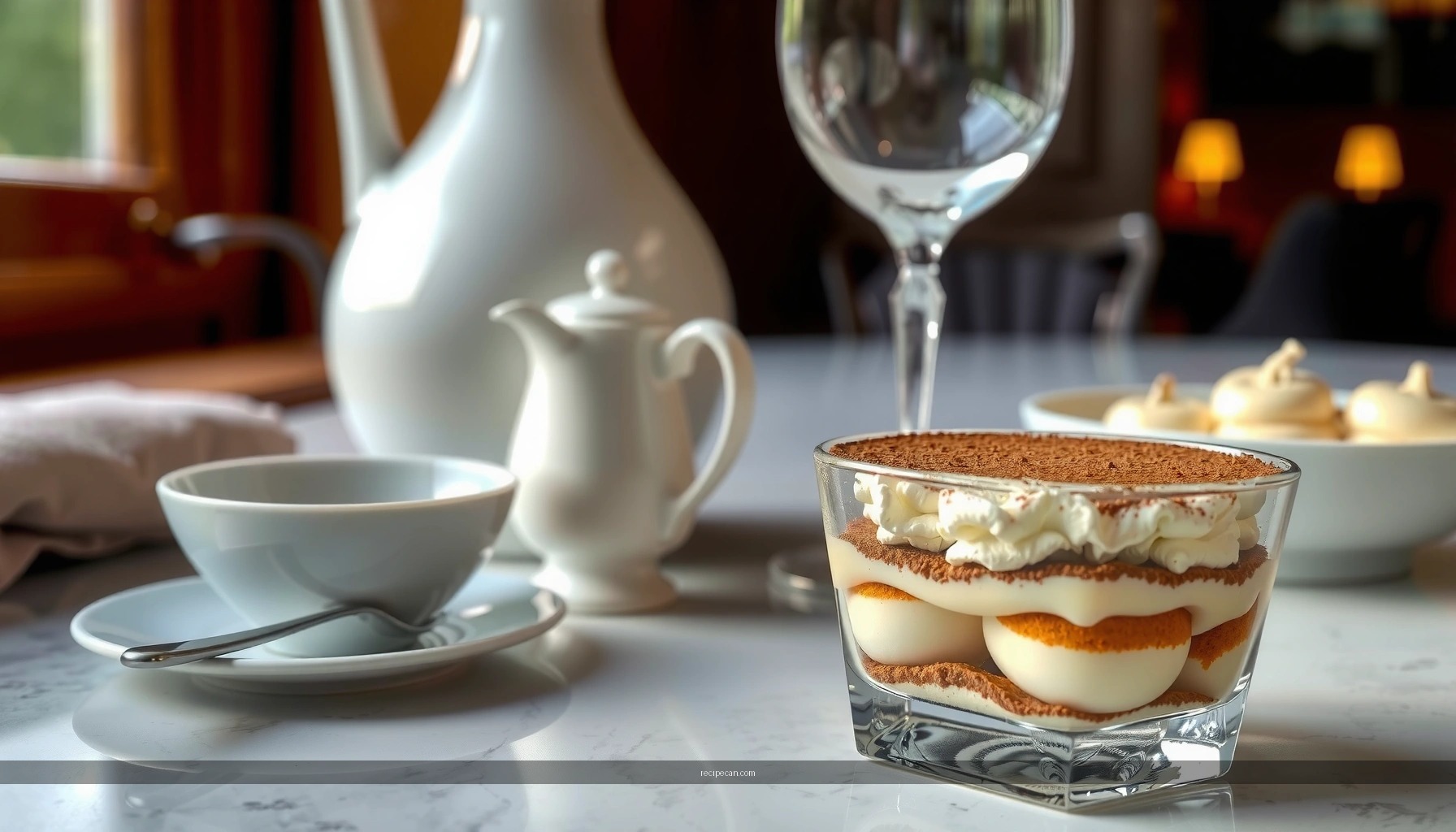
Creating a delicious custard cake filling is simpler than you might think! In just a few steps, you can whip up a rich, creamy filling that enhances your cakes and pastries. This recipe will guide you through the process, ensuring your desserts are both flavorful and satisfying. Whether you’re baking for a special occasion or just want to indulge in a sweet treat, mastering a custard filling can elevate your dessert game.
Ingredients You’ll Need
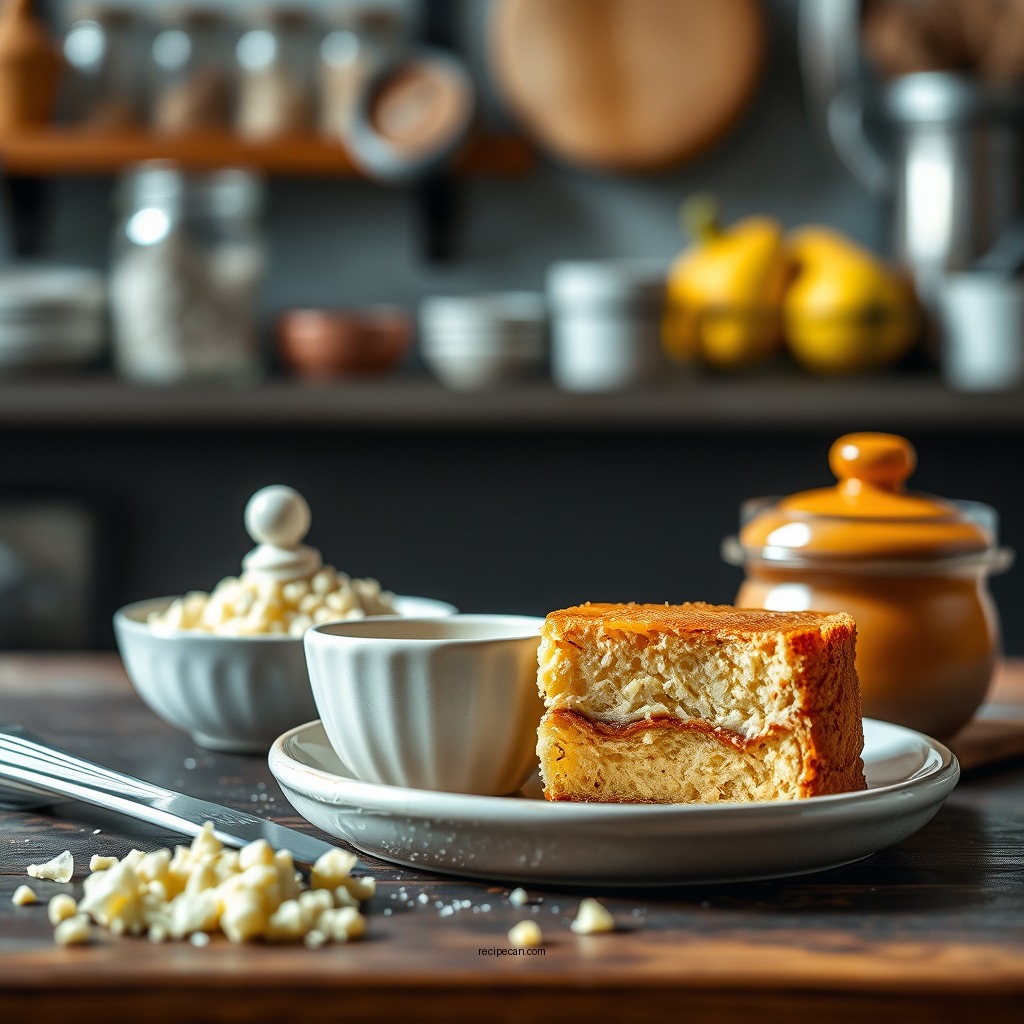
To create a perfect custard cake filling, you’ll require a few key ingredients:
– Whole Milk or Cream: Choosing whole milk or cream will provide a richer flavor and creamier texture, which is essential for a decadent custard.
– Sugar: Sugar not only sweetens the custard but also balances the flavors, making the filling irresistible.
– Egg Yolks: The egg yolks are crucial for achieving that smooth, creamy texture that defines a great custard.
These ingredients work together to create a harmonious blend of flavors and textures, making your dessert truly delicious.
Step-by-Step Preparation

The preparation of custard cake filling is straightforward. Follow these steps for best results:
1. Heat the Milk or Cream: Start by pouring your whole milk or cream into a saucepan. Heat over medium heat until warm, but be careful not to let it reach boiling point. The aim is to warm the milk enough to dissolve the sugar without cooking the eggs too quickly.
2. Whisk Sugar and Egg Yolks: In a separate bowl, combine the sugar and egg yolks. Use a whisk to blend them together until the mixture is pale and creamy. This process incorporates air, which is essential for a light custard.
3. Combine the Mixtures: Once the milk is warm, gradually add it to the egg mixture. Whisk continuously to prevent the egg yolks from cooking. This tempering process ensures a smooth, lump-free custard.
4. Return to the Heat: Pour the combined mixture back into the saucepan and cook over low heat. Stir constantly with a wooden spoon or spatula until the custard thickens and coats the back of the spoon. This step is crucial; if you stop stirring, the heat may scramble the eggs.
Cooking the Custard
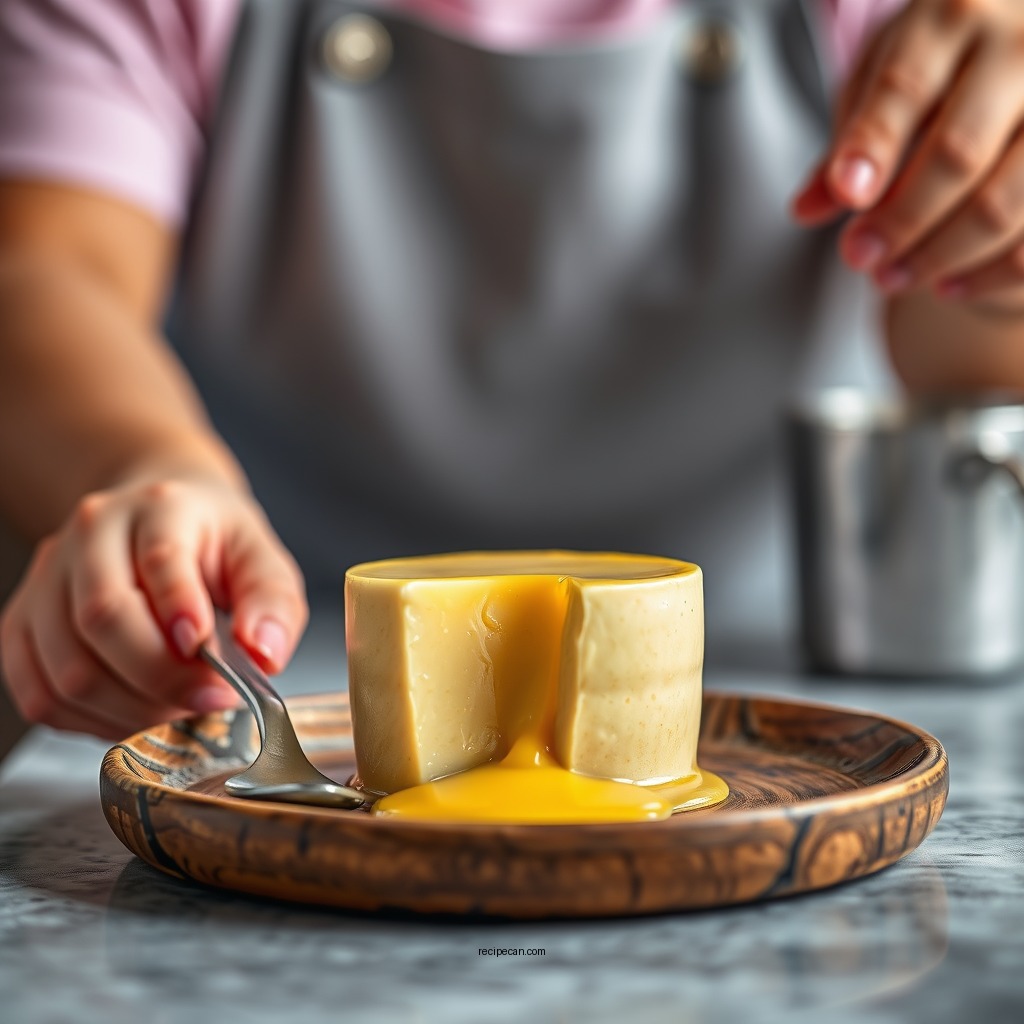
Cooking the custard is where the magic happens. Here’s how to ensure you achieve the perfect consistency:
– Low Heat is Key: Always keep the heat low when cooking your custard. High temperatures can cause the eggs to curdle, ruining the texture of your filling.
– Stir Constantly: Use a spatula to stir the custard continuously. This not only helps prevent curdling but also encourages even cooking.
– Check for Thickness: The custard is ready when it thickens enough to coat the back of a spoon. A good test is to run your finger through the custard on the spoon; it should hold its shape.
📋 MANDATORY DATA TABLE
Top 7 Custard Types for Cake Fillings
| # | Custard Type | Main Ingredients | Texture | Taste Profile |
|---|---|---|---|---|
| 1 | Vanilla Custard | Milk, Sugar, Egg Yolks, Vanilla | Creamy | Sweet & Rich |
| 2 | Chocolate Custard | Milk, Sugar, Egg Yolks, Cocoa | Silky | Rich & Decadent |
| 3 | Lemon Custard | Milk, Sugar, Egg Yolks, Lemon Juice | Light | Tangy & Fresh |
| 4 | Coffee Custard | Milk, Sugar, Egg Yolks, Coffee | Velvety | Bold & Robust |
| 5 | Caramel Custard | Milk, Sugar, Egg Yolks, Caramel | Smooth | Sweet & Buttery |
| 6 | Pistachio Custard | Milk, Sugar, Egg Yolks, Pistachios | Nutty | Unique & Earthy |
| 7 | Almond Custard | Milk, Sugar, Egg Yolks, Almond Extract | Rich | Sweet & Nutty |
Flavor Variations
Once you have mastered the basic custard filling, you can easily modify it to suit your taste or to complement different desserts. Here are some flavor variations to consider:
– Vanilla Extract: Adding pure vanilla extract is a classic way to enhance the flavor profile of your custard. It brings warmth and depth, making it a versatile choice for many desserts.
– Citrus Zests: Incorporating lemon or orange zest can add a refreshing twist to your custard. The bright notes of citrus can elevate the overall flavor, making it an excellent choice for spring or summer desserts.
– Chocolate: For chocolate lovers, adding cocoa powder or melted chocolate can transform your custard into a luscious chocolate filling that pairs beautifully with rich cakes or pastries.
– Nuts and Spices: Experiment with nut extracts like almond or hazelnut, or spices such as cinnamon or nutmeg for a unique flavor profile. These ingredients can add warmth and complexity to your custard filling.
Tips for Perfect Custard
To ensure your custard turns out perfectly every time, consider these tips:
– Use Fresh Ingredients: Fresh eggs and high-quality milk or cream will significantly enhance the flavor of your custard. Fresh ingredients are key to achieving that rich, creamy texture.
– Avoid Boiling: Boiling the custard can cause it to curdle, leading to a grainy texture. Always keep the heat low and stir continuously to avoid this issue.
– Strain the Custard: If you want a super smooth custard, consider straining it through a fine mesh sieve before cooling. This step removes any curdled bits and enhances the creaminess.
– Chill Before Using: Allow your custard to cool completely before using it as a filling. Chilling helps it set up and makes it easier to spread onto cakes or pastries.
📈 MANDATORY BAR CHART
Popularity of Custard Filling Types (2024)
Storing Your Custard Filling
Proper storage of your custard filling is essential for maintaining its flavor and texture. Here’s how to do it:
– Cooling: Allow the custard to cool completely at room temperature before transferring it to storage. This prevents condensation from forming, which can dilute the custard.
– Airtight Container: Store the cooled custard in an airtight container. This will help keep out any odors from your refrigerator and maintain the custard’s flavor.
– Refrigeration: Your custard can be refrigerated for up to 3 days. Be sure to label the container with the date, so you know when to use it.
– Freezing: If you want to keep your custard for a longer period, it can be frozen for up to a month. When ready to use, thaw it in the refrigerator overnight before serving. Be aware that the texture may change slightly after freezing.
The rich custard filling you’ve made can elevate any cake, from layer cakes to pastries. With this simple recipe, you can impress your family and friends with homemade desserts that taste professional. Don’t hesitate to try it out, and let your creativity flow in the kitchen! Enjoy the delightful journey of custard-making, and savor the delicious results in your favorite desserts.
Frequently Asked Questions
What ingredients do I need for a custard cake filling recipe?
To make a delicious custard cake filling, you’ll need milk, sugar, eggs, cornstarch, vanilla extract, and a pinch of salt. These basic ingredients combine to create a rich and creamy custard that pairs perfectly with various cakes, adding both flavor and moisture.
How do I make custard cake filling from scratch?
To make custard cake filling from scratch, start by whisking together the sugar, eggs, and cornstarch in a bowl. In a saucepan, heat the milk until it’s steaming, then slowly add it to the egg mixture while whisking continuously. Return the mixture to the saucepan and cook over medium heat until it thickens, then stir in vanilla extract and let it cool before using it as a filling.
Why is my custard cake filling not thickening properly?
If your custard cake filling isn’t thickening, it might be due to insufficient cooking time or not enough cornstarch. Make sure to cook the mixture over medium heat while constantly stirring until it reaches a thick, pudding-like consistency. Allowing it to cool will also help it thicken further.
What is the best way to store leftover custard cake filling?
The best way to store leftover custard cake filling is to place it in an airtight container and refrigerate it. It can last up to 3-4 days in the fridge. To prevent a skin from forming on the surface, you can cover it with plastic wrap directly on the custard.
Which cakes pair well with custard cake filling?
Custard cake filling pairs wonderfully with a variety of cakes, including vanilla sponge, chocolate cake, and fruit-flavored cakes. Its creamy texture enhances the overall flavor profile, making it an excellent choice for layered cakes, cupcakes, or as a filling for pastries.
References
- Custard
https://en.wikipedia.org/wiki/Custard - https://www.seriouseats.com/custard-recipes-5115446
https://www.seriouseats.com/custard-recipes-5115446 - https://www.foodnetwork.com/recipes/food-network-kitchen/custard-recipe-2119138
https://www.foodnetwork.com/recipes/food-network-kitchen/custard-recipe-2119138 - Google Scholar Google Scholar
https://scholar.google.com/scholar?q=custard+cake+filling+recipe - Google Scholar Google Scholar
https://scholar.google.com/scholar?q=custard+recipe - Google Scholar Google Scholar
https://scholar.google.com/scholar?q=custard+filling - https://www.thespruceeats.com/how-to-make-custard-995538
https://www.thespruceeats.com/how-to-make-custard-995538 - custard cake filling recipe – Search results
https://en.wikipedia.org/wiki/Special:Search?search=custard+cake+filling+recipe - https://www.ncbi.nlm.nih.gov/search/research-articles/?term=custard+cake+filling+recipe
https://www.ncbi.nlm.nih.gov/search/research-articles/?term=custard+cake+filling+recipe