Cream and custard are essential components in the world of desserts, offering rich textures and flavors that can elevate any dish. This article provides you with easy-to-follow recipes for both cream and custard, accompanied by expert tips to perfect your culinary skills. Whether you’re preparing a delightful dessert or a creamy filling, these recipes will serve as your comprehensive guide.
Understanding Cream and Its Varieties
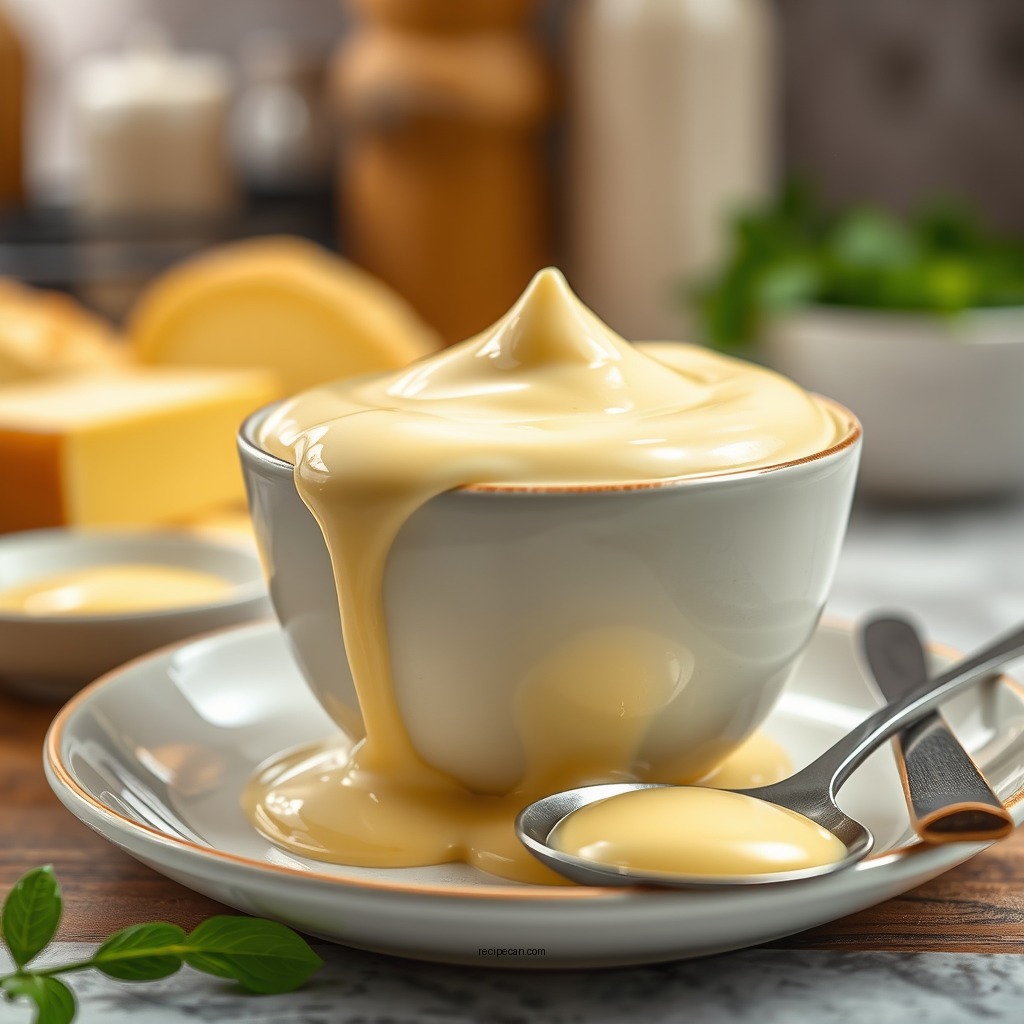
Cream comes in several varieties, each with its unique properties and uses in cooking and baking. The most common types include heavy cream, light cream, and whipping cream.
– Heavy Cream: Also known as heavy whipping cream, this type contains at least 36% fat, making it ideal for whipping and creating rich sauces. It’s perfect for desserts that require a stable structure, such as mousses or whipped toppings.
– Light Cream: With a fat content ranging from 18% to 30%, light cream is less rich than heavy cream but can still add creaminess to sauces and soups. It’s not suitable for whipping but works well in custards or as a coffee creamer.
– Whipping Cream: This cream has a fat content of about 30% and can be whipped into soft peaks. It’s versatile and can be used for toppings, fillings, or incorporated into various desserts.
When choosing cream for your recipes, consider the fat content and the role it will play in the dish. For instance, if you’re making a decadent dessert that requires stability, opt for heavy cream. Conversely, light cream is sufficient for lighter applications like coffee.
Basic Custard Recipe
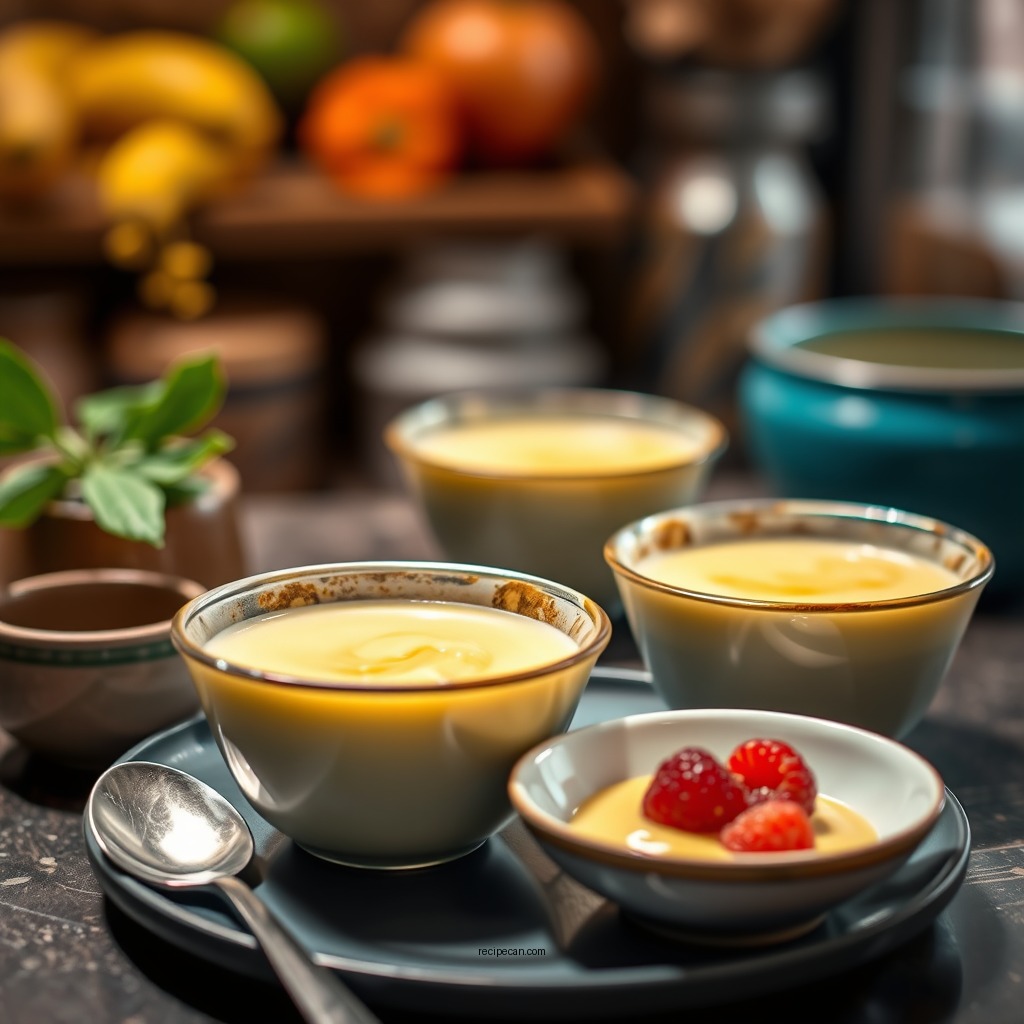
Making a classic vanilla custard is easier than you might think. Here’s a step-by-step guide to help you create a smooth and creamy custard.
Ingredients:
– 2 cups whole milk
– 1/2 cup granulated sugar
– 4 large egg yolks
– 1 teaspoon vanilla extract
– A pinch of salt
Instructions:
1. Heat the Milk: In a medium saucepan, heat the milk over medium heat until it begins to steam, but do not let it boil.
2. Whisk the Egg Yolks: In a separate bowl, whisk together the egg yolks, sugar, and salt until well combined and slightly thickened.
3. Temper the Egg Mixture: Slowly add a small amount of the hot milk to the egg mixture while whisking continuously. This step is crucial to prevent the eggs from scrambling.
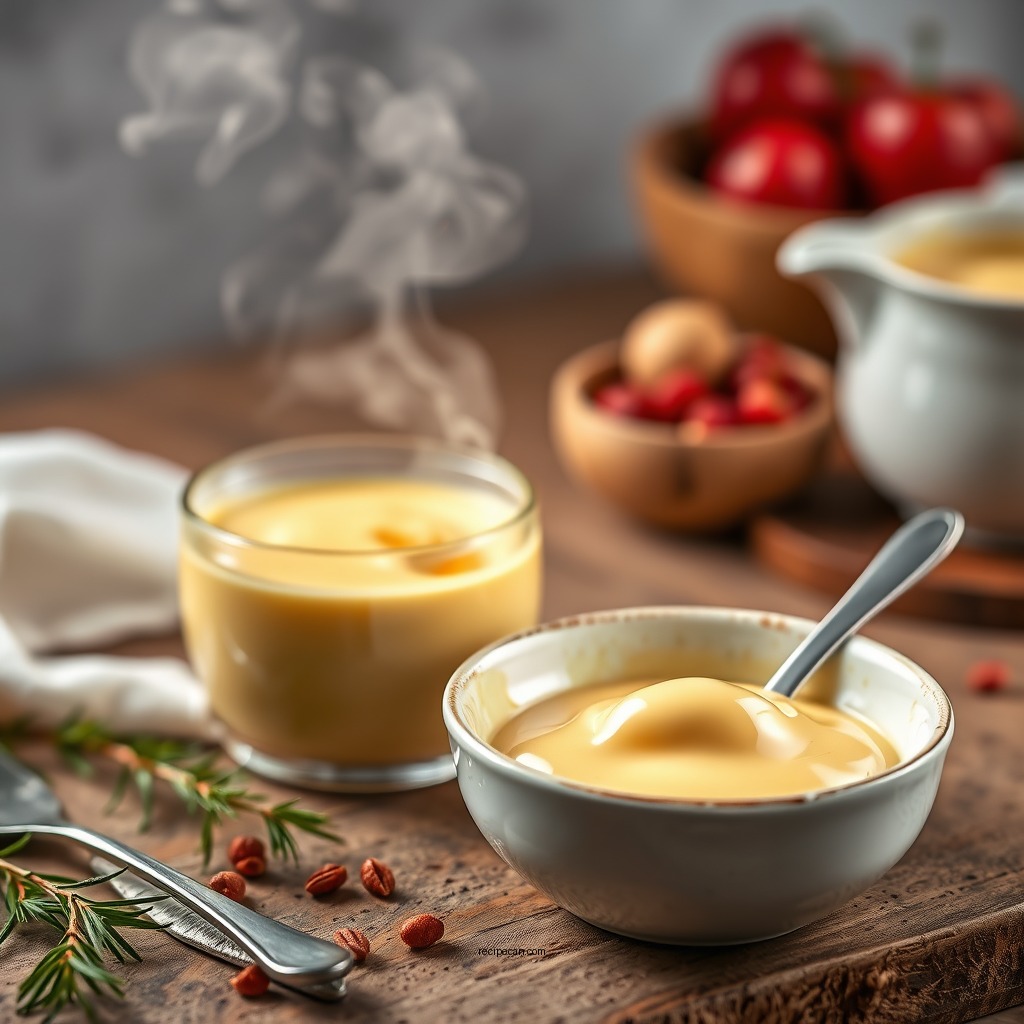
4. Combine and Cook: Gradually add the tempered egg mixture back into the saucepan with the remaining milk. Cook over low heat, stirring constantly, until the mixture thickens enough to coat the back of a spoon (about 10 minutes).
5. Add Vanilla: Remove from heat and stir in the vanilla extract. Let it cool, then refrigerate until set.
Tips for Perfecting Your Custard:
– Use Fresh Eggs: Fresh eggs yield better flavor and texture.
– Avoid High Heat: Cooking over low heat prevents curdling and ensures a smooth custard.
– Strain the Custard: If you want an ultra-smooth texture, strain the custard through a fine-mesh sieve before chilling.
Flavor Variations for Custard
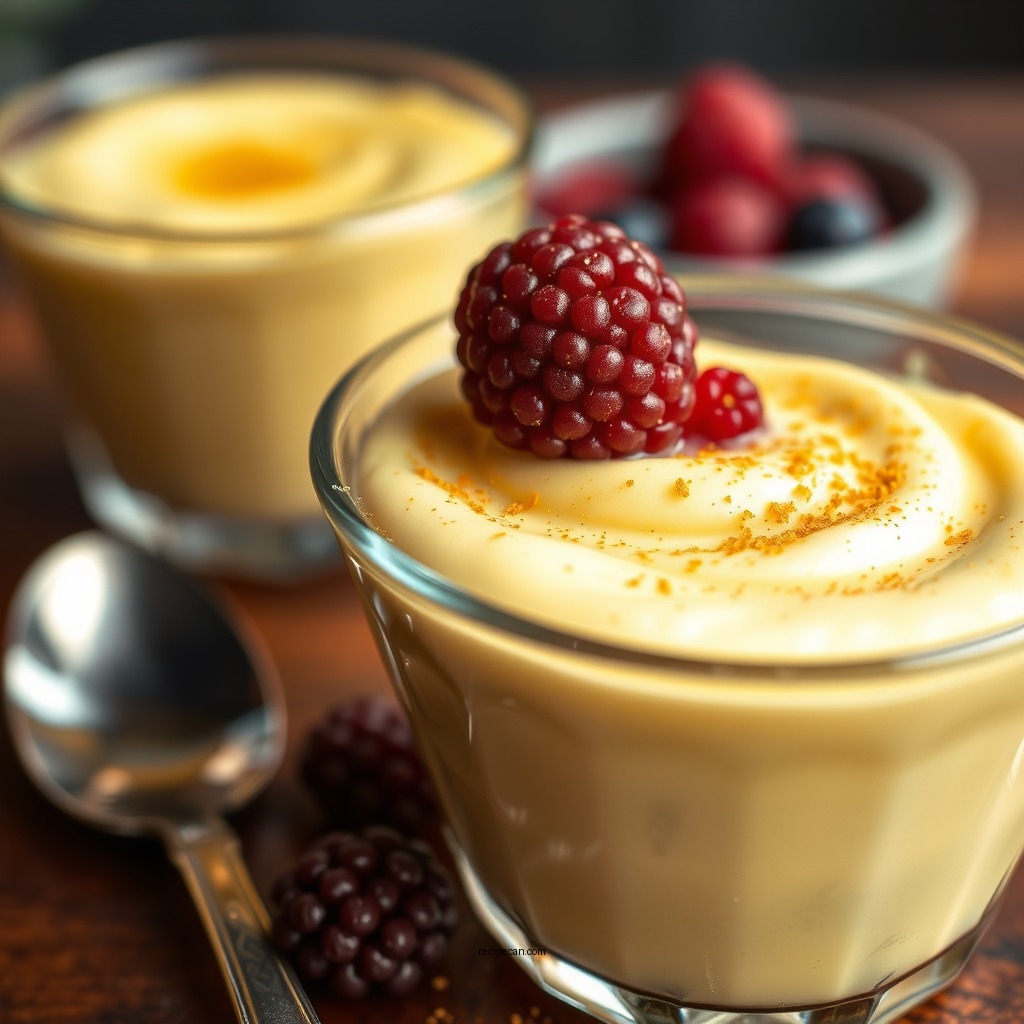
Once you master the basic custard, you can easily create exciting flavor variations. Here are some ideas to infuse your custard with unique tastes:
– Chocolate Custard: Melt 4 oz of dark chocolate and whisk it into the milk before combining with the egg mixture for a rich chocolate flavor.
– Coffee Custard: Brew a strong cup of coffee, and replace half the milk with the coffee for a delicious coffee-infused custard.
– Fruit Custard: Puree fruits such as strawberries or mangoes and fold them into the custard once it has cooled. This adds a vibrant color and fresh flavor.
– Spices and Extracts: Experiment with spices like cinnamon or nutmeg, or use extracts such as almond or orange to give your custard a twist.
Top 6 Custard Flavor Variations
| # | Flavor | Description | Popularity |
|---|---|---|---|
| 1 | Vanilla | Classic flavor | ★★★★☆ |
| 2 | Chocolate | Rich and indulgent | ★★★★★ |
| 3 | Coffee | Bold flavor | ★★★★☆ |
| 4 | Fruit | Fresh and vibrant | ★★★☆☆ |
| 5 | Almond | Nutty undertones | ★★★★☆ |
| 6 | Lemon | Zesty and refreshing | ★★☆☆☆ |
Cream-Based Dessert Recipes
Cream can be used in various ways to create delightful desserts. Here are a few simple recipes to get you started:
Whipped Cream Topping
– Ingredients: 1 cup heavy cream, 2 tablespoons powdered sugar, 1 teaspoon vanilla extract.
– Instructions: In a mixing bowl, whip the heavy cream until soft peaks form. Gradually add powdered sugar and vanilla, continuing to whip until stiff peaks form. Use this topping for cakes, pies, or as a standalone dessert.
Cream Sauce
– Ingredients: 1 cup heavy cream, 1/2 cup grated Parmesan cheese, salt, pepper, and herbs to taste.
– Instructions: In a saucepan, heat the cream over medium heat. Once warmed, stir in Parmesan cheese until melted. Season with salt, pepper, and fresh herbs like basil or parsley. This sauce is perfect for pasta or drizzling over vegetables.
Cream in Cakes and Pastries
– Incorporate heavy cream into cake batters for added moisture, or use it to create a ganache by combining equal parts cream and chocolate.
– For pastries, a cream filling can be made by combining whipped cream with a custard base, providing a delicious contrast to flaky textures.
Tips for Perfecting Your Cream and Custard
Creating smooth and luscious cream and custard requires attention to detail. Here are some common pitfalls to avoid and techniques to master:
– Avoid Overheating: High temperatures can cause cream to curdle or custard to scramble. Always cook over low to medium heat and use a thermometer if necessary.
– Use a Double Boiler: For delicate sauces or custards, a double boiler can help maintain a consistent temperature and prevent scorching.
– Whip Cream Properly: When whipping cream, use chilled equipment and avoid over-whipping, which can lead to butter formation. Stop once stiff peaks form.
– Strain Custard: To ensure a silky texture, strain custard through a fine-mesh sieve before cooling. This removes any potential lumps and ensures a smooth consistency.
Serving Suggestions
Cream and custard can be paired with a variety of desserts to enhance their flavor and presentation. Here are some ideas:
– Cakes: Serve custard alongside sponge cakes or use it as a filling for layer cakes. Drizzle whipped cream on top for added flair.
– Fruits: Fresh fruits like berries or poached pears are excellent companions to custards and creams. Consider a fruit tart topped with custard and whipped cream for a delightful treat.
– Pastry: Use cream or custard as a filling for éclairs, cream puffs, or tarts. Top with a dusting of powdered sugar or chocolate shavings for aesthetic appeal.
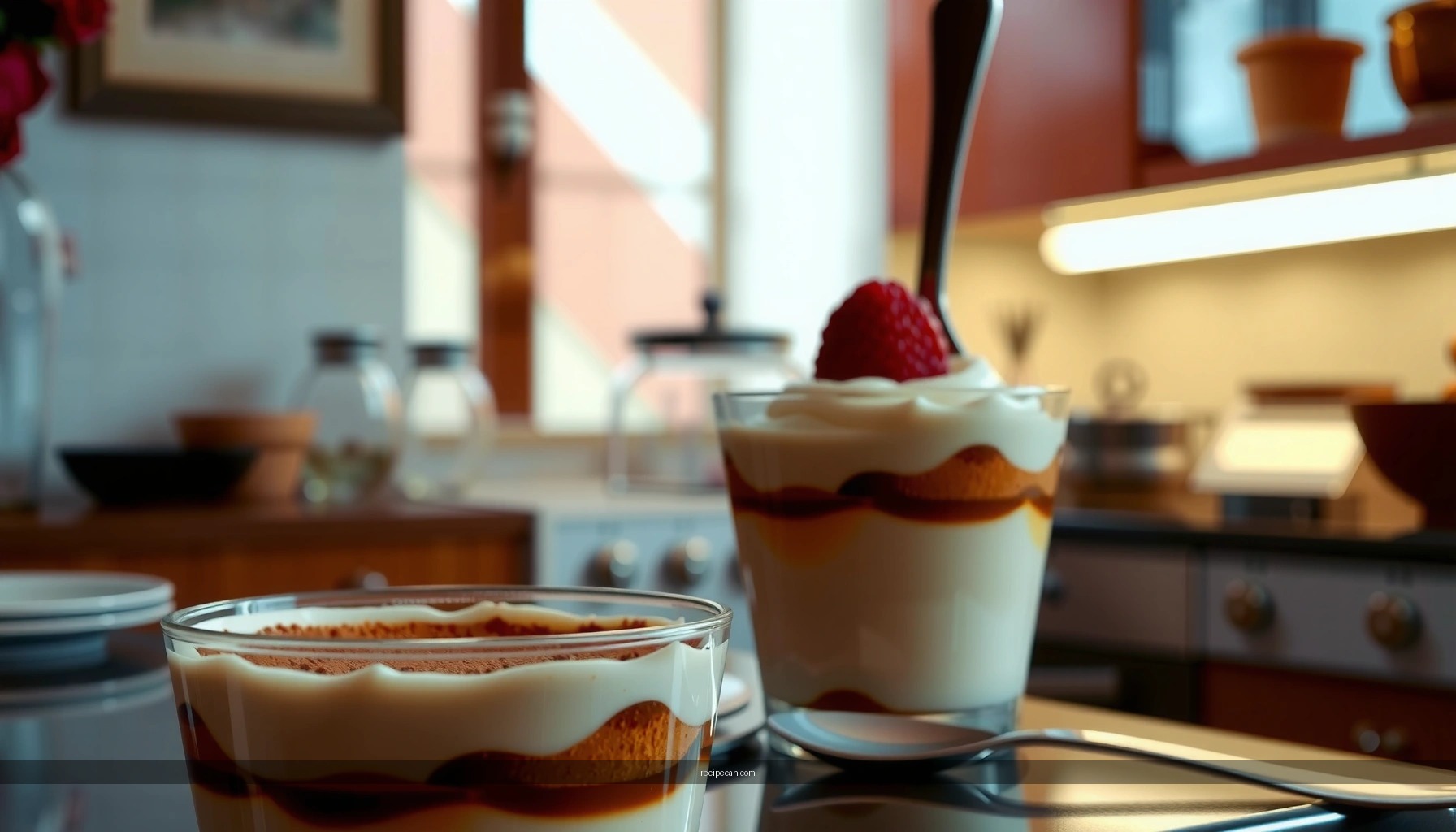
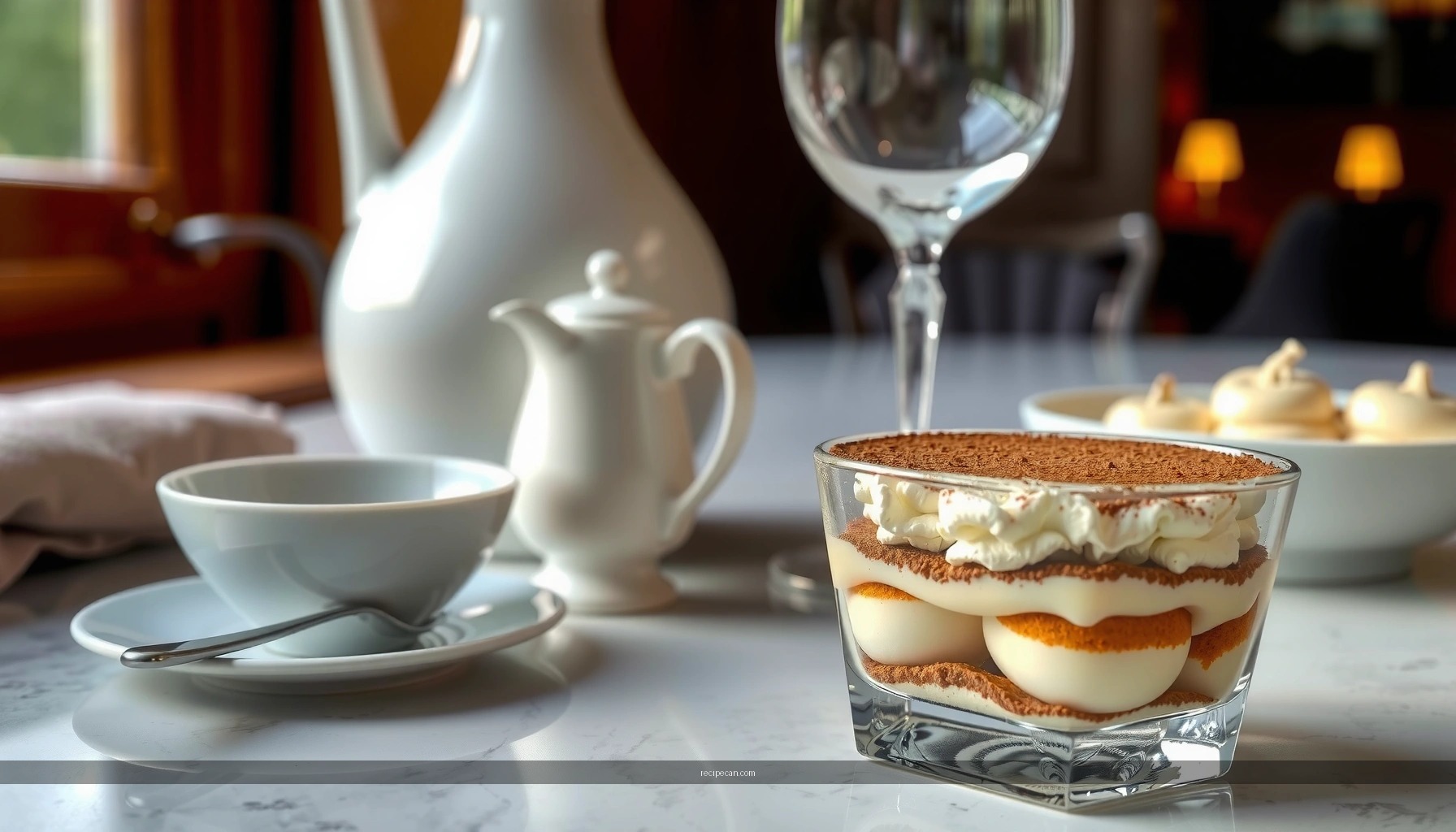
– Presentation: When serving, consider using elegant glassware to showcase the layers of custard and cream. Garnish with mint leaves or a sprinkle of cocoa powder for a finishing touch.
In conclusion, mastering cream and custard recipes opens the door to an array of delicious desserts. From understanding the different types of cream and creating a basic custard to exploring flavor variations and serving suggestions, the possibilities are endless. We encourage you to try these recipes and share your results. For more dessert ideas and inspiration, continue exploring our blog!
Frequently Asked Questions
What are the essential ingredients for a basic cream and custard recipe?
A basic cream and custard recipe typically requires milk, cream, sugar, egg yolks, and vanilla extract. For a richer flavor, you can also add a pinch of salt. These ingredients combine to create a smooth and creamy texture that is ideal for various desserts.
How do I prevent my custard from curdling while cooking?
To prevent curdling when making custard, it’s crucial to heat the milk and cream slowly, stirring constantly. Additionally, tempering the egg yolks by gradually adding the warm mixture to them before combining everything helps stabilize the eggs. This method ensures a smooth custard without any lumps.
Why is my custard not thickening properly, and how can I fix it?
If your custard is not thickening, it may be due to insufficient cooking time or too low a temperature. Ensure that you cook the mixture over low to medium heat until it coats the back of a spoon. If it’s still too thin, you can return it to the heat for a few more minutes or add a cornstarch slurry to achieve the desired consistency.
What is the best way to flavor my cream and custard recipe?
The best way to flavor your cream and custard is by infusing the milk or cream with ingredients like vanilla beans, citrus zest, or spices such as nutmeg or cinnamon. Allow the flavors to steep before straining out solids for a smooth finish. You can also add extracts or liqueurs after cooking for a unique twist.
Which desserts can I use cream and custard in?
Cream and custard can be used in a variety of desserts, including trifles, tarts, and as a filling for pastries. They are also perfect for pouring over cakes, serving with fresh fruit, or incorporating into ice creams. Their versatility makes them a staple in many sweet recipes.
References
- Custard
https://en.wikipedia.org/wiki/Custard - Custard recipes – BBC Food
https://www.bbc.co.uk/food/custard - https://www.bbc.co.uk/food/creams
https://www.bbc.co.uk/food/creams - Custard | Definition, Ingredients, & Preparation | Britannica
https://www.britannica.com/topic/custard - NYT Cooking – Recipes and Cooking Guides From The New York Times
https://www.nytimes.com/recipes/1018120/vanilla-custard - Google Scholar Google Scholar
https://scholar.google.com/scholar?q=cream+and+custard+recipe - Google Scholar Google Scholar
https://scholar.google.com/scholar?q=custard+recipes+history - Google Scholar Google Scholar
https://scholar.google.com/scholar?q=cream+recipes+culinary+techniques - https://www.sciencedirect.com/topics/food-science/custard
https://www.sciencedirect.com/topics/food-science/custard - https://www.ncbi.nlm.nih.gov/pmc/articles/PMC6116907/
https://www.ncbi.nlm.nih.gov/pmc/articles/PMC6116907/