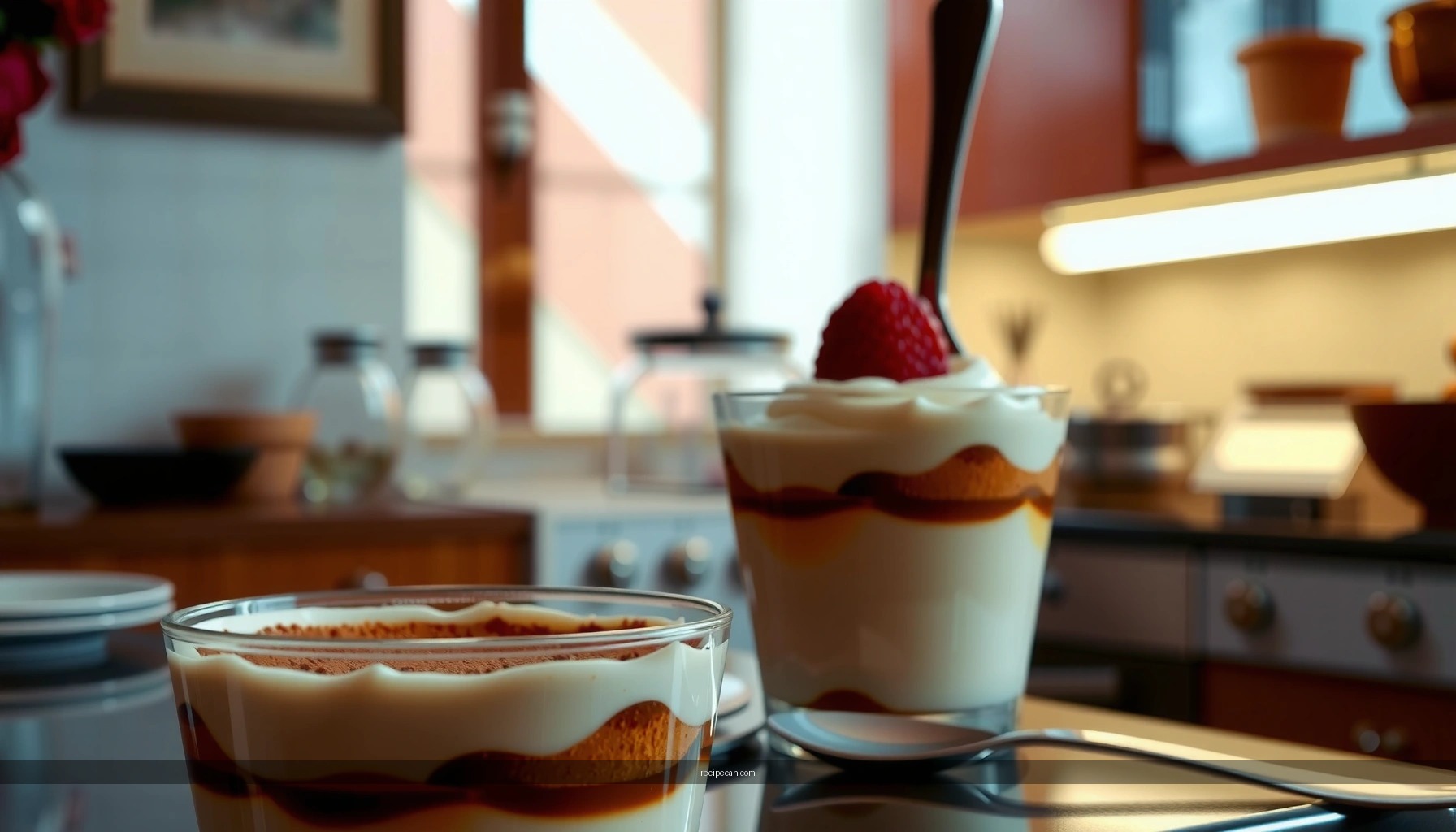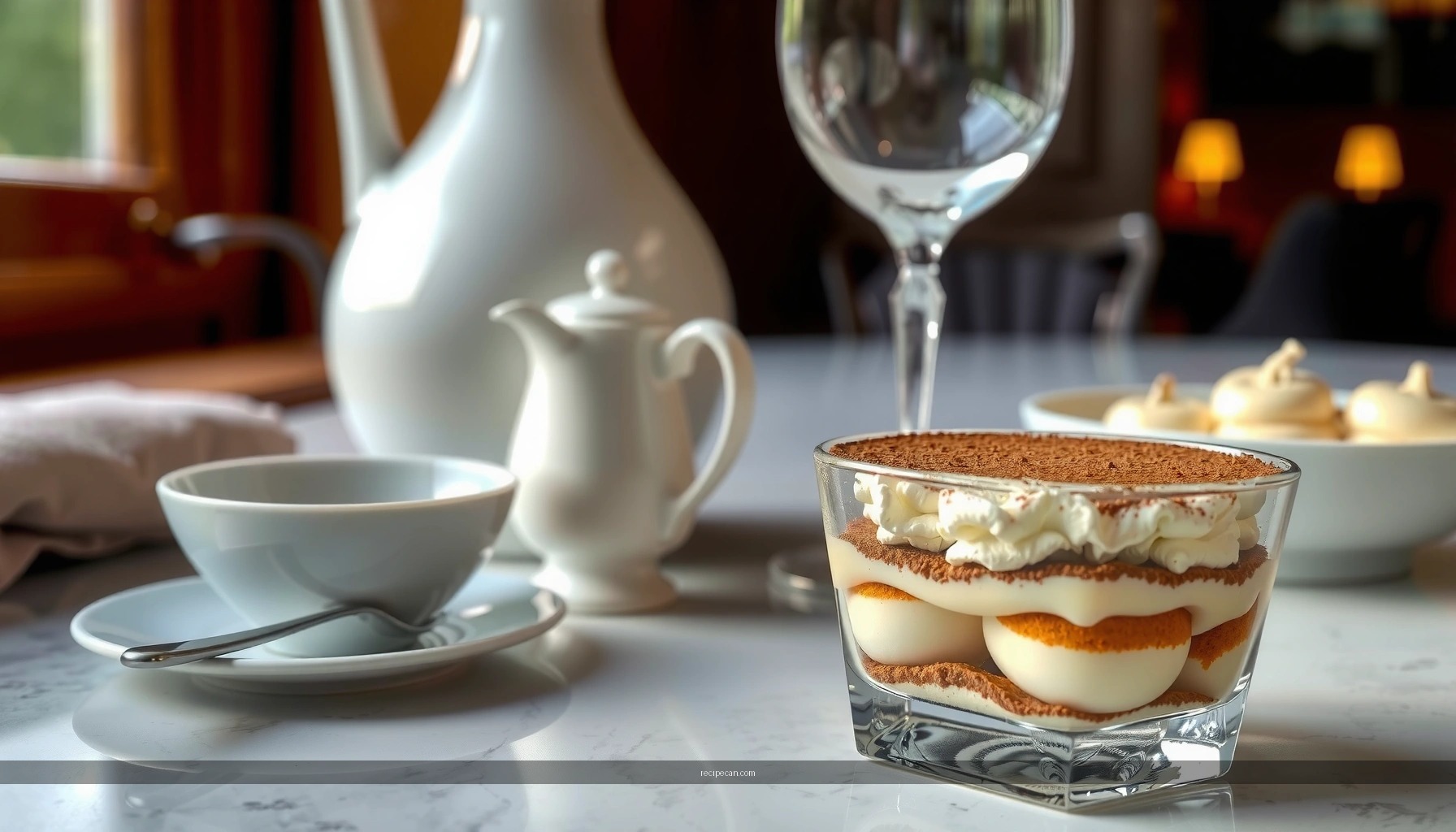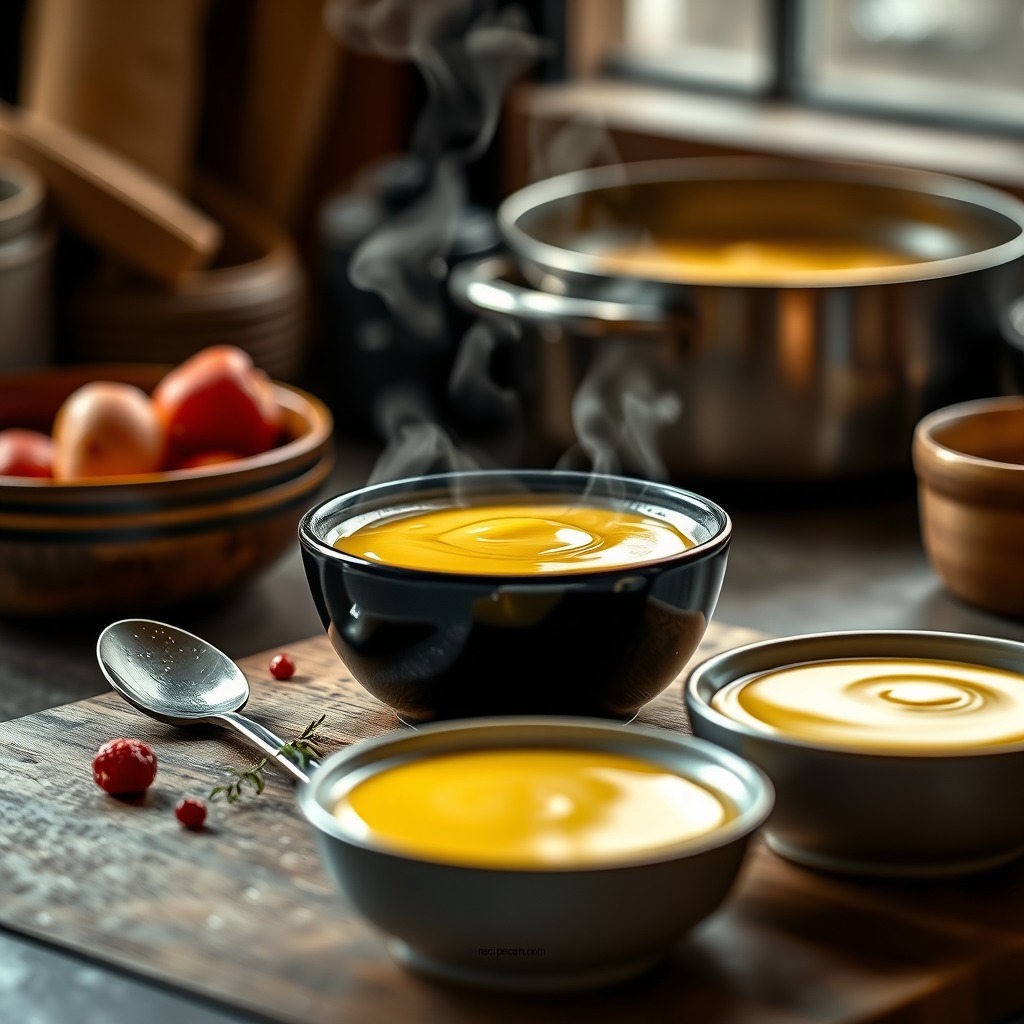
Crafting the perfect custard is all about the right ingredients and technique. In this article, you’ll discover a foolproof recipe that ensures a creamy, smooth custard every time. Whether you’re using it for desserts or as a base for other dishes, this guide will help you master the art of custard making. With the right approach, you can create a delightful custard that can elevate any meal or dessert, making it a versatile addition to your culinary repertoire.
Key Ingredients for Custard
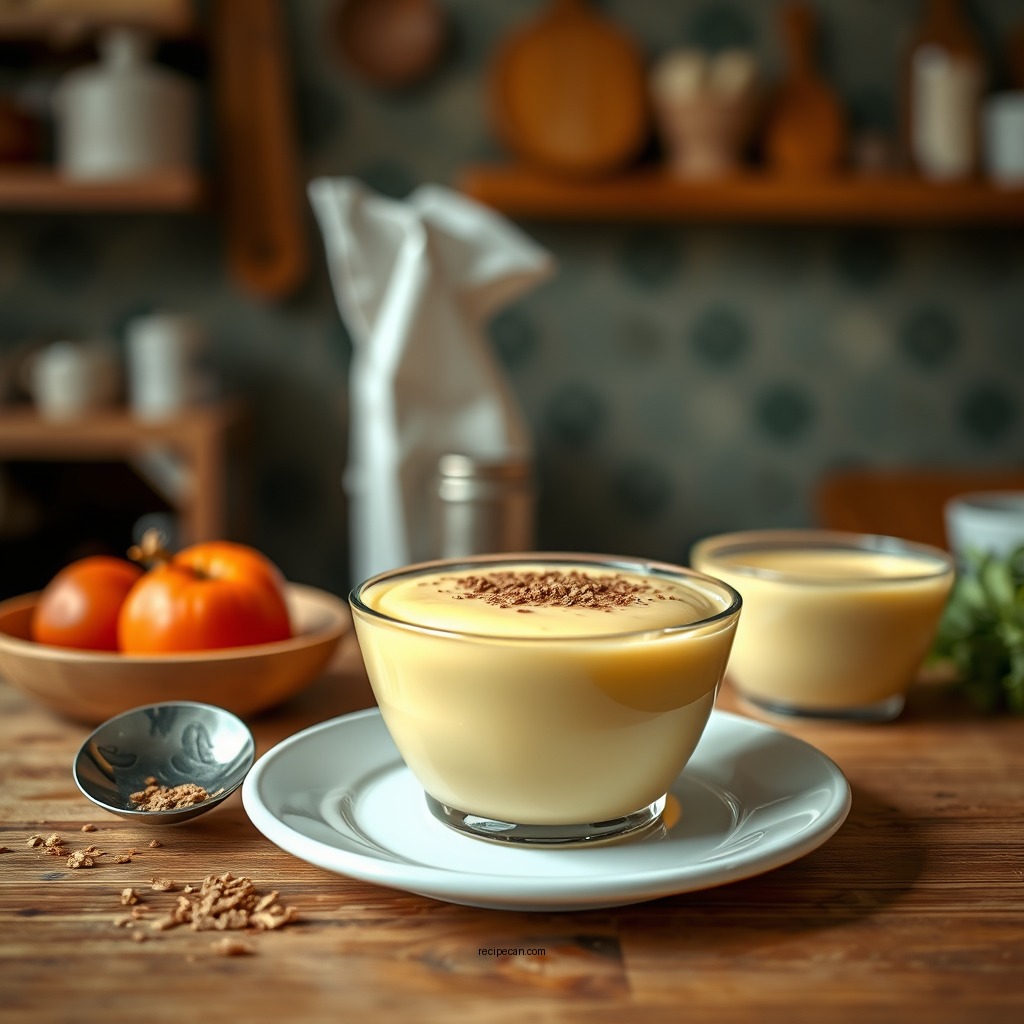
To create a delectable custard, understanding the role of each ingredient is crucial. The fundamental components include:
– Whole milk or cream: These are the primary liquid components of custard, providing a rich and creamy texture. Whole milk offers a lighter option, while cream yields a more indulgent, velvety result. For an even richer flavor, you can use half-and-half or a blend of milk and cream.
– Eggs: Eggs are essential for thickening and providing structure to custard. Typically, whole eggs create a golden hue, while using only egg yolks results in a custard that is richer and more luxurious. The proteins in eggs coagulate when heated, giving the custard its characteristic custard-like consistency.
– Sugar: This ingredient balances the flavor and adds sweetness. Granulated sugar is most commonly used, but other alternatives like brown sugar or honey can also provide unique flavor profiles. The amount of sugar can be adjusted based on personal taste or the intended use of the custard.
Using high-quality ingredients is essential for achieving the best flavor and texture. Organic eggs, fresh dairy, and pure vanilla extract can significantly enhance the final product.
Essential Tools You’ll Need
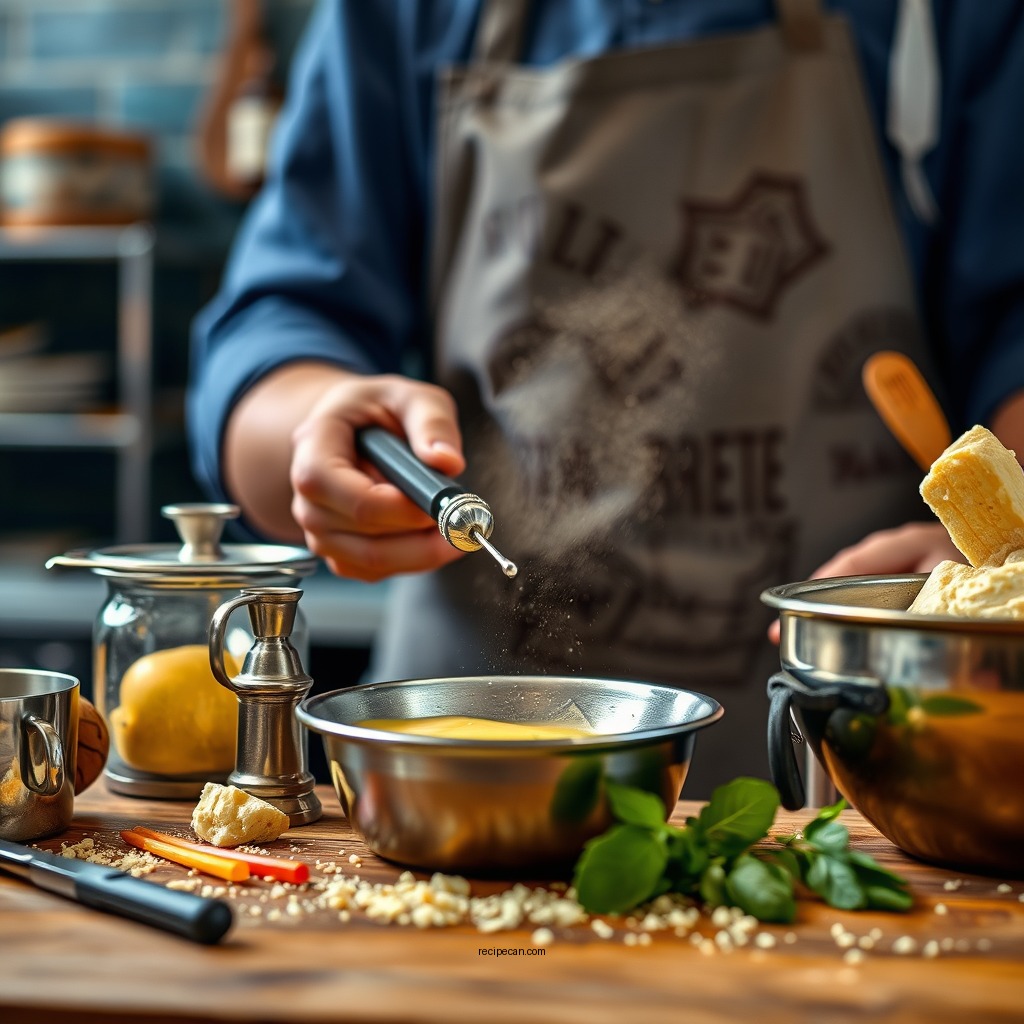
Having the right tools on hand will make the custard-making process smoother and more enjoyable. Here’s what you’ll need:
– Mixing bowls: A sturdy mixing bowl for whisking the eggs and sugar together is vital. A glass or stainless steel bowl is recommended for better heat retention and easier cleaning.
– A saucepan: A heavy-bottomed saucepan ensures even heat distribution, which is critical for preventing the custard from curdling. A double boiler can also be used for gentle cooking.
– A whisk or spatula: A whisk is essential for incorporating air and achieving a smooth mixture. A silicone spatula is handy for scraping the sides of the bowl and ensuring no ingredient is left behind.
– A thermometer (optional): While not mandatory, a kitchen thermometer can help monitor the temperature of the custard, ensuring it reaches the desired consistency without overheating.
Step-by-Step Custard Preparation
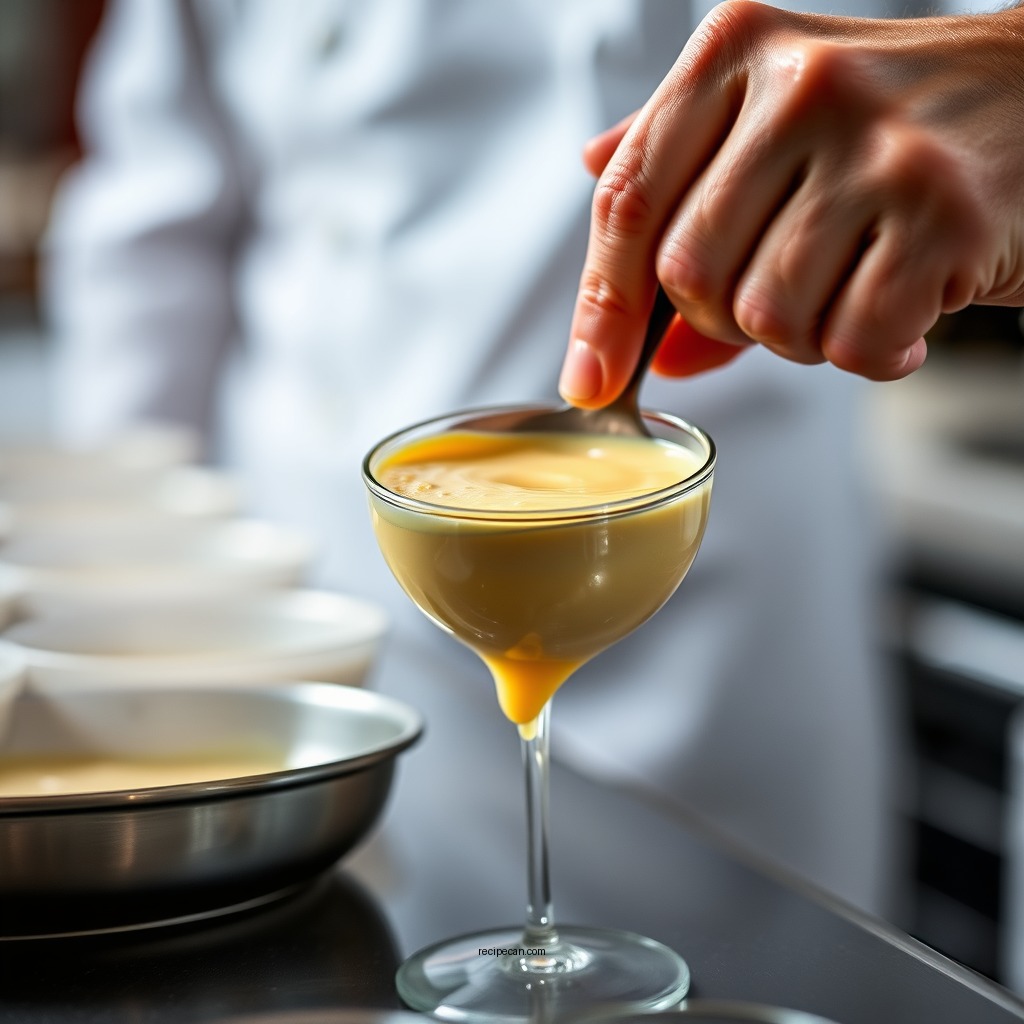
Creating custard might seem daunting, but it can be broken down into simple steps:
1. Heat milk/cream: Begin by gently warming the milk or cream in a saucepan over medium-low heat. Avoid boiling it; the goal is to warm it until steam begins to rise. This step helps to activate the flavors without scalding the milk.
2. Whisk eggs and sugar: In a mixing bowl, combine the eggs and sugar. Whisk them together until the mixture is smooth and pale in color. This process incorporates air, which will help create a lighter texture in the final custard.
3. Combine mixtures: Gradually pour the warm milk/cream into the egg mixture while continuously whisking. This technique, known as tempering, prevents the eggs from scrambling by slowly raising their temperature.
4. Cook gently: Return the combined mixture to the saucepan and cook over low heat. Stir constantly with a wooden spoon or spatula until the custard thickens and coats the back of the spoon. This step usually takes around 10-15 minutes. If using a thermometer, the custard should reach about 170°F (77°C).
5. Cool and strain: Once thickened, remove the custard from heat and strain it through a fine-mesh sieve into a clean bowl to remove any curdled bits. Allow it to cool slightly before covering with plastic wrap to prevent a skin from forming.
📋 DATA
Top 7 Types of Custard and Their Uses
| # | Custard Type | Texture | Common Uses |
|---|---|---|---|
| 1 | Pastry Cream | Thick | Tarts, Eclairs |
| 2 | Crème Brûlée | Creamy | Dessert, Toppings |
| 3 | Flan | Silky | Puddings, Sweets |
| 4 | Sabayon | Light | Toppings, Sauces |
| 5 | English Custard | Pourable | Desserts, Fruit |
| 6 | Chocolate Custard | Rich | Pies, Tarts |
| 7 | Fruit Custard | Fresh | Salads, Desserts |
📈 CHART
Custard Popularity by Type (2024)
Tips for Achieving the Perfect Texture
Achieving the ideal custard texture requires attention to detail:
– Use low heat: Cooking the custard over low heat is critical to prevent curdling. High temperatures can cause the proteins in the eggs to coagulate too quickly, leading to a lumpy texture instead of the desired smoothness.
– Strain the mixture: Always strain the custard mixture before cooking. This step eliminates any lumps or curdles that may have formed during the mixing process, ensuring a silky-smooth final product.
– Monitor consistency: The custard is ready when it thickly coats the back of a spoon. To test for doneness, dip a spoon into the custard; if it leaves a clean line when you run your finger through it, the custard is perfect.
Variations on Classic Custard
Once you’ve mastered the basic custard recipe, consider experimenting with various flavors:
– Vanilla custard: Adding pure vanilla extract or a vanilla bean enhances the traditional flavor profile. Simply stir in the extract or bean during the cooking process for a fragrant result.
– Chocolate custard: For those with a sweet tooth, incorporating cocoa powder or melted chocolate creates a rich chocolate custard. Adjust the sugar content accordingly to balance the bitterness of the cocoa.
– Fruit-flavored custard: Mixing in pureed fruits, such as strawberries or mango, can create a refreshing twist. Ensure to strain the custard after incorporating the fruit to achieve a smooth texture.
Serving Suggestions
The versatility of custard makes it an excellent pairing for a variety of dishes:
– Pair with desserts: Custard is an excellent accompaniment to pies, tarts, or cakes. It can be drizzled over desserts or used as a dip for cookies.
– Use as a filling: Custard can serve as a delicious filling for pastries, such as cream puffs or layered desserts like trifles.
– Enjoy it plain: For a simple treat, enjoy custard on its own, served warm or chilled. A sprinkle of nutmeg or cinnamon can add an extra touch of flavor.
The best custard recipe combines quality ingredients with precise techniques to create a deliciously creamy dessert. Follow these steps, and don’t hesitate to experiment with flavors and pairings. Whether you’re a novice or seasoned cook, this custard will impress your family and friends. Try it today and elevate your dessert game!
Frequently Asked Questions
What are the essential ingredients for the best custard recipe?
The best custard recipe typically requires just a few essential ingredients: eggs, sugar, milk or cream, and vanilla extract. For a richer flavor, you can use heavy cream instead of milk. Fresh, high-quality ingredients will enhance the taste and texture of your custard.
How do you achieve a smooth texture in homemade custard?
To achieve a smooth texture in homemade custard, it’s crucial to temper the eggs before adding them to the hot milk mixture. Gradually whisk a small amount of the hot milk into the beaten eggs to raise their temperature without scrambling them. Then, slowly add this mixture back into the remaining milk while stirring constantly.
Why is my custard not thickening properly?
If your custard is not thickening properly, it may be due to insufficient cooking time or too low of a temperature. Custard requires gentle heat; cooking it over medium-low heat and stirring continuously will help it thicken evenly. Additionally, ensure you’re using the right ratio of eggs to liquid, as this is crucial for achieving the desired consistency.
What is the best method for baking custard in the oven?
The best method for baking custard involves using a water bath, or bain-marie, which helps regulate the temperature and prevents the custard from curdling. Place your custard dish in a larger baking pan filled with hot water, and bake at a low temperature, around 325°F (160°C), until it is set but still slightly jiggly in the center.
Which flavors can I add to enhance my custard recipe?
You can enhance your custard recipe by adding various flavors such as chocolate, coffee, or fruit purees. Infusing the milk or cream with spices like cinnamon or nutmeg, or using citrus zest can also add a delightful twist. Experimenting with different extracts, such as almond or coconut, can create unique and delicious variations of traditional custard.
References
- Custard
https://en.wikipedia.org/wiki/Custard - https://www.bbc.co.uk/food/recipes/custard_91793
https://www.bbc.co.uk/food/recipes/custard_91793 - https://www.nytimes.com/2020/03/25/dining/custard-recipe.html
https://www.nytimes.com/2020/03/25/dining/custard-recipe.html - https://www.sciencedirect.com/topics/agricultural-and-biological-sciences/custard
https://www.sciencedirect.com/topics/agricultural-and-biological-sciences/custard - Custard | Definition, Ingredients, & Preparation | Britannica
https://www.britannica.com/topic/custard - Google Scholar Google Scholar
https://scholar.google.com/scholar?q=best+recipe+for+custard - Google Scholar Google Scholar
https://scholar.google.com/scholar?q=custard+recipe+history - Google Scholar Google Scholar
https://scholar.google.com/scholar?q=custard+preparation+techniques - https://www.nichd.nih.gov/health/topics/foodsafety/healthyfood/Pages/recipe.aspx
https://www.nichd.nih.gov/health/topics/foodsafety/healthyfood/Pages/recipe.aspx - https://www.theguardian.com/lifeandstyle/2021/jan/23/custard-recipe-vanilla-pudding
https://www.theguardian.com/lifeandstyle/2021/jan/23/custard-recipe-vanilla-pudding