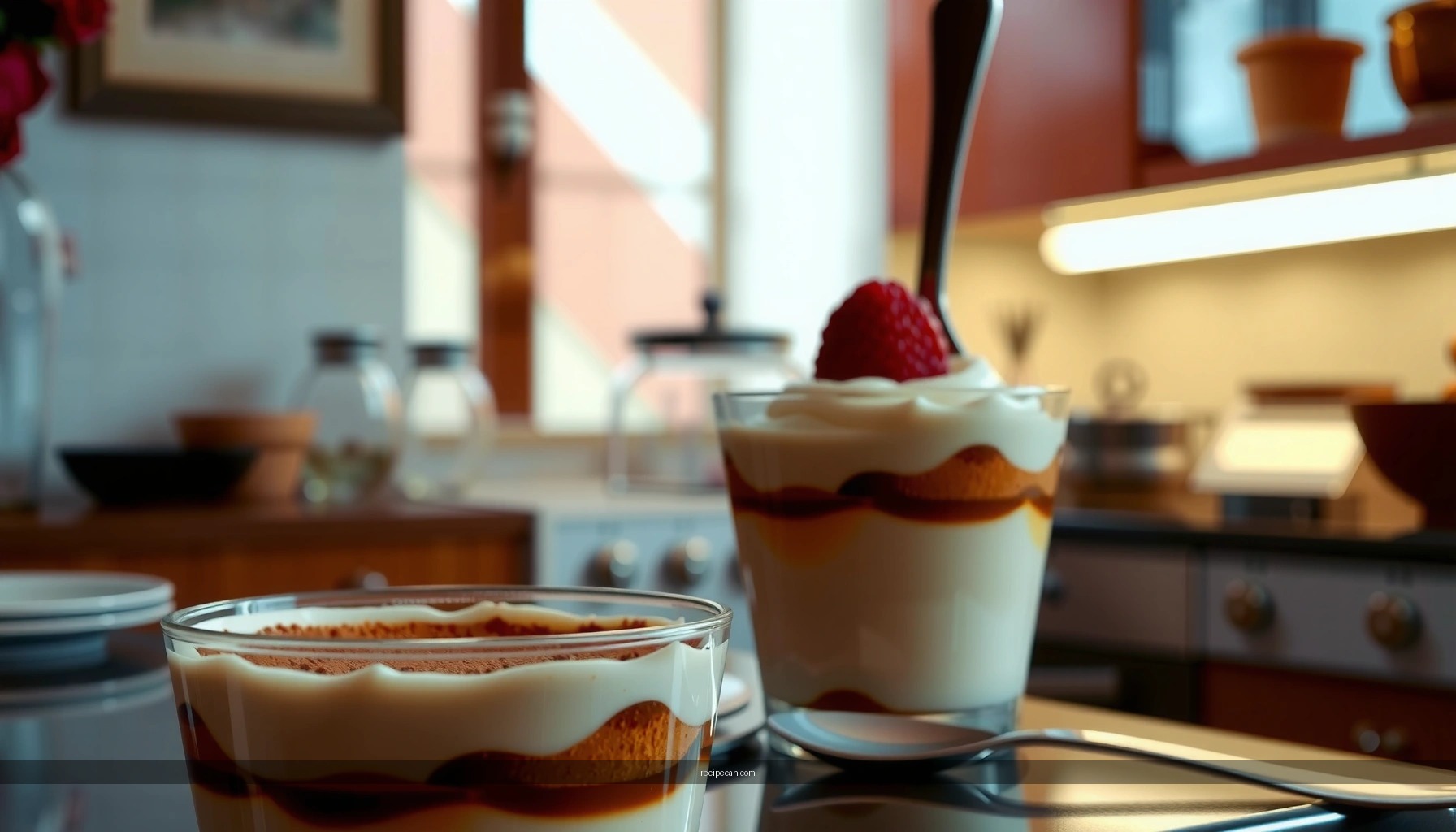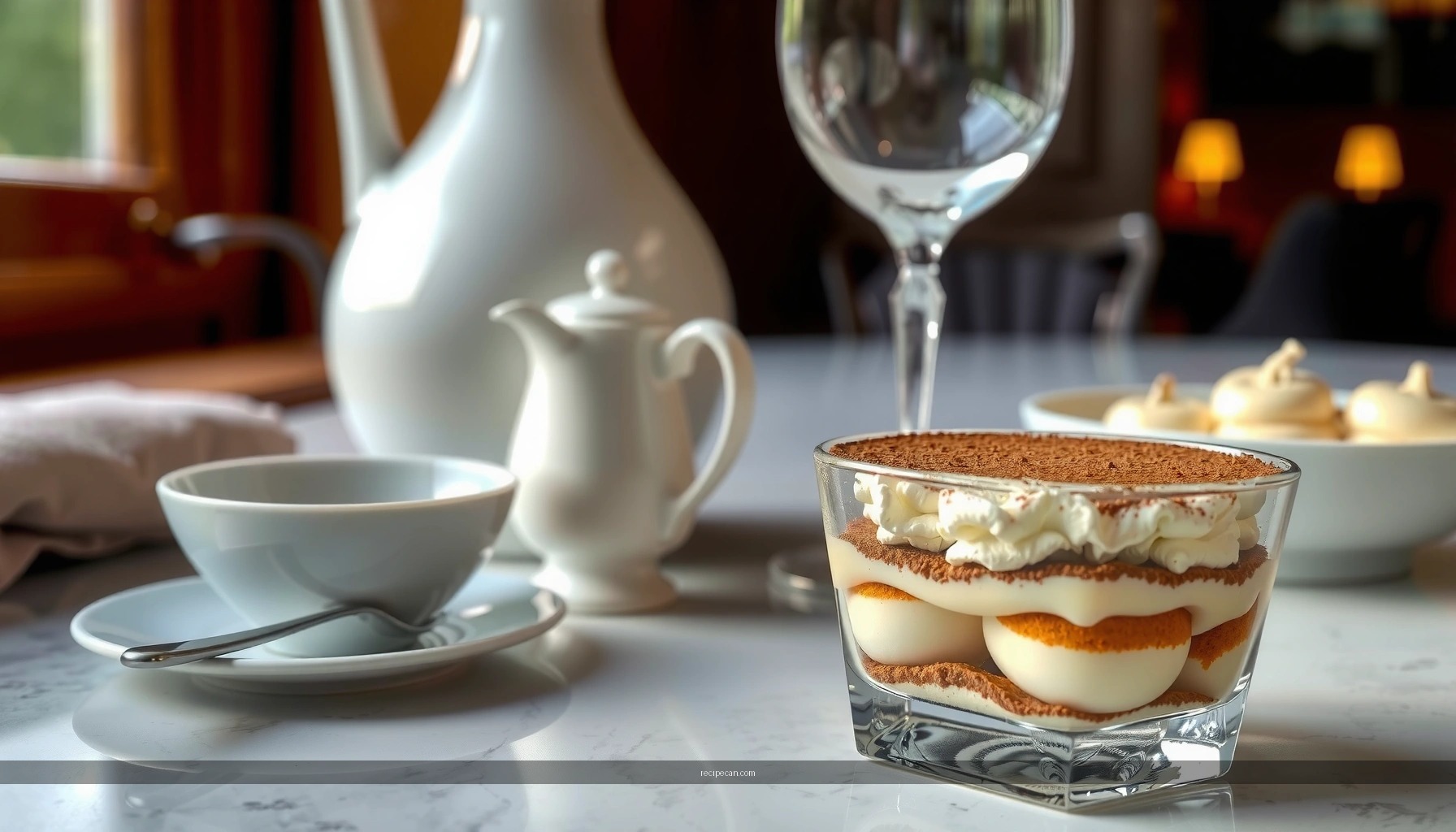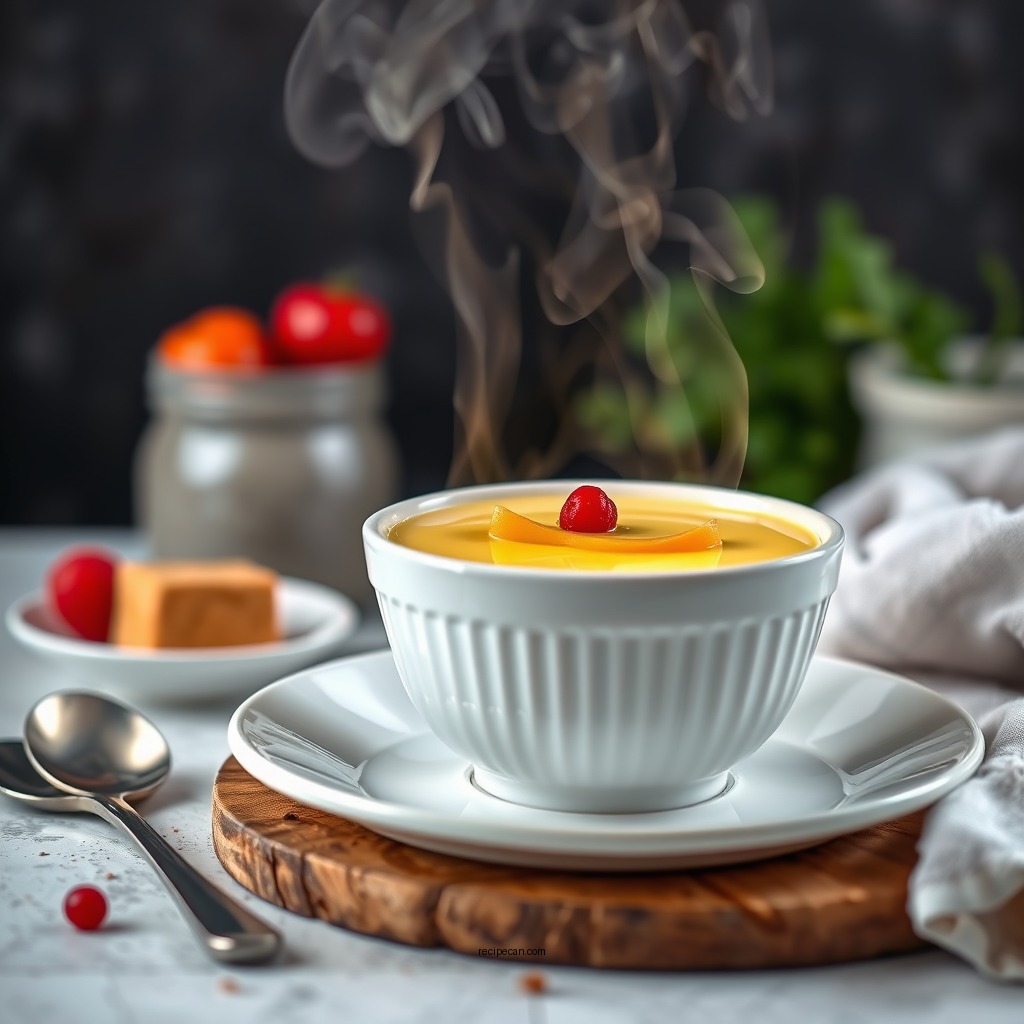
Get ready to create a rich and creamy custard with this easy baking custard recipe that anyone can master. In just a few simple steps, you’ll learn how to whip up this classic dessert that’s perfect on its own or as a base for other treats, like pies and tarts. This custard is not only a delightful dish but also a versatile ingredient that can elevate your dessert game.
Custard has a long-standing history in culinary traditions worldwide, known for its smooth texture and rich flavor. Making custard from scratch is easier than you might think, and with this straightforward recipe, you’ll impress your family and friends with a homemade treat that rivals any restaurant dessert. Whether you’re a seasoned baker or a novice, this recipe will guide you through each step, ensuring delicious results every time.
Ingredients You’ll Need
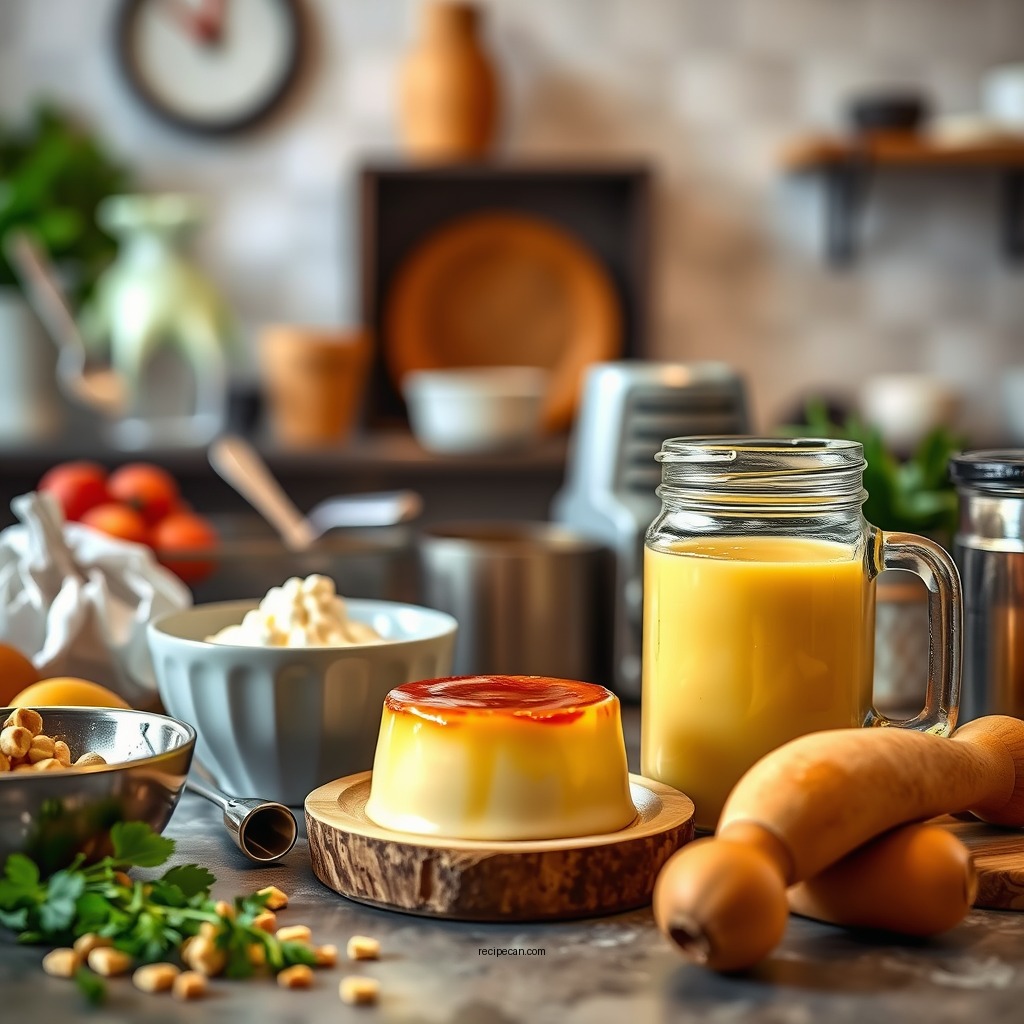
To prepare an exquisite baking custard, you will need the following ingredients:
– Milk or cream: Choose whole milk for a lighter custard or heavy cream for an ultra-rich flavor. The fat content in these dairy products significantly affects the texture and taste of the final custard.
– Eggs: Fresh, large eggs are essential for achieving the perfect consistency. Eggs act as a thickening agent and provide the custard with its signature smoothness.
– Sugar: Granulated sugar is the sweetener of choice, but feel free to adjust the quantity to suit your taste. For a more complex flavor, consider using brown sugar or honey to enhance the overall profile.
Preparation Steps

Creating a delightful custard involves meticulous preparation. Follow these steps to ensure success:
– Preheat your oven: Set the temperature to 325°F (160°C). Preheating the oven ensures even cooking and helps the custard set properly.
– Whisk the ingredients: In a mixing bowl, combine the eggs, sugar, and milk. Whisk until the mixture is smooth and well blended, being careful not to over-mix as this can incorporate air and lead to a less smooth texture.
– Prepare the baking dish: Using a water bath (bain-marie) is crucial for gentle cooking. Place your custard dish in a larger baking pan filled with hot water; this method helps regulate the temperature and prevents the custard from curdling.
Baking Process
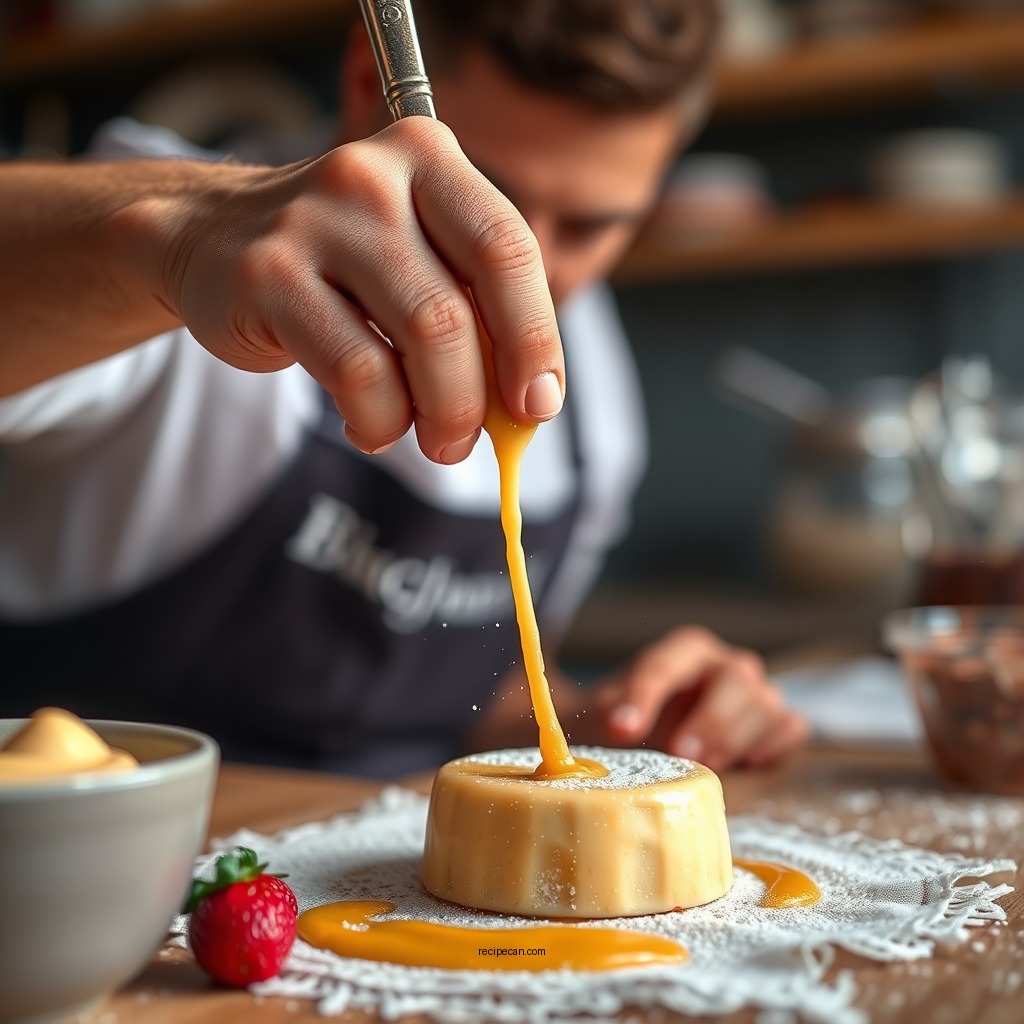
Now that you have your custard mixture ready, it’s time to bake:
– Pour the mixture: Carefully fill your prepared baking dish with the custard mixture, ensuring not to spill any into the water bath.
– Bake time: Place the dish in the oven and bake for about 30-40 minutes. The custard is done when it is set around the edges but still slightly wobbly in the center. Avoid overcooking, as this can lead to a rubbery texture.
– Cooling down: Once baked, remove the custard from the oven and allow it to cool at room temperature before refrigerating. The custard will continue to set as it cools, resulting in a perfect finish.
Variations to Try
One of the great things about custard is its versatility. Here are some variations to consider:
– Flavor enhancers: Elevate your custard’s flavor by adding a splash of vanilla extract, a sprinkle of nutmeg, or the zest of citrus fruits like lemon or orange. These additions can significantly enhance the taste profile.
– Alternative sweeteners: If you’re looking for a healthier option, try using honey, maple syrup, or agave syrup. Each sweetener brings its distinct flavor, allowing for a customized dessert experience.
– Toppings: To add visual appeal and extra flavor, consider topping your custard with fresh fruits like berries, sliced bananas, or a dollop of whipped cream. Chocolate shavings or caramel drizzle can add a decadent touch.
Serving Suggestions
When it comes to serving your custard, there are multiple ways to enjoy it:
– Chilled or warm: Custard can be served chilled, providing a refreshing dessert option, or warm, which offers a comforting experience, especially on a cold day.
– Pairing options: Enhance your custard experience by pairing it with cookies, cakes, or a drizzle of caramel sauce. These accompaniments not only add flavor but also make for an aesthetically pleasing presentation.
Storage Tips
To make the most of your custard, consider these storage tips:
– Refrigeration: Store any leftovers in an airtight container in the refrigerator for up to three days. This keeps the custard fresh and ready to enjoy at any time.
– Freezing: While custard can be frozen, it’s important to note that the texture may change upon thawing. If you choose to freeze it, allow the custard to thaw in the refrigerator before serving to help maintain its creamy consistency.
Top 7 Custard Variants by Popularity (2024)
| # | Custard Variant | Popularity (%) | Average Rating |
|---|---|---|---|
| 1 | Vanilla Custard | 45% | ★★★★☆ |
| 2 | Chocolate Custard | 30% | ★★★★★ |
| 3 | Lemon Custard | 15% | ★★★★☆ |
| 4 | Caramel Custard | 7% | ★★★★★ |
| 5 | Nutmeg Custard | 2% | ★★★☆☆ |
| 6 | Almond Custard | 1% | ★★☆☆☆ |
Popular Custard Flavor Preferences (2024)
By following this easy baking custard recipe, you can impress family and friends with a delightful homemade dessert. Whether you choose to enjoy it plain or with your favorite toppings, this custard is sure to be a hit. Try it out today and savor the delicious results! Remember, the key to a perfect custard lies in the quality of your ingredients and the precise baking process. Happy baking!
Frequently Asked Questions
What ingredients do I need for a basic baking custard recipe?
To make a basic baking custard recipe, you will need eggs, sugar, milk, and vanilla extract. For a creamier texture, you can substitute half of the milk with heavy cream. This combination creates a rich and smooth custard that serves as a versatile base for many desserts.
How do I prevent my baking custard from curdling?
To prevent your baking custard from curdling, ensure that you temper the eggs by gradually adding the warm milk mixture while whisking continuously. Additionally, avoid cooking the custard at high temperatures; instead, bake it in a water bath (bain-marie) to ensure even cooking and gentle heat distribution.
Why is my baking custard not setting properly?
If your baking custard isn’t setting properly, it may be due to undercooking or incorrect ratios of ingredients. Ensure you use the right amount of eggs and bake it until the custard is just set in the center, which typically takes about 30 to 40 minutes at 350°F (175°C). Checking for a slight jiggle in the middle can help you determine if it’s done.
What is the best baking temperature for custard?
The best baking temperature for custard is usually around 325°F to 350°F (160°C to 175°C). Baking at this moderate temperature allows the custard to cook evenly without curdling. Using a water bath can also help maintain a consistent temperature, ensuring a smooth and creamy final product.
Which types of custard can I make with my baking custard recipe?
With a basic baking custard recipe, you can create various types of custard desserts, such as flan, crème brûlée, or custard tarts. By adding flavorings like chocolate, lemon, or spices, you can customize the custard to suit different dessert styles. The versatility of baking custard makes it an excellent base for many sweet treats.
References
- Custard
https://en.wikipedia.org/wiki/Custard - https://www.bbc.co.uk/food/recipes/custard_50474
https://www.bbc.co.uk/food/recipes/custard_50474 - NYT Cooking – Recipes and Cooking Guides From The New York Times
https://www.nytimes.com/recipes/1019738/custard - https://www.jstor.org/stable/10.5325/jcooking.29.2.01
https://www.jstor.org/stable/10.5325/jcooking.29.2.01 - https://www.sciencedirect.com/topics/food-science/custard
https://www.sciencedirect.com/topics/food-science/custard - https://www.cdc.gov/nutrition/food-safety.html
https://www.cdc.gov/nutrition/food-safety.html - Page Not Found – Site Help – Mayo Clinic
https://www.mayoclinic.org/healthy-lifestyle/nutrition-and-healthy-eating/expert-answers/custards-and-puddings-nutrition-facts/faq-20058387 - Google Scholar Google Scholar
https://scholar.google.com/scholar?q=baking+custard+recipe - Google Scholar Google Scholar
https://scholar.google.com/scholar?q=custard+making+techniques - Google Scholar Google Scholar
https://scholar.google.com/scholar?q=custard+recipe+historical+aspects