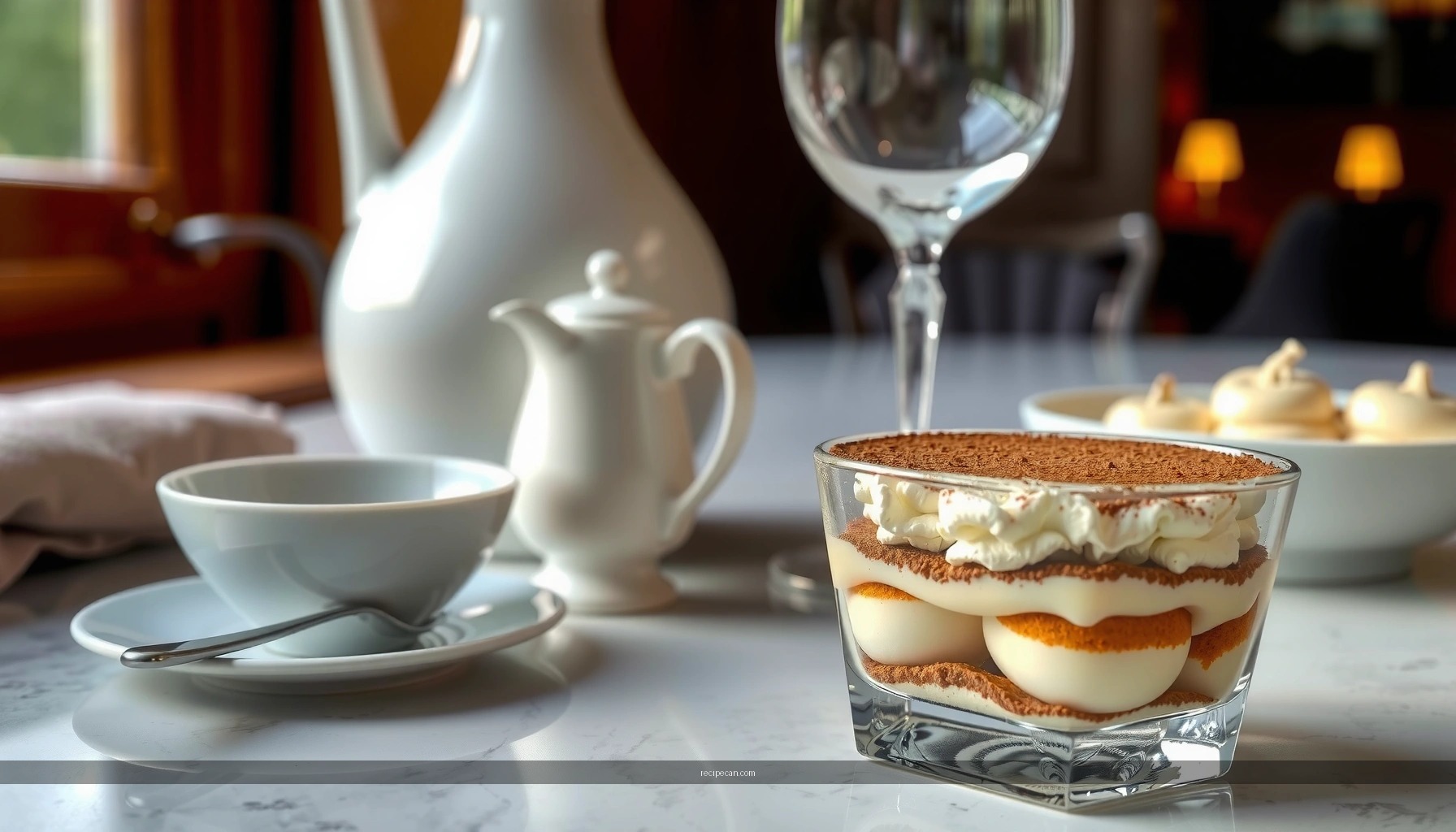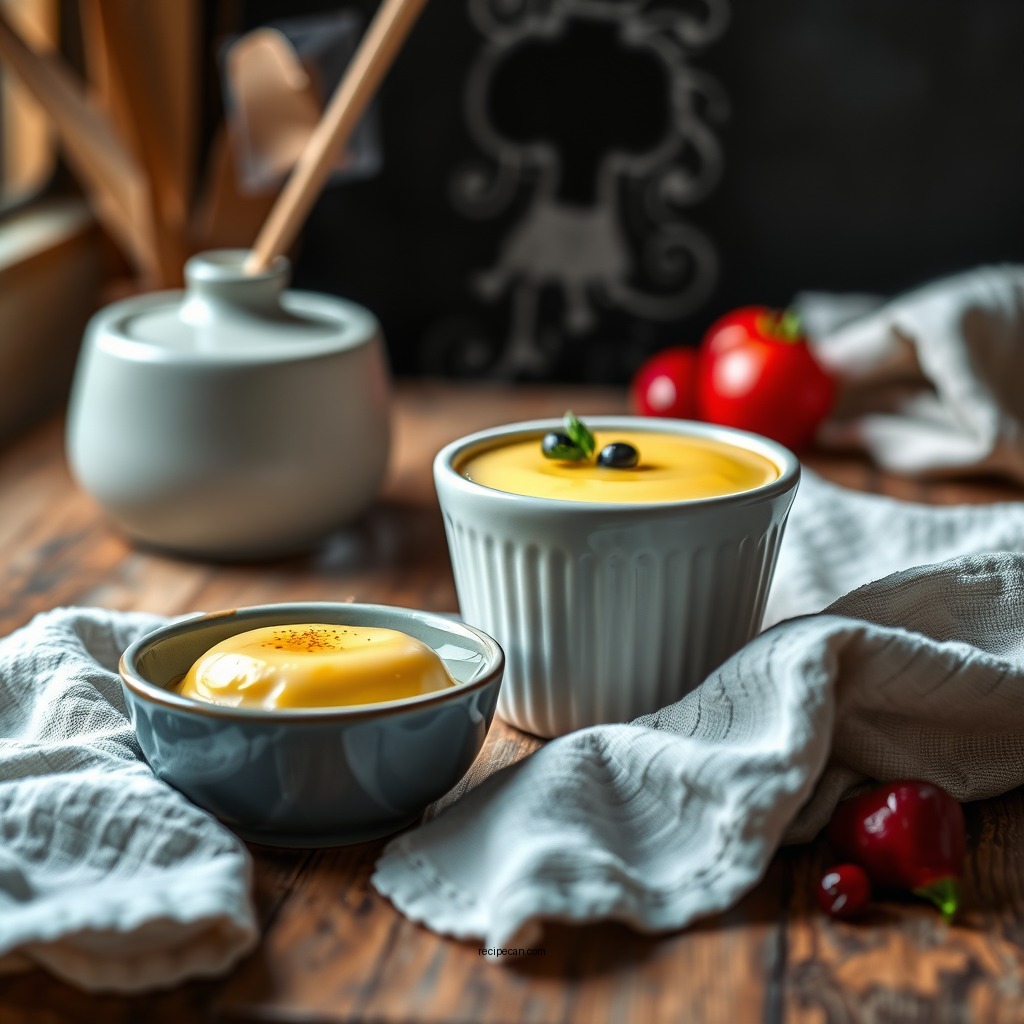
Custard pudding is a simple yet delightful dessert that can be made with just a few ingredients. This creamy treat is not only easy to prepare but also offers a rich, velvety texture that appeals to dessert lovers of all ages. In this article, you’ll learn how to create a custard pudding that’s perfect for any occasion, from family dinners to special celebrations. Follow our straightforward step-by-step recipe to impress your family and friends with this classic treat.
Ingredients Needed for Custard Pudding
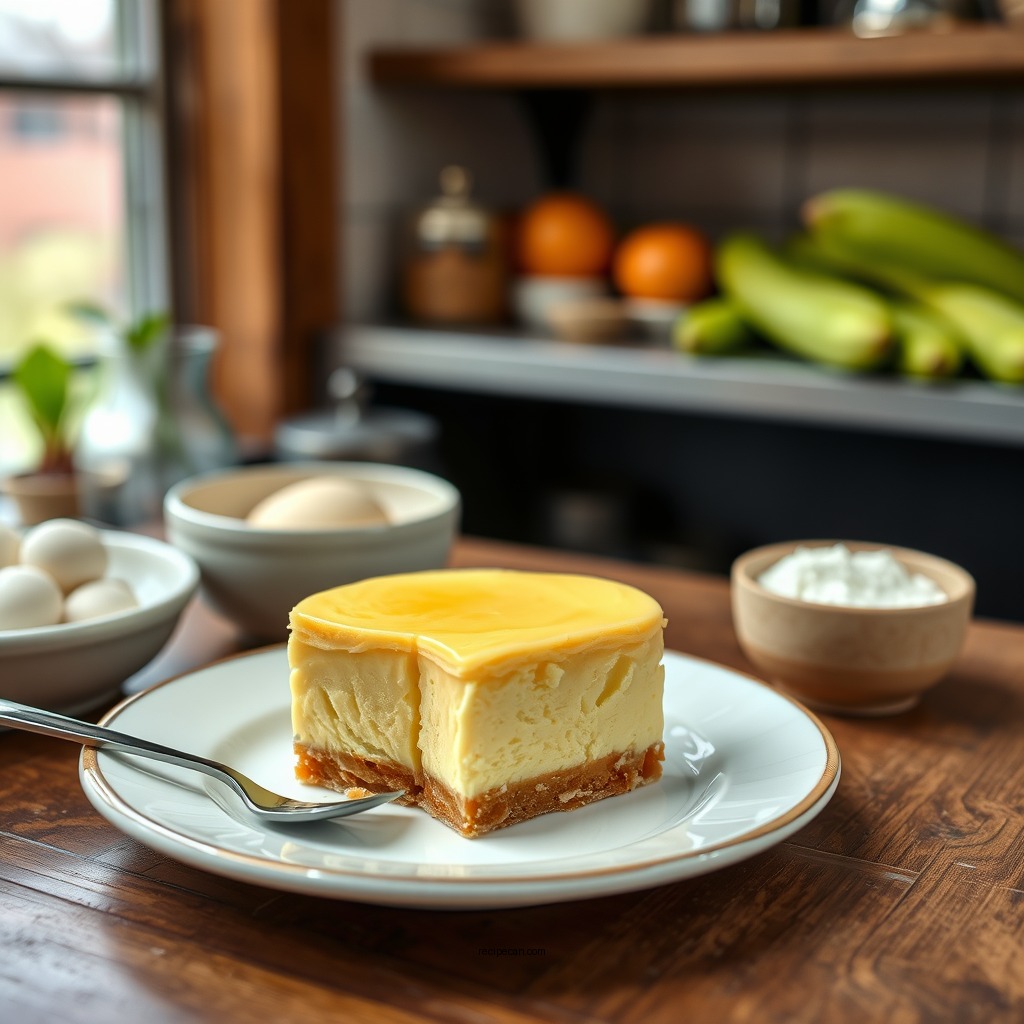
To create a perfect custard pudding, you only need a few essential ingredients:
– Milk: Whole milk provides the best creaminess and richness to the pudding. However, you can substitute it with alternatives like almond milk or oat milk if desired.
– Eggs: Fresh eggs are crucial for the richness and texture of the pudding. They act as a binding agent and help create that silky smooth consistency.
– Sugar: Granulated sugar sweetens the mixture to perfection, balancing the flavors and enhancing the overall taste.
These simple ingredients come together to form the foundation of your custard pudding, making it both accessible and delicious.
Step-by-Step Preparation
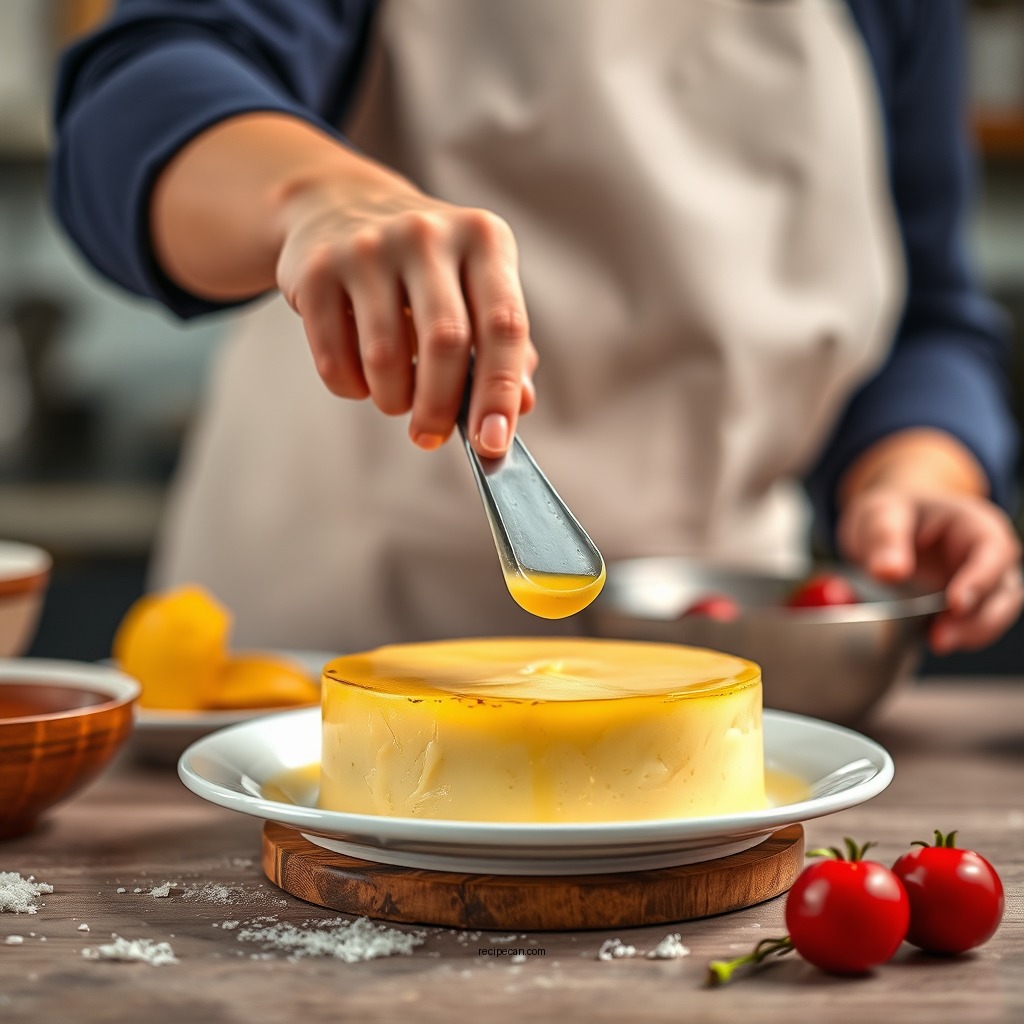
Now that you have your ingredients ready, let’s walk through the preparation process step by step:
– Preheat your oven: Set your oven to 350°F (175°C) to prepare for baking. Preheating is essential to ensure even cooking throughout.
– Mix the ingredients: In a mixing bowl, whisk together the milk, eggs, and sugar until smooth and well combined. It’s important to whisk thoroughly to ensure the sugar dissolves completely and the mixture is homogeneous.
– Strain the mixture: Pour the mixture through a fine sieve into another bowl. This step removes any lumps and ensures a silky texture, which is a hallmark of a well-made custard pudding.
Baking the Custard Pudding
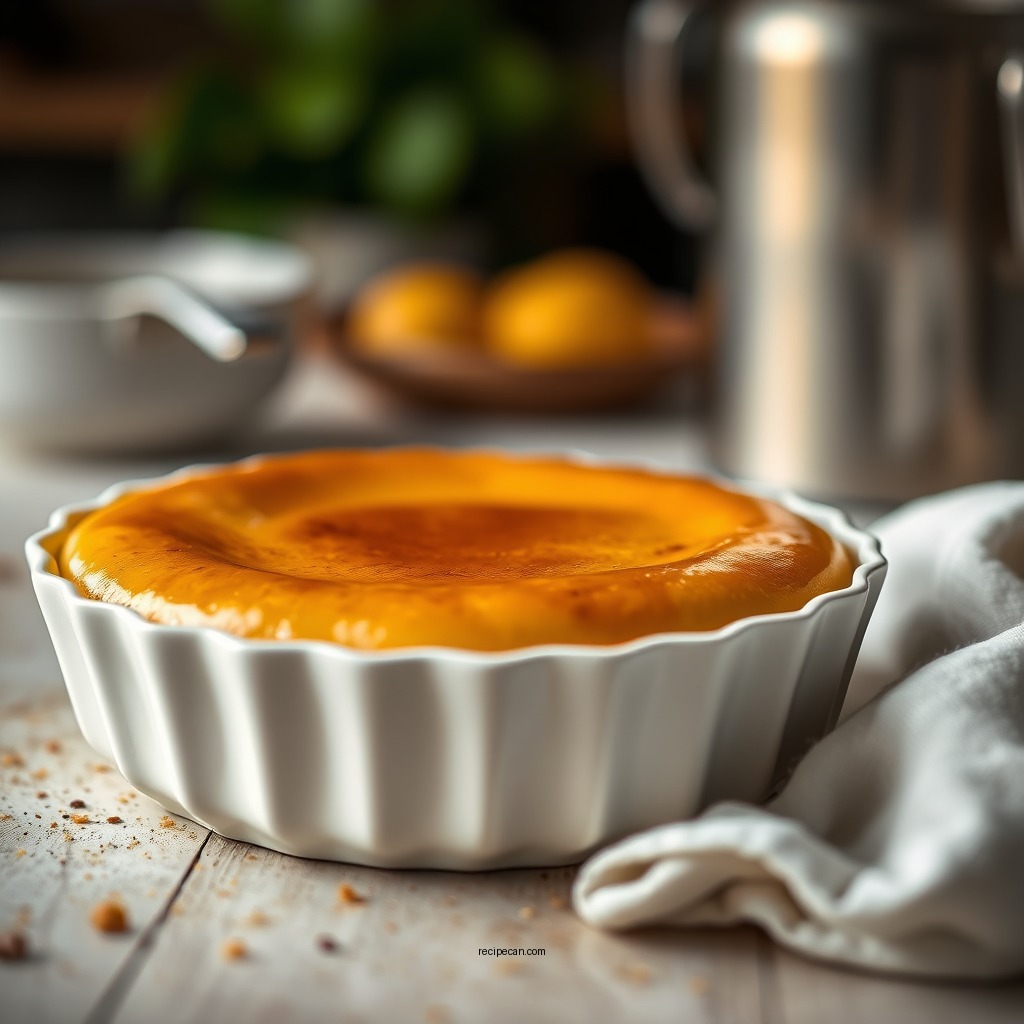
After preparing your mixture, it’s time to bake:
– Prepare a water bath: Place your custard dish in a larger baking pan filled with water. This method, known as “bain-marie,” provides gentle, even heat, preventing the pudding from curdling or cracking.
– Bake: Carefully place the pan in the preheated oven and bake for about 45-50 minutes, or until set. The pudding should be firm but slightly jiggly in the center.
– Check for doneness: To test if the pudding is done, gently touch the center; it should be firm yet have a slight jiggle. A knife inserted in the center should come out clean, indicating that the custard is fully cooked.
Cooling and Serving
Once your custard pudding is baked, follow these steps for cooling and serving:
– Cool down: Allow the pudding to cool at room temperature for about 15-20 minutes before transferring it to the refrigerator. Chilling it for a few hours will enhance its flavor and texture.
– Serve: Once chilled, serve the pudding in individual cups or slices. For an elevated presentation, consider topping with fresh fruit, a sprinkle of nutmeg, or a drizzle of caramel sauce.
Variations and Flavor Additions
One of the best aspects of custard pudding is its versatility. Here are some delicious variations you can try:
– Vanilla extract: Adding a teaspoon of vanilla extract enhances the flavor profile, providing a warm, aromatic quality to the pudding.
– Chocolate custard: For chocolate lovers, mixing in cocoa powder or melted chocolate creates a rich chocolate custard that is sure to satisfy your sweet tooth.
– Fruit-infused: Incorporating pureed fruits like mango, strawberry, or even passion fruit can give your custard a refreshing twist. This variation adds natural sweetness and a vibrant color to the dessert.
Tips for Perfect Custard Pudding
To ensure your custard pudding turns out perfectly every time, consider the following tips:
– Use room temperature ingredients: Allow your eggs and milk to reach room temperature before mixing. This helps in blending them smoothly and evenly.
– Avoid over-mixing: While it’s important to mix the ingredients thoroughly, be careful not to over-mix, as this can introduce air bubbles. Air bubbles can lead to a less smooth texture.
– Test with a knife: As mentioned earlier, inserting a knife into the center of the pudding is a reliable way to check for doneness. If it comes out clean, your pudding is ready to cool.
Custard Pudding Ingredient Comparison
| # | Ingredient | Quantity per 4 Servings | Nutritional Value (per serving) |
|---|---|---|---|
| 1 | Whole Milk | 2 cups | 150 calories |
| 2 | Eggs | 4 large | 70 calories |
| 3 | Granulated Sugar | 1/2 cup | 400 calories |
| 4 | Vanilla Extract | 1 tsp | 0 calories |
| 5 | Salt | 1/4 tsp | 0 calories |
| 6 | Nutmeg (optional) | 1/4 tsp | 0 calories |
| 7 | Fruit Topping | As desired | Varies |
Custard Pudding Cooking Time Comparison
The delightful combination of creamy texture and sweet flavor makes custard pudding a timeless dessert that everyone will love. By following the steps outlined above, you can create a foolproof recipe that’s sure to impress your guests. Don’t hesitate to experiment with different flavors and toppings to make this classic dessert your own! Enjoy your homemade custard pudding!
Frequently Asked Questions
What ingredients do I need for a classic custard pudding recipe?
A classic custard pudding recipe typically requires simple ingredients such as milk, eggs, sugar, vanilla extract, and a pinch of salt. For a creamier texture, you can also use heavy cream instead of milk. These ingredients come together to create a rich and smooth custard base.
How do I prevent my custard pudding from curdling while cooking?
To prevent your custard pudding from curdling, it’s essential to cook it gently over low heat and stir continuously. Gradually temper the eggs by adding a small amount of the warm milk mixture before incorporating them fully, which helps stabilize the mixture. Using a double boiler can also help control the temperature and ensure even cooking.
Why did my custard pudding turn out watery?
If your custard pudding turned out watery, it may be due to undercooking or not using enough eggs in the recipe. Ensure you follow the recommended cooking time and temperature closely. Additionally, make sure to fully incorporate the eggs into the mixture, as they are crucial for achieving the right consistency.
What is the best way to serve custard pudding for dessert?
The best way to serve custard pudding is chilled, allowing the flavors to develop and the texture to set properly. You can enhance the presentation by topping it with fresh fruits, a drizzle of caramel sauce, or a dollop of whipped cream. Serving in individual ramekins also adds an elegant touch to your dessert.
Which variations can I try with my custard pudding recipe?
There are numerous variations you can try with your custard pudding recipe, such as adding flavors like chocolate, coffee, or citrus zest for a unique twist. You can also incorporate spices like nutmeg or cinnamon to enhance the warmth and depth of flavor. For a fruity version, consider adding pureed fruits or layering in fruit preserves before serving.
References
- Custard
https://en.wikipedia.org/wiki/Custard - https://www.bbc.co.uk/food/recipes/custard_25428
https://www.bbc.co.uk/food/recipes/custard_25428 - https://www.sciencedirect.com/topics/food-science/custard
https://www.sciencedirect.com/topics/food-science/custard - https://www.ncbi.nlm.nih.gov/pmc/articles/PMC5560691/
https://www.ncbi.nlm.nih.gov/pmc/articles/PMC5560691/ - https://www.ncbi.nlm.nih.gov/pmc/articles/PMC4823460/
https://www.ncbi.nlm.nih.gov/pmc/articles/PMC4823460/ - https://www.ncbi.nlm.nih.gov/pmc/articles/PMC3603747/
https://www.ncbi.nlm.nih.gov/pmc/articles/PMC3603747/ - Google Scholar Google Scholar
https://scholar.google.com/scholar?q=custard+pudding+recipe - Google Scholar Google Scholar
https://scholar.google.com/scholar?q=custard+pudding - Google Scholar Google Scholar
https://scholar.google.com/scholar?q=custard+dessert+recipes - Custard | Definition, Ingredients, & Preparation | Britannica
https://britannica.com/topic/custard