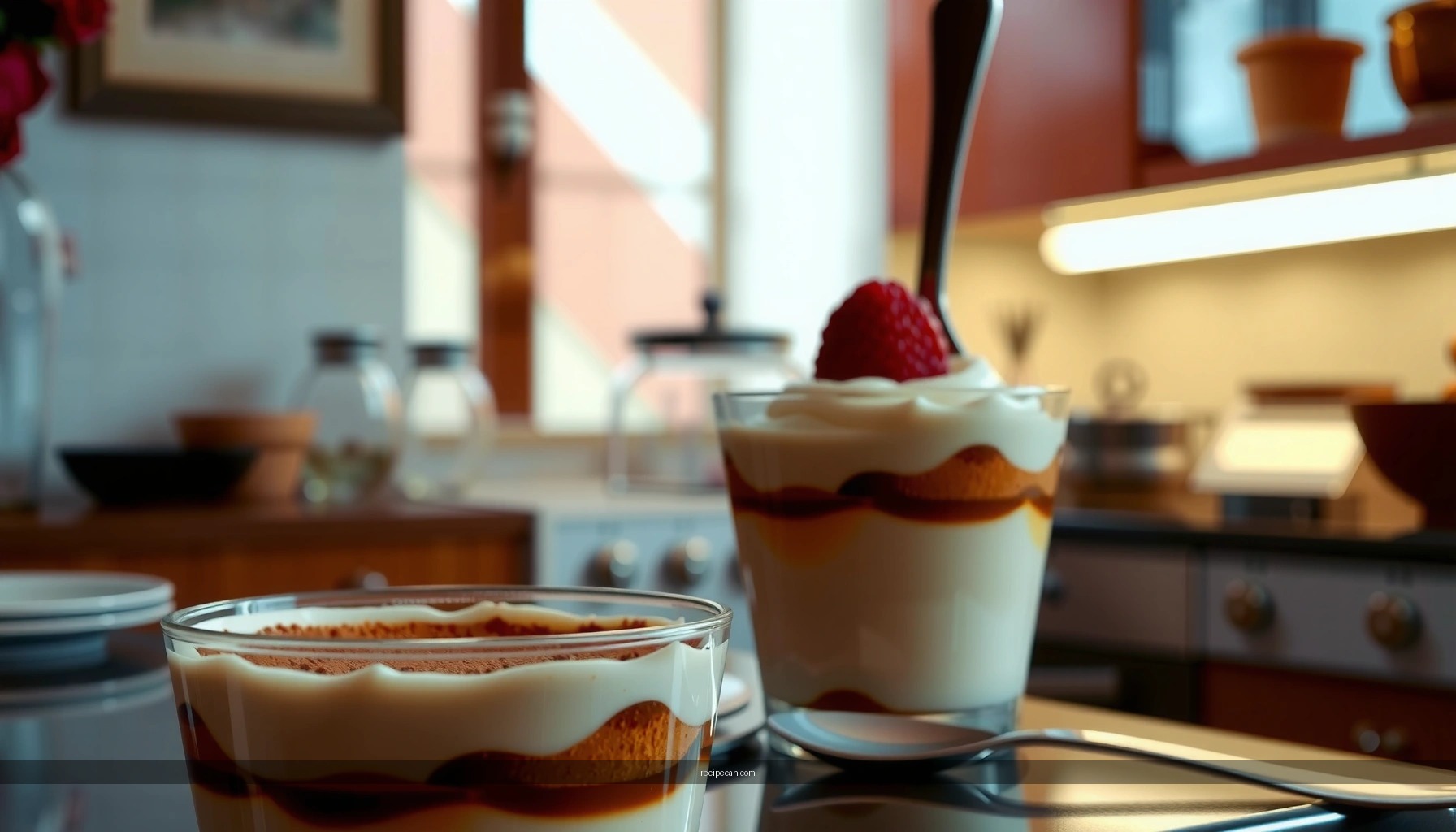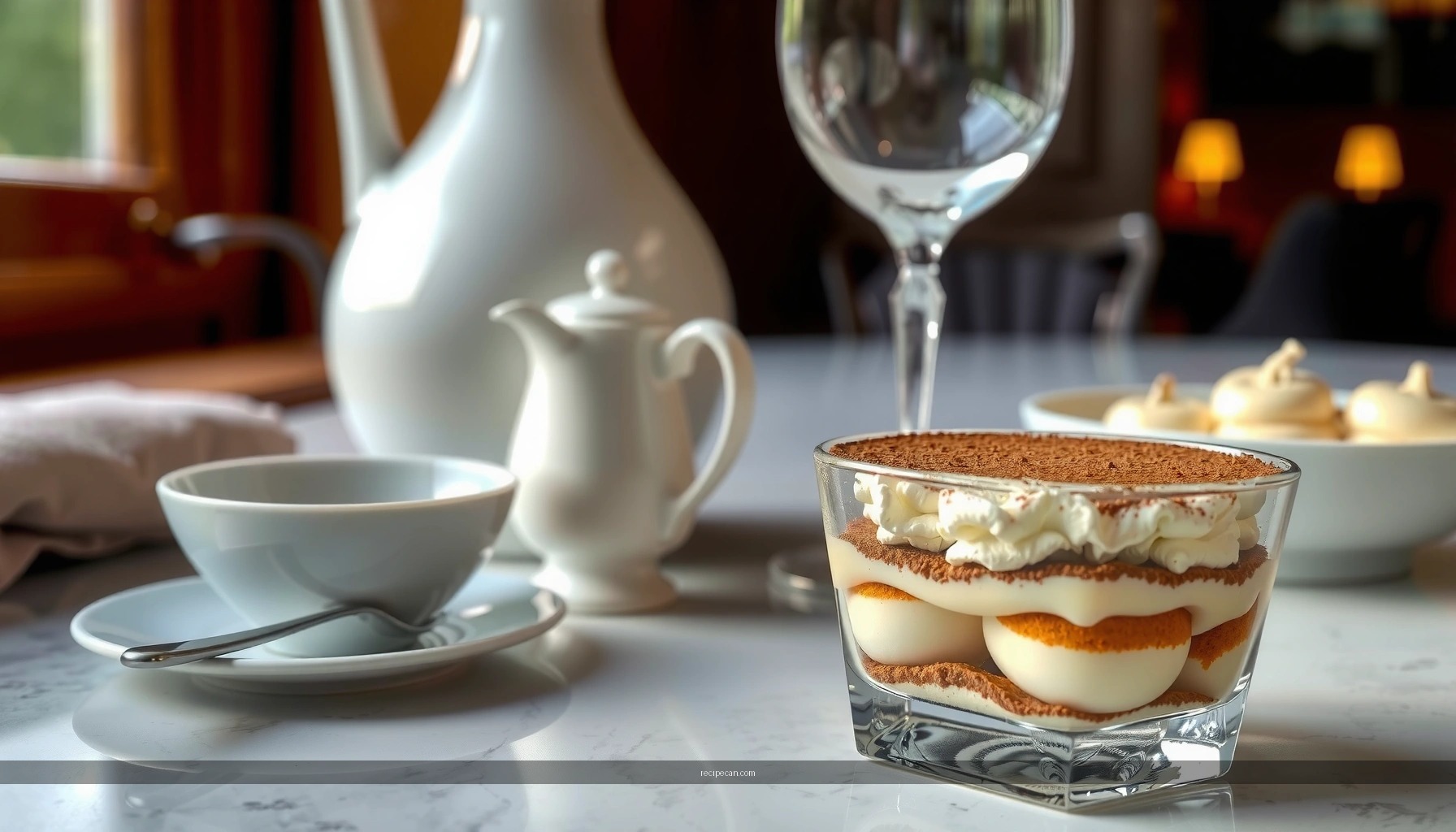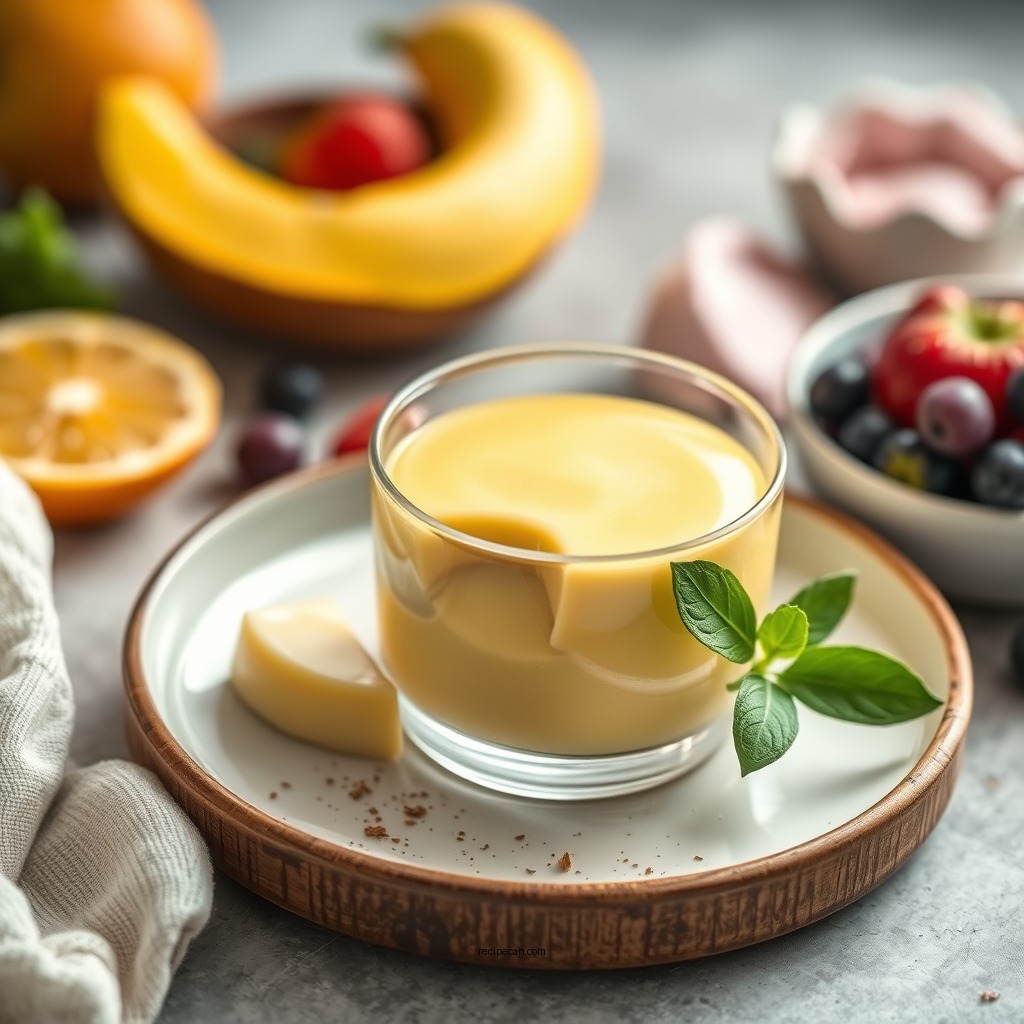
Crafting a delicious vegan custard is easier than you might think! This simple recipe not only provides a creamy and rich texture but also ensures that you can enjoy a delightful treat without any animal products. In this article, you’ll learn how to make vegan custard with accessible ingredients and straightforward steps, allowing you to indulge in a guilt-free dessert that satisfies any sweet tooth.
Vegan custard is versatile and can serve as a base for various desserts or be enjoyed on its own. With its silky consistency and delightful flavor, it can be a perfect addition to your vegan dessert repertoire. Let’s dive into the ingredients and the step-by-step process to create this delicious custard that everyone will love.
Ingredients You’ll Need
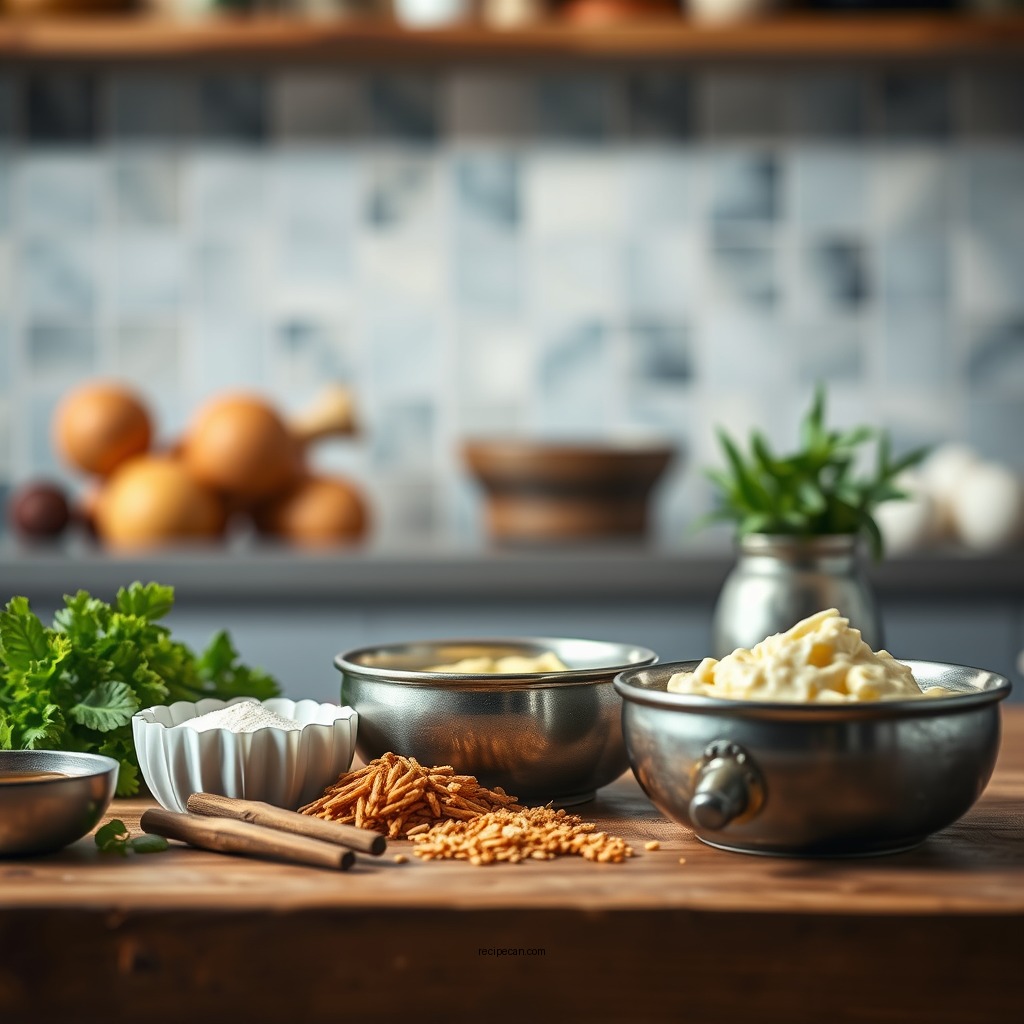
To make a creamy vegan custard, you will need the following ingredients:
– Plant-based milk: You can use almond, coconut, or soy milk, depending on your flavor preference.
– Cornstarch or arrowroot powder: These are crucial for thickening the custard and giving it that classic custard texture.
– Sweetener: Options include maple syrup, agave nectar, or regular sugar. Choose according to your dietary needs and personal taste.
– Vanilla extract: This adds a rich flavor and aromatic quality to the custard.
– A pinch of salt: This will enhance the sweetness and balance the flavors.
Preparing the Base
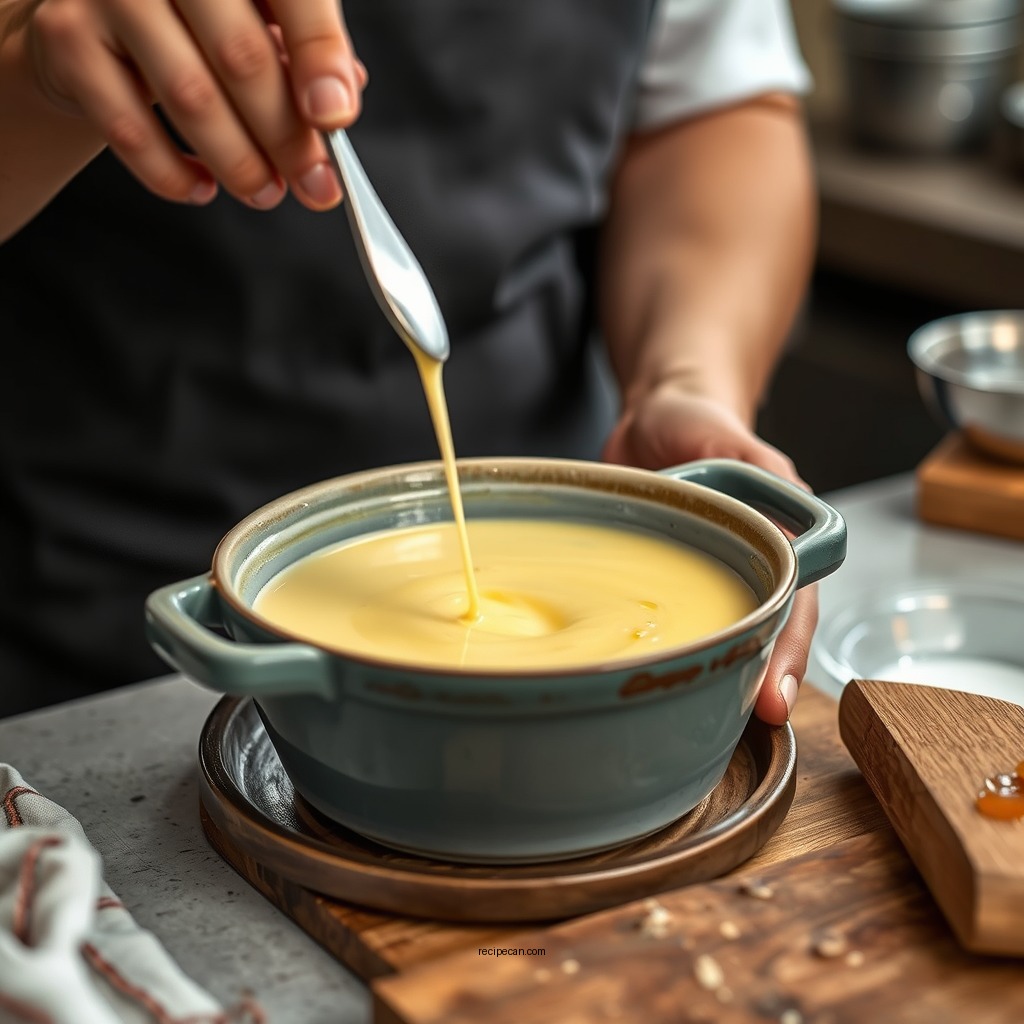
The first step in creating your vegan custard involves preparing the base.
– Start by combining your chosen plant-based milk and sweetener in a saucepan over medium heat. It’s essential to select a non-dairy milk that complements the flavors of your dessert. For instance, coconut milk will impart a tropical vibe, while almond milk offers a nutty undertone.
– Stir the mixture gently until it is warm but not boiling. This step allows the sweetener to dissolve completely, ensuring an even sweetness throughout the custard.
Thickening the Custard
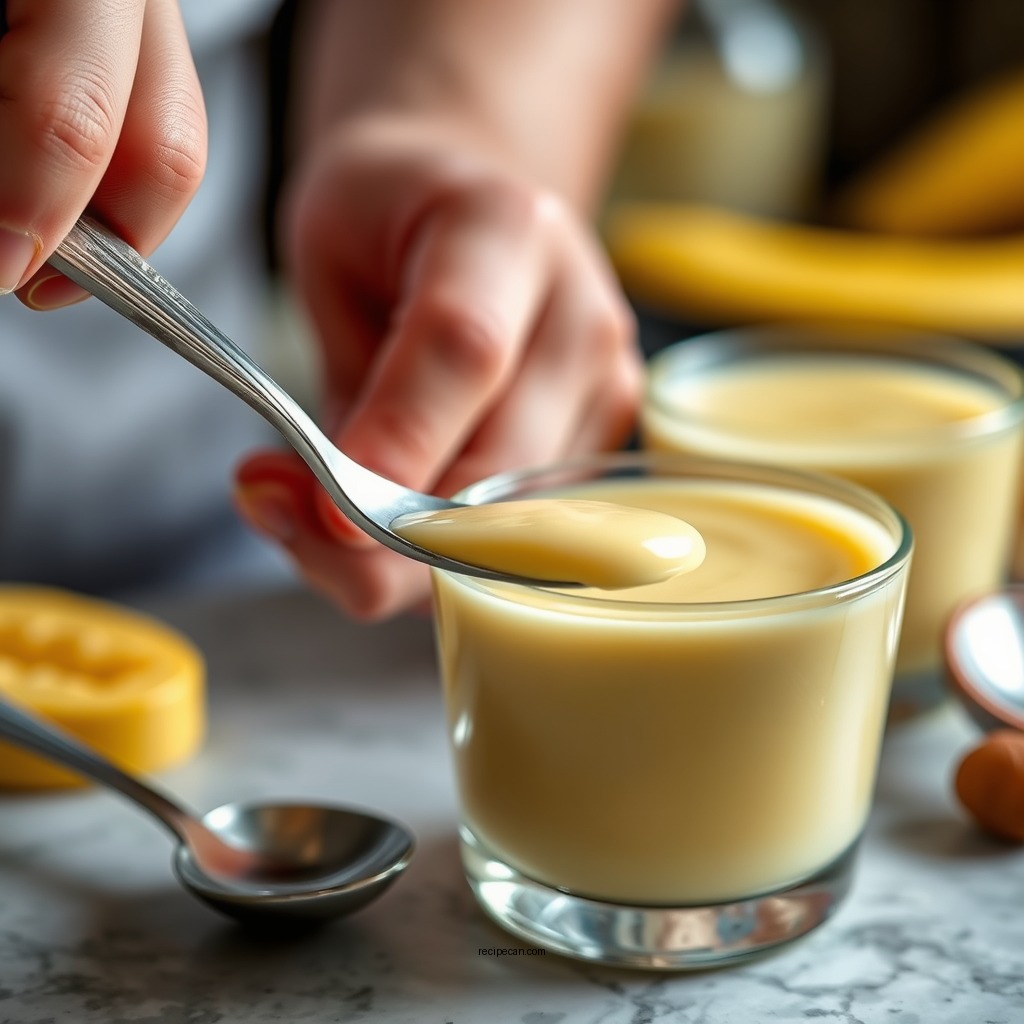
Once your base is prepared, the next step is to thicken the custard to achieve that luscious, creamy consistency.
– In a separate bowl, mix cornstarch with a little cold plant-based milk to create a slurry. This method helps prevent lumps from forming when you combine it with the warm milk mixture.
– Gradually add the slurry to the warm milk mixture while stirring continuously. It’s important to stir consistently at this stage to ensure a smooth, lump-free custard.
Flavoring Your Custard
Flavoring your custard is where you can get creative and tailor it to your preferences.
– Add vanilla extract to the mixture for a rich flavor profile. The quality of your vanilla will significantly affect the final taste, so opt for pure vanilla extract rather than imitation.
– Include a pinch of salt to balance the sweetness. Salt amplifies flavors, making the sweetness more pronounced while adding depth to the overall taste.
📋 DATA
Top Plant-Based Milk Options for Vegan Custard (2024)
| # | Milk Type | Calories (per cup) | Protein (g) | Fat (g) |
|---|---|---|---|---|
| 1 | Almond Milk | 30 | 1 | 2.5 |
| 2 | Soy Milk | 80 | 7 | 4 |
| 3 | Coconut Milk | 50 | 0.5 | 5 |
| 4 | Oat Milk | 120 | 4 | 5 |
| 5 | Rice Milk | 120 | 1 | 2.5 |
| 6 | Pea Milk | 70 | 8 | 4 |
| 7 | Hazelnut Milk | 60 | 2 | 5 |
Cooking the Custard
Now that your mixture is flavored, it’s time to cook the custard to achieve the desired consistency.
– Continue to cook the mixture over medium heat, stirring constantly. This is crucial, as it prevents the custard from sticking to the bottom of the pan and burning.
– You will notice the custard begin to thicken. Keep stirring until it reaches your desired thickness, which usually takes about 5-10 minutes. The custard should be thick enough to coat the back of a spoon when it’s done.
Serving Suggestions
Once your custard is ready, you can enjoy it in various ways.
– Serve the custard warm for a comforting dessert, or chill it in the fridge for a refreshing treat. Both options offer a different experience, appealing to various tastes.
– You can pair it with fresh fruits like berries or sliced bananas, drizzle it over vegan pastries, or use it as a filling for tart shells. The versatility of vegan custard means it can complement a wide array of desserts.
📈 CHART
Vegan Custard Consistency Over Time (Minutes)
Storage Tips
If you happen to have leftovers, storing your vegan custard properly will keep it fresh for future enjoyment.
– Store leftover custard in an airtight container in the refrigerator for up to 3-4 days. Ensure it is completely cooled before sealing to avoid condensation, which can affect the texture.
– When you’re ready to enjoy it again, reheat gently on the stove or in the microwave. If it seems too thick after refrigeration, add a splash of plant-based milk to bring it back to the desired consistency.
By following this simple vegan custard recipe, you can create a delightful dessert that everyone will love, regardless of dietary preferences. Whether you enjoy it on its own or as part of a larger dish, this vegan custard is sure to impress. Now, gather your ingredients and start cooking your delicious vegan custard today!
Frequently Asked Questions
What ingredients do I need for a basic vegan custard recipe?
To make a basic vegan custard, you’ll typically need plant-based milk (such as almond, soy, or coconut), cornstarch or tapioca starch as a thickener, a sweetener like maple syrup or agave, and vanilla extract for flavor. You can also add a pinch of turmeric for a yellow hue and a dash of salt to enhance the taste.
How do I thicken vegan custard without eggs?
To thicken vegan custard without eggs, you can use cornstarch or tapioca starch, which are excellent plant-based thickening agents. Simply mix the starch with a little cold plant milk to create a slurry, then gradually whisk it into the heated milk mixture until it thickens, usually within a few minutes.
Why does my vegan custard separate or curdle?
Vegan custard may separate or curdle if it’s cooked at too high a temperature or if the mixture is whisked too vigorously. To prevent this, cook the custard over low to medium heat and stir gently and continuously until it reaches the desired consistency, ensuring a smooth texture.
What is the best sweetener to use in a vegan custard recipe?
The best sweeteners for vegan custard include maple syrup, agave nectar, or coconut sugar, as they complement the flavors well without overpowering them. Each option provides a different level of sweetness and can enhance the overall taste, so feel free to adjust based on your preference.
Which plant-based milk is best for making vegan custard?
The best plant-based milk for making vegan custard is often almond milk due to its mild flavor and creamy texture, but soy milk is also a great choice as it creates a richer custard. Coconut milk can add a delightful tropical flavor and creaminess, making it a fantastic option for those who enjoy a richer custard experience.
References
- Custard
https://en.wikipedia.org/wiki/Custard - https://www.ncbi.nlm.nih.gov/pmc/articles/PMC6471258/
https://www.ncbi.nlm.nih.gov/pmc/articles/PMC6471258/ - https://www.mayoclinic.org/healthy-lifestyle/nutrition-and-healthy-eating/in-depth/vegetarian-diet/art-20046425
https://www.mayoclinic.org/healthy-lifestyle/nutrition-and-healthy-eating/in-depth/vegetarian-diet/art-20046425 - https://www.sciencedirect.com/science/article/pii/S2351978917300489
https://www.sciencedirect.com/science/article/pii/S2351978917300489 - https://www.bbc.co.uk/food/recipes/vegan_custard_17943
https://www.bbc.co.uk/food/recipes/vegan_custard_17943 - https://www.theguardian.com/food/2020/apr/08/how-to-make-vegan-custard
https://www.theguardian.com/food/2020/apr/08/how-to-make-vegan-custard - https://www.nytimes.com/2020/07/15/dining/vegan-custard-recipe.html
https://www.nytimes.com/2020/07/15/dining/vegan-custard-recipe.html - Google Scholar Google Scholar
https://scholar.google.com/scholar?q=vegan+custard+recipe - https://scholar.google.com/scholar?q=plant-based+custard+recipe Google Scholar
https://scholar.google.com/scholar?q=plant-based+custard+recipe - Google Scholar Google Scholar
https://scholar.google.com/scholar?q=vegan+desserts+custard