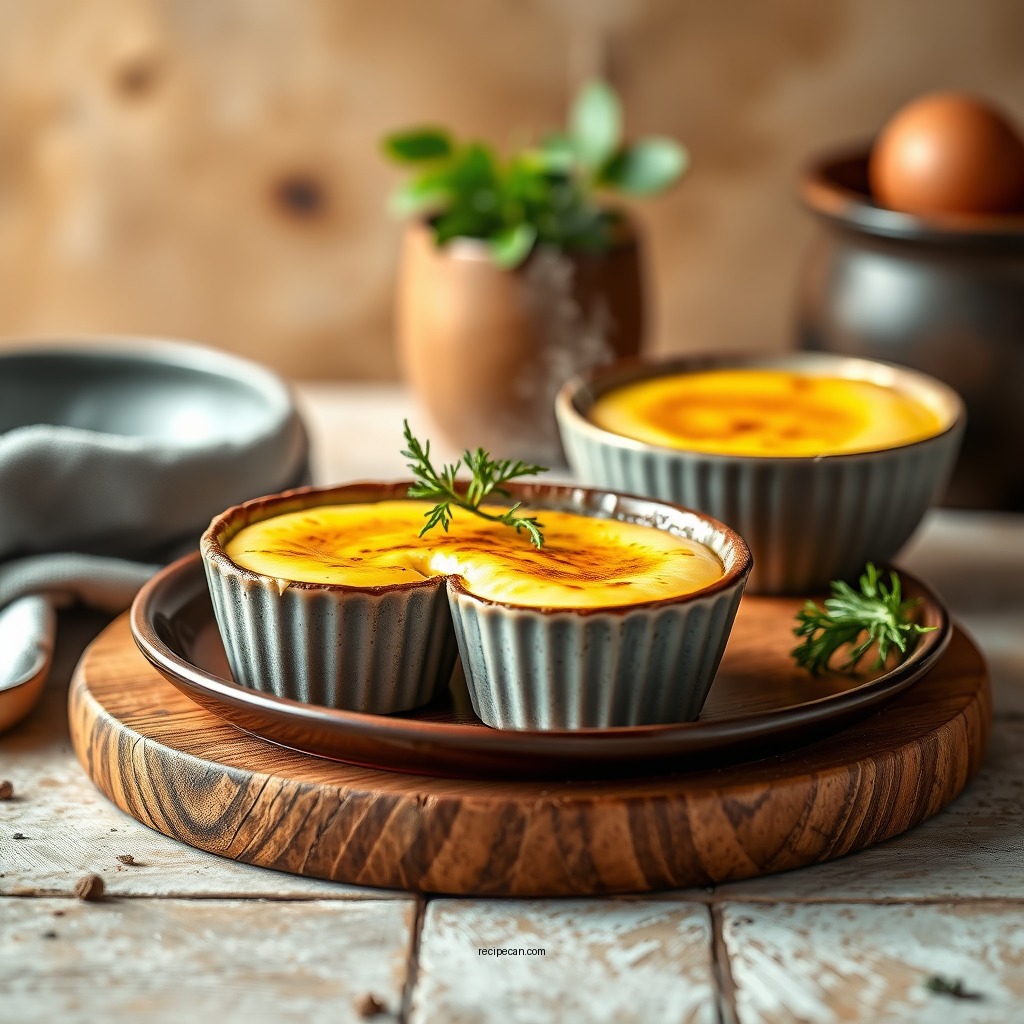
Baked egg custard is an easy-to-make dessert that offers a creamy, comforting taste loved by many. This classic dessert combines simple ingredients such as eggs, milk, and sugar, creating a smooth custard that can be enjoyed warm or chilled. In this article, we will guide you through the process of making a traditional baked egg custard, alongside valuable tips and variations to enhance your dessert experience.
Ingredients You’ll Need
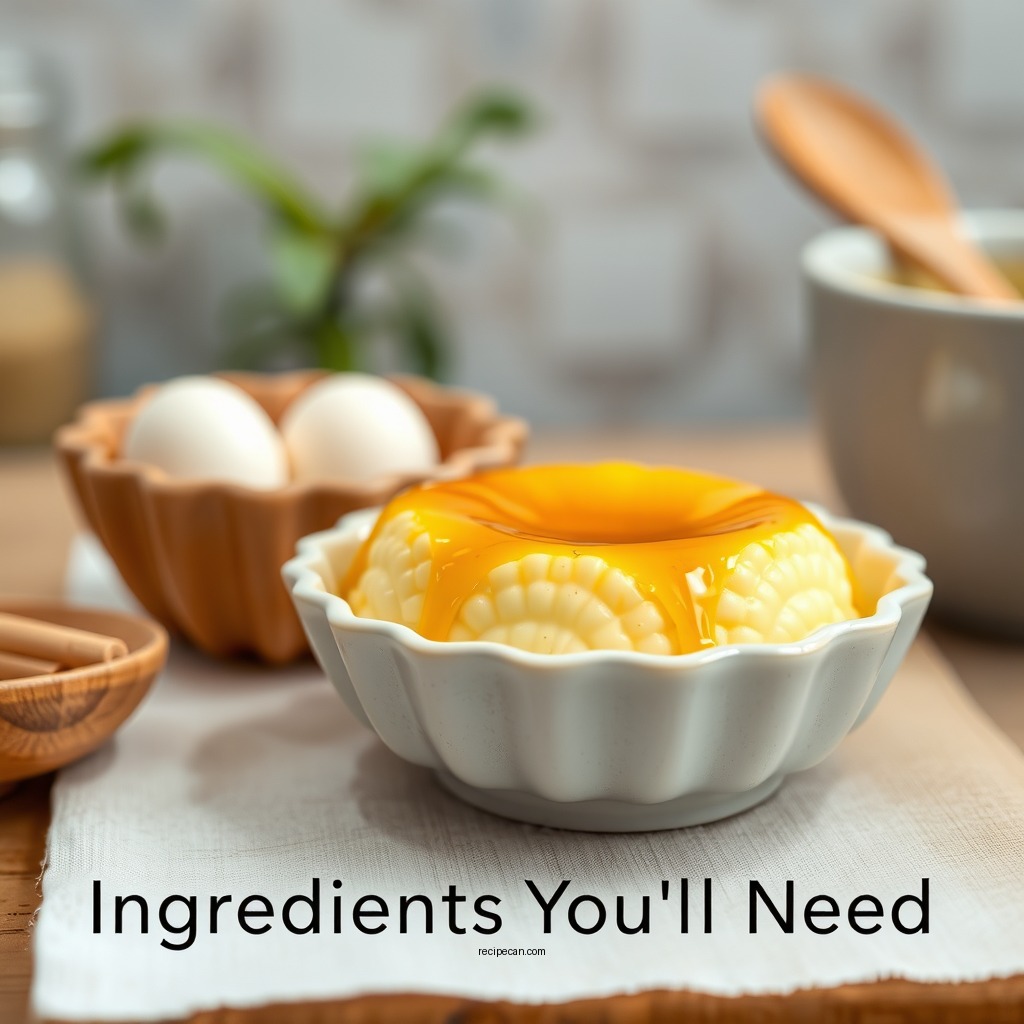
To create a delectable baked egg custard, you will need the following ingredients:
– Eggs: The backbone of the custard, eggs provide the necessary structure and richness to the dish. For the best results, use large eggs.
– Milk: Whole milk is recommended for its creamy texture, but you may also use alternatives such as 2% milk or even non-dairy options like almond or oat milk.
– Sugar: This ingredient sweetens the custard. Depending on your taste, you can adjust the amount of sugar, though a standard recipe usually calls for about ½ cup.
– Vanilla Extract: A splash of vanilla extract enhances the flavor, contributing an aromatic quality that elevates the overall taste of the custard.
Preparation Steps

To prepare your baked egg custard, follow these straightforward steps:
– Preheat the Oven: Begin by setting your oven to 350°F (175°C). Preheating ensures that the custard will cook evenly and thoroughly.
– Mix Ingredients: In a mixing bowl, whisk together the eggs, milk, sugar, and vanilla extract until well combined. Aim for a smooth consistency without overbeating, as this can introduce air bubbles that may affect the texture.
– Prepare Baking Dish: Lightly grease your baking dish with butter or cooking spray. Pour the custard mixture into the dish, ensuring it is evenly distributed.
Baking Process
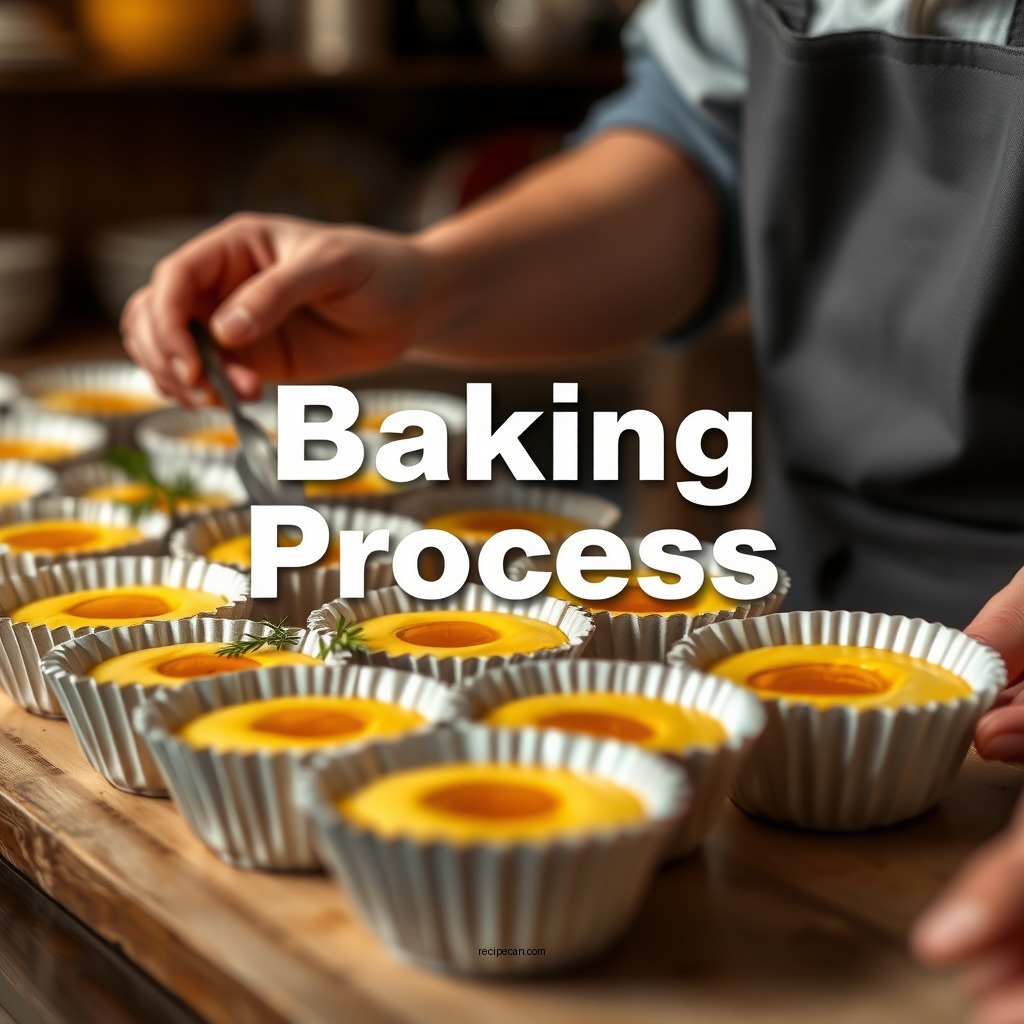
The baking process is crucial for achieving the perfect custard consistency:
– Water Bath Method: To prevent the custard from cracking and to promote even cooking, place your baking dish in a larger pan filled with hot water. This water bath technique helps regulate the baking temperature.
– Bake Time: Bake the custard for approximately 40-50 minutes. Check for doneness by inserting a knife into the center; it should come out clean and the custard should be set with a slight jiggle in the middle.
– Cooling: Once baked, remove the custard from the oven and let it cool at room temperature. For the best texture, serve it after it has chilled in the refrigerator for a couple of hours.
Serving Suggestions
Baked egg custard can be enjoyed in various delightful ways:
– Chilled or Warm: For a comforting dessert, serve the custard warm. Alternatively, chilling it offers a refreshing treat, especially during warmer months.
– Toppings: Enhance the custard with toppings such as a sprinkle of ground nutmeg, fresh berries, or a dollop of whipped cream. Each addition can introduce new flavors and textures, making your custard uniquely yours.
Common Mistakes to Avoid
While making baked egg custard is straightforward, there are common pitfalls to watch out for:
– Overmixing: When whisking the ingredients, be cautious not to mix too vigorously. Overmixing can create air bubbles, leading to a less smooth texture in the final custard.
– Underbaking: It’s essential to ensure the custard is fully set before removing it from the oven. A slight jiggle is acceptable, but if the custard appears too liquidy, it may require additional baking time.
Variations to Try
Baked egg custard is versatile; consider these variations to personalize your dessert:
– Flavor Additions: Experiment with different extracts, such as almond or lemon, to create a unique flavor profile. You can also mix in citrus zest or spices like cinnamon for an interesting twist.
– Dairy Alternatives: For those with dietary restrictions, using almond milk, coconut milk, or oat milk can produce a delicious dairy-free version of the custard without compromising on taste.
Egg Custard Variations with Flavor Profiles
| # | Variation Type | Flavor Profile | Best For |
|---|---|---|---|
| 1 | Classic Vanilla | Sweet & Creamy | Family Gatherings |
| 2 | Chocolate | Rich & Decadent | Chocolate Lovers |
| 3 | Coconut | Tropical & Sweet | Summer Events |
| 4 | Lemon | Bright & Zesty | Tea Parties |
| 5 | Almond | Nutty & Sweet | Special Occasions |
| 6 | Spiced Pumpkin | Warm & Cozy | Fall Celebrations |
| 7 | Mint Chocolate | Refreshing & Indulgent | Holiday Parties |
Popular Egg Custard Variations
Baked egg custard is a timeless dessert that is both easy to make and deliciously satisfying. By following the steps outlined above, you can create your own perfect custard at home. Don’t hesitate to experiment with flavors and toppings to make it your own! Enjoy this delightful treat and share it with friends and family. The versatility of baked egg custard makes it a wonderful choice for any occasion, whether it’s a family gathering or a holiday celebration.
Frequently Asked Questions
What are the key ingredients for a classic baked egg custard recipe?
The key ingredients for a classic baked egg custard recipe include eggs, milk, sugar, vanilla extract, and a pinch of salt. These simple components combine to create a rich, creamy texture that is the hallmark of a perfect custard. Using fresh eggs and high-quality milk can significantly enhance the flavor and consistency of your custard.
How do you achieve the perfect texture in baked egg custard?
To achieve the perfect texture in baked egg custard, it’s crucial to blend the eggs and sugar gently with the milk to avoid incorporating too much air. Baking the custard in a water bath (bain-marie) helps to regulate the temperature and ensures even cooking, preventing curdling. Additionally, baking at a low temperature and checking for a slight jiggle in the center will help you achieve that smooth, creamy custard consistency.
Why does my baked egg custard have a rubbery texture?
A rubbery texture in baked egg custard often results from overcooking or using too high a temperature during baking. When the custard is cooked too quickly, the proteins in the eggs can tighten up, leading to a less desirable texture. To avoid this, always bake your custard slowly and check for doneness early, ensuring a gentle, creamy result.
What is the best way to flavor baked egg custard?
The best way to flavor baked egg custard is by adding extracts such as vanilla, almond, or even citrus zest for an aromatic twist. You can also incorporate spices like nutmeg or cinnamon for added warmth and depth. Experimenting with flavored extracts can give your custard a unique flair while maintaining its classic appeal.
Which baking dish is suitable for making baked egg custard?
A suitable baking dish for making baked egg custard is typically a shallow, oven-safe dish like a pie plate or a ramekin. Using a dish with a wider surface area allows for more even cooking and better texture. Additionally, ensure that your chosen dish is heat-resistant and appropriate for a water bath to avoid any cracking during the baking process.
References
- Custard
https://en.wikipedia.org/wiki/Custard - https://www.seriouseats.com/baked-egg-custard-recipe-5111739
https://www.seriouseats.com/baked-egg-custard-recipe-5111739 - https://www.foodnetwork.com/recipes/food-network-kitchen/baked-egg-custard-recipe-2119828
https://www.foodnetwork.com/recipes/food-network-kitchen/baked-egg-custard-recipe-2119828 - Google Scholar Google Scholar
https://scholar.google.com/scholar?q=baked+egg+custard+recipe - Google Scholar Google Scholar
https://scholar.google.com/scholar?q=custard+recipes - Google Scholar Google Scholar
https://scholar.google.com/scholar?q=egg+custard+nutrition - https://www.ncbi.nlm.nih.gov/pmc/articles/PMC6041418/
https://www.ncbi.nlm.nih.gov/pmc/articles/PMC6041418/ - baked egg custard recipe – Search results
https://en.wikipedia.org/wiki/Special:Search?search=baked+egg+custard+recipe - https://www.ncbi.nlm.nih.gov/search/research-articles/?term=baked+egg+custard+recipe
https://www.ncbi.nlm.nih.gov/search/research-articles/?term=baked+egg+custard+recipe