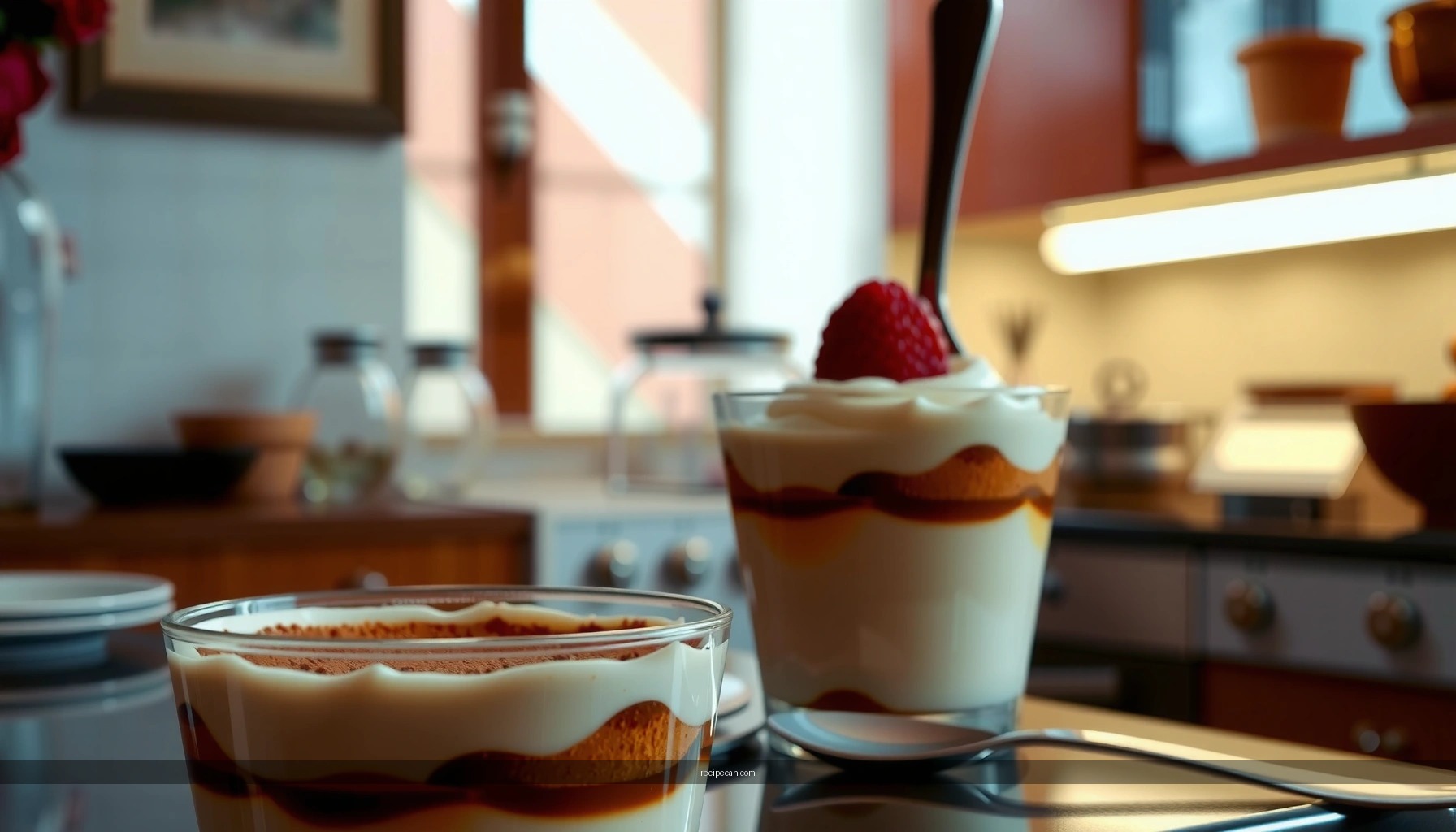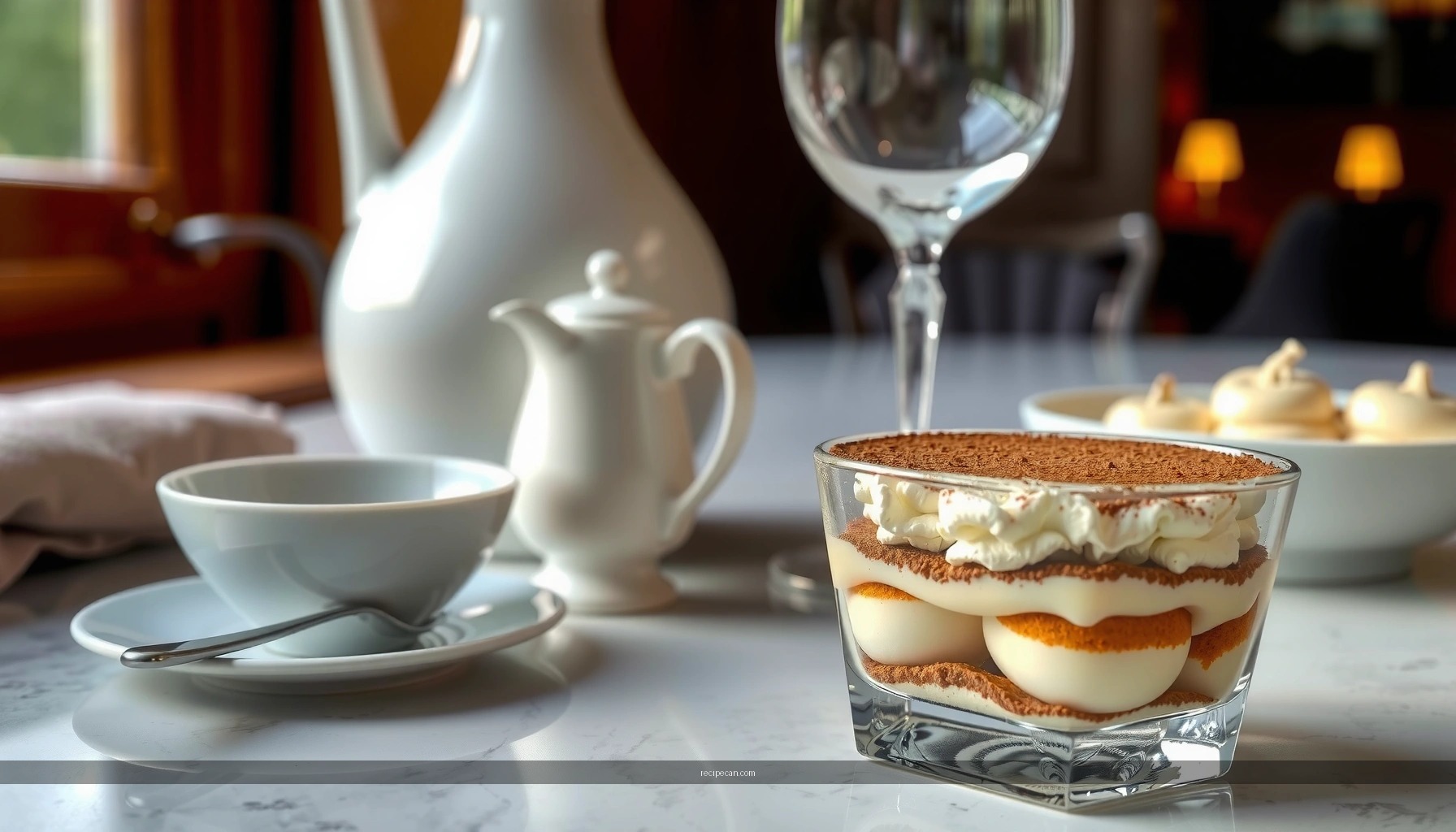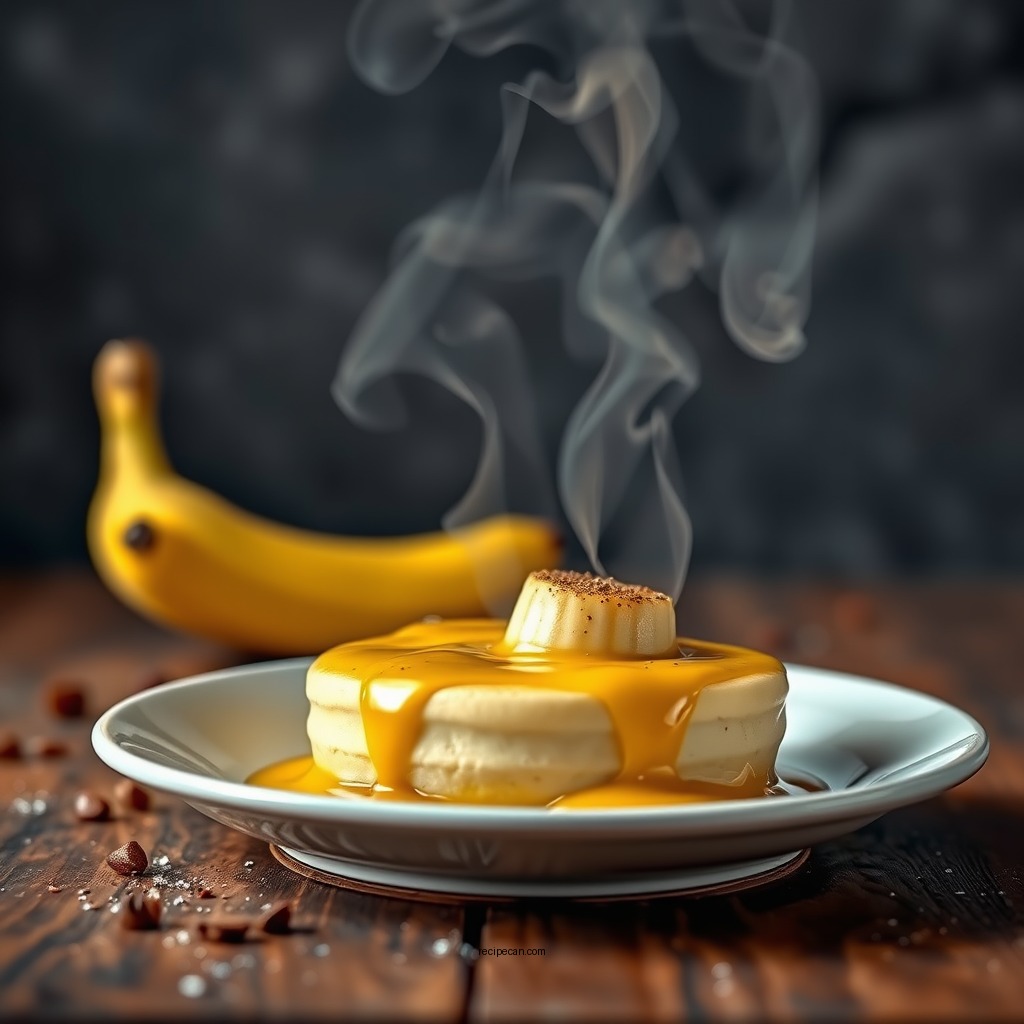
Enjoy a delightful custard and banana dish that’s easy to make and sure to impress. This recipe combines the creamy texture of custard with the sweet, natural flavor of bananas for a perfect dessert or snack. In this article, you’ll discover step-by-step instructions to create this heavenly treat, along with tips for variations and serving suggestions.
Ingredients You’ll Need
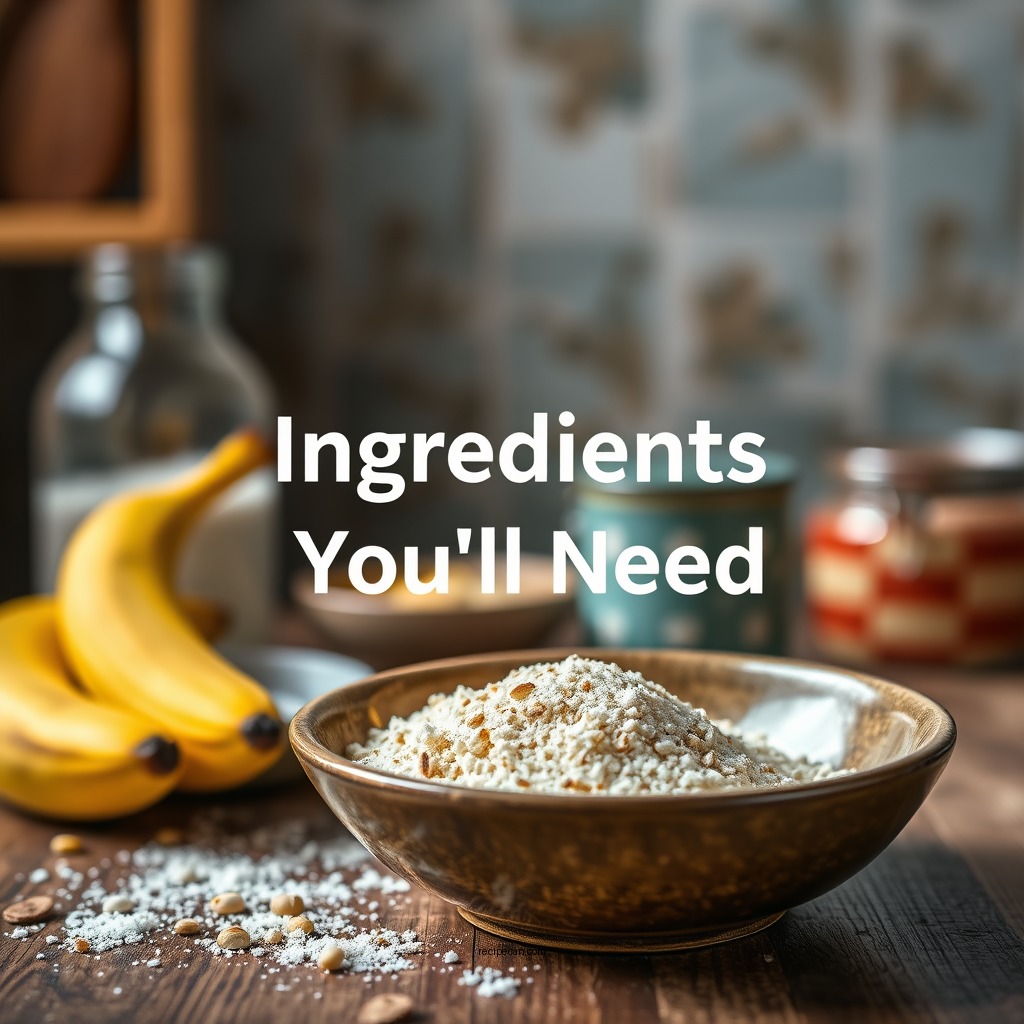
To prepare this custard and banana dish, you’ll need the following basic ingredients:
– Milk: 2 cups of whole milk or a non-dairy alternative for a creamy base.
– Sugar: ½ cup of granulated sugar to sweeten the custard.
– Eggs: 3 large eggs to provide structure and richness.
– Vanilla Extract: 1 teaspoon for flavor enhancement.
– Ripe Bananas: 2-3 medium, ripe bananas for natural sweetness and texture.
For those looking to experiment, consider these optional ingredients for variations:
– Ground Cinnamon: A pinch can add warmth and spice.
– Chocolate Chips: A handful can introduce a delightful chocolatey twist.
– Caramel Sauce: Drizzling this on top can elevate the dish to new heights.
Step-by-Step Instructions
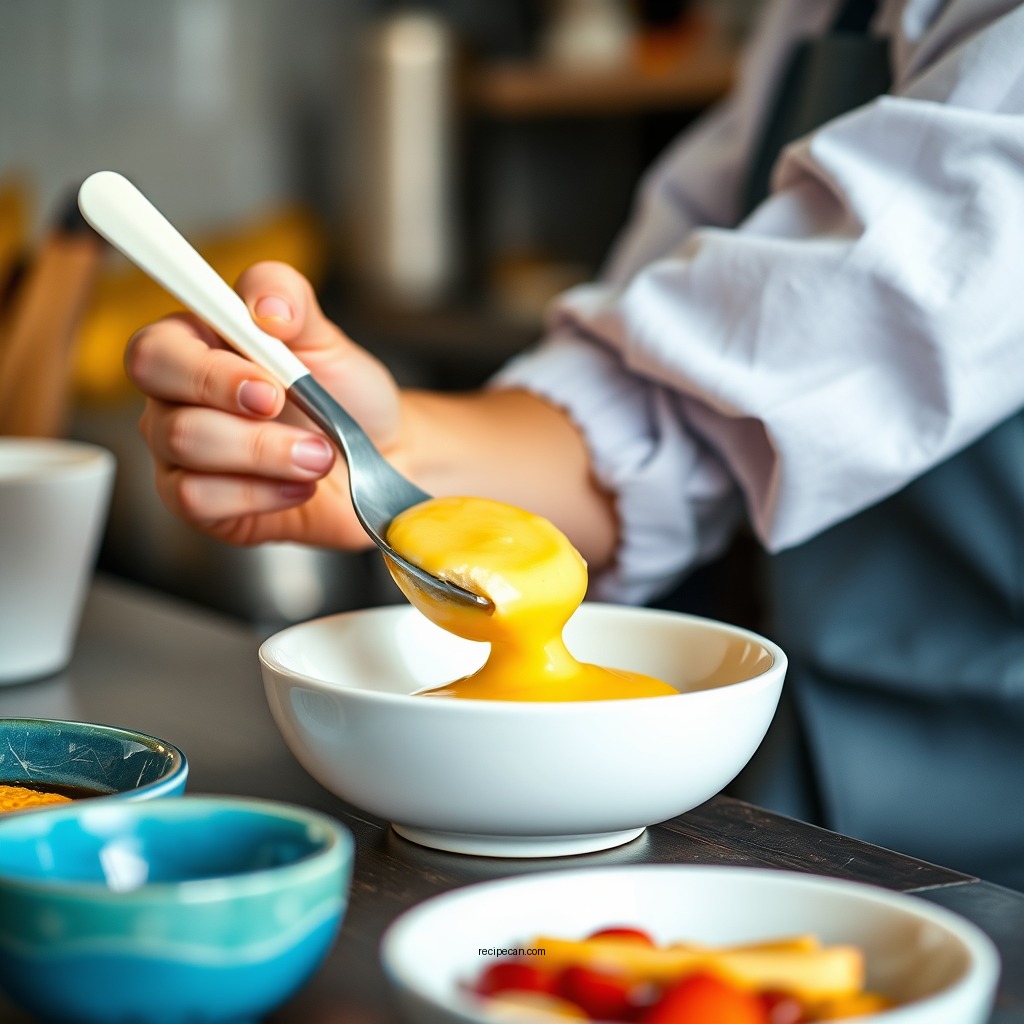
Creating the custard is a straightforward process, but attention to detail will ensure a flawless result. Follow these steps:
1. Prepare the Custard Base: In a medium saucepan, combine the milk and sugar over medium heat. Stir gently until the sugar dissolves completely. Avoid boiling the mixture.
2. Whisk the Eggs: In a separate bowl, whisk the eggs until they are pale and frothy. Gradually add a small amount of the warm milk mixture to temper the eggs, whisking constantly. This prevents the eggs from scrambling.
3. Combine: Slowly pour the tempered egg mixture back into the saucepan with the remaining milk. Add the vanilla extract and continue to cook over low heat, stirring constantly until the mixture thickens enough to coat the back of a spoon (about 10-15 minutes).
4. Cool the Custard: Once thickened, remove the saucepan from heat. Allow it to cool slightly before transferring it to a bowl. Cover with plastic wrap, ensuring it touches the surface of the custard to prevent a skin from forming. Chill in the refrigerator for at least 2 hours.
5. Prepare the Bananas: Slice the ripe bananas just before serving to prevent browning.
6. Serve: Layer the chilled custard in bowls or glasses, top with banana slices, and garnish with any optional toppings, such as whipped cream or a sprinkle of cinnamon.
Tips for Perfecting the Custard Consistency
Achieving the perfect custard consistency is crucial. Here are some tips:
– Monitor the Heat: Cooking on low heat prevents curdling. High heat can cause the eggs to cook too quickly.
– Use a Thermometer: Aim for a temperature of about 170°F (77°C) for the custard to thicken without scrambling the eggs.
– Strain the Mixture: For an ultra-smooth custard, strain the mixture through a fine-mesh sieve before chilling.
Tips for Selecting Bananas
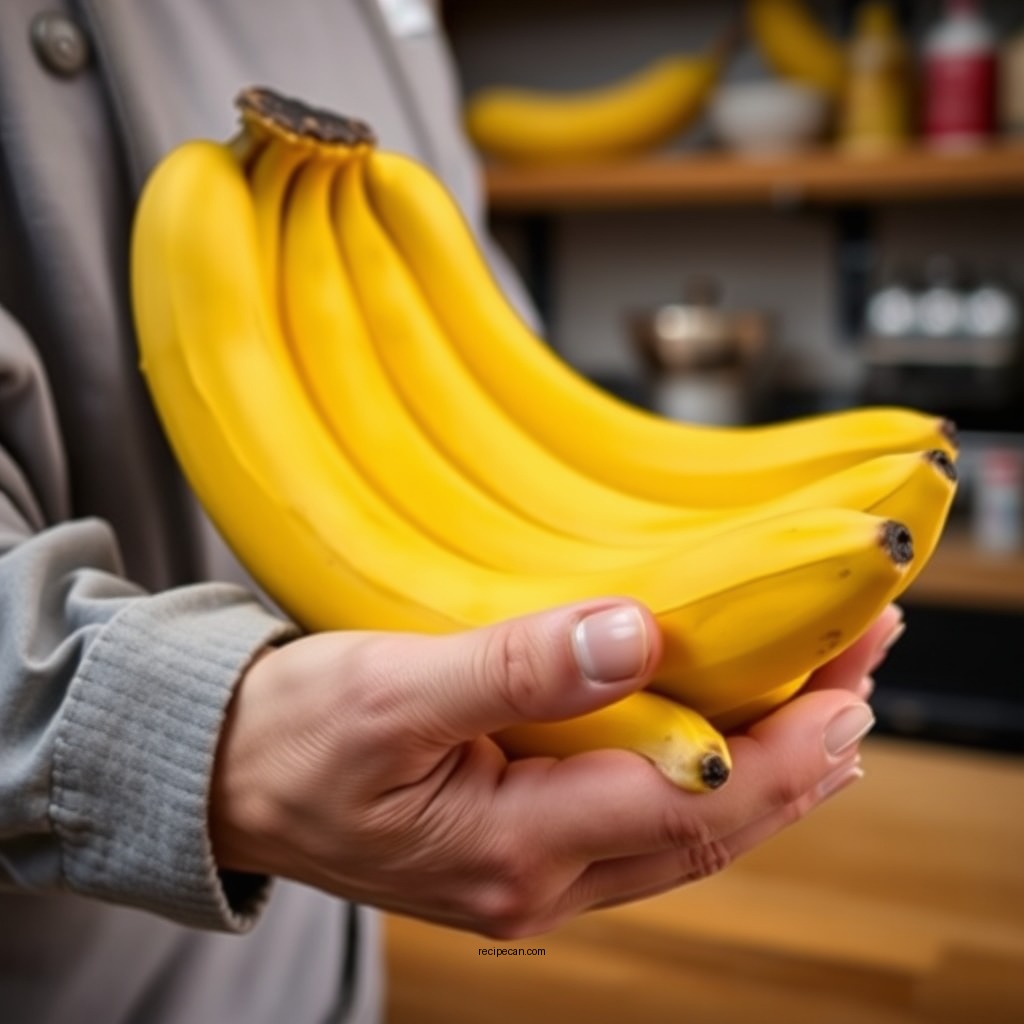
Choosing the right bananas is essential for maximizing flavor in your dish. Here’s how to pick the best ones:
– Look for Ripeness: Opt for bananas that are slightly speckled with brown spots. This indicates they are ripe and will provide a sweeter flavor.
– Avoid Green Bananas: Green bananas are not fully developed in sweetness and can taste starchy, which is not ideal for this recipe.
– Texture Matters: Choose bananas that are firm but yield slightly to gentle pressure. Overripe bananas can be too mushy.
The ripeness of the bananas directly impacts the flavor of your custard. Riper bananas will impart a richer, sweeter taste, enhancing the overall dessert experience.
Serving Suggestions
When it comes to serving your custard and banana creation, presentation is key. Here are some ideas:
– Plating: Serve the custard in individual ramekins or glasses to create a visually appealing dessert. Layer the sliced bananas on top and drizzle with caramel or chocolate sauce.
– Garnishing: Add a dollop of freshly whipped cream or a sprinkle of toasted nuts for added texture and flavor.
– Pairing Recommendations: Consider serving alongside a warm slice of sponge cake or biscuits for a delightful contrast of temperatures and textures.
Variations to Try
To keep your custard and banana dish exciting, consider these variations:
– Caramel Custard: Add a swirl of caramel sauce into the custard mixture before chilling for a rich flavor.
– Chocolate Delight: Mix in chocolate chips or cocoa powder for a chocolate-flavored custard.
– Fruit Fusion: Incorporate other fruits such as strawberries or berries for a fresh twist. Layering custard with different fruits can create a beautiful parfait.
For a different texture, try baking the custard in a water bath until set, or serve it chilled as a parfait layered with granola and fruit.
Common Mistakes to Avoid
When making custard, some common pitfalls can lead to disappointment. Here are some mistakes to watch out for:
– Overheating the Custard: Cooking at too high a temperature can cause the eggs to scramble. Always use low heat and stir continuously.
– Skipping the Tempering: Failing to temper the eggs can result in curdled custard. Always add warm milk gradually while whisking.
– Not Chilling Properly: Allowing the custard to cool completely before refrigerating is crucial for the right texture.
Troubleshooting Tips
If you encounter issues, here are some quick fixes:
– If Custard Is Too Thin: Return it to the heat and cook a little longer while stirring.
– If Custard Has a Grainy Texture: Strain the mixture through a fine-mesh sieve to remove any lumps.
Storing and Reheating Tips
If you have leftovers, proper storage is essential to maintain freshness:
– Storage: Store the custard in an airtight container in the refrigerator for up to 3 days. Keep the bananas separate until serving to prevent them from browning.
– Reheating: To reheat, gently warm the custard in a saucepan over low heat, stirring constantly to avoid curdling. Avoid microwaving, as this can alter the texture.
Delight in the smooth, luscious combination of custard and bananas with this easy recipe. Not only is it simple to prepare, but it also allows for plenty of creative variations. Try making it today, and share your own twist on this classic dessert!
Frequently Asked Questions
What are the basic ingredients for a custard and banana recipe?
The basic ingredients for a custard and banana recipe typically include eggs, milk, sugar, vanilla extract, and ripe bananas. You may also want to add cornstarch for a thicker consistency. This combination creates a creamy custard base that pairs perfectly with the sweetness of bananas.
How do you make a simple banana custard from scratch?
To make a simple banana custard from scratch, start by whisking together eggs, sugar, and cornstarch in a bowl. In a saucepan, heat milk until it’s just about to boil, then slowly pour it into the egg mixture while whisking continuously to avoid curdling. Return the mixture to the saucepan, cook over low heat until thickened, and then fold in sliced bananas before cooling.
Why is my banana custard not thickening?
If your banana custard is not thickening, it may be due to insufficient cooking or a low ratio of cornstarch to liquid. Ensure that you cook the custard over low heat until it reaches the desired consistency, and consider using a bit more cornstarch if needed. Additionally, make sure to whisk continuously to prevent lumps and achieve a smooth texture.
What is the best way to serve banana custard?
The best way to serve banana custard is chilled, either on its own or topped with whipped cream for added richness. You can also layer it in dessert glasses with crushed cookies or serve it with a sprinkle of cinnamon for extra flavor. This presentation not only enhances the taste but also makes for an appealing dessert.
Which bananas are best for making custard?
For making custard, ripe bananas are the best choice as they provide natural sweetness and a soft texture that blends well into the custard. Look for bananas that are yellow with some brown spots, indicating they are perfectly ripe. Avoid green bananas, as they are too firm and will not mash well into the custard mixture.
References
- Custard
https://en.wikipedia.org/wiki/Custard - https://www.bbc.co.uk/food/recipes/banana_custard_47483
https://www.bbc.co.uk/food/recipes/banana_custard_47483 - https://www.sciencedirect.com/topics/food-science/custard
https://www.sciencedirect.com/topics/food-science/custard - https://www.ncbi.nlm.nih.gov/pmc/articles/PMC6780069/
https://www.ncbi.nlm.nih.gov/pmc/articles/PMC6780069/ - https://www.ncbi.nlm.nih.gov/pmc/articles/PMC6466643/
https://www.ncbi.nlm.nih.gov/pmc/articles/PMC6466643/ - Google Scholar Google Scholar
https://scholar.google.com/scholar?q=custard+and+banana+recipe - Google Scholar Google Scholar
https://scholar.google.com/scholar?q=banana+custard+nutrition - Google Scholar Google Scholar
https://scholar.google.com/scholar?q=custard+recipe+science - Custard | Definition, Ingredients, & Preparation | Britannica
https://www.britannica.com/topic/custard - Page Not Found – Site Help – Mayo Clinic
https://www.mayoclinic.org/healthy-lifestyle/nutrition-and-healthy-eating/expert-answers/what-is-custard/faq-20058243