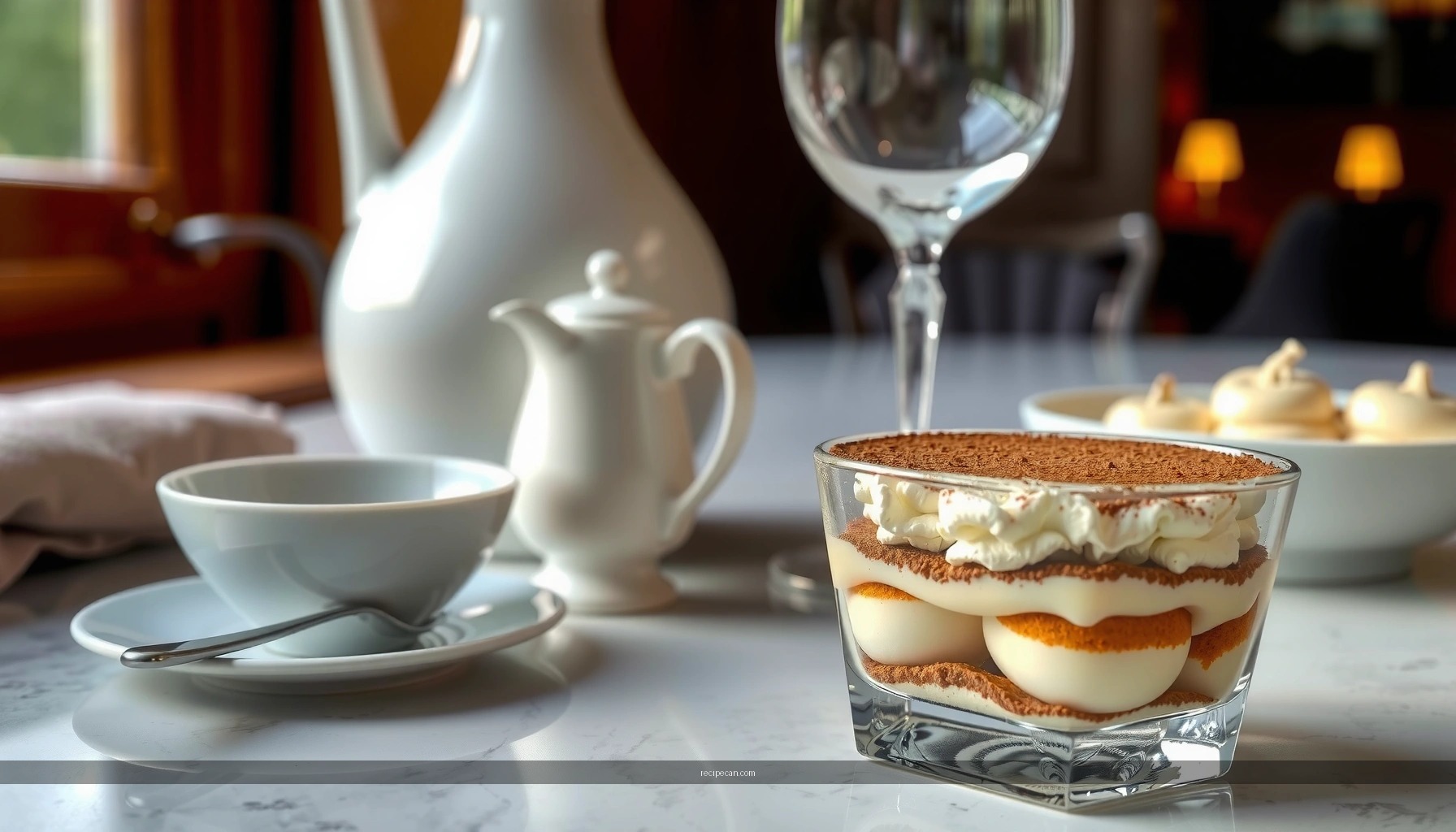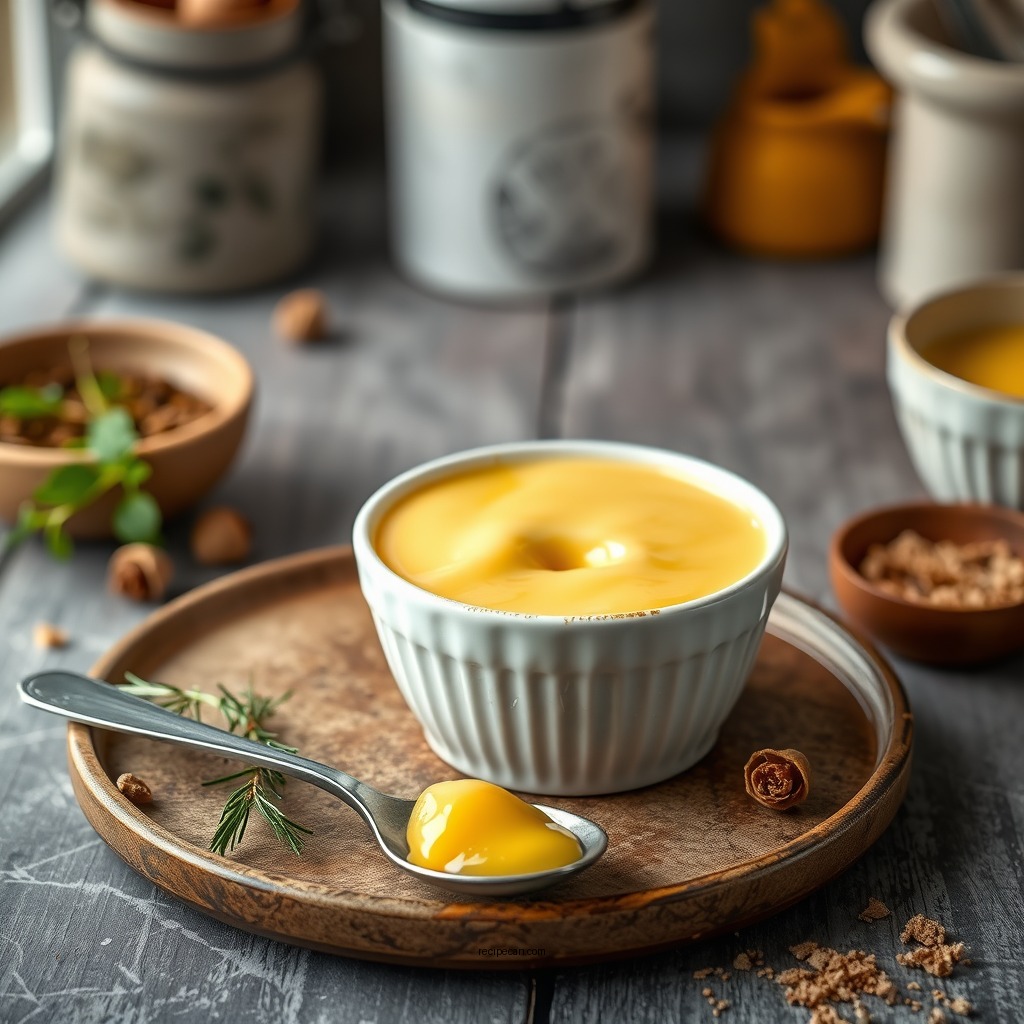
Making homemade custard is easy and rewarding, allowing you to enjoy a rich, creamy dessert with just a few ingredients. In this guide, you’ll learn how to create a classic custard from scratch, perfect for serving on its own or as a base for other desserts. With just egg yolks, milk or cream, and sugar, you can whip up a delightful custard that can elevate any dessert experience.
Essential Ingredients for Custard
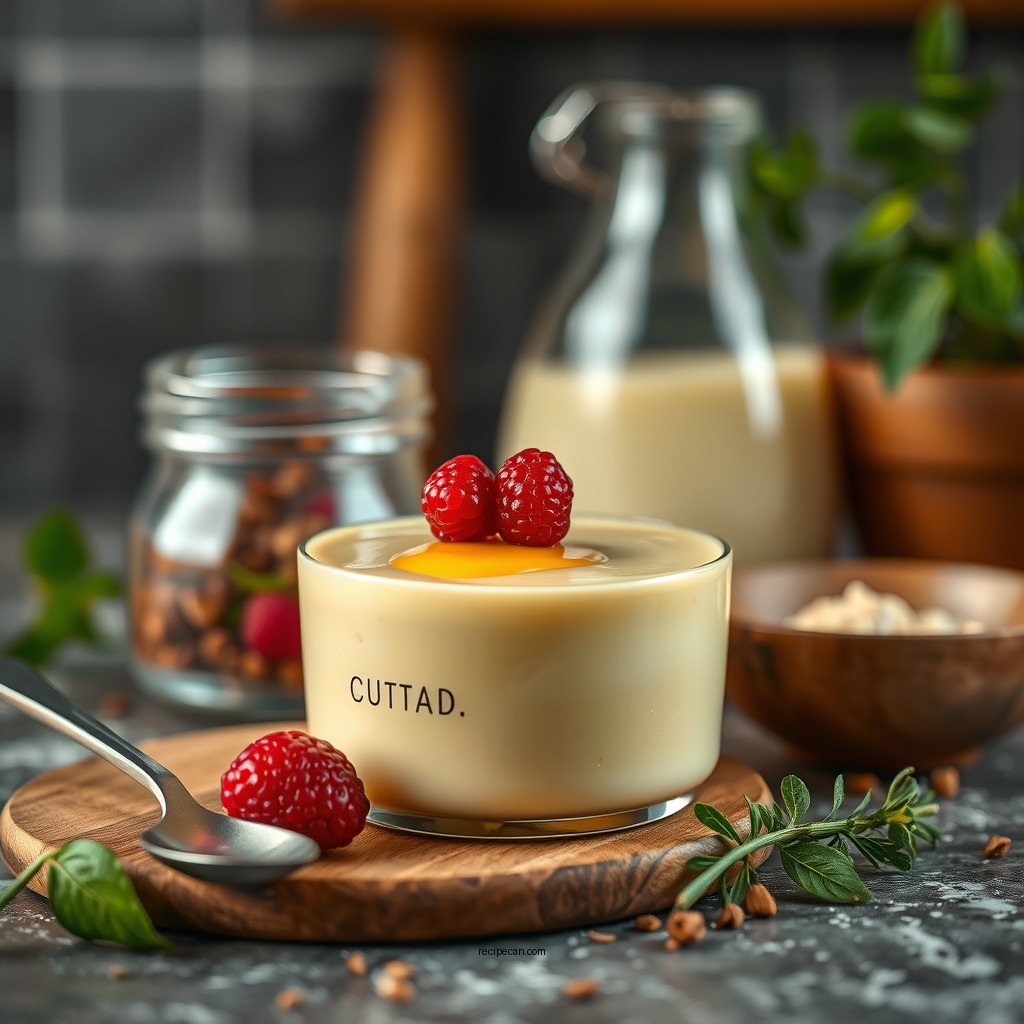
To create the perfect custard, selecting high-quality ingredients is crucial. Here’s a breakdown of the essential components:
– Egg yolks: These provide the custard with its characteristic richness and stability. The emulsifiers in egg yolks help to create a creamy texture while also contributing to the custard’s structure.
– Milk or cream: The choice between milk and cream depends on the desired richness. Whole milk produces a lighter custard, while heavy cream yields a denser and creamier texture. For a balanced approach, a combination of both can be used.
– Sugar: Sugar sweetens the custard and enhances its flavor. The amount can be adjusted based on personal preference, but it typically ranges from ¼ to ½ cup per quart of liquid.
Choosing fresh, high-quality ingredients will significantly impact the final product. Make sure your eggs are fresh and your dairy is not past its expiration date for the best results.
Step-by-Step Instructions

Creating custard from scratch is a straightforward process that involves careful attention to detail. Follow these steps for a flawless result:
1. Combine ingredients: In a medium bowl, whisk together the egg yolks and sugar until the mixture is smooth and pale. This step helps to dissolve the sugar and aerate the yolks, leading to a lighter custard.
2. Heat the mixture: In a saucepan, gently heat the milk or cream over medium heat until it is warm but not boiling. You can add flavorings such as vanilla or a pinch of salt at this stage, enhancing the custard’s overall taste. Gradually pour the warm milk into the egg mixture, whisking constantly to temper the eggs and prevent them from scrambling.
3. Cook slowly: Return the combined mixture to the saucepan. Cook over low heat, stirring continuously with a spatula or wooden spoon. The custard is done when it thickens enough to coat the back of a spoon. This usually takes about 10-15 minutes. Be patient and avoid rushing this step, as overheating can lead to curdling.
Tips for Perfect Custard
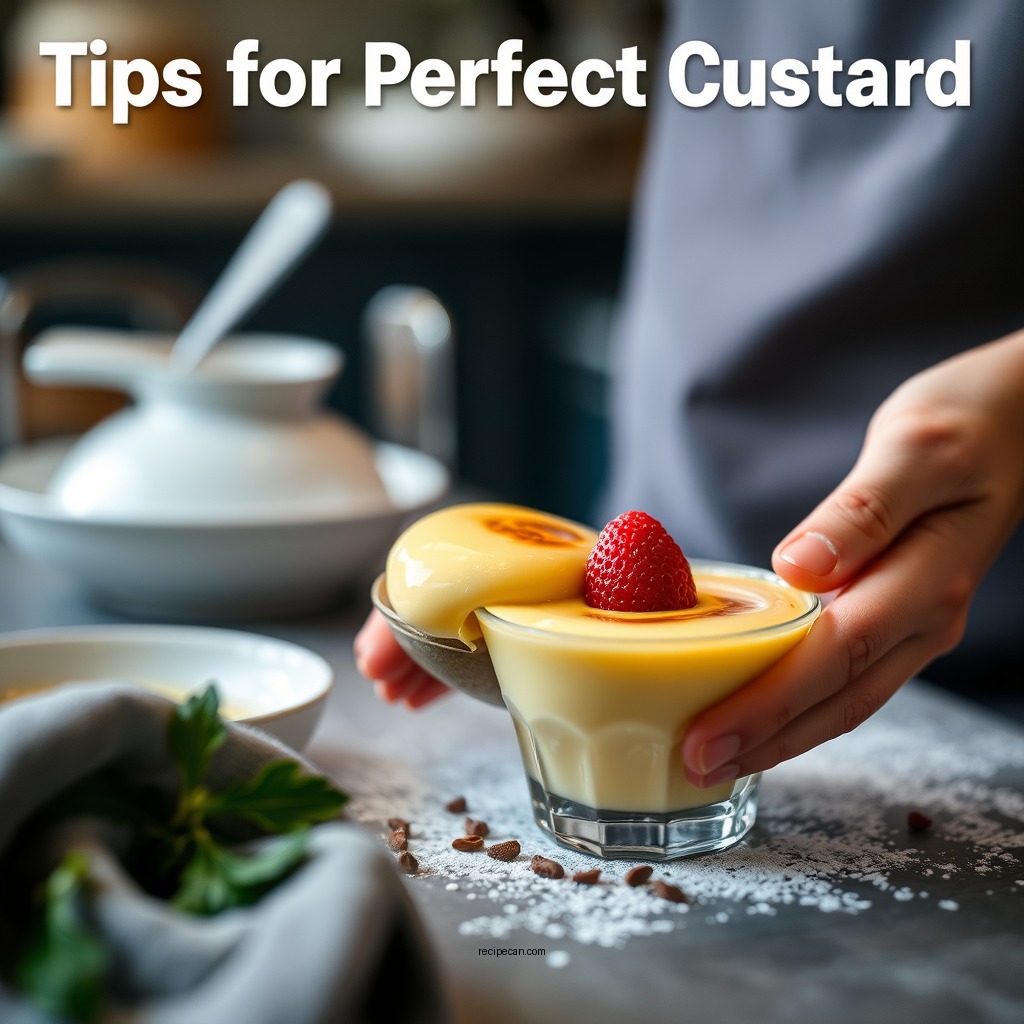
To ensure your homemade custard comes out perfect every time, consider these helpful tips:
– Use a double boiler: Cooking the custard in a double boiler can help regulate the heat and prevent the mixture from curdling. The gentle, indirect heat allows for a more controlled cooking process.
– Stir continuously: Constant stirring ensures even cooking and prevents the custard from sticking to the bottom of the pan, which can lead to scorching.
– Test for doneness: A simple way to check if the custard is ready is to dip the back of a spoon into the mixture. If it coats the spoon and leaves a clear line when you run your finger through it, your custard is perfectly thickened.
📋 DATA
Custard Variations by Popularity (2023)
| # | Variation | Popularity (%) | Main Flavor |
|---|---|---|---|
| 1 | Vanilla Custard | 45% | Vanilla |
| 2 | Chocolate Custard | 30% | Chocolate |
| 3 | Lemon Custard | 15% | Citrus |
| 4 | Coffee Custard | 5% | Coffee |
| 5 | Nutmeg Custard | 3% | Spice |
| 6 | Almond Custard | 2% | Nut |
| 7 | Maple Custard | 1% | Maple |
Flavor Variations
One of the joys of making custard is the ability to customize flavors to suit your taste or the occasion. Here are some popular variations:
– Vanilla: The classic custard flavor, achieved by adding vanilla extract or a split vanilla bean to the milk during heating. This enhances the custard’s aroma and flavor profile.
– Chocolate: For chocolate lovers, simply melt dark chocolate into the custard mixture during the cooking process. This results in a rich, decadent dessert that can be served warm or chilled.
– Citrus: Adding lemon or orange zest introduces a refreshing brightness to the custard. This is especially delightful in warmer months and pairs well with berries.
By experimenting with different flavors, you can create a multitude of custard variations that cater to various preferences and occasions.
📈 CHART
Custard Cooking Time Comparison (Minutes)
Storing and Serving Suggestions
Proper storage and serving techniques can enhance your custard experience:
– Refrigeration: Once cooled, custard can be stored in the refrigerator for up to three days. Ensure it is kept in an airtight container to prevent it from absorbing any odors from other foods.
– Serving ideas: Custard can be served on its own or paired with various accompaniments. It makes an excellent base for trifles, layered with fruits and cake, or as a filling for pastries, cakes, and tarts. For a refreshing touch, serve with fresh berries or a drizzle of caramel or chocolate sauce.
Troubleshooting Common Issues
Even the best cooks can encounter issues while making custard. Here are some common problems and their solutions:
– Scrambled custard: This often occurs if the custard is cooked too quickly or at too high a temperature. Always use low heat and stir continuously to ensure even cooking.
– Too runny: If your custard doesn’t thicken as expected, it may require additional cooking time. Keep a close eye on the texture and be patient, as it can take time to reach the right consistency.
Making your own custard allows you to customize flavors and textures to your liking. With these straightforward steps and tips, you’ll be able to create a delicious dessert that everyone will love. Try your hand at this homemade custard recipe today and impress your family and friends! Enjoy the satisfaction of serving a homemade delicacy that is not only simple to prepare but also rich in flavor and texture.
Frequently Asked Questions
What are the basic ingredients for a homemade custard recipe?
The basic ingredients for a homemade custard recipe include eggs, sugar, milk (or cream), and vanilla extract. These simple components combine to create a creamy and rich texture that forms the base of classic custard dishes. You can also add variations like chocolate or fruit purees for different flavors.
How do you prevent homemade custard from curdling while cooking?
To prevent homemade custard from curdling, it’s essential to cook it slowly over low heat and constantly stir the mixture. Additionally, tempering the eggs by gradually adding warm milk to them before combining can help create a smooth consistency without curdling. Using a double boiler can also provide gentle heat for more even cooking.
Why is my homemade custard too runny?
If your homemade custard is too runny, it may not have been cooked long enough or at a high enough temperature to thicken properly. Ensure you cook the custard until it reaches a temperature of about 170°F (77°C) and coats the back of a spoon. If it still doesn’t thicken, you can return it to the heat or add a bit of cornstarch to help achieve the desired consistency.
What is the best way to store homemade custard?
The best way to store homemade custard is to place it in an airtight container and refrigerate it. It typically lasts for about 2-3 days in the fridge. To maintain its texture, cover the surface of the custard with plastic wrap to prevent a skin from forming.
Which recipes can I use homemade custard in?
Homemade custard can be used in a variety of recipes, including classic desserts like crème brûlée, custard tarts, and trifle. It also makes a delicious filling for pastries and can be served alongside fresh fruits or cakes. The versatility of custard allows it to enhance both baked goods and chilled desserts.
References
- Custard
https://en.wikipedia.org/wiki/Custard - https://www.foodnetwork.com/recipes/vanilla-custard-recipe-2011761
https://www.foodnetwork.com/recipes/vanilla-custard-recipe-2011761 - Google Scholar Google Scholar
https://scholar.google.com/scholar?q=homemade+custard+recipe - Google Scholar Google Scholar
https://scholar.google.com/scholar?q=custard+recipe+history - Google Scholar Google Scholar
https://scholar.google.com/scholar?q=custard+nutritional+information - https://www.verywellfit.com/custard-nutrition-facts-4113522
https://www.verywellfit.com/custard-nutrition-facts-4113522 - https://www.healthline.com/nutrition/custard-nutrition-facts
https://www.healthline.com/nutrition/custard-nutrition-facts - https://www.ncbi.nlm.nih.gov/pmc/articles/PMC7305861/
https://www.ncbi.nlm.nih.gov/pmc/articles/PMC7305861/ - homemade custard recipe – Search results
https://en.wikipedia.org/wiki/Special:Search?search=homemade+custard+recipe - https://www.ncbi.nlm.nih.gov/search/research-articles/?term=homemade+custard+recipe
https://www.ncbi.nlm.nih.gov/search/research-articles/?term=homemade+custard+recipe