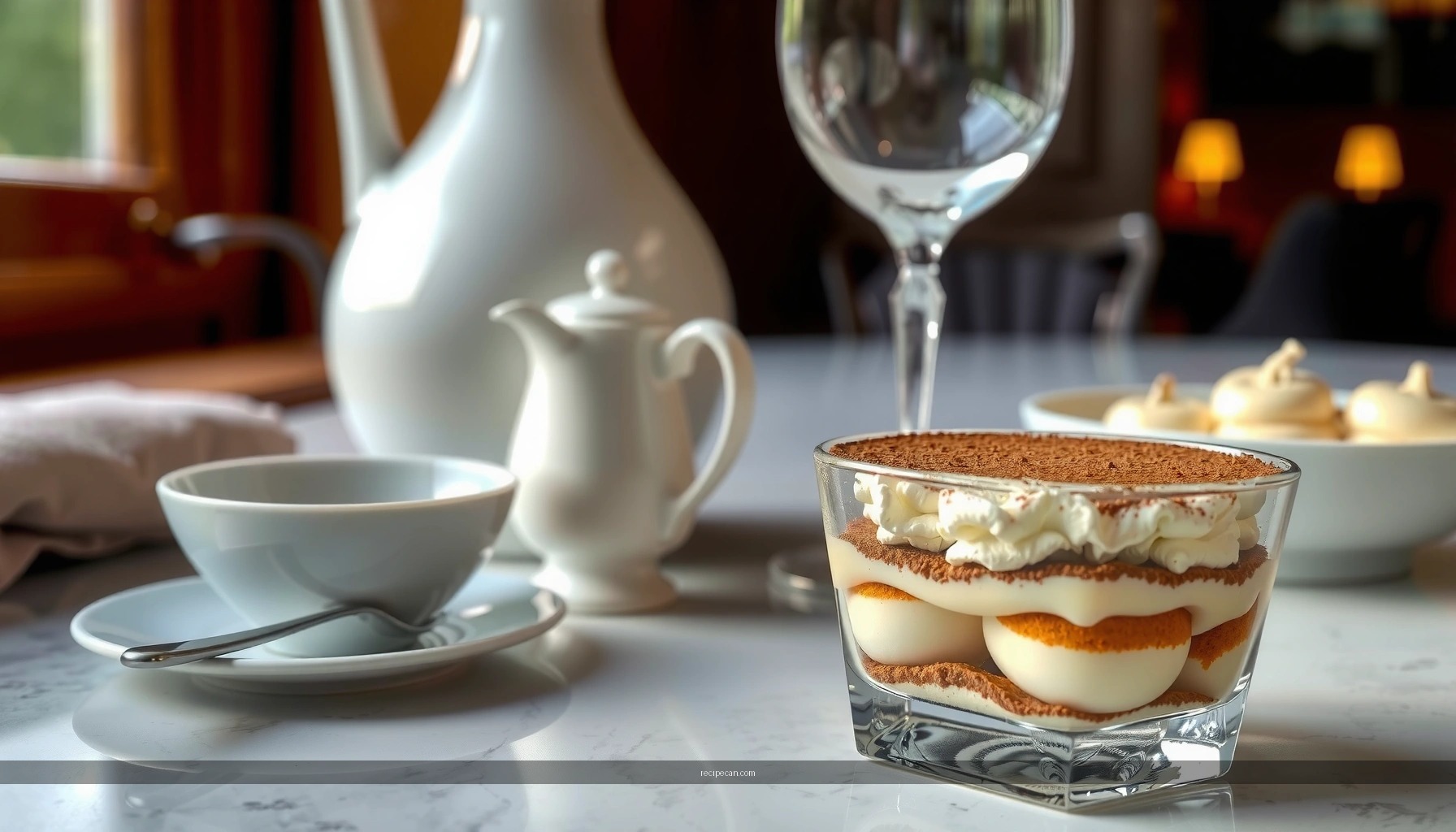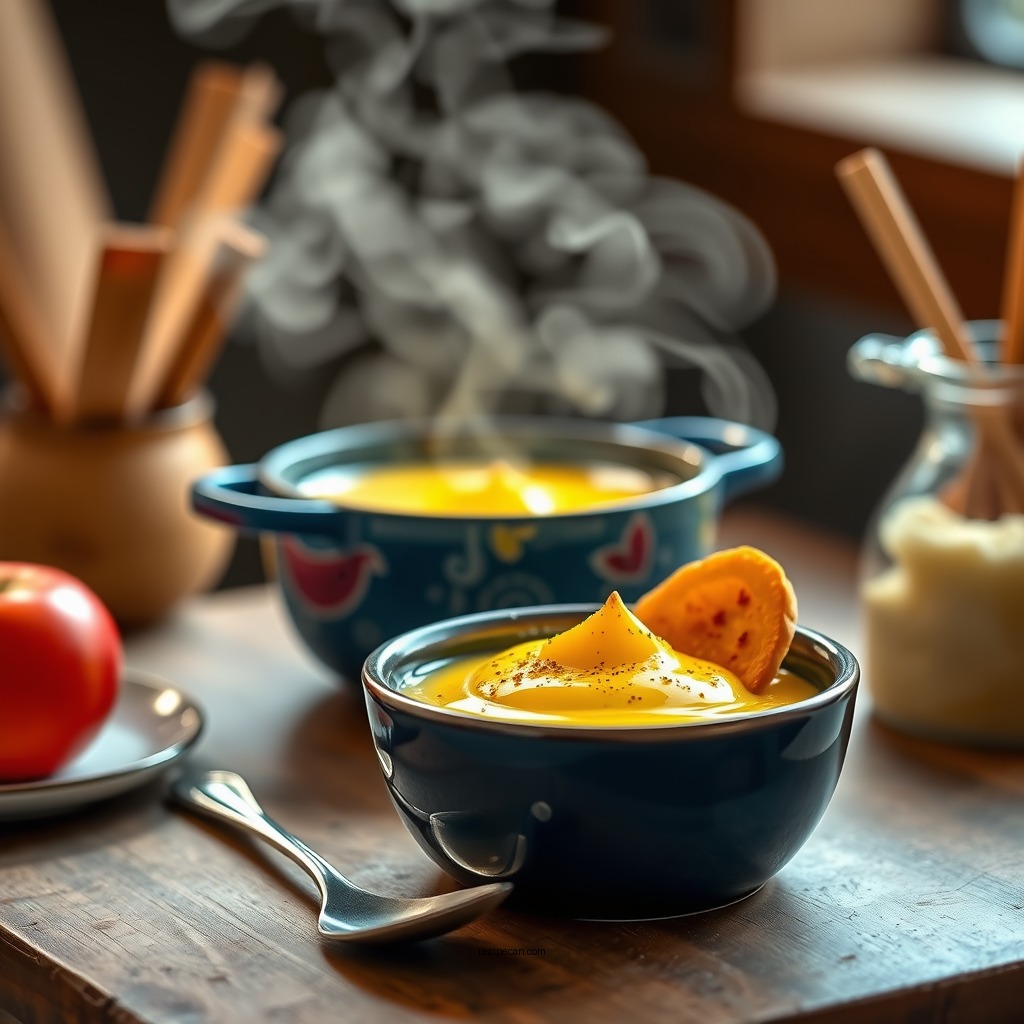
Making custard is an accessible and rewarding endeavor, ideal for both novice and experienced bakers. With just a few basic ingredients, you can create a creamy, rich dessert that serves as a delightful standalone treat or a versatile filling for various pastries and tarts. This easy custard recipe will guide you through the straightforward steps to master this classic dessert.
Ingredients You’ll Need
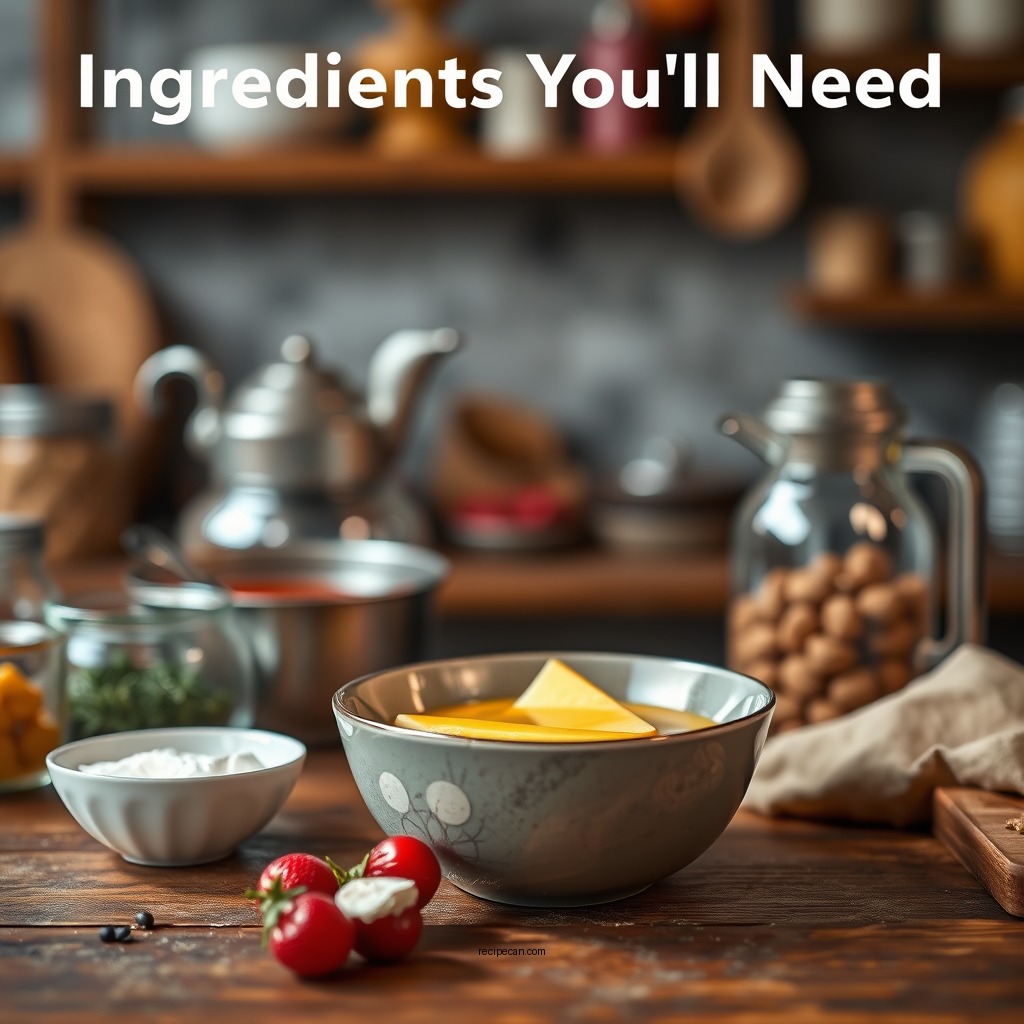
To create a delicious custard, you will need the following three essential ingredients:
– Milk or Cream: The foundation of your custard, milk or cream is crucial for providing the richness and smooth texture that characterizes a great custard. Whole milk or heavy cream can be used, depending on how indulgent you wish to make the dessert.
– Sugar: Sugar is necessary to sweeten your custard, balancing the flavors. The amount can be adjusted based on personal preference, but a standard ratio is about one-third cup of sugar for every two cups of liquid.
– Eggs: Eggs act as the thickening agent in custard. They contribute to the custard’s creamy texture and rich flavor. Typically, you’ll use whole eggs or a combination of whole eggs and egg yolks for a silkier finish.
Step-by-Step Instructions

Creating custard is a simple process that, when followed correctly, yields delightful results. Here’s how to do it:
– Combine the Ingredients: In a medium saucepan, whisk together your chosen milk or cream, sugar, and eggs until fully blended. Ensure there are no lumps, as this will affect the texture of your final product.
– Cook Gently: Place the saucepan over low heat. Stir the mixture constantly with a wooden spoon or spatula, scraping the bottom to prevent sticking. The custard is done when it thickens enough to coat the back of the spoon. This process usually takes about 10-15 minutes. Be patient; cooking too quickly can lead to scrambled eggs, ruining the delicate texture you’re aiming for.
Once your custard reaches the desired consistency, remove it from the heat and let it cool. You can strain it through a fine sieve if you want an ultra-smooth texture.
Tips for Perfect Custard

To ensure your custard turns out perfectly every time, consider the following tips:
– Avoid High Heat: Cooking custard over high heat may cause the eggs to scramble, leading to an undesirable texture. Low and slow is the way to go when making custard.
– Use a Thermometer: For precision, use a kitchen thermometer to monitor the temperature of your custard. Aim for around 170°F. This temperature allows the custard to thicken without scrambling the eggs.
Flavor Variations
While a classic custard is delightful on its own, you can easily customize it to suit your taste preferences:
– Vanilla: For a traditional flavor, add a teaspoon of vanilla extract or a split vanilla bean to the milk before heating. This addition infuses the custard with a lovely aromatic quality.
– Chocolate: For a richer dessert, incorporate cocoa powder or melted chocolate into the mixture. Start with a couple of tablespoons of cocoa or 4 ounces of chocolate, adjusting to your taste.
Top 7 Flavor Variations for Custard
| # | Flavor | Popularity (%) | Ease of Preparation |
|---|---|---|---|
| 1 | Classic Vanilla | 45% | Easy |
| 2 | Chocolate | 30% | Moderate |
| 3 | Caramel | 15% | Moderate |
| 4 | Lemon | 5% | Easy |
| 5 | Almond | 3% | Moderate |
| 6 | Lavender | 2% | Difficult |
Serving Suggestions
Custard is incredibly versatile and can be served in various ways:
– Serve Warm: For a comforting dessert, serve your custard warm, perhaps with a sprinkle of nutmeg or cinnamon on top.
– Pair with Desserts: Custard can serve as a sauce for cakes, pies, or fresh fruits. It can also be used as a filling for pastries like éclairs or tart shells, enhancing the overall flavor and texture of the dish.
Troubleshooting Common Issues
Even the most experienced cooks can run into issues while making custard. Here are some common problems and their solutions:
– Lumpy Custard: If your custard ends up lumpy, it may have cooked too quickly. To remedy this, strain the mixture through a fine sieve to remove the lumps, resulting in a smooth custard.
– Too Thin: If your custard doesn’t thicken as expected, continue cooking it gently while stirring. It may require additional time to reach the proper consistency. If all else fails, you can mix a cornstarch slurry (equal parts cornstarch and cold water) into the custard to thicken it up.
In summary, making custard at home is both simple and rewarding. By following these straightforward steps and tips, anyone can achieve a delicious custard that can be enjoyed in numerous ways. Don’t hesitate to experiment with flavors or use the custard in various desserts. Try making your own custard today and share your results or any variations you come up with in the comments!
Frequently Asked Questions
What ingredients do I need for an easy custard recipe?
To make an easy custard recipe, you will need basic ingredients such as milk, sugar, eggs, and vanilla extract. You can also add a pinch of salt for flavor enhancement. These ingredients combine to create a smooth and creamy custard that can be served warm or chilled.
How do I prevent my custard from curdling while cooking?
To prevent curdling in your custard, it’s essential to cook it over low to medium heat and stir continuously. Gradually temper the eggs by adding a small amount of hot milk mixture to them before combining everything, which helps to prevent sudden cooking. Using a double boiler can also provide more gentle heat for even cooking.
Why is my custard not thickening properly?
If your custard is not thickening, it may be due to insufficient cooking time or too low of a temperature. Ensure that you cook the custard until it coats the back of a spoon, which indicates it has thickened properly. Additionally, using fresh eggs can make a difference in achieving the desired consistency.
What is the best way to serve homemade custard?
The best way to serve homemade custard is either warm or chilled, depending on your preference. You can enjoy it on its own, or pair it with fresh fruit, pastries, or as a filling for pies and tarts. Drizzling a bit of caramel or chocolate sauce over the custard can also enhance its presentation and flavor.
Which types of custard can I make easily at home?
You can easily make several types of custard at home, including classic vanilla custard, chocolate custard, and fruit-flavored custards. Each type can be prepared using the same basic method and ingredients, with minor adjustments for flavoring. Experimenting with different extracts or adding cocoa powder can lead to delightful variations in your easy custard recipe.
References
- Custard
https://en.wikipedia.org/wiki/Custard - https://www.foodnetwork.com/recipes/articles/what-is-custard
https://www.foodnetwork.com/recipes/articles/what-is-custard - https://www.nytimes.com/2020/11/18/dining/custard-recipe.html
https://www.nytimes.com/2020/11/18/dining/custard-recipe.html - https://www.theguardian.com/food/2020/jul/11/how-to-make-perfect-custard
https://www.theguardian.com/food/2020/jul/11/how-to-make-perfect-custard - https://www.sciencedirect.com/topics/food-science/custard
https://www.sciencedirect.com/topics/food-science/custard - Google Scholar Google Scholar
https://scholar.google.com/scholar?q=custard+recipe - Google Scholar Google Scholar
https://scholar.google.com/scholar?q=custard+making+techniques - Google Scholar Google Scholar
https://scholar.google.com/scholar?q=history+of+custard - https://www.britannica.com/topic/custard-dish
https://www.britannica.com/topic/custard-dish - Google Scholar Google Scholar
https://scholar.google.com/scholar?q=easy+custard+recipe