A simple custard pie is a classic dessert that combines creamy custard with a flaky crust, making it a delightful treat for any occasion. In this post, you’ll learn how to create a delicious homemade custard pie from scratch, including all the necessary ingredients, assembly techniques, and baking instructions. Whether you’re an experienced baker or a novice in the kitchen, this easy-to-follow recipe will guide you to success.
Ingredients You’ll Need
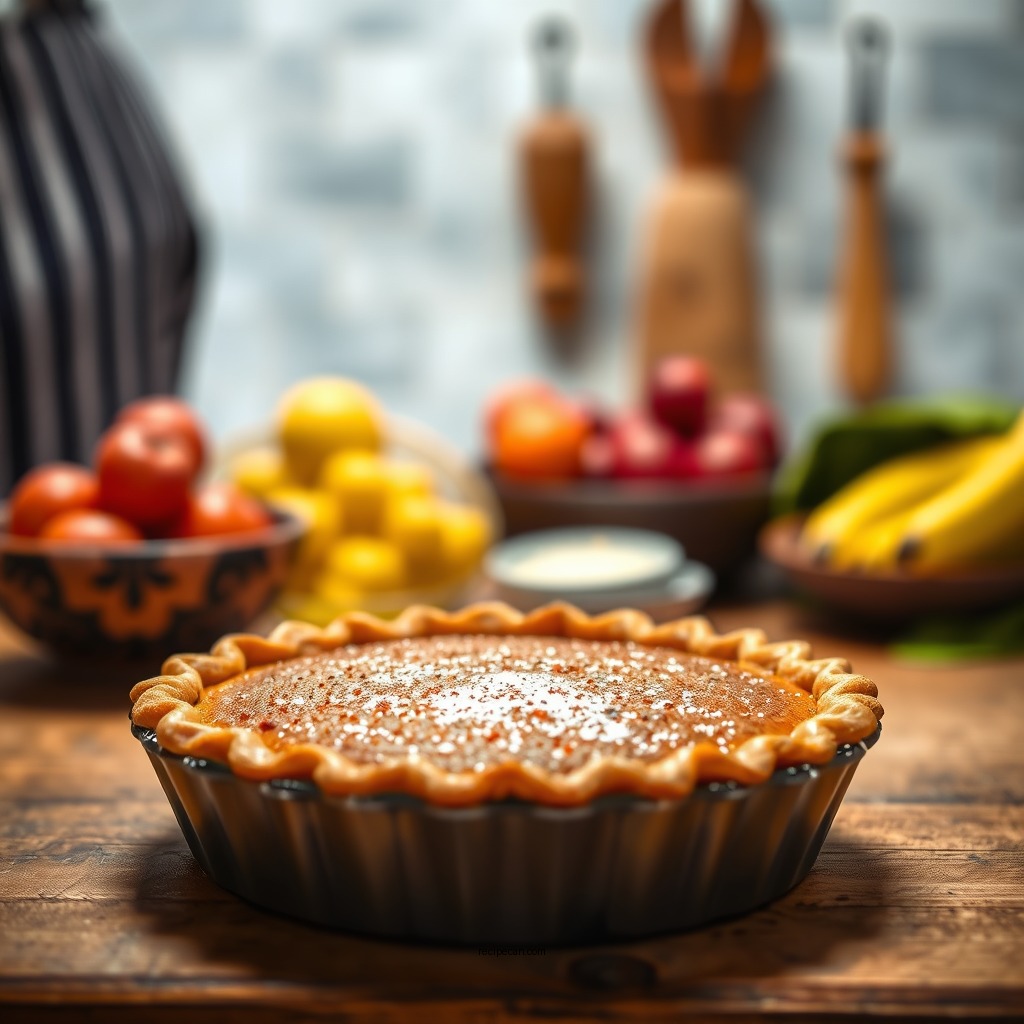
To make a custard pie, you’ll need the following key ingredients:
– Milk: Whole milk is preferred for a creamy texture, but you can use alternatives like half-and-half for a richer taste.
– Sugar: Granulated sugar sweetens the custard and balances the flavors.
– Eggs: Large eggs are essential for setting the custard, providing structure and richness.
– Pie Crust: You can use a pre-made pie crust for convenience or make your own from scratch for a fresh touch. Homemade crusts often enhance the overall flavor and texture of the pie.
Preparing the Custard Filling

The custard filling is the heart of your pie, and preparing it correctly is crucial for a delicious result.
1. Whisk Together Ingredients: In a mixing bowl, combine the eggs and sugar, whisking until the mixture is smooth and the sugar is dissolved. Gradually add the milk, whisking continuously to ensure an even blend.
2. Add Flavoring: Incorporate a splash of vanilla extract to enhance the flavor profile of the custard. This addition elevates the overall taste and aromas of the pie.
Assembling the Pie

The assembly process is straightforward and an opportunity to get creative.
1. Pour the Custard Mixture: Carefully pour the custard filling into your prepared pie crust. Take your time to avoid spilling and to ensure a clean presentation.
2. Even Distribution: Use a spatula to gently spread the custard mixture to ensure it is evenly distributed throughout the crust. This step is vital to avoid uneven baking, which can lead to parts of the pie being overcooked or undercooked.
Baking Instructions
Baking the pie to perfection is key to achieving that custard-like consistency.
1. Preheat Your Oven: Set your oven to 350°F (175°C). Preheating ensures that the pie bakes evenly from the start.
2. Bake the Pie: Place the pie in the preheated oven and bake for about 40-50 minutes. The custard should be set around the edges but still slightly jiggly in the center. This slight jiggle indicates the custard will continue to firm up as it cools.
Cooling and Serving Suggestions
Cooling the pie properly enhances its flavor and texture.
1. Allow Cooling: Once baked, remove the pie from the oven and let it cool at room temperature for at least one hour. Cooling completely is crucial to avoid a runny filling when sliced.
2. Serving Suggestions: Slice the pie and serve it with a dollop of whipped cream or a sprinkle of fresh fruit like berries for a delightful contrast in flavor. A dusting of powdered sugar can also add a beautiful touch to the presentation.
Common Mistakes to Avoid
To ensure your custard pie turns out perfectly, be mindful of these common pitfalls:
– Overmixing the Custard: Mixing the custard too much can incorporate excess air, leading to a tough texture rather than the desired smoothness. Mix just until combined.
– Not Allowing the Pie to Cool: Cutting into the pie too soon can result in a filling that is not fully set, leading to a runny texture. Patience is key!
Variations and Add-Ons
Customize your custard pie to match your taste preferences:
– Flavor Variations: Consider adding chocolate or lemon zest to the custard mixture for a twist on the traditional recipe. Chocolate custard pie can be made by mixing in cocoa powder, while lemon zest adds a refreshing citrus note.
– Spices: Incorporating spices such as nutmeg or cinnamon can add warmth and depth to the flavor profile. A pinch of these spices can make a significant difference in taste.
Custard Pie Variations Popularity (2024)
| # | Variation | Popularity (%) | Preparation Time (mins) | Difficulty Level |
|---|---|---|---|---|
| 1 | Classic Custard | 40% | 30 | Easy |
| 2 | Chocolate Custard | 25% | 35 | Medium |
| 3 | Lemon Custard | 20% | 30 | Easy |
| 4 | Nutmeg Custard | 10% | 40 | Hard |
| 5 | Cinnamon Custard | 5% | 25 | Easy |
Custard Pie Flavor Preferences (%)
In summary, making a simple custard pie is both an enjoyable and rewarding experience. By following the steps outlined above, you can create a delicious dessert that is sure to impress your friends and family. Don’t hesitate to experiment with different flavors and variations to make this classic recipe your own. Enjoy making your custard pie at home, and don’t forget to share your delicious results with friends and family!
Frequently Asked Questions
What are the essential ingredients for a classic custard pie recipe?
A classic custard pie recipe typically includes a pie crust, eggs, milk or cream, sugar, and vanilla extract. These ingredients combine to create a rich and creamy filling that is baked until set. For added flavor, you can also incorporate nutmeg or cinnamon.
How do I prevent my custard pie from cracking?
To prevent your custard pie from cracking, bake it at a lower temperature and avoid overbaking. Additionally, using a water bath can help maintain even heat distribution. Allowing the pie to cool gradually in the oven with the door slightly ajar can also help prevent cracks.
Why is my custard pie watery, and how can I fix it?
A watery custard pie often results from undercooking or using too much milk or cream. To fix this, ensure you bake the pie until the filling is just set, and consider reducing the liquid content slightly. Allowing the pie to cool completely before serving will also help firm up the filling.
What is the best way to serve custard pie for dessert?
The best way to serve custard pie is chilled, garnished with a dollop of whipped cream or a sprinkle of nutmeg for added flavor. Pairing it with fresh fruit, such as berries, can enhance the taste and presentation. Slicing the pie into wedges and serving with a fork makes for an elegant dessert experience.
Which types of crust work best for custard pie recipes?
The best types of crust for custard pie recipes include a traditional pie crust made with flour and butter or a graham cracker crust for a sweeter variation. A store-bought crust can save time, but homemade crusts often provide a flakier texture. Ensure the crust is pre-baked to avoid sogginess from the custard filling.
References
- https://en.wikipedia.org/wiki/Custard
https://en.wikipedia.org/wiki/Custard - https://www.bbc.co.uk/food/recipes/custard_13246
https://www.bbc.co.uk/food/recipes/custard_13246 - https://www.sciencedirect.com/topics/food-science/custard
https://www.sciencedirect.com/topics/food-science/custard - Custard | Definition, Ingredients, & Preparation | Britannica
https://www.britannica.com/topic/custard - https://www.nytimes.com/2011/01/26/dining/26custard.html
https://www.nytimes.com/2011/01/26/dining/26custard.html - Google Scholar Google Scholar
https://scholar.google.com/scholar?q=custard+pie+recipe - Google Scholar Google Scholar
https://scholar.google.com/scholar?q=custard+dessert+recipes - Google Scholar Google Scholar
https://scholar.google.com/scholar?q=custard+preparation+methods - https://www.ncbi.nlm.nih.gov/pmc/articles/PMC6112090/
https://www.ncbi.nlm.nih.gov/pmc/articles/PMC6112090/ - https://www.cdc.gov/nutrition/food-safety.html
https://www.cdc.gov/nutrition/food-safety.html