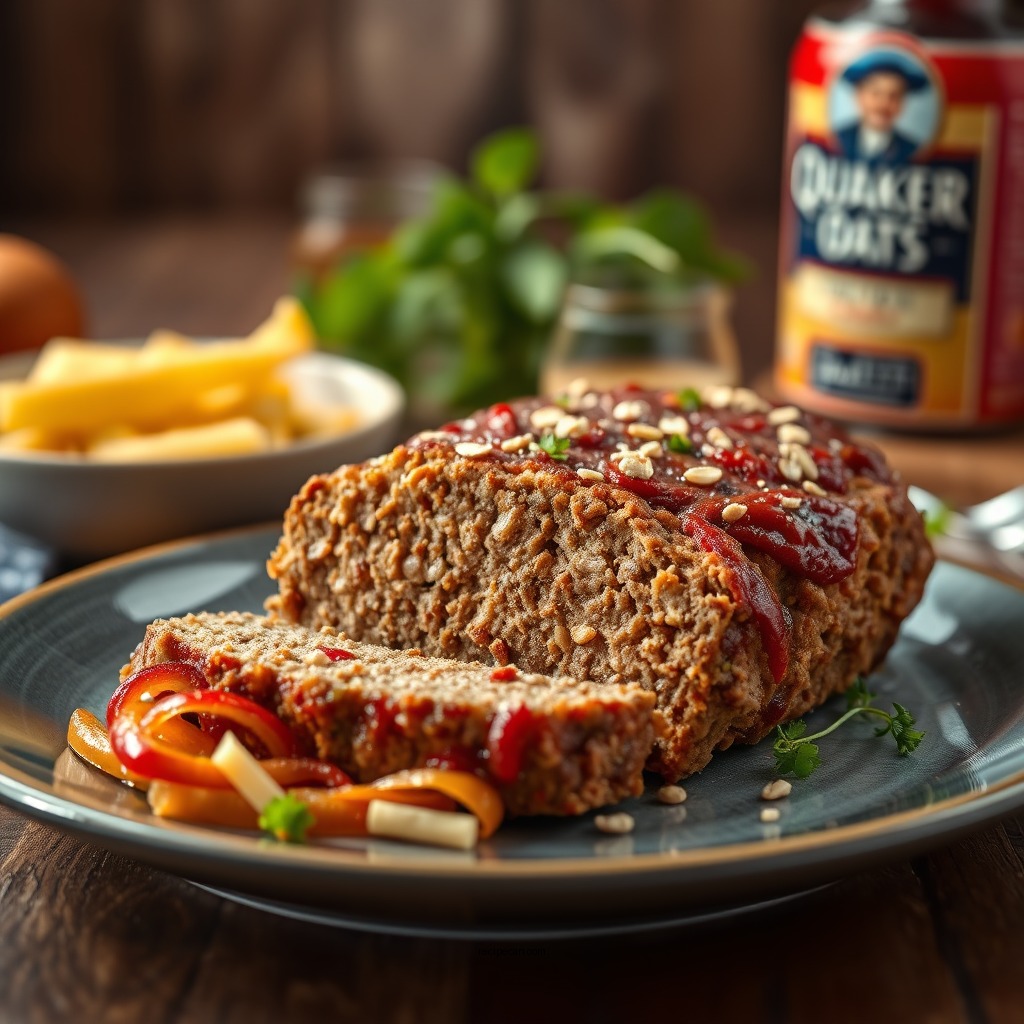
Making meatloaf with Quaker oats is not only simple but also adds a delightful texture and flavor. In this article, you’ll learn how to create a hearty meatloaf that combines the wholesome goodness of oats with traditional ingredients, ensuring a moist and satisfying dish every time. Using Quaker oats in your meatloaf not only enhances its nutritional profile but also contributes to a uniquely satisfying texture that separates it from other recipes.
Benefits of Using Quaker Oats in Meatloaf
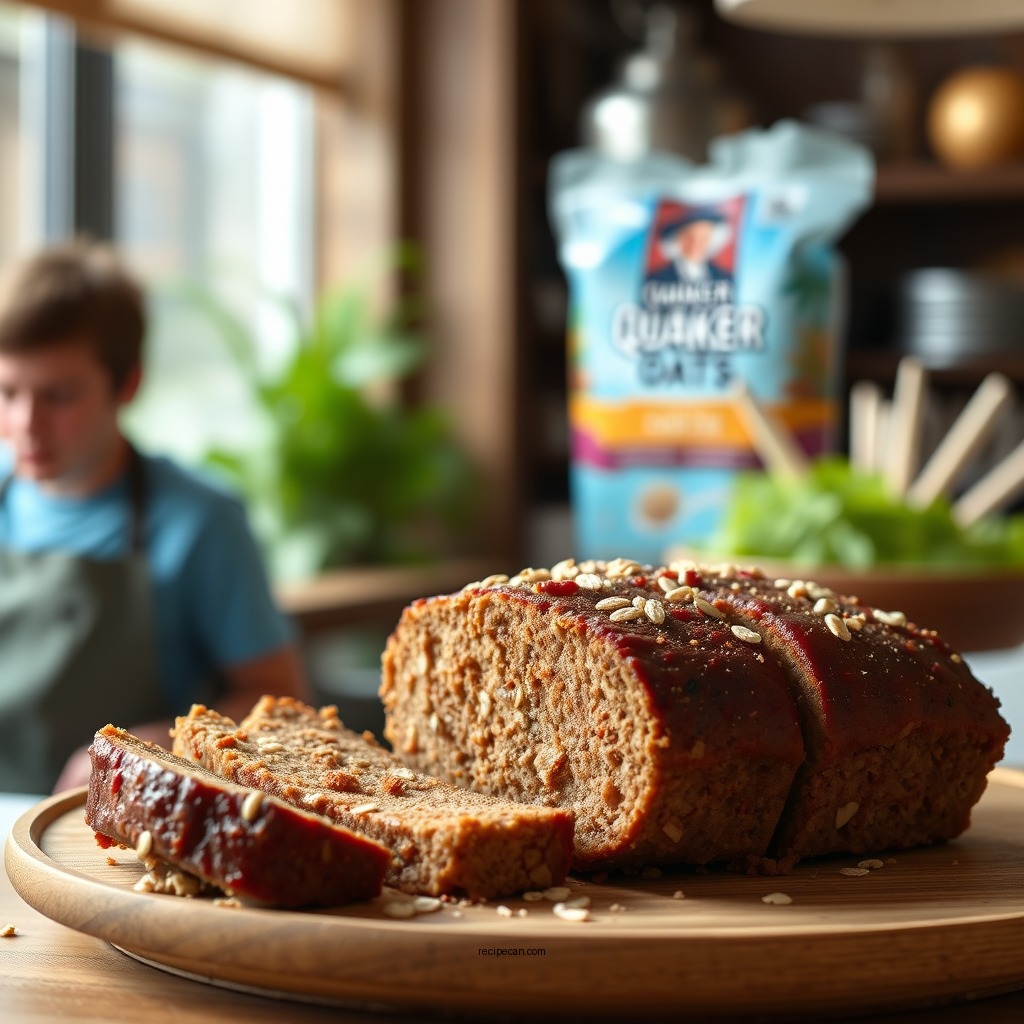
Incorporating Quaker oats into your meatloaf recipe offers several notable benefits. First and foremost, oats serve as an excellent moisture-retaining ingredient. This characteristic is crucial in preventing dryness, which is a common complaint with traditional meatloaf recipes. The oats absorb moisture while cooking, resulting in a juicier and more flavorful dish.
Moreover, Quaker oats are a fantastic source of dietary fiber and essential nutrients. They contain beta-glucans, which are known for their heart health benefits, as well as vitamins and minerals such as iron and magnesium. By adding oats, you’re not just enhancing the taste but also boosting the health benefits of your meal, making it a great option for families looking to eat healthier without sacrificing flavor.
Essential Ingredients for Meatloaf with Quaker Oats
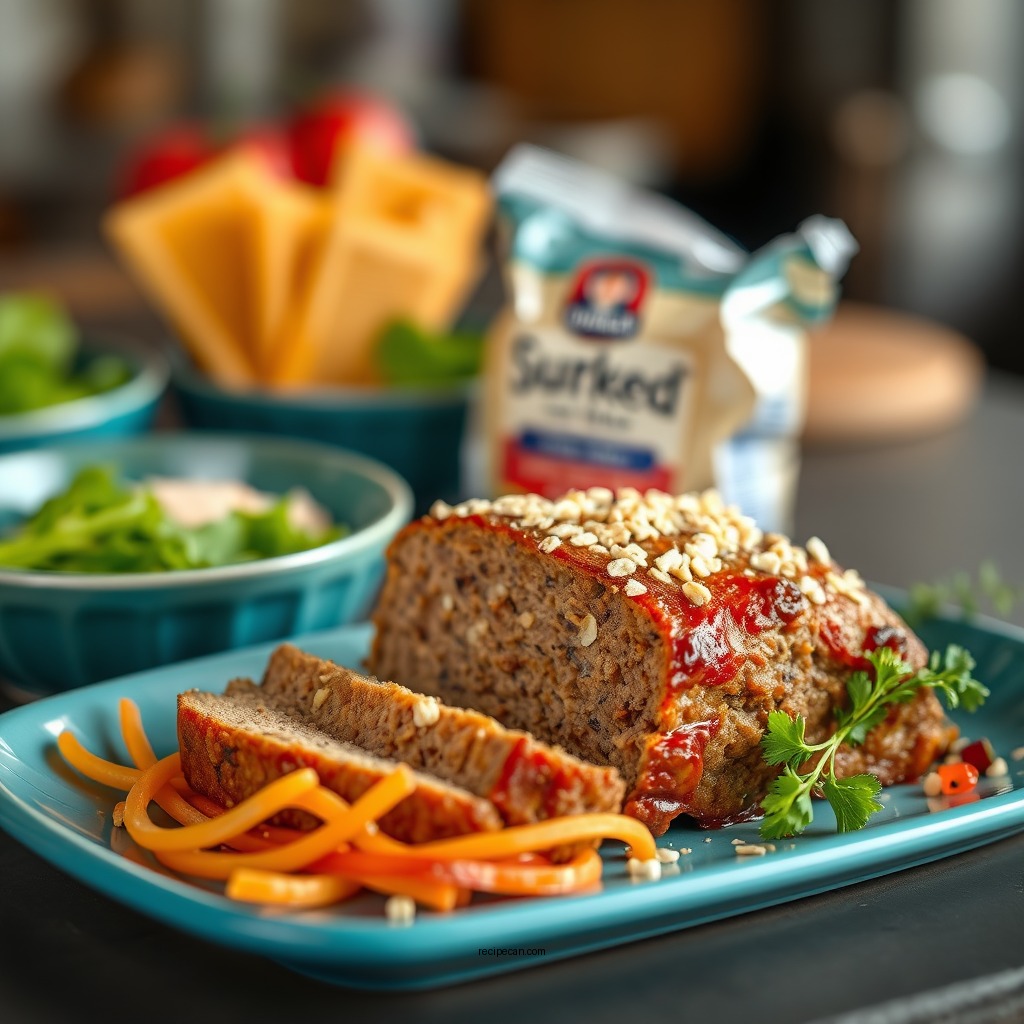
Creating a delicious meatloaf with Quaker oats requires a few essential ingredients. Here is a list of what you’ll need:
– Base Protein: Ground beef or turkey is typically used, depending on your preference for flavor and fat content. Ground turkey offers a leaner option, while ground beef provides a richer taste.
– Quaker Oats: Use rolled oats or quick oats as a binder. They help to hold the meatloaf together while enhancing moisture.
– Eggs: Eggs act as a binding agent, helping to maintain the structure of the meatloaf as it cooks.
– Onion: Diced onions add flavor and moisture. You can also consider sautéing them first to enhance their sweetness and complexity.
– Seasonings: Common seasonings include salt, pepper, garlic powder, and Worcestershire sauce. Feel free to add herbs like parsley or thyme for an additional layer of flavor.
– Toppings: A glaze made of ketchup, brown sugar, or barbecue sauce can be applied before baking for a sticky, flavorful crust.
Step-by-Step Instructions for Preparation
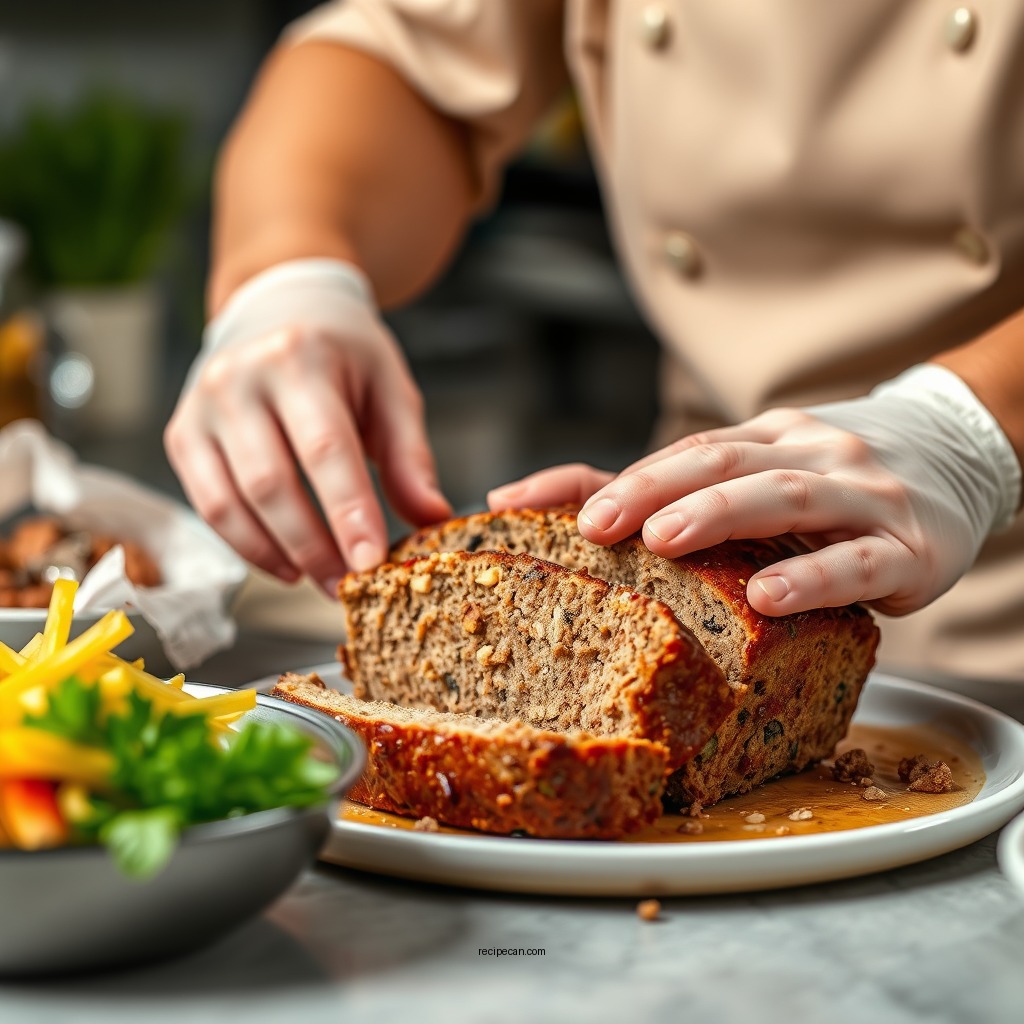
Creating your meatloaf is straightforward. Follow these steps for a delicious outcome:
1. Preheat the Oven: Start by preheating your oven to 350°F (175°C). This ensures even cooking and helps achieve that coveted crust.
2. Prepare Your Baking Dish: Lightly grease a loaf pan or baking sheet to prevent sticking. You can also line it with parchment paper for easier cleanup.
3. Mix Ingredients: In a large mixing bowl, combine the ground beef or turkey, Quaker oats, beaten eggs, diced onions, and all seasonings. Mix until just combined; overmixing can lead to a tough meatloaf.
4. Shape the Loaf: Transfer the mixture into your prepared baking dish. Gently shape it into a loaf, ensuring it is evenly shaped for even cooking.
5. Apply the Topping: If using a glaze, spread it evenly over the top of the meatloaf.
6. Bake: Place the meatloaf in the oven and bake for 1 to 1.5 hours, or until the internal temperature reaches 160°F (71°C).
7. Rest and Serve: Once cooked, let the meatloaf rest for 10-15 minutes before slicing. This resting period allows the juices to redistribute, enhancing the flavor and texture.
Top 7 Nutritional Benefits of Quaker Oats in Meatloaf
| # | Benefit | Nutritional Value | Source |
|---|---|---|---|
| 1 | High Fiber | 4g per 1/2 cup | Quaker Oats |
| 2 | Heart Health | Beta-glucans | American Heart Association |
| 3 | Sustained Energy | Complex Carbohydrates | Nutrition Journal |
| 4 | Weight Management | Helps control appetite | Obesity Reviews |
| 5 | Nutrient-Rich | Vitamins & Minerals | Healthline |
| 6 | Versatile Ingredient | Adaptable in Recipes | Quaker Oats |
| 7 | Cost-Effective | Affordable Nutrition | Consumer Reports |
Tips for Achieving the Perfect Meatloaf
Achieving the perfect meatloaf involves more than just following a recipe; it requires attention to detail. Here are some tips to ensure your meatloaf turns out perfectly every time:
– Use a Meat Thermometer: The most reliable way to determine if your meatloaf is done is by checking its internal temperature. Aim for 160°F (71°C) to ensure it’s safe to eat without overcooking.
– Don’t Overmix: While it’s important to combine the ingredients well, overmixing can lead to a dense meatloaf. Mix just until combined for a lighter texture.
– Rest Before Slicing: Let your meatloaf sit for at least 10-15 minutes after removing it from the oven. This resting period allows the juices to settle, making it easier to slice without falling apart.
Variations and Add-Ins for Your Meatloaf
One of the beauties of meatloaf is its versatility. Here are some ideas for variations and add-ins to elevate your dish:
– Incorporate Vegetables: Adding finely chopped vegetables like bell peppers, carrots, or zucchini can enhance both flavor and nutrition. These additions not only add moisture but also contribute to a more colorful presentation.
– Experiment with Different Proteins: While beef and turkey are common, consider trying ground chicken or even a meatloaf made primarily of plant-based proteins for a vegetarian version.
– Creative Seasonings: Spice things up by adding unique seasonings like smoked paprika, cumin, or even a splash of soy sauce for an Asian twist.
– Toppings: Instead of a classic ketchup glaze, consider using barbecue sauce, a balsamic reduction, or even a cheese topping to add a different flavor profile.
Serving Suggestions for Meatloaf
To create a well-rounded meal, consider these serving suggestions for your meatloaf:
– Classic Pairing: Serve with creamy mashed potatoes and steamed green beans for a comforting and traditional meal. The richness of the potatoes complements the savory meatloaf beautifully.
– Light Options: For a lighter meal, serve slices of meatloaf with a fresh side salad, incorporating greens, tomatoes, and a vinaigrette dressing. This balances the richness of the meatloaf and adds a refreshing crunch.
– Sandwich Style: Leftover meatloaf can be transformed into a delicious sandwich. Slice it thin and serve on whole-grain bread with lettuce, tomato, and your favorite condiment.
Nutritional Comparison of Meatloaf Variations
Storing and Reheating Leftover Meatloaf
If you find yourself with leftover meatloaf, storing and reheating it properly is essential to maintaining its flavor and texture:
– Storing: Allow the meatloaf to cool completely before storing. Place it in an airtight container in the fridge, where it can keep for up to four days. For longer storage, consider freezing it; meatloaf can last in the freezer for up to three months.
– Reheating: To reheat, consider placing slices in a preheated oven at 350°F (175°C) for about 15-20 minutes, or until heated through. Alternatively, you can use a microwave, but be sure to cover the dish to retain moisture.
– Serving Suggestions for Leftovers: Use leftover meatloaf creatively! Consider making meatloaf sandwiches, adding slices to salads, or even crumbling it into sauces for a hearty pasta dish.
By incorporating Quaker oats into your meatloaf recipe, you create a delicious and nutritious meal that appeals to family and friends alike. The steps outlined here will guide you to a successful meatloaf that not only satisfies the palate but also provides essential nutrients. Don’t hesitate to explore variations and serve it in different ways, ensuring that this classic dish remains a staple in your kitchen for years to come.
Frequently Asked Questions
What ingredients do I need for a meatloaf with Quaker oats recipe?
To make a classic meatloaf with Quaker oats, you will need ground beef or turkey, Quaker oats, eggs, onion, garlic, salt, pepper, and your choice of seasonings like Worcestershire sauce or ketchup. Optional ingredients include bell peppers, cheese, or herbs to enhance the flavor and texture of your meatloaf.
How do I prepare Quaker oats for meatloaf?
For meatloaf, you can use Quaker oats directly without cooking them first. Simply mix the oats with the other ingredients in a bowl, allowing them to absorb moisture as the meatloaf cooks in the oven, which helps bind the mixture together while adding fiber and nutrition.
Why should I use Quaker oats in my meatloaf recipe?
Using Quaker oats in your meatloaf recipe not only enhances the texture but also increases the nutritional value by adding fiber and whole grains. Oats help retain moisture during cooking, resulting in a tender and juicy meatloaf that is both satisfying and healthy.
What is the best cooking time and temperature for meatloaf with Quaker oats?
The best cooking time for meatloaf with Quaker oats is typically around 1 hour at 350°F (175°C). Ensure the internal temperature reaches at least 160°F (70°C) for ground beef or 165°F (74°C) for turkey to confirm it is fully cooked and safe to eat.
Which toppings work best for a meatloaf made with Quaker oats?
Popular toppings for meatloaf made with Quaker oats include a glaze of ketchup mixed with brown sugar or a tangy barbecue sauce. You might also consider using a layer of cheese or a sprinkle of herbs on top before baking to add flavor and a delightful crust to your meatloaf.
References
- Meatloaf
https://en.wikipedia.org/wiki/Meat_loaf - https://www.ncbi.nlm.nih.gov/pmc/articles/PMC4701617/
https://www.ncbi.nlm.nih.gov/pmc/articles/PMC4701617/ - Page Not Found – Site Help – Mayo Clinic
https://www.mayoclinic.org/healthy-lifestyle/nutrition-and-healthy-eating/expert-answers/oats/faq-20058044 - https://www.ncbi.nlm.nih.gov/pmc/articles/PMC6480795/
https://www.ncbi.nlm.nih.gov/pmc/articles/PMC6480795/ - https://www.sciencedirect.com/topics/food-science/oat
https://www.sciencedirect.com/topics/food-science/oat - https://www.bbc.co.uk/food/recipes/meatloaf_with_oats_95680
https://www.bbc.co.uk/food/recipes/meatloaf_with_oats_95680 - Dermatomyositis – StatPearls – NCBI Bookshelf
https://www.ncbi.nlm.nih.gov/books/NBK558917/ - Google Scholar Google Scholar
https://scholar.google.com/scholar?q=meatloaf+with+quaker+oats+recipe - Google Scholar Google Scholar
https://scholar.google.com/scholar?q=meatloaf+recipes+with+oats - Google Scholar Google Scholar
https://scholar.google.com/scholar?q=nutritional+benefits+of+oats+in+meatloaf