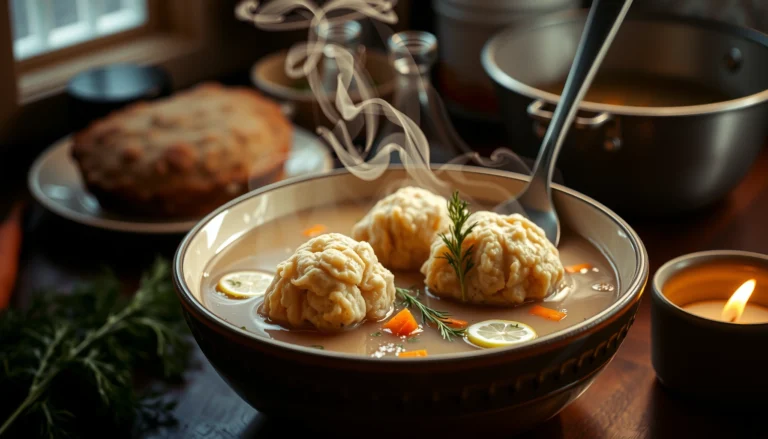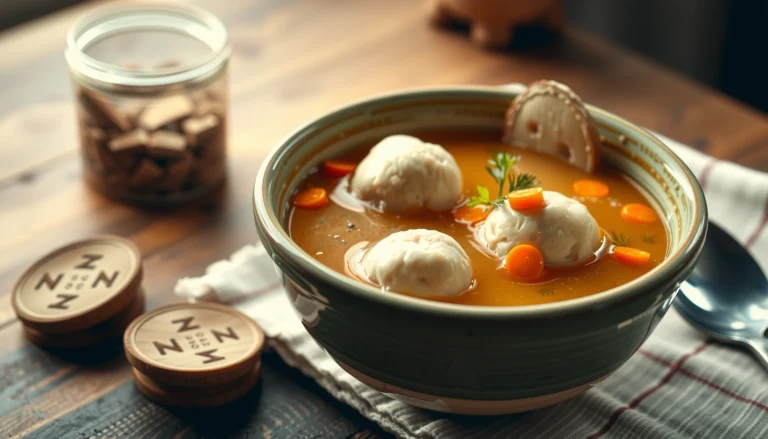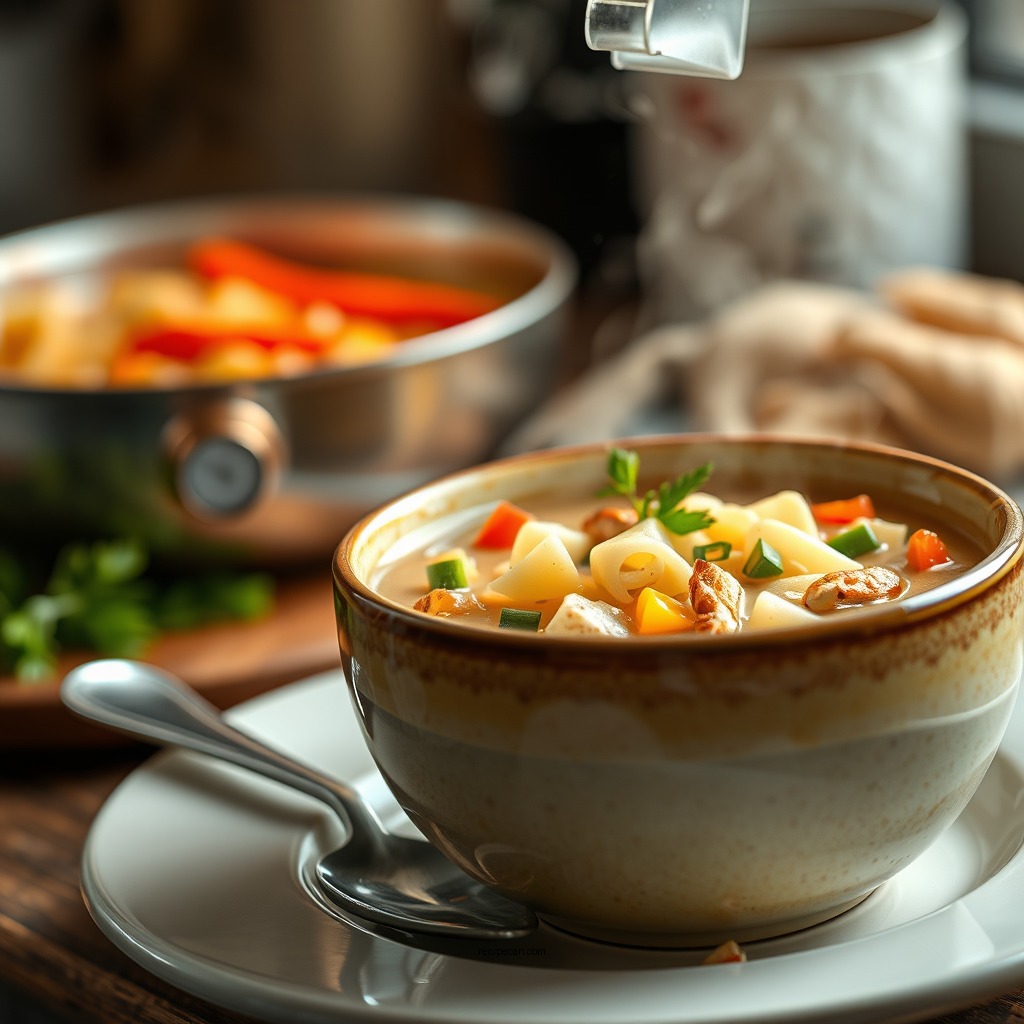
Amy’s no chicken noodle soup recipe offers a comforting, nourishing alternative for those seeking a delicious soup without the chicken. This recipe is perfect for vegetarians, vegans, or anyone wanting a lighter version of the classic dish. In this article, you’ll discover how to create a flavorful soup using wholesome ingredients that still delivers on taste and satisfaction.
As the weather turns chilly or when you’re simply in need of a warm, hearty meal, this recipe stands as an excellent choice. It provides all the familiar flavors and textures of traditional chicken noodle soup while being entirely plant-based, making it accessible to a wider audience.
The Core Ingredients
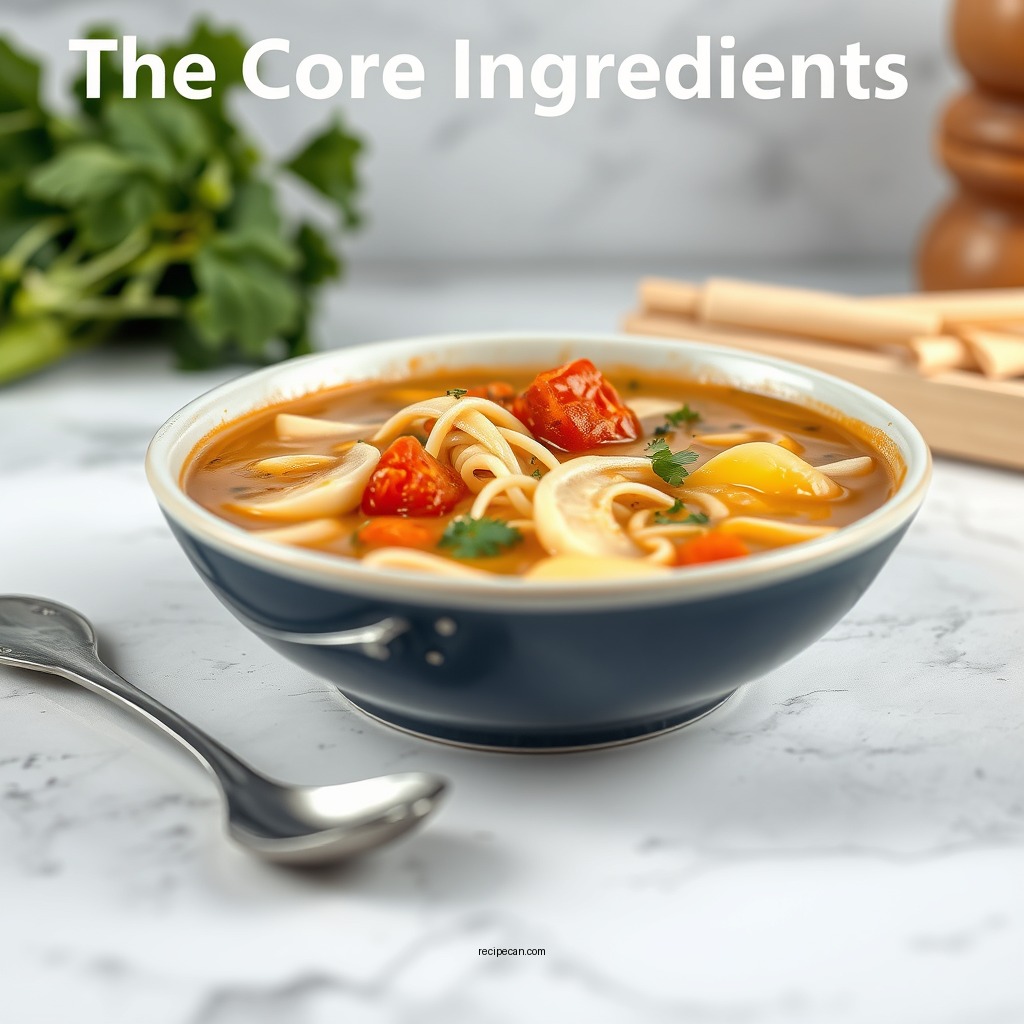
The foundation of any great soup is its ingredients. In Amy’s no chicken noodle soup, vegetable broth serves as the base, providing depth and flavor that can rival traditional chicken broth. Opt for a high-quality, low-sodium vegetable broth to keep the flavors balanced and prevent the soup from becoming overly salty.
In addition to the broth, a variety of vegetables contributes to both the texture and taste. Carrots, celery, and onions are classic choices that add sweetness and crunch. You may also want to consider adding bell peppers for a touch of color and nutrition or mushrooms for an earthy flavor. Fresh or frozen peas can also be included for a pop of sweetness and vibrant color.
Here’s a quick look at some core ingredients:
– Vegetable Broth: Low-sodium for balanced flavor.
– Carrots: Sweetness and color.
– Celery: Crunchy texture.
– Onions: Aromatic base flavor.
– Optional Vegetables: Bell peppers, mushrooms, and peas.
Flavor-Building Techniques

To elevate the taste of your no chicken noodle soup, flavor-building techniques are essential. Fresh herbs such as thyme and parsley not only enhance the aroma but also add a fragrant, fresh note that brightens the entire dish. Thyme, in particular, pairs well with the other ingredients, while parsley adds a subtle hint of bitterness that balances the sweetness of the carrots.
Garlic is another indispensable ingredient. It adds a robust flavor profile that can elevate the soup from simple to extraordinary. Finely chop or mince the garlic and sauté it alongside the onions to release its essential oils.
Spices like black pepper, bay leaves, and even a pinch of red pepper flakes can introduce an additional layer of complexity. A dash of lemon juice or vinegar added at the end can brighten up the soup, making each spoonful incredibly satisfying.
Noodle Options
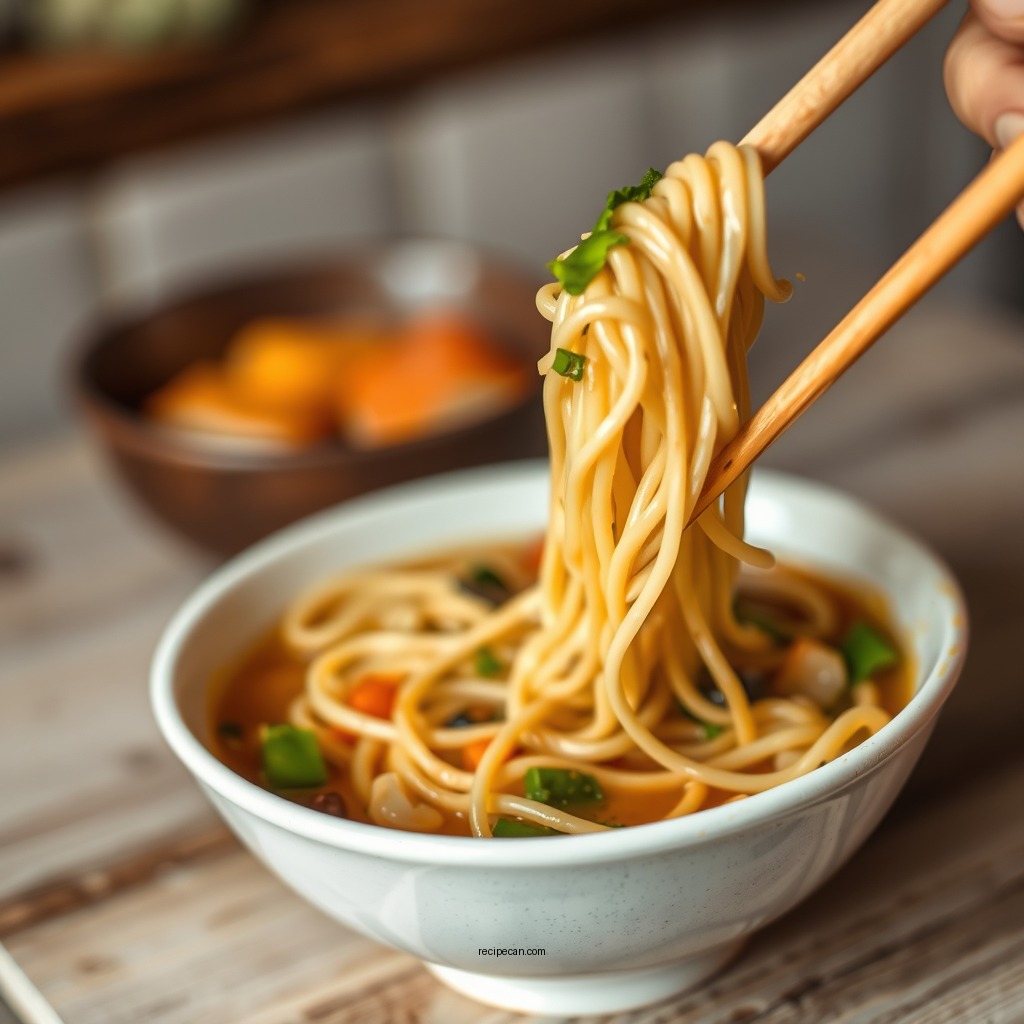
The noodle choice can entirely change the dynamics of your soup. While traditional egg noodles are often used in chicken noodle soup, there are numerous healthier and gluten-free options available:
– Whole Grain Noodles: These offer more fiber and nutrients compared to regular pasta.
– Gluten-Free Noodles: For those with gluten sensitivities, various options made from rice, corn, or quinoa can work wonderfully.
– Zucchini Noodles: A low-carb alternative that adds a fresh twist and can be made easily with a spiralizer.
– Chickpea Pasta: High in protein and fiber, chickpea pasta adds a unique flavor and texture.
Choosing the right noodle not only affects the nutritional value but also the overall experience of the soup.
Cooking Method
The cooking method can significantly impact the flavor and texture of your soup. Begin by sautéing the onions, garlic, carrots, and celery in a large pot over medium heat. This step is crucial as it allows the vegetables to soften while releasing their natural sugars and flavors.
Once the vegetables are tender, add the vegetable broth and bring it to a simmer. This is the point at which you can incorporate your selected noodles. Cooking the noodles directly in the broth allows them to absorb the flavors of the soup, creating a more cohesive dish.
Simmer the soup for about 15-20 minutes, allowing all the ingredients to meld together beautifully. This cooking time not only ensures that the noodles are al dente but also allows the vegetables to maintain some bite, providing a pleasing texture.
Top Vegetables for Soup Nutrition
| # | Vegetable | Calories (per 100g) | Fiber (g) | Vitamin A (%DV) |
|---|---|---|---|---|
| 1 | Carrots | 41 | 2.8 | 184% |
| 2 | Celery | 16 | 1.6 | 12% |
| 3 | Onions | 40 | 1.7 | 0% |
| 4 | Bell Peppers | 20 | 1.7 | 257% |
| 5 | Peas | 81 | 5.7 | 34% |
Serving Suggestions
Presentation plays a vital role in the dining experience, and there are several ways to serve Amy’s no chicken noodle soup. Garnishing with fresh herbs like parsley or thyme not only adds a pop of color but also enhances the freshness of the dish. A squeeze of lemon juice or a drizzle of extra virgin olive oil just before serving can elevate the flavors even further.
Pairing the soup with a side of crusty bread or a light salad can round out the meal. A simple green salad with a vinaigrette or a hearty slice of sourdough bread can complement the soup’s cozy qualities.
For an added touch, consider serving the soup in individual bowls topped with a sprinkle of nutritional yeast or vegan parmesan for a cheesy flavor without the dairy.
Storage and Reheating Tips
If you have leftovers, this soup stores well in the refrigerator. Transfer any unused soup into an airtight container, where it can be kept for up to three days. To reheat, gently warm it on the stove over low heat. This method helps preserve the texture of the noodles and vegetables, preventing them from becoming mushy.
If you plan to freeze the soup, consider storing the noodles separately, as they may become soft upon thawing. When reheating from frozen, allow the soup to thaw in the refrigerator overnight and then heat on the stovetop.
Vegetable Broth vs. Chicken Broth Nutritional Comparison
Amy’s no chicken noodle soup recipe is a warm, inviting dish that’s perfect for any occasion. With its rich flavors and wholesome ingredients, this vegetarian soup will satisfy your cravings for comfort food. Try making it today and enjoy a delightful twist on a classic favorite! Whether you’re adhering to a vegetarian diet or simply looking for a lighter meal option, this soup delivers comfort, taste, and nutrition—all in one bowl.
Frequently Asked Questions
What ingredients are needed for Amy’s No Chicken Noodle Soup recipe?
Amy’s No Chicken Noodle Soup recipe features a blend of wholesome ingredients including organic noodles, carrots, celery, and onions. Additionally, it uses vegetable broth as a base, along with a variety of herbs and spices to enhance flavor, making it a comforting and nutritious alternative to traditional chicken noodle soup.
How do I prepare Amy’s No Chicken Noodle Soup for the best flavor?
To prepare Amy’s No Chicken Noodle Soup for the best flavor, start by sautéing the onions, carrots, and celery in a pot until they are tender. Then, add the vegetable broth and bring to a boil before adding the noodles. Simmer until the noodles are cooked, allowing the herbs to infuse their flavors throughout the soup.
Why is Amy’s No Chicken Noodle Soup considered a healthier option?
Amy’s No Chicken Noodle Soup is considered a healthier option because it is made with organic, plant-based ingredients that are free from artificial preservatives and additives. Additionally, it provides a rich source of vitamins and minerals without the saturated fats typically found in traditional meat-based soups, making it a great choice for those seeking a nutritious meal.
What are the best ways to customize Amy’s No Chicken Noodle Soup?
To customize Amy’s No Chicken Noodle Soup, you can add your favorite vegetables like spinach, kale, or peas for added nutrition. You could also enhance the soup’s flavor with a splash of soy sauce or a sprinkle of nutritional yeast. For a heartier version, consider adding cooked beans or lentils for extra protein.
Which dietary restrictions does Amy’s No Chicken Noodle Soup accommodate?
Amy’s No Chicken Noodle Soup is suitable for various dietary restrictions, as it is both vegan and gluten-free, making it an excellent choice for those following plant-based or gluten-free diets. It is also free from dairy and artificial ingredients, catering to individuals with lactose intolerance or those seeking cleaner food options.
References
- https://en.wikipedia.org/wiki/Chicken_noodle_soup
https://en.wikipedia.org/wiki/Chicken_noodle_soup - https://www.ncbi.nlm.nih.gov/pmc/articles/PMC6413712/
https://www.ncbi.nlm.nih.gov/pmc/articles/PMC6413712/ - https://www.ncbi.nlm.nih.gov/pmc/articles/PMC5698560/
https://www.ncbi.nlm.nih.gov/pmc/articles/PMC5698560/ - Page Not Found – Site Help – Mayo Clinic
https://www.mayoclinic.org/healthy-lifestyle/nutrition-and-healthy-eating/expert-answers/chicken-soup/faq-20058144 - https://www.cdc.gov/healthyweight/healthy_eating/index.html
https://www.cdc.gov/healthyweight/healthy_eating/index.html - Healthy diet
https://www.who.int/news-room/fact-sheets/detail/healthy-diet - Google Scholar Google Scholar
https://scholar.google.com/scholar?q=amy’s+no+chicken+noodle+soup+recipe - Google Scholar Google Scholar
https://scholar.google.com/scholar?q=vegetarian+noodle+soup+health+benefits - Google Scholar Google Scholar
https://scholar.google.com/scholar?q=plant-based+chicken+soup+recipes - https://www.sciencedirect.com/topics/food-science/chicken-noodle-soup
https://www.sciencedirect.com/topics/food-science/chicken-noodle-soup