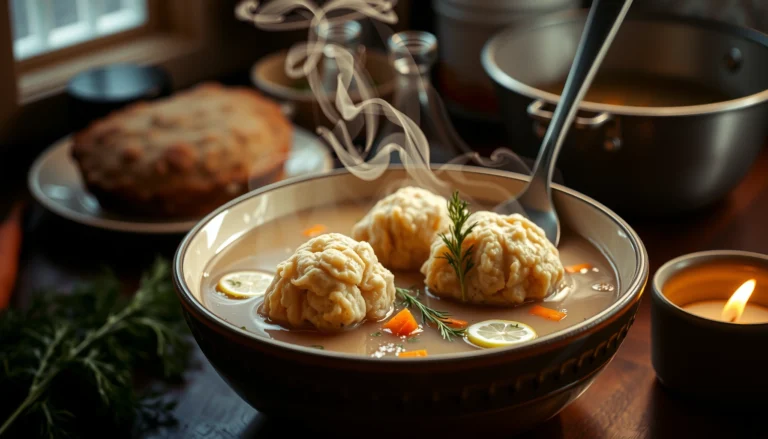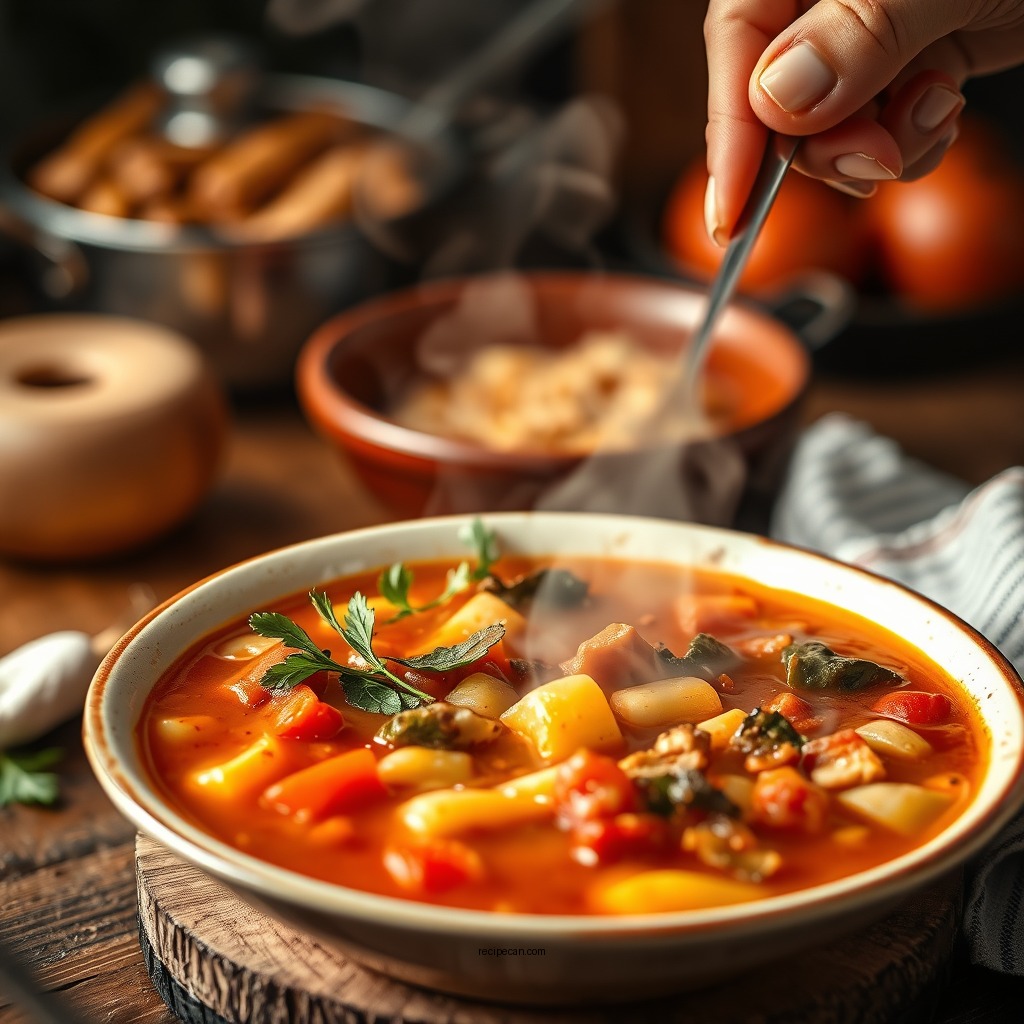
Making Nonna’s minestrone soup is a delightful way to enjoy a hearty, vegetable-rich meal that captures the essence of traditional Italian cooking. This timeless recipe provides a comforting and nutritious option for any meal, showcasing fresh vegetables and beans in a flavorful broth. In this post, you will learn the recipe for this comforting soup, along with tips for customizing it to your taste and ensuring its authenticity.
The Essential Ingredients

To create an authentic minestrone soup, selecting the right ingredients is crucial.
– Fresh Vegetables: The cornerstone of this soup is its vibrant base, which typically includes a variety of fresh vegetables. Common choices are carrots, celery, zucchini, and spinach, which contribute both flavor and nutrition. Seasonal vegetables can also be incorporated, such as green beans or asparagus in spring, and squash or kale in fall.
– Beans: Beans not only add protein but also enhance the soup’s texture. Cannellini beans are a traditional choice, known for their creamy texture, while kidney beans can provide a slightly firmer bite. A combination of both can yield a more complex flavor profile.
– Broth: The choice of broth is pivotal in creating a rich, flavorful liquid. While vegetable broth keeps the soup entirely plant-based, chicken broth can offer a deeper flavor. Opt for low-sodium varieties to control the saltiness, allowing the natural flavors of the vegetables to shine through.
Step-by-Step Preparation
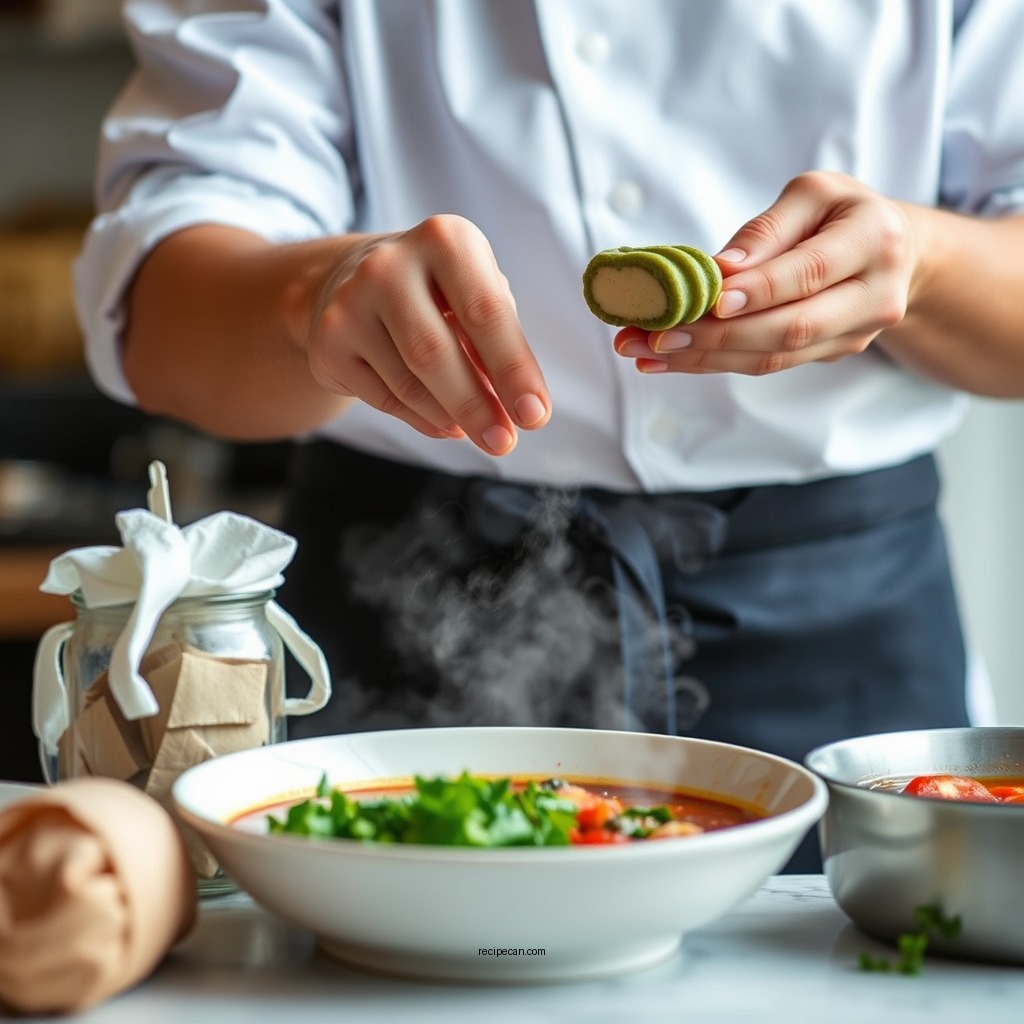
Preparing Nonna’s minestrone soup is straightforward and rewarding.
1. Sauté Aromatics: Begin by heating a drizzle of olive oil in a large pot over medium heat. Add diced onions and minced garlic, sautéing until they become translucent and fragrant. This step builds the aromatic foundation of the soup.
2. Incorporate Vegetables: Next, add the chopped vegetables (carrots, celery, zucchini) to the pot. Cook them until they are slightly softened, which usually takes about 5 to 7 minutes. Stir frequently to ensure even cooking.
3. Add Broth and Beans: Pour in your choice of broth and add the rinsed beans. Bring the mixture to a boil, then reduce the heat to a simmer. This is where the flavors meld together beautifully. Allow the soup to simmer for at least 30 minutes, stirring occasionally.
4. Final Touches: For the last 10 minutes of cooking, incorporate any additional vegetables, such as diced tomatoes or leafy greens. This ensures they remain vibrant and retain some texture. Season the soup with salt, pepper, and fresh herbs like basil and parsley to taste.
Cooking Techniques for Flavor
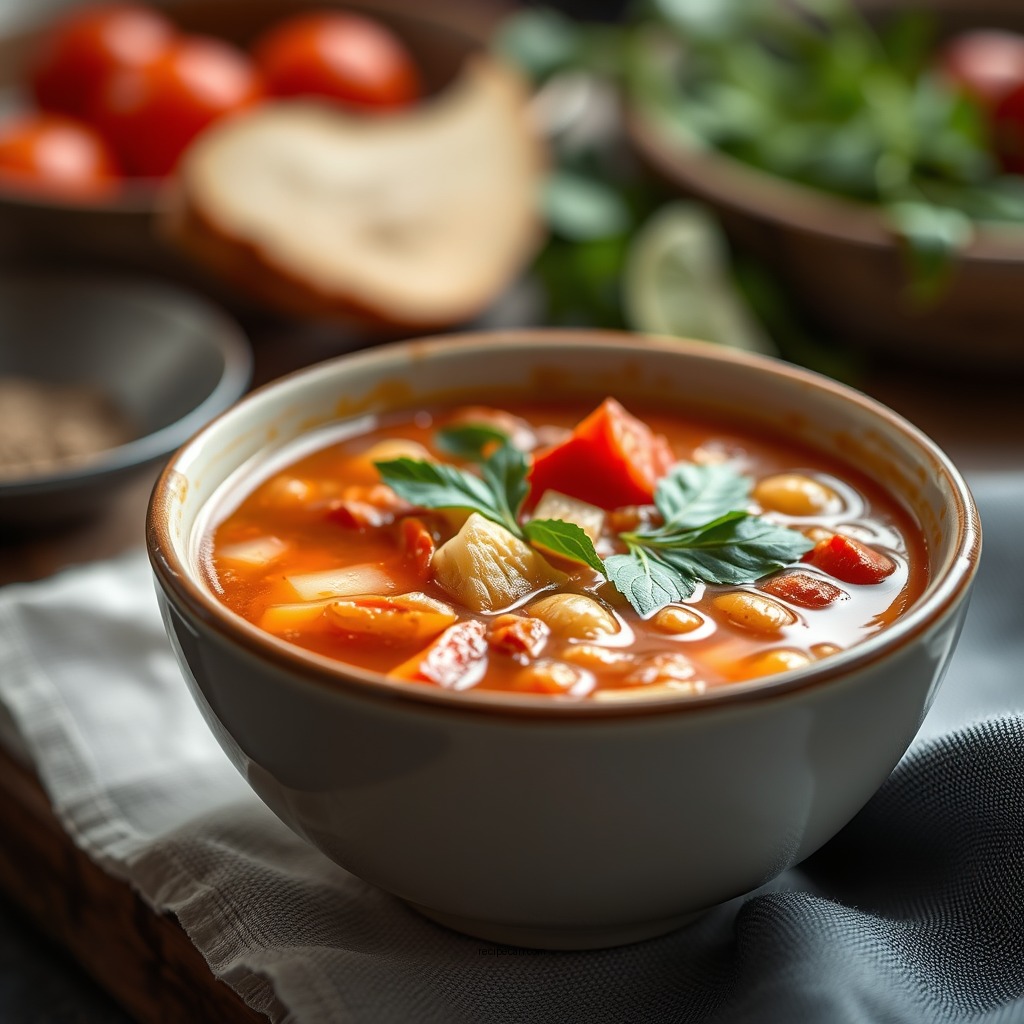
To enhance the flavor of your minestrone, consider these essential cooking techniques:
– Simmering: A slow simmer allows the ingredients to blend harmoniously. The low, gentle heat extracts maximum flavor from the vegetables while maintaining their structure. Aim for at least 30–45 minutes of simmering for the best results.
– Seasoning: Fresh herbs are key to achieving an authentic Italian taste. In addition to basil and parsley, consider adding a bay leaf during the simmering process for added depth. Remember to remove the bay leaf before serving. A splash of balsamic vinegar or a sprinkle of red pepper flakes can also elevate the dish.
Nutritional Breakdown of Nonna’s Classic Minestrone Soup (Per Serving)
| # | Nutrient | Amount | % Daily Value |
|---|---|---|---|
| 1 | Calories | 200 | 10% |
| 2 | Protein | 10g | 20% |
| 3 | Carbohydrates | 35g | 12% |
| 4 | Fat | 5g | 8% |
| 5 | Fiber | 8g | 32% |
| 6 | Sodium | 350mg | 15% |
| 7 | Vitamin A | 50% | 50% |
Customizing Your Minestrone
One of the beautiful aspects of minestrone soup is its versatility. You can easily tailor the recipe to fit your dietary preferences or the ingredients you have on hand.
– Adding Pasta or Rice: For a heartier meal, consider adding small pasta shapes like ditalini or orzo, or even a handful of rice. If using pasta, add it during the last 10 minutes of cooking to ensure it is cooked al dente without becoming mushy.
– Seasonal Variations: Feel free to experiment with seasonal vegetables. In the summer, fresh corn and bell peppers can brighten the soup, while root vegetables like parsnips can add sweetness during the colder months. This adaptability not only keeps the recipe fresh but also allows you to utilize local produce.
Storage and Serving Suggestions
Properly storing and serving your minestrone soup can enhance your dining experience.
– Storage: Leftover soup can be stored in an airtight container in the refrigerator for up to three days. The flavors may deepen as it sits, making it even more enjoyable upon reheating. For longer storage, consider freezing the soup in portions for up to three months. Reheat on the stove or microwave, adding a splash of broth to revive its original consistency.
– Serving Suggestions: Minestrone is best served hot, accompanied by crusty bread or a sprinkle of Parmesan cheese for added richness. A drizzle of high-quality olive oil over the top just before serving can elevate the dish further.
Popularity of Ingredients in Minestrone Soup (Percentage)
Health Benefits of Minestrone Soup
Minestrone soup is not only delicious but also packed with health benefits.
– Nutrient-Rich: The variety of vegetables used in minestrone provides an array of vitamins and minerals. For instance, carrots are high in beta-carotene (Vitamin A), while leafy greens add iron and Vitamin K.
– Low in Calories: This soup is low in calories yet filling, making it an excellent choice for those looking to maintain a healthy diet without sacrificing satisfaction. The fiber content from beans and vegetables aids digestion and promotes a feeling of fullness, which can be beneficial for weight management.
– Versatile and Seasonal: By using seasonal ingredients, minestrone can be a year-round healthful option. The ability to customize the recipe ensures that you can incorporate whatever fresh produce is available, maximizing its nutritional value.
In summary, Nonna’s Classic Minestrone Soup is a hallmark of Italian cuisine that brings warmth and comfort to the table. With its vibrant ingredients, simple preparation, and numerous health benefits, it’s a dish that resonates with family traditions while allowing for personal touches. We encourage you to try this recipe at home, share your experiences, and adapt it to reflect your taste preferences. Enjoy the nourishing experience of cooking and savoring this classic dish that has delighted generations!
Frequently Asked Questions
What ingredients are essential for a traditional nonna’s minestrone soup recipe?
A traditional nonna’s minestrone soup recipe typically includes seasonal vegetables such as carrots, celery, zucchini, and tomatoes. Additionally, incorporating beans, pasta, and a rich vegetable or chicken broth enhances the flavor. Fresh herbs like basil and parsley are also key for that authentic taste.
How can I make nonna’s minestrone soup recipe vegetarian-friendly?
To create a vegetarian version of nonna’s minestrone soup, simply use a vegetable broth instead of chicken broth. Also, ensure that any pasta used is egg-free. You can add more beans and vegetables like kale or spinach for extra protein and nutrients.
Why is nonna’s minestrone soup considered a comfort food?
Nonna’s minestrone soup is considered a comfort food because it is hearty, warming, and packed with nutritious ingredients that promote a sense of well-being. The rich flavors and aromas evoke feelings of home and family, making it a beloved dish in Italian households.
What is the best way to store and reheat nonna’s minestrone soup?
The best way to store nonna’s minestrone soup is in an airtight container in the refrigerator for up to five days. For reheating, gently warm it on the stovetop, adding a splash of broth if the soup has thickened. This method preserves the flavors and texture of the ingredients.
Which variations can I try to enhance my nonna’s minestrone soup recipe?
To enhance your nonna’s minestrone soup recipe, consider adding seasonal ingredients like sweet corn or leafy greens for extra flavor and nutrition. You can also experiment with spices such as rosemary or thyme, or even add a splash of balsamic vinegar for depth.
References
- Minestrone
https://en.wikipedia.org/wiki/Minestrone - https://www.nytimes.com/recipes/1011004/minestrone-soup.html
https://www.nytimes.com/recipes/1011004/minestrone-soup.html - https://www.health.harvard.edu/staying-healthy/the-health-benefits-of-soup
https://www.health.harvard.edu/staying-healthy/the-health-benefits-of-soup - https://www.ncbi.nlm.nih.gov/pmc/articles/PMC6345175/
https://www.ncbi.nlm.nih.gov/pmc/articles/PMC6345175/ - Page Not Found – Site Help – Mayo Clinic
https://www.mayoclinic.org/healthy-lifestyle/nutrition-and-healthy-eating/expert-answers/soup-and-heart-health/faq-20058110 - https://www.sciencedirect.com/topics/food-science/minestrone
https://www.sciencedirect.com/topics/food-science/minestrone - Google Scholar Google Scholar
https://scholar.google.com/scholar?q=nonna’s+minestrone+soup+recipe - Google Scholar Google Scholar
https://scholar.google.com/scholar?q=minestrone+soup+nutritional+benefits - Google Scholar Google Scholar
https://scholar.google.com/scholar?q=traditional+minestrone+soup+recipe - nonna’s minestrone soup recipe – Search results
https://en.wikipedia.org/wiki/Special:Search?search=nonna’s+minestrone+soup+recipe