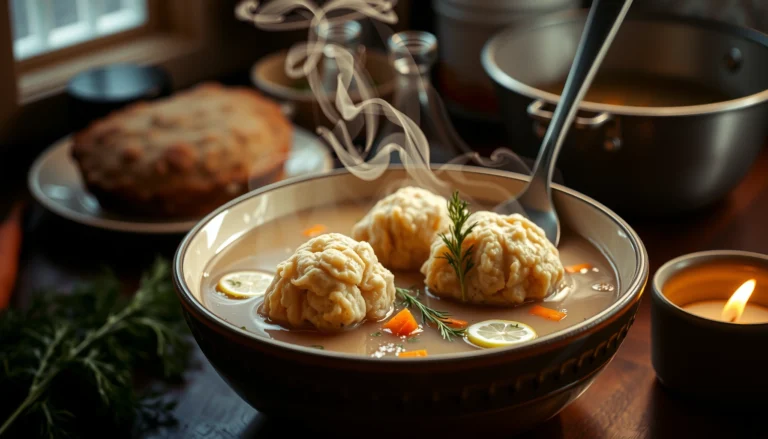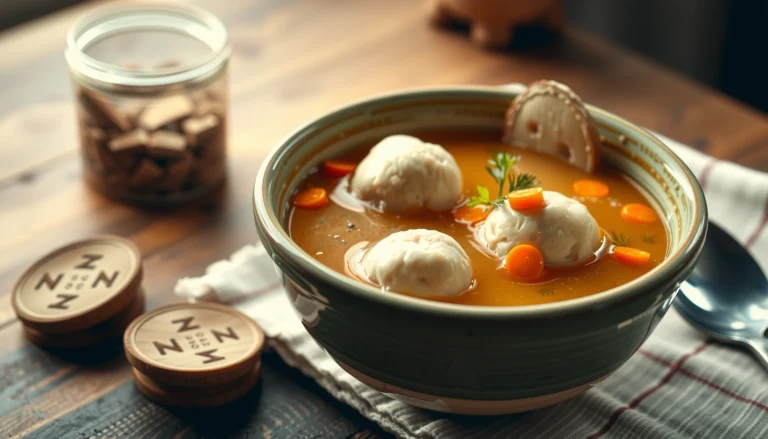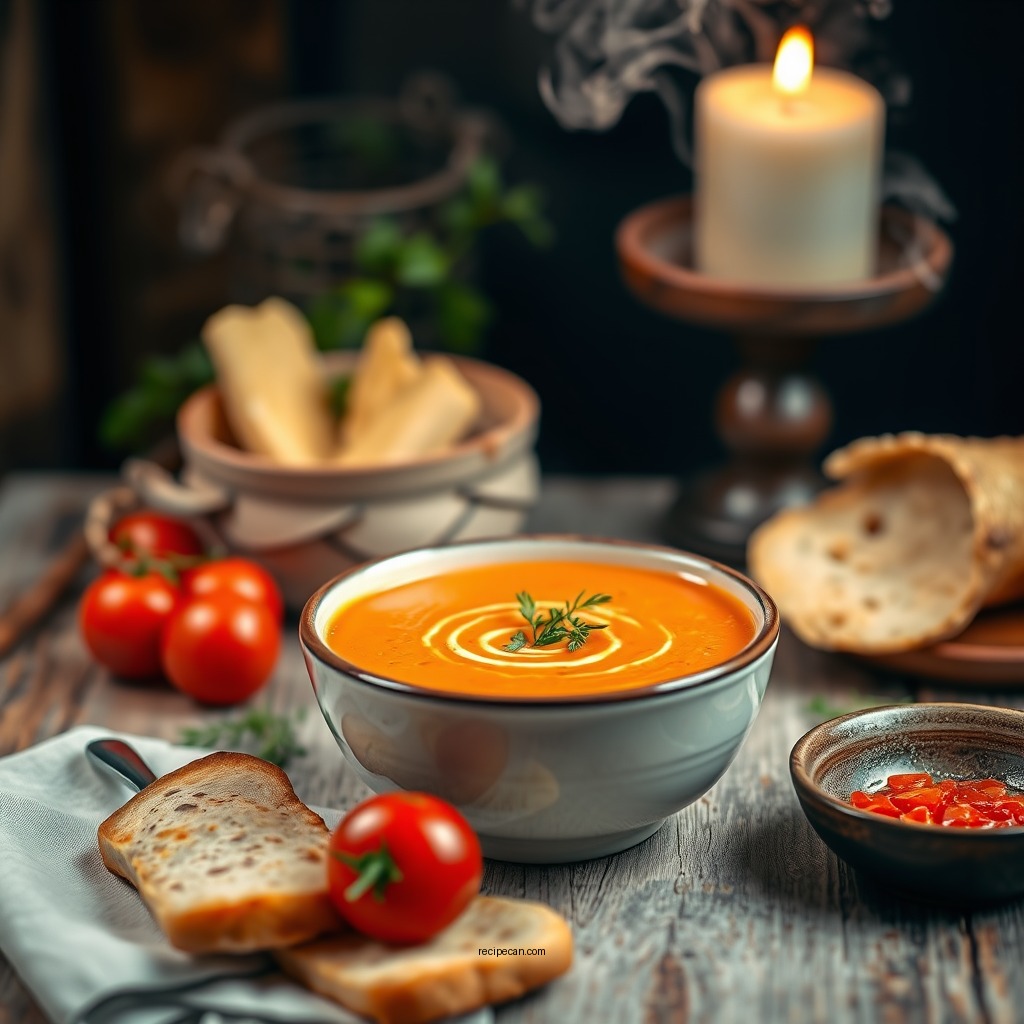
The perfect medieval-style tomato bisque soup combines rich flavors and historical ingredients to create a comforting dish reminiscent of the past. This recipe invites you to experience a taste of history while enjoying the warm, velvety texture of a classic bisque. By utilizing ingredients that echo medieval culinary practices, you can craft a delightful soup that balances authenticity with modern convenience.
Historical Context of Tomato Bisque
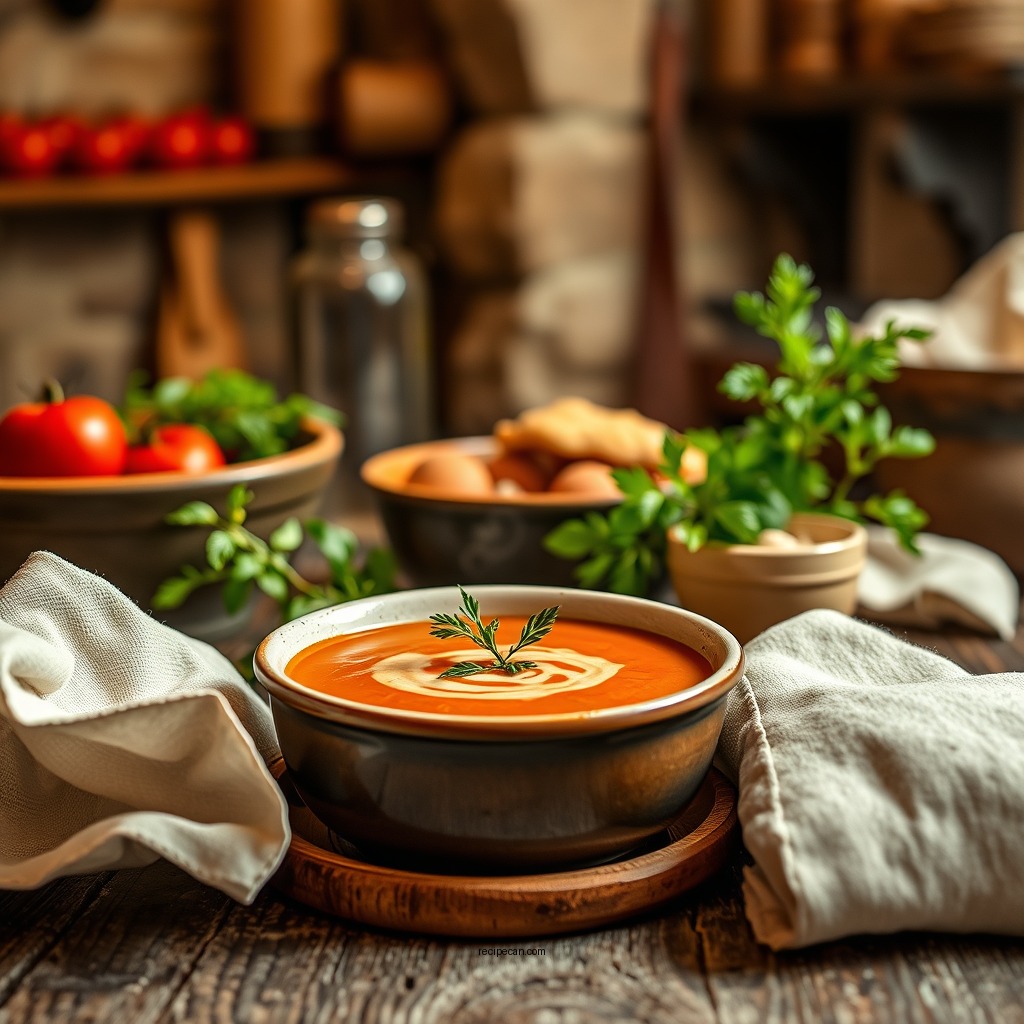
Tomatoes were introduced to Europe only in the 16th century, meaning that during the medieval period, cooks had to rely on other vegetables to create their soups. The term “bisque” itself evolved from the traditional seafood soups of the coastal regions, often made with shellfish and thickened with rice. Understanding the transformation of bisque from its origins in the medieval kitchen to the creamy tomato versions we know today allows for a deeper appreciation of this dish.
The evolution of tomato bisque illustrates the culinary shifts influenced by exploration, trade, and agriculture. As tomatoes became popular in European cuisine, they gradually found their way into bisque recipes, enriching the flavor profile and texture. Today, this historical context not only enhances our culinary experience but also serves as a reminder of how food reflects cultural and agricultural advancements.
Ingredients for Medieval Tomato Bisque
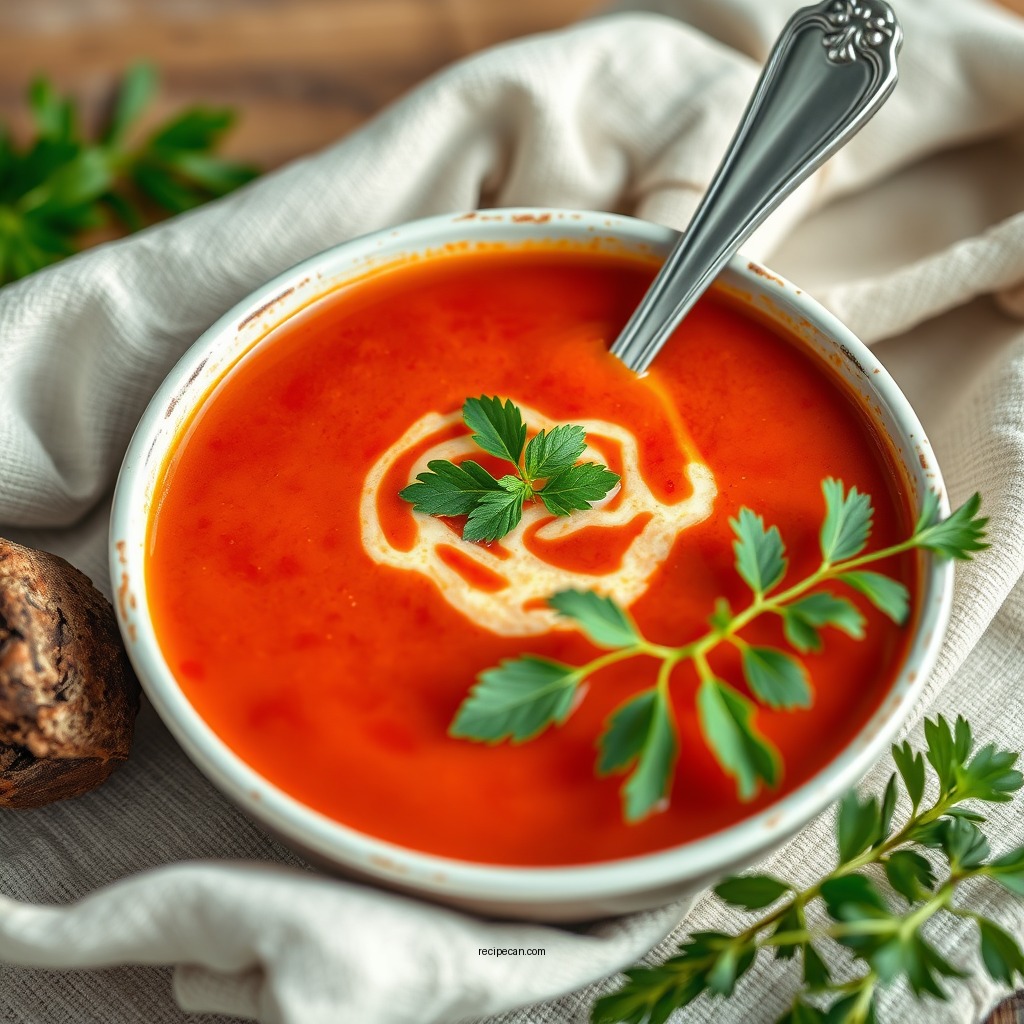
To recreate a medieval-style tomato bisque, gather the following ingredients, which emphasize authenticity while being easy to find in modern kitchens:
– Ripe Tomatoes: Use fresh, in-season tomatoes for the best flavor. If unavailable, canned tomatoes can substitute.
– Onions: A staple in medieval cooking, onions add sweetness and depth.
– Garlic: Essential for flavor, garlic was commonly used in medieval recipes.
– Herbs: Fresh basil or thyme can elevate the dish. In medieval times, herbs like parsley and sage were popular.
– Spices: Black pepper and nutmeg are traditional spices that can enhance the bisque’s flavor.
– Vegetable Broth: A rich broth serves as the base; homemade is preferred, but store-bought can also work.
– Cream: For a modern touch, incorporate heavy cream or a dairy alternative for richness.
If you’re looking to maintain an authentic flavor while making modern substitutions, consider using smoked paprika or saffron for a unique twist.
Preparation Steps
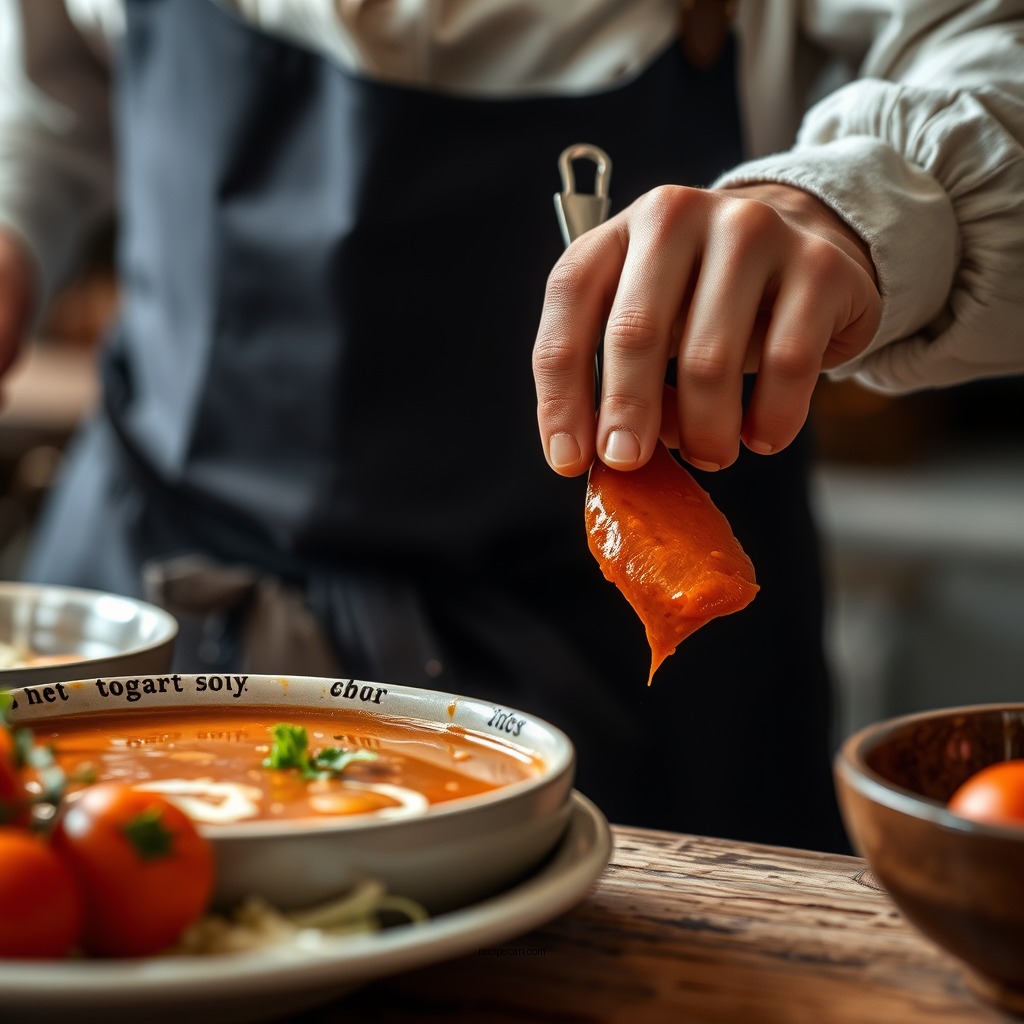
Creating a delicious tomato bisque involves several careful steps to ensure the flavors meld properly. Follow these instructions for a smooth and rich soup:
1. Sauté Aromatics: In a large pot, heat olive oil over medium heat. Add chopped onions and minced garlic, sautéing until translucent and fragrant.
2. Add Tomatoes: Incorporate diced ripe tomatoes, stirring to combine. Cook for about 5-7 minutes until they begin to break down.
3. Pour in Broth: Add vegetable broth to the pot, then bring the mixture to a simmer. Allow the soup to simmer for at least 20 minutes, which enhances the flavors.
4. Season: Add salt, pepper, and your choice of herbs and spices. Taste and adjust seasoning as necessary.
5. Blend: Using an immersion blender, puree the soup until smooth. Alternatively, carefully transfer to a blender and blend in batches.
6. Finish with Cream: Return the soup to the pot, and stir in cream. Heat gently before serving.
Be sure to allow the soup to simmer adequately; this step is crucial for developing a rich, layered flavor. The blending process should also be done carefully to achieve the desired smooth texture that is characteristic of a bisque.
Herbs and Spices for Flavoring Tomato Bisque
| # | Herb/Spice | Flavor Profile | Usage in Medieval Times |
|---|---|---|---|
| 1 | Thyme | Earthy, minty | Commonly used for seasoning |
| 2 | Basil | Sweet, aromatic | Used in sauces and soups |
| 3 | Sage | Warm, slightly peppery | Popular in meats and broths |
| 4 | Garlic | Pungent, savory | Widely used for flavoring |
| 5 | Black Pepper | Pungent, spicy | Commonly used spice |
| 6 | Nutmeg | Warm, sweet | Used in sweet and savory dishes |
| 7 | Parsley | Fresh, slightly bitter | Used for garnishing and flavoring |
Flavoring and Seasoning Techniques
The flavor profile of your tomato bisque can be significantly enhanced by the thoughtful use of herbs and spices. Garlic, rosemary, and black pepper are essential for building layers of flavor. In medieval times, cooks often relied on their local flora to spice their dishes, using herbs that were readily available and known for their medicinal properties.
Garlic not only adds a pungent aroma but also works as a natural preservative, while rosemary provides a woodsy flavor that complements the sweetness of tomatoes. Moreover, adding a dash of nutmeg can impart a warm undertone that elevates the overall taste. As you experiment with your bisque, consider incorporating these historical insights to create unique flavor combinations that reflect the essence of medieval cooking.
Serving Suggestions
The presentation of your tomato bisque can enhance the dining experience, making it feel even more special. Here are some garnishing ideas that align with a medieval aesthetic:
– Croutons: Homemade croutons, seasoned with herbs, can provide a delightful crunch against the smooth bisque.
– Cream Drizzle: A swirl of cream on top adds a touch of elegance, while also enhancing the dish’s richness.
– Fresh Herbs: A sprinkle of freshly chopped basil or parsley not only adds color but also a fresh flavor contrast.
For a complete meal experience, consider pairing your bisque with rustic bread or a selection of cheeses typical of the medieval era, such as aged cheddar or a creamy goat cheese. These pairings not only complement the soup but also transport your dining experience back in time.
Modern Adaptations of the Recipe
While this recipe captures the essence of medieval cooking, there is room for creative adaptations that cater to modern palates. Here are some ideas to innovate your tomato bisque:
– Roasted Vegetables: Adding roasted bell peppers or carrots can enhance the sweetness and complexity of the soup.
– Wine: A splash of red or white wine can add depth. Allow it to simmer alongside the tomatoes for a richer flavor.
– Spicy Kick: For those who enjoy heat, consider adding a pinch of red pepper flakes or a dash of hot sauce.
These adaptations provide an opportunity for culinary exploration while still respecting the traditional elements of the dish. Feel free to experiment with different cooking methods, such as roasting the tomatoes before adding them to the soup for a deeper flavor profile.
Nutritional Benefits of Key Ingredients in Tomato Bisque
Nutritional Benefits of Tomato Bisque
Tomato bisque not only delights the palate but also offers numerous health benefits. Tomatoes are rich in vitamins such as Vitamin C, which boosts the immune system, and Vitamin K, which is essential for bone health. They also contain powerful antioxidants, including lycopene, which has been linked to reducing the risk of chronic diseases.
Incorporating traditional ingredients like garlic and herbs enhances the nutritional profile. Garlic is known for its anti-inflammatory and antimicrobial properties, while herbs contribute essential nutrients and antioxidants. The inclusion of cream, while higher in fat, provides essential fatty acids that can be beneficial in moderation.
By understanding the health benefits of the ingredients used in your bisque, you can enjoy this dish as part of a balanced diet, making it not just a comforting meal but also a nourishing choice.
Summarizing the historical richness and delightful flavors of tomato bisque, this recipe invites you to step into the medieval kitchen. Gather your ingredients, follow the steps, and enjoy a taste of history in your own home. Don’t forget to share your culinary creations and let others experience the magic of medieval cooking!
Frequently Asked Questions
What ingredients were commonly used in a medieval tomato bisque soup recipe?
In medieval times, tomato bisque soup would typically feature ingredients such as fresh tomatoes, onions, garlic, and herbs like thyme and parsley. However, it’s important to note that tomatoes were not introduced to Europe until the late 15th century, so early recipes may have utilized other vegetables and spices that were available, such as carrots, leeks, and pepper.
How can I recreate an authentic medieval tomato bisque soup at home?
To recreate an authentic medieval tomato bisque soup, start by roasting fresh tomatoes to enhance their flavor, then blend them with sautéed onions, garlic, and a mix of herbs. For a creamy texture reminiscent of the bisque style, incorporate a splash of cream or a medieval alternative like almond milk, and serve with crusty bread for a complete meal.
Why is tomato bisque soup considered a popular dish from medieval times?
Tomato bisque soup became popular due to its rich flavor and the versatility of tomatoes, which can be combined with various herbs and spices. The creamy consistency and comforting warmth of the soup made it a staple during feasts and gatherings, reflecting the medieval culinary trend of using fresh, seasonal ingredients to create hearty meals.
What are the best herbs to use in a medieval-style tomato bisque soup?
The best herbs for a medieval-style tomato bisque soup include thyme, which adds earthiness, and parsley, known for its bright flavor. Other good options are basil and marjoram, as they complement the sweetness of the tomatoes while echoing the herb usage typical of medieval cooking.
Which cooking techniques were used in medieval recipes for tomato bisque soup?
Medieval recipes for tomato bisque soup often utilized techniques such as roasting, simmering, and blending to create depth of flavor. Ingredients would be roasted to caramelize their natural sugars, then simmered in broth or water to develop a rich base, before being blended for a smooth consistency typical of a bisque.
References
- Tomato soup
https://en.wikipedia.org/wiki/Tomato_soup - https://www.bbc.co.uk/food/recipes/tomato_bisque_50083
https://www.bbc.co.uk/food/recipes/tomato_bisque_50083 - https://www.sciencedirect.com/topics/food-science/tomato-soup
https://www.sciencedirect.com/topics/food-science/tomato-soup - https://www.ncbi.nlm.nih.gov/pmc/articles/PMC2683865/
https://www.ncbi.nlm.nih.gov/pmc/articles/PMC2683865/ - https://www.nature.com/articles/s41598-021-95198-7
https://www.nature.com/articles/s41598-021-95198-7 - https://pubmed.ncbi.nlm.nih.gov/21093138/
https://pubmed.ncbi.nlm.nih.gov/21093138/ - Google Scholar Google Scholar
https://scholar.google.com/scholar?q=tomato+bisque+soup+recipe+medieval+times - Google Scholar Google Scholar
https://scholar.google.com/scholar?q=medieval+cuisine+tomato+recipes - Google Scholar Google Scholar
https://scholar.google.com/scholar?q=historical+recipes+tomato+soup - Soup | Types & Preparation | Britannica
https://www.britannica.com/topic/soup