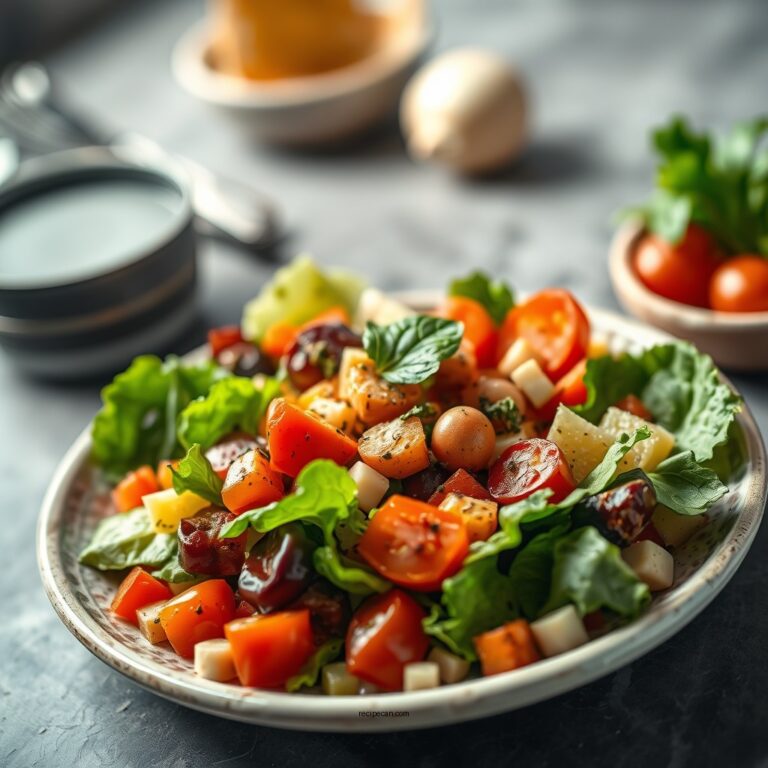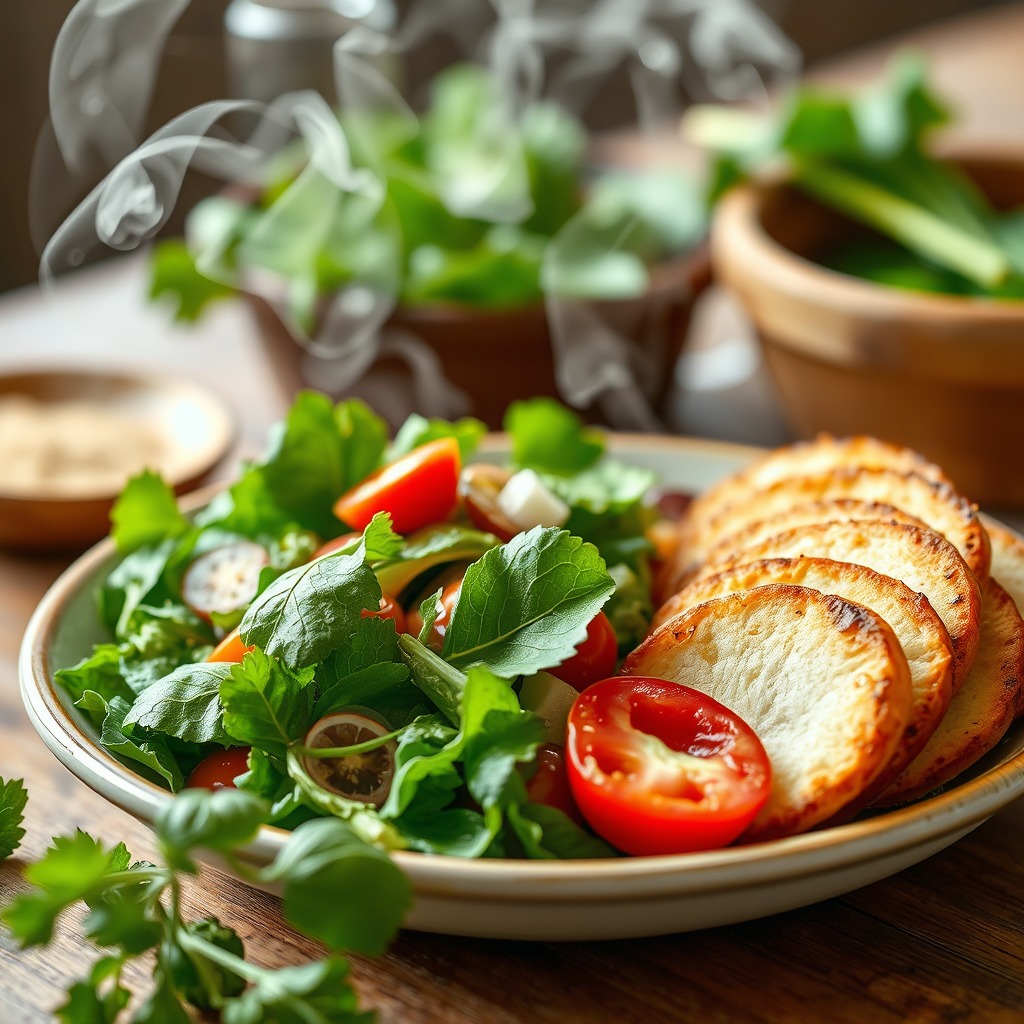
Eating a long life salad rich in nutrients can significantly boost your health and longevity. This vibrant salad is packed with ingredients that support overall well-being while being delicious and satisfying. In this article, you’ll learn how to create a long life salad that not only tastes great but also fuels your body with essential vitamins and minerals. With a delightful combination of leafy greens, colorful vegetables, healthy fats, and proteins, this salad is designed to nourish your body and enhance your quality of life.
The Key Ingredients for Longevity
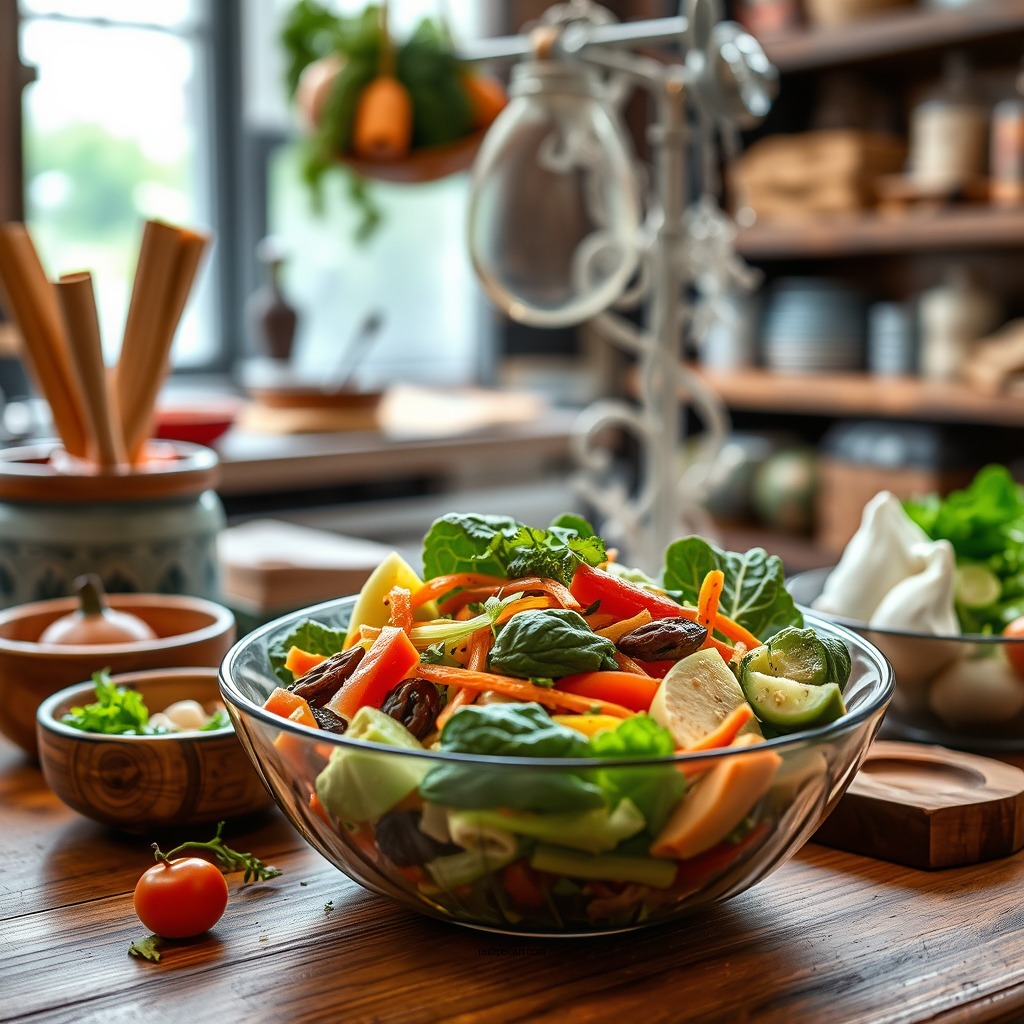
When crafting a long life salad, the ingredients you choose are paramount. Leafy greens such as spinach, kale, and arugula are excellent foundations due to their high nutrient density. These greens are rich in antioxidants, vitamins A, C, and K, and essential minerals like calcium and iron. Antioxidants work to combat oxidative stress, which is linked to aging and various chronic diseases.
In addition to leafy greens, incorporating healthy fats is crucial. Foods like avocados and nuts (such as almonds and walnuts) not only enhance flavor but also promote heart health by improving cholesterol levels and nutrient absorption. Healthy fats are essential for the body’s absorption of fat-soluble vitamins and play a significant role in brain health and hormone regulation.
Preparing Your Base: The Salad Greens
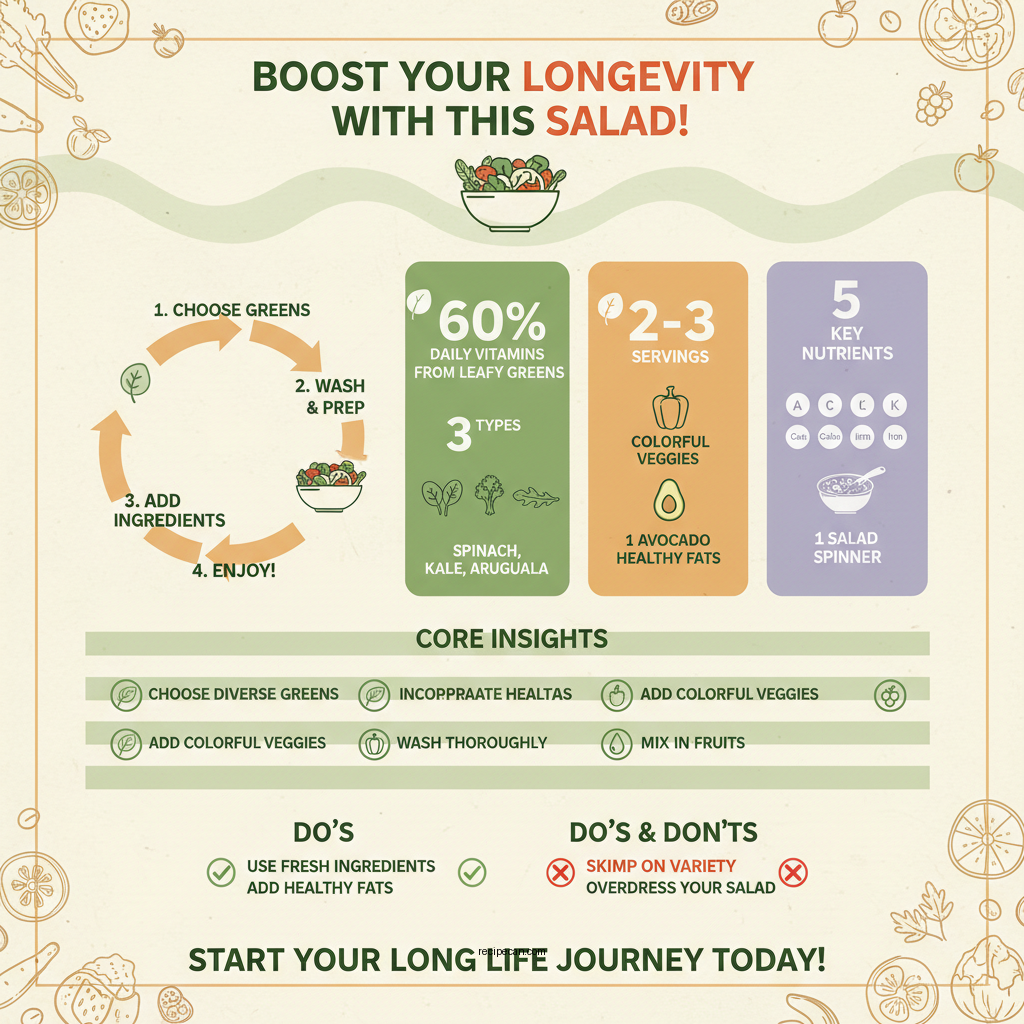
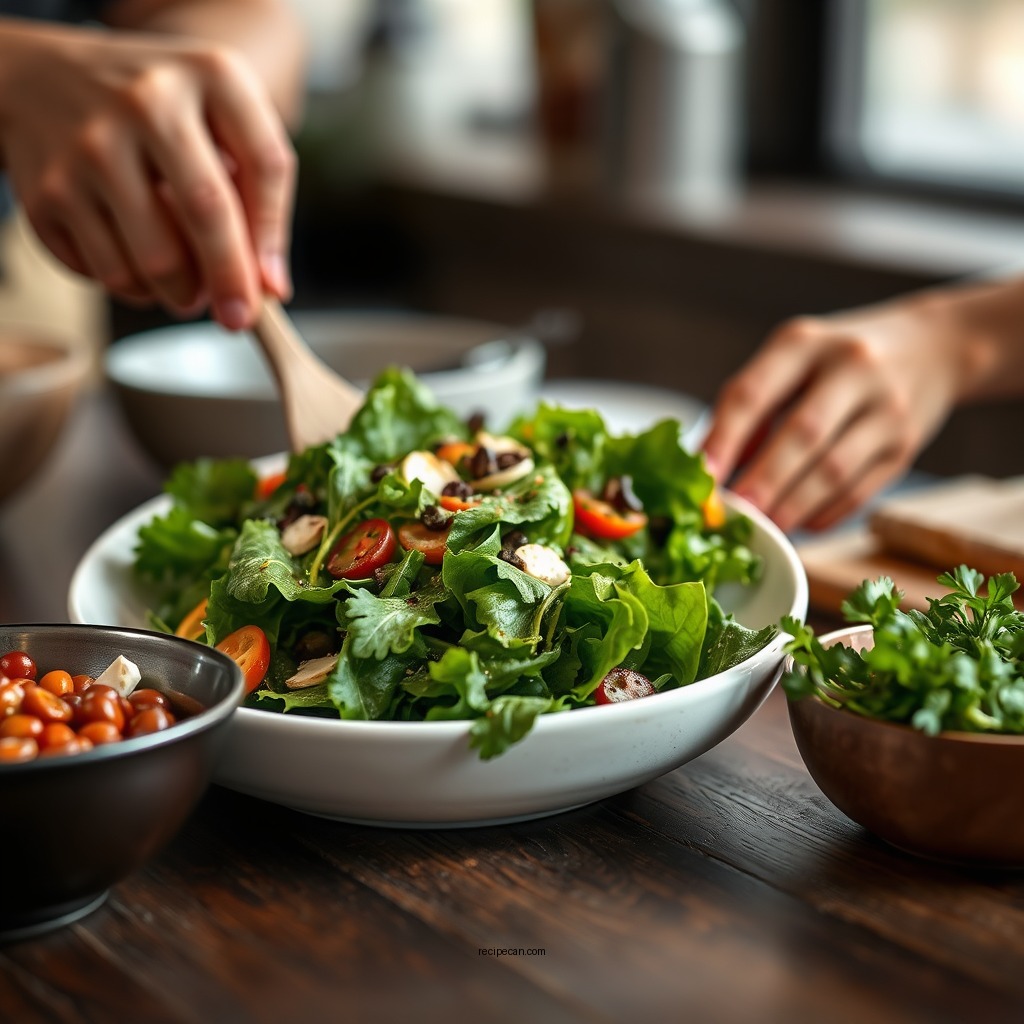
The base of your long life salad should consist of a mix of greens to provide a variety of flavors and textures. Spinach offers a mild, slightly sweet taste, while kale adds a robust, earthy flavor. Arugula introduces a peppery note that can elevate the overall taste profile of the salad.
When preparing your greens, wash and dry them thoroughly. A salad spinner can be an invaluable tool in this process, ensuring that your greens remain crisp and free from excess moisture. Freshly prepared greens will enhance the salad’s texture and prevent it from becoming soggy.
Adding Color and Flavor: Vegetables and Fruits
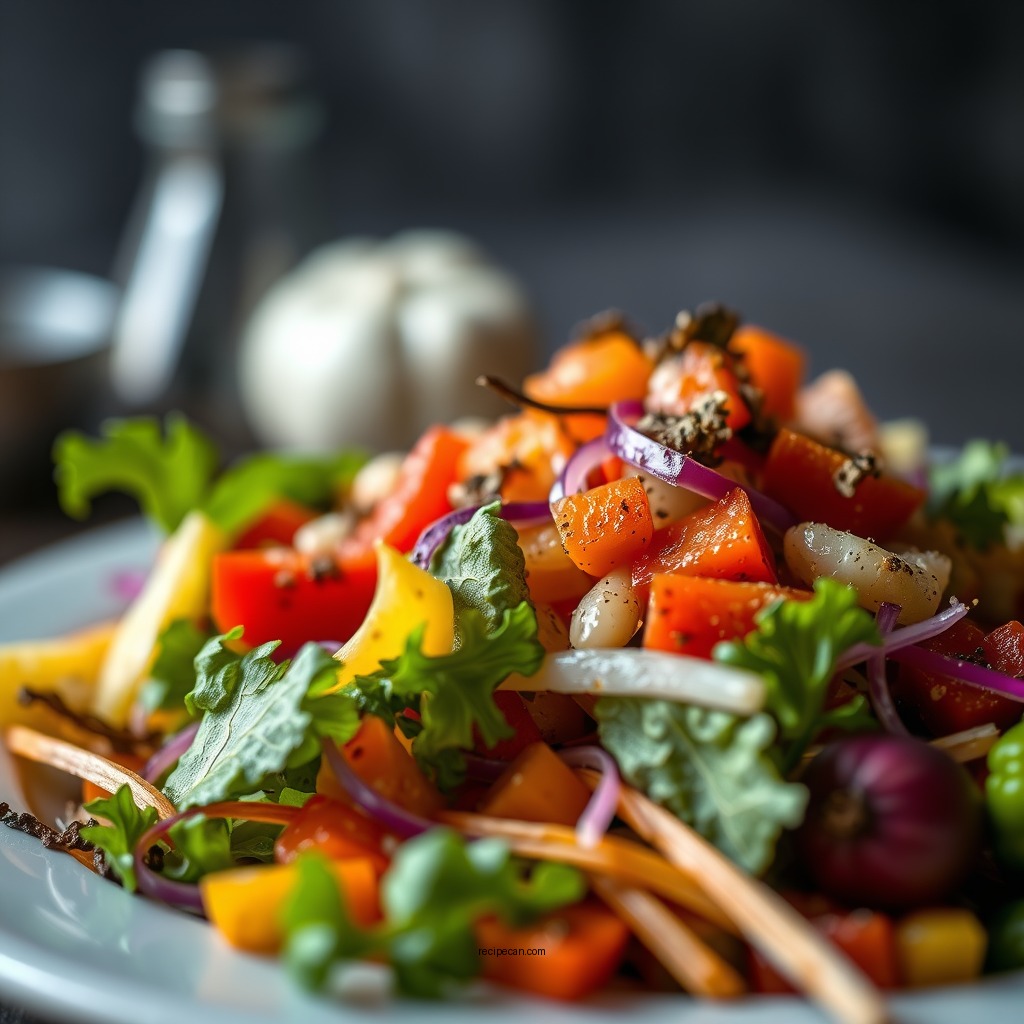
Colorful vegetables are not only visually appealing; they’re also packed with vitamins and phytonutrients that contribute to health and longevity. Bell peppers, for example, are rich in vitamin C, which supports the immune system and skin health. Carrots provide beta-carotene, which the body converts into vitamin A, essential for eye health. Radishes add a crunchy texture and a hint of spice, making them a perfect addition.
Fruits like berries and citrus fruits (oranges, grapefruits) can add a natural sweetness to your salad. Berries, such as blueberries and strawberries, are high in antioxidants, specifically anthocyanins, which have been linked to reduced inflammation and improved heart health. Citrus fruits not only enhance flavor but also provide a generous dose of vitamin C, aiding in iron absorption and boosting the immune system.
Top Nutrient-Dense Ingredients for Longevity
| # | Ingredient | Key Nutrients | Health Benefits |
|---|---|---|---|
| 1 | Spinach | Vitamins A, C, K, Folate | Supports vision, skin health, and immune function |
| 2 | Kale | Vitamins K, C, Calcium | Improves bone health and reduces inflammation |
| 3 | Avocado | Healthy Fats, Vitamin E | Promotes heart health and skin elasticity |
| 4 | Berries | Antioxidants, Vitamin C | Supports cognitive function and reduces aging signs |
| 5 | Chickpeas | Protein, Fiber | Aids digestion and promotes satiety |
| 6 | Bell Peppers | Vitamin C, Antioxidants | Supports immune function and skin health |
| 7 | Radishes | Vitamin C, Fiber | Promotes digestive health and may lower blood pressure |
The Protein Boost: Adding Proteins
Adding a source of protein to your long life salad can significantly enhance its nutritional profile, making it more filling and satisfying. Options like chickpeas and beans are excellent plant-based protein sources, offering fiber that aids digestion and keeps you feeling full longer.
For those who prefer animal protein, grilled chicken or fish such as salmon can be included for a healthy dose of omega-3 fatty acids, which are known for their anti-inflammatory properties and cardiovascular benefits.
Seeds such as pumpkin or sunflower seeds add an extra crunch while providing additional nutrients, including magnesium and zinc, which are vital for overall health. These protein-rich additions not only make the salad more substantial but also contribute to muscle maintenance and repair.
Dressings That Enhance Health
The right dressing can elevate your long life salad while also adding to its health benefits. Homemade dressings are preferable as they avoid the preservatives and unhealthy fats found in many store-bought options. A simple dressing made with olive oil, lemon juice, and fresh herbs can enhance the flavors of your salad while providing heart-healthy fats.
Experimenting with flavors can lead to delightful combinations. For instance, adding balsamic vinegar can introduce a rich sweetness that complements the bitterness of greens, while yogurt can provide creaminess without excessive calories. Consider incorporating herbs like basil or cilantro for an extra layer of flavor and a boost of antioxidants.
Nutritional Benefits of Common Dressings
Serving Suggestions and Pairings
Your long life salad can be enjoyed in various ways, making it a versatile dish suitable for any meal. It can serve as a fulfilling main dish, especially when paired with a protein source, or as a colorful side dish complementing grilled meats or roasted vegetables.
For a well-rounded meal, consider pairing your salad with whole grains like quinoa or brown rice. These grains not only provide additional fiber but also increase the dish’s satiety, making it a complete meal.
Additionally, you can enhance the salad experience by serving it in a vibrant bowl, garnished with fresh herbs or edible flowers, which can make your meal visually appealing and more enjoyable.
Tips for Meal Prep and Storage
Meal prepping your long life salad can save time and ensure that you have healthy options ready throughout the week. Preparing salad ingredients in advance allows for quick assembly. Store the greens, vegetables, fruits, and proteins separately in airtight containers to maintain freshness.
It’s crucial to dress the salad just before serving. This practice keeps the greens crisp and vibrant, preventing them from wilting. If you plan to prepare a large batch, consider using mason jars where the dressing is placed at the bottom and the greens are layered on top. This method allows for a convenient grab-and-go option while maintaining the integrity of your ingredients.
Eating a long life salad is a simple yet effective way to incorporate nutrient-dense foods into your diet. By following this recipe and tips, you can create a delicious, healthy meal that supports your longevity and well-being. Start making your long life salad today and enjoy the benefits it brings to your health!
Frequently Asked Questions
What are the key ingredients for a long life salad recipe?
A long life salad typically includes nutrient-dense ingredients like leafy greens, colorful vegetables, nuts, seeds, and healthy fats such as avocados or olive oil. Incorporating ingredients rich in antioxidants, vitamins, and minerals can enhance the health benefits, making the salad not just delicious but also a powerhouse for longevity.
How can I prepare a long life salad that lasts for several days?
To prepare a long life salad that stays fresh, use sturdy greens like kale or cabbage, and store the dressing separately. You can also add ingredients like cooked quinoa or chickpeas, which add protein and can hold up well over time, preventing sogginess and spoilage.
Why is a long life salad considered beneficial for overall health?
A long life salad is considered beneficial because it is packed with vitamins, minerals, and fiber that promote digestion, boost immunity, and reduce the risk of chronic diseases. By including a variety of colorful vegetables and healthy fats, you are providing your body with essential nutrients that support longevity and overall well-being.
What is the best dressing for a long life salad?
The best dressing for a long life salad is a homemade vinaigrette made with extra virgin olive oil, lemon juice, and a touch of honey or mustard. This combination not only enhances the flavor but also adds healthy fats and antioxidants, which are essential for maintaining a balanced diet and supporting heart health.
Which vegetables should I avoid in a long life salad?
In a long life salad, it’s best to avoid starchy vegetables like potatoes and corn, as they can add unnecessary calories and carbs. Instead, focus on non-starchy options like leafy greens, bell peppers, cucumbers, and cruciferous vegetables such as broccoli and Brussels sprouts, which are lower in calories and higher in nutrients.
References
- https://www.ncbi.nlm.nih.gov/pmc/articles/PMC6461115/
https://www.ncbi.nlm.nih.gov/pmc/articles/PMC6461115/ - https://www.ncbi.nlm.nih.gov/pmc/articles/PMC4997404/
https://www.ncbi.nlm.nih.gov/pmc/articles/PMC4997404/ - https://www.mayoclinic.org/healthy-lifestyle/nutrition-and-healthy-eating/in-depth/healthy-eating/art-20045572
https://www.mayoclinic.org/healthy-lifestyle/nutrition-and-healthy-eating/in-depth/healthy-eating/art-20045572 - Healthy diet
https://www.who.int/news-room/fact-sheets/detail/healthy-diet - https://www.cdc.gov/nutrition/healthy-eating/index.html
https://www.cdc.gov/nutrition/healthy-eating/index.html - https://www.bbc.com/future/article/20200120-the-secret-to-a-longer-life-what-is-the-blue-zone-diet
https://www.bbc.com/future/article/20200120-the-secret-to-a-longer-life-what-is-the-blue-zone-diet - https://www.sciencedirect.com/science/article/pii/S2212267217300739
https://www.sciencedirect.com/science/article/pii/S2212267217300739 - https://www.nature.com/articles/s41598-018-24720-9
https://www.nature.com/articles/s41598-018-24720-9 - Google Scholar Google Scholar
https://scholar.google.com/scholar?q=long+life+salad+recipe - Google Scholar Google Scholar
https://scholar.google.com/scholar?q=longevity+salad+recipes