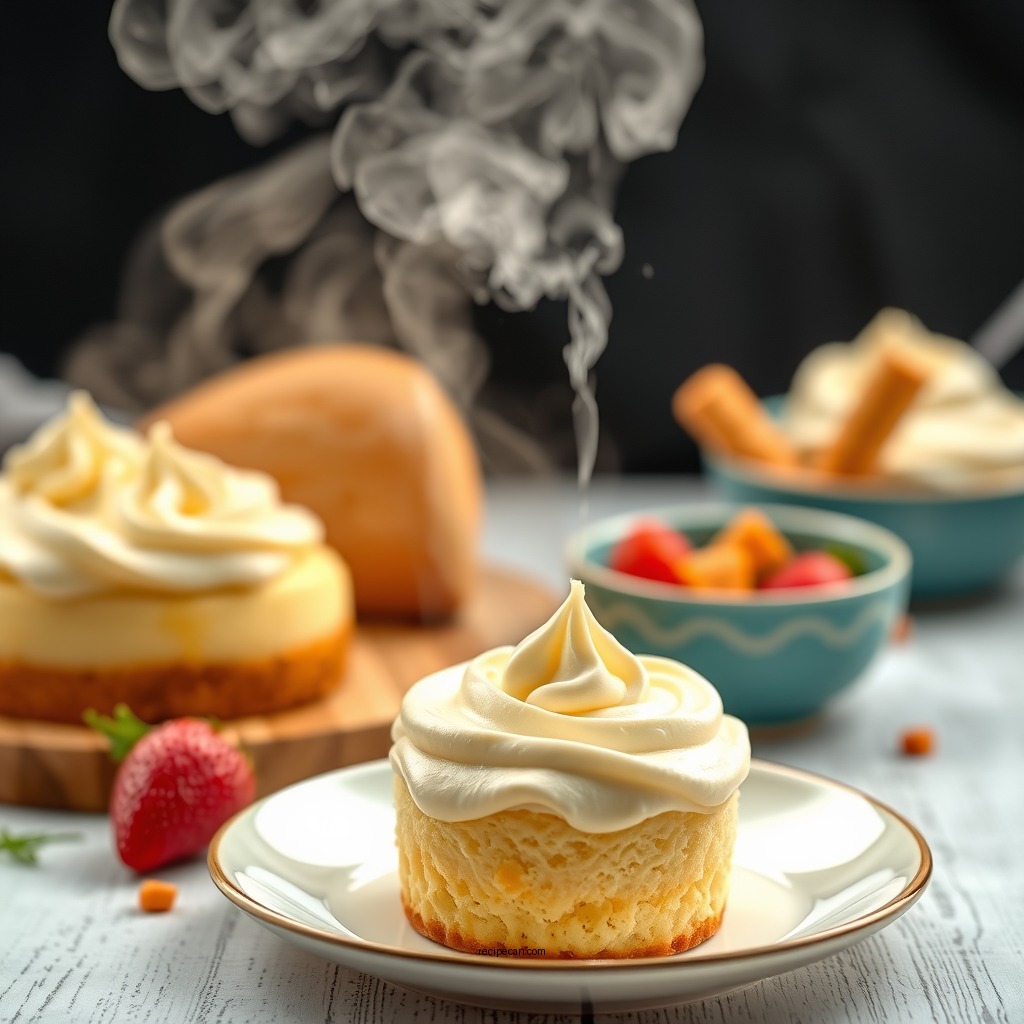
Creating a rich and creamy pudding frosting is simple and elevates any dessert. With just a few ingredients, you can whip up a frosting that adds flavor and texture to cakes, cupcakes, and more. In this article, you’ll learn how to make pudding frosting, variations to try, and tips for perfecting your technique.
What You Need for Pudding Frosting
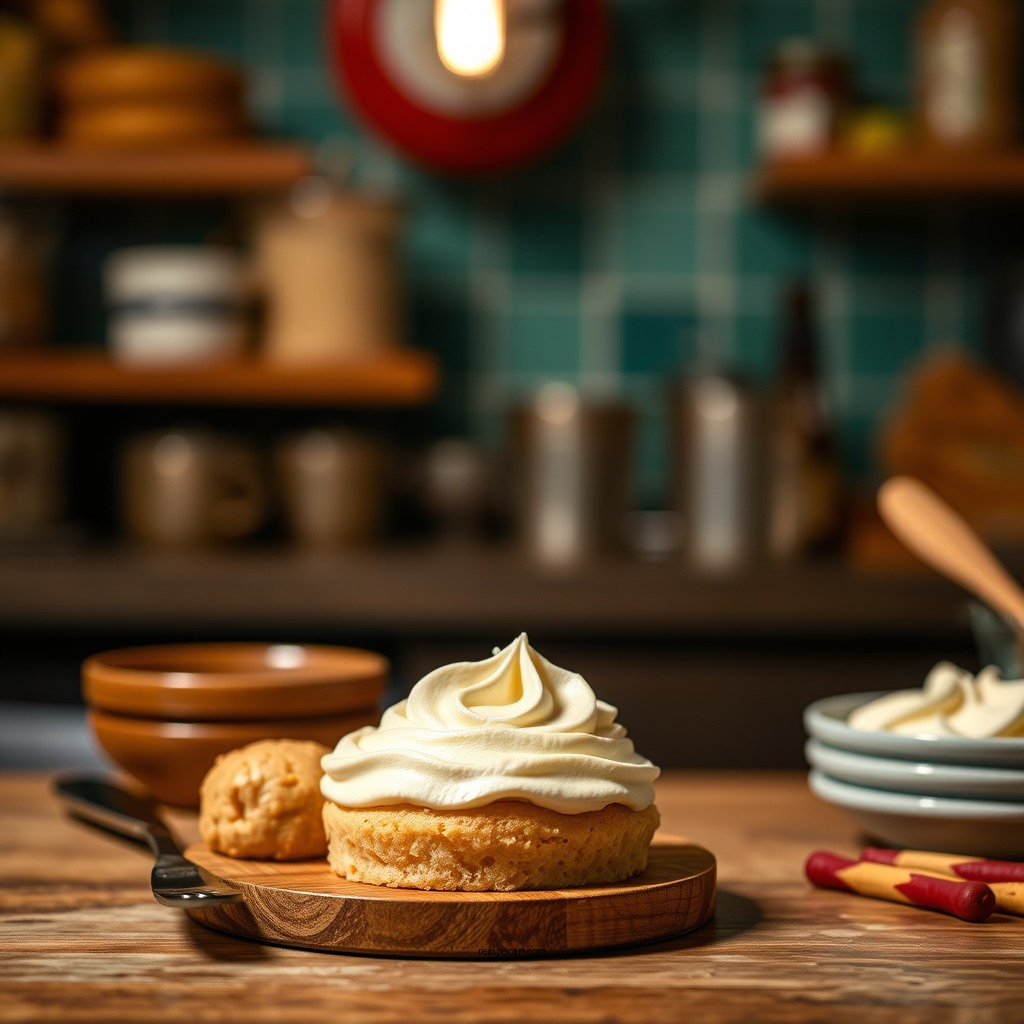
To begin making your pudding frosting, you will need a few essential ingredients that are likely already in your pantry. These ingredients include:
– Instant pudding mix: You can choose any flavor you prefer, such as chocolate, vanilla, or even butterscotch.
– Milk: Whole milk or 2% milk works best for achieving the desired creamy texture.
– Whipped topping or softened butter: This is optional but highly recommended for adding an extra layer of creaminess and a fluffy texture to your frosting.
These ingredients come together to create a versatile frosting that can complement a wide range of desserts, from cakes to cookies.
Step-by-Step Instructions
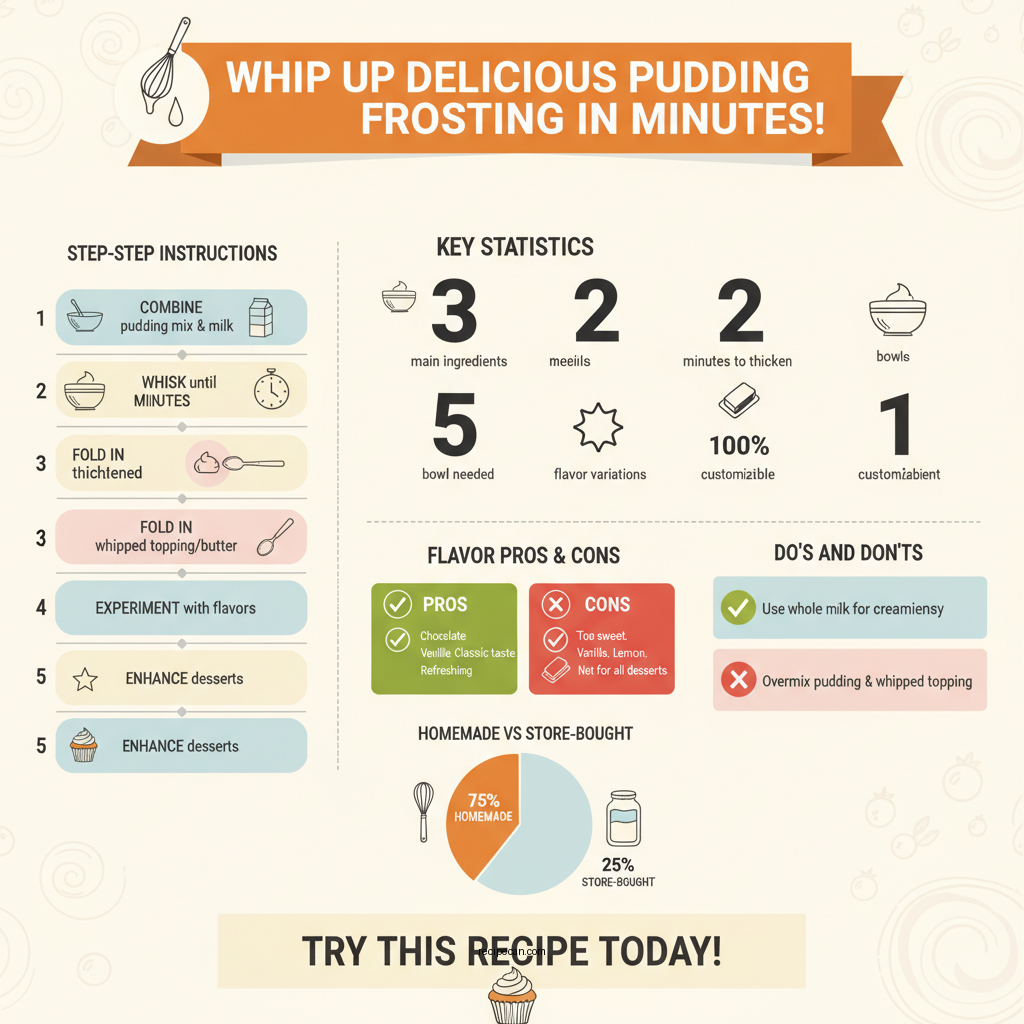
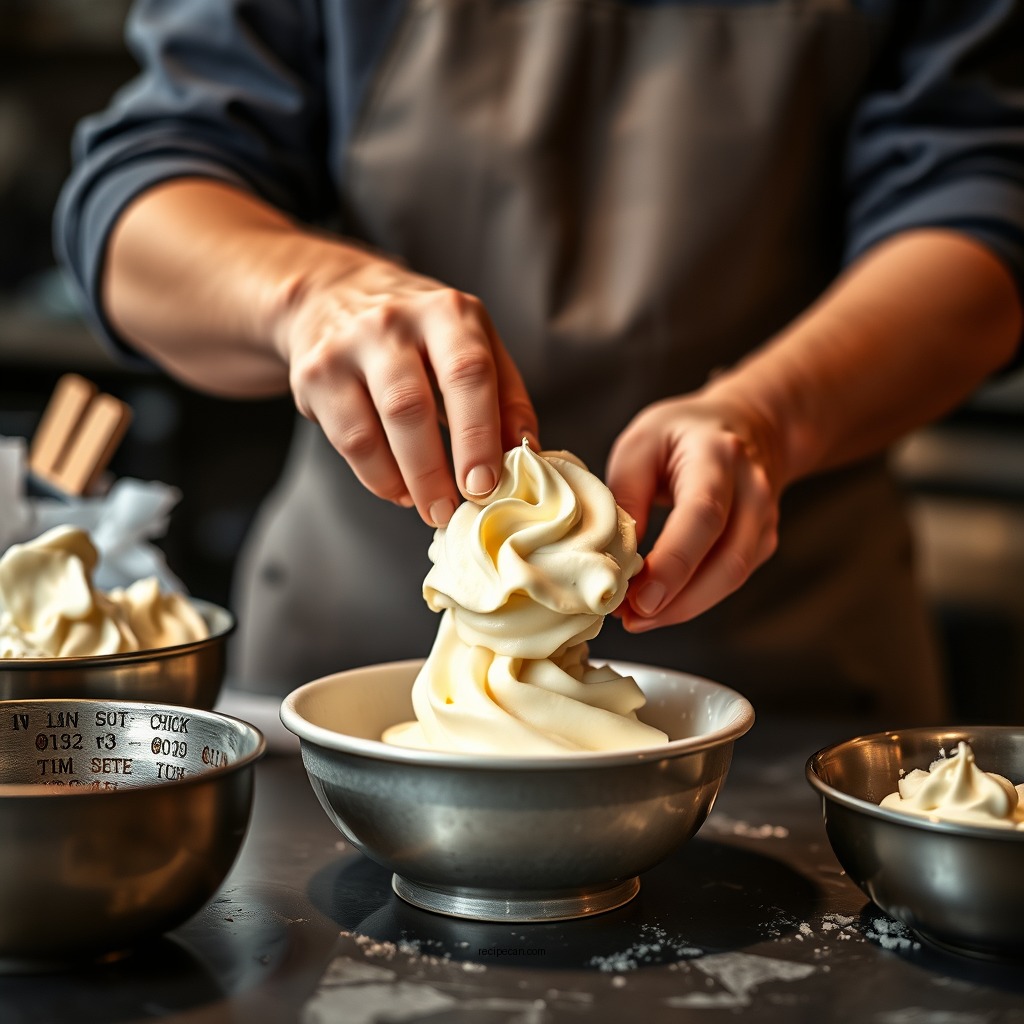
Making pudding frosting is a straightforward process that can be completed in just a few minutes. Here’s how to do it:
1. Combine the pudding mix and milk: In a medium-sized bowl, pour in the instant pudding mix and the milk. Use a whisk to blend the two ingredients together thoroughly.
2. Whisk until thickened: Continue whisking the mixture until it thickens, which usually takes about 2 minutes. The consistency should resemble that of a typical pudding.
3. Fold in whipped topping or butter: If you are using whipped topping or softened butter, gently fold it into the thickened pudding mixture. This step is crucial for achieving a light and airy texture, so be careful not to overmix.
By following these simple steps, you can create a delightful frosting that will enhance any dessert.
Flavor Variations to Try
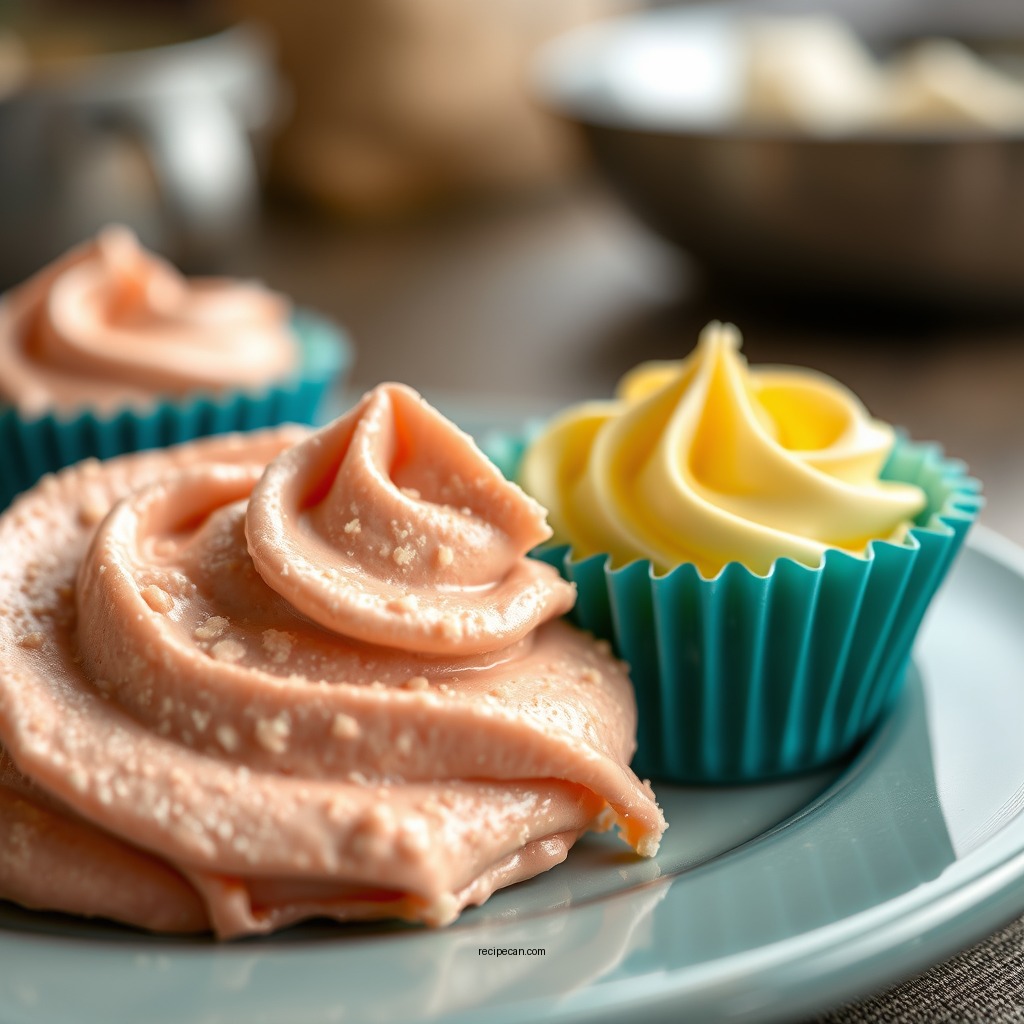
One of the best aspects of pudding frosting is its versatility. Here are a few flavor variations you can experiment with:
– Chocolate Pudding Frosting: Use chocolate pudding mix for a rich chocolate flavor. For added depth, consider incorporating a tablespoon of unsweetened cocoa powder.
– Vanilla Dream: Mix vanilla pudding with a splash of vanilla extract for a classic and elegant flavor. This variation pairs wonderfully with fruity desserts.
– Lemon Zest Frosting: For a refreshing twist, try lemon pudding mix and add some freshly grated lemon zest. This is especially delightful on vanilla cupcakes or a lemon cake.
– Cookies and Cream: Use cookies and cream pudding mix and fold in crushed chocolate sandwich cookies for a fun and indulgent frosting.
Experimenting with different flavors can make each dessert unique and exciting.
Popular Pudding Flavors for Frosting
| # | Flavor | Popularity (%) | Best For |
|---|---|---|---|
| 1 | Chocolate | 35% | Cakes |
| 2 | Vanilla | 30% | Cupcakes |
| 3 | Butterscotch | 15% | Cookies |
| 4 | Lemon | 10% | Pies |
| 5 | Cookies & Cream | 8% | Brownies |
| 6 | Strawberry | 2% | Cheesecakes |
| 7 | Peanut Butter | 5% | Cakes |
Tips for Perfecting Your Pudding Frosting
Achieving the perfect pudding frosting requires a few tricks to ensure the best texture and flavor:
– Chill the frosting: Before spreading it on your baked goods, let the frosting chill in the refrigerator for about 30 minutes. This step helps improve its consistency, making it easier to work with.
– Use a hand mixer: For a smoother finish, use a hand mixer instead of whisking by hand. This technique ensures that no lumps remain and that the frosting is light and fluffy.
– Taste as you go: Adjusting sweetness or flavor can make a significant difference. Taste the frosting as you prepare it and add more sweetener or flavoring if necessary.
By following these tips, you can elevate your pudding frosting to professional levels.
Common Mistakes to Avoid
While making pudding frosting is relatively straightforward, there are some common pitfalls to be aware of:
– Overmixing the pudding: Be careful not to overmix the pudding as this can lead to a grainy texture that is less than appealing. Mix just until combined for the best results.
– Not allowing the pudding to thicken properly: Failing to allow the pudding to thicken can result in a runny frosting that doesn’t hold its shape. Ensure that you whisk to the right consistency before adding any additional ingredients.
Being mindful of these common mistakes can help you achieve a perfect pudding frosting every time.
How to Use Pudding Frosting
Pudding frosting can be used in numerous ways to enhance your desserts:
– Spread generously: Use a spatula to spread the frosting evenly on cakes or cupcakes for a professional look. The creamy texture will add visual appeal and delicious flavor.
– Decorate with a piping bag: For a more decorative approach, fill a piping bag and create beautiful designs on your desserts. This method is ideal for special occasions and can make even the simplest cakes look stunning.
– Fill pastries: Pudding frosting can also serve as a filling for cream puffs, eclairs, or even layered cakes. Its delightful flavor and creamy texture will elevate any pastry.
With these applications, your pudding frosting can be a star ingredient in your dessert presentations.
Pudding Frosting Usage by Dessert Type
Storage and Shelf Life
If you find yourself with leftover pudding frosting, proper storage is key to maintaining its quality:
– Refrigeration: Store any leftover frosting in an airtight container in the refrigerator. This will help preserve its flavor and texture.
– Shelf life: Typically, pudding frosting lasts for about 3-5 days in the refrigerator. However, for the best taste and texture, it is recommended to use it fresh.
By following these storage tips, you can ensure that your pudding frosting remains delicious for your next dessert.
Pudding frosting is a delightful way to enhance your desserts with minimal effort. Remember to experiment with flavors and textures, and don’t hesitate to share your creations with friends and family! Try this easy recipe today and elevate your baking game.
Frequently Asked Questions
What ingredients do I need for a basic pudding frosting recipe?
To make a basic pudding frosting, you will need instant pudding mix, milk, and whipped topping or heavy cream. The instant pudding mix provides flavor and stability, while the milk helps to achieve the desired consistency. Whipped topping or heavy cream adds a light, fluffy texture that makes the frosting perfect for cakes and cupcakes.
How do I make pudding frosting from scratch?
To make pudding frosting from scratch, start by combining 2 cups of heavy cream with 1 cup of powdered sugar and 1 teaspoon of vanilla extract in a mixing bowl. Whip the mixture until it forms stiff peaks, then gently fold in 1 cup of prepared pudding. This method creates a rich and creamy frosting that is perfect for layering or spreading on desserts.
Why is my pudding frosting not thickening properly?
If your pudding frosting isn’t thickening, it may be due to insufficient chilling or not using the right proportions of pudding to cream. Make sure to chill your mixing bowl and beaters before whipping the cream, and ensure you are using the recommended amount of pudding mix for the given volume of cream. Allowing the frosting to set in the refrigerator for a short time can also help it achieve the desired thickness.
What is the best type of pudding to use for frosting?
The best type of pudding to use for frosting is instant pudding mix, as it sets quickly and provides a smooth, creamy texture. Flavors like chocolate, vanilla, or butterscotch are popular choices that pair well with a variety of cakes and desserts. Experimenting with different flavors can also enhance your frosting and complement your baked goods.
Which desserts pair well with pudding frosting?
Pudding frosting pairs wonderfully with a variety of desserts, including chocolate and vanilla cakes, cupcakes, and even cheesecake. It can also be used as a filling for pastries or layered in parfaits. The versatility of pudding frosting allows it to enhance flavors and textures, making it a favorite choice for many home bakers.
References
- Frosting
https://en.wikipedia.org/wiki/Frosting - https://www.sciencedirect.com/topics/food-science/pudding
https://www.sciencedirect.com/topics/food-science/pudding - https://www.ncbi.nlm.nih.gov/pmc/articles/PMC4271233/
https://www.ncbi.nlm.nih.gov/pmc/articles/PMC4271233/ - https://www.ncbi.nlm.nih.gov/pmc/articles/PMC6779305/
https://www.ncbi.nlm.nih.gov/pmc/articles/PMC6779305/ - https://www.food.wa.gov.au/prod_serv/publications/pudding.pdf
https://www.food.wa.gov.au/prod_serv/publications/pudding.pdf - Pudding | Definition, Types, & Ingredients | Britannica
https://www.britannica.com/topic/pudding - Google Scholar Google Scholar
https://scholar.google.com/scholar?q=recipe+for+pudding+frosting - Google Scholar Google Scholar
https://scholar.google.com/scholar?q=pudding+frosting+ingredients - Google Scholar Google Scholar
https://scholar.google.com/scholar?q=pudding+frosting+techniques - recipe for pudding frosting – Search results
https://en.wikipedia.org/wiki/Special:Search?search=recipe+for+pudding+frosting