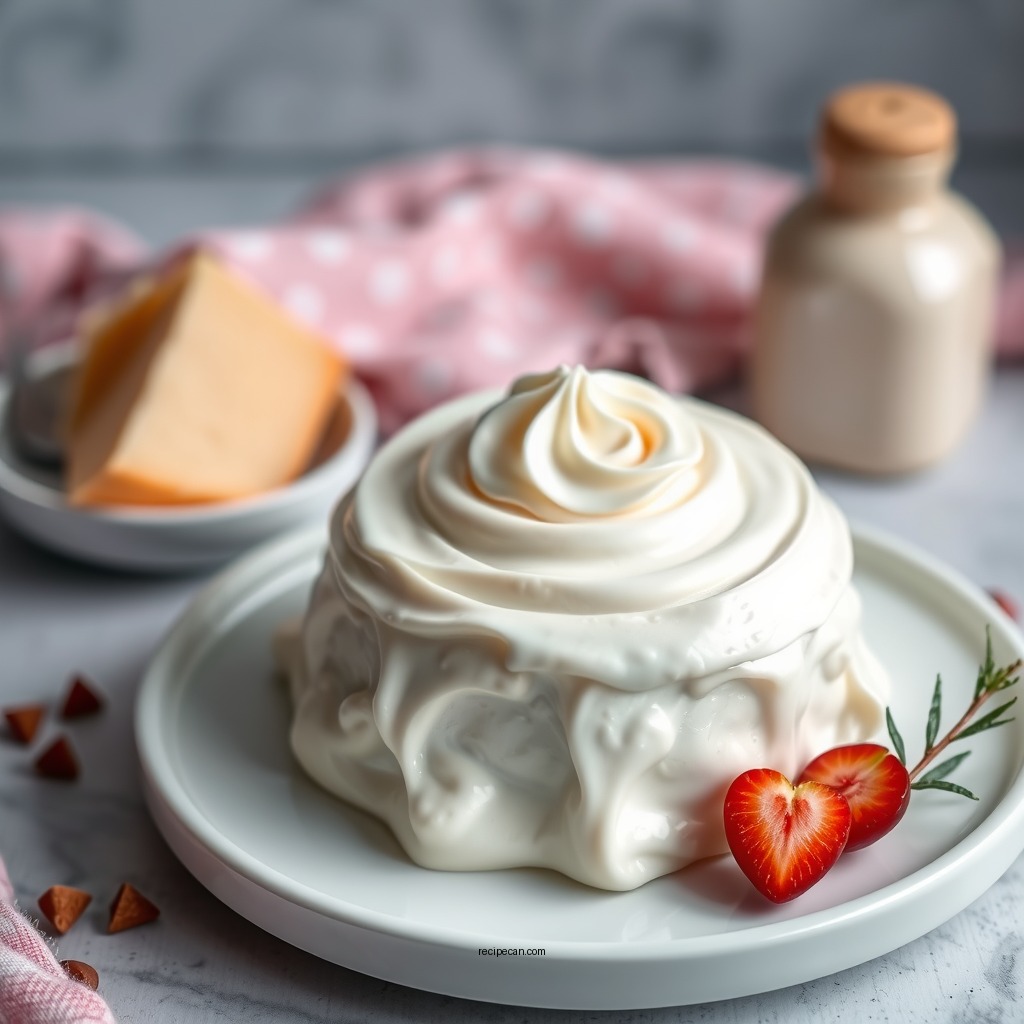
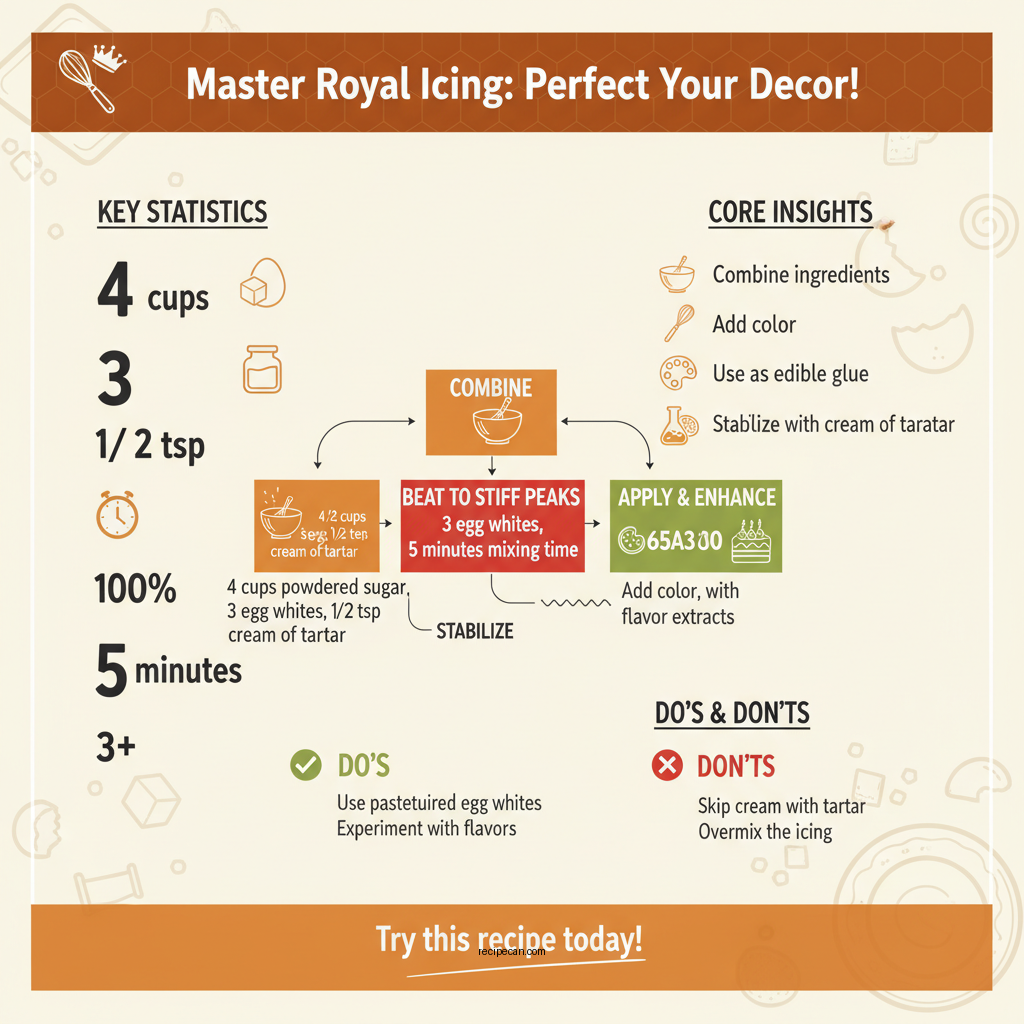
To make royal icing using cream of tartar, combine 4 cups of powdered sugar, 3 egg whites, and 1/2 teaspoon of cream of tartar. This mixture creates a smooth and stable icing ideal for decorating cookies and cakes. In this article, you’ll learn how to whip up this essential recipe, its variations, and tips for perfecting your royal icing.
Royal icing is a versatile, glossy icing that hardens beautifully, making it perfect for intricate decorations on baked goods, especially cookies. Its stability ensures that your designs hold their shape, whether you’re creating delicate flowers or intricate borders. The addition of cream of tartar not only enhances the icing’s texture but also helps stabilize the egg whites, preventing the icing from becoming too runny. This recipe will lay the groundwork for your baking endeavors, ensuring your creations are as visually stunning as they are delicious.
Understanding Royal Icing

Royal icing is a sugary mixture that dries to a hard, matte finish, making it ideal for decorative purposes in baking. Commonly used for cookie decorating, cake embellishments, and even as an edible glue for constructing gingerbread houses, royal icing can be piped or spread to create various decorative effects.
The magic of royal icing lies in its ability to hold its shape. Cream of tartar, a byproduct of winemaking, is an acid that stabilizes the egg whites in the icing. By incorporating cream of tartar, you help prevent the egg whites from deflating, resulting in a smoother, more stable icing that can be easily manipulated for detailed designs.
Ingredients for Royal Icing
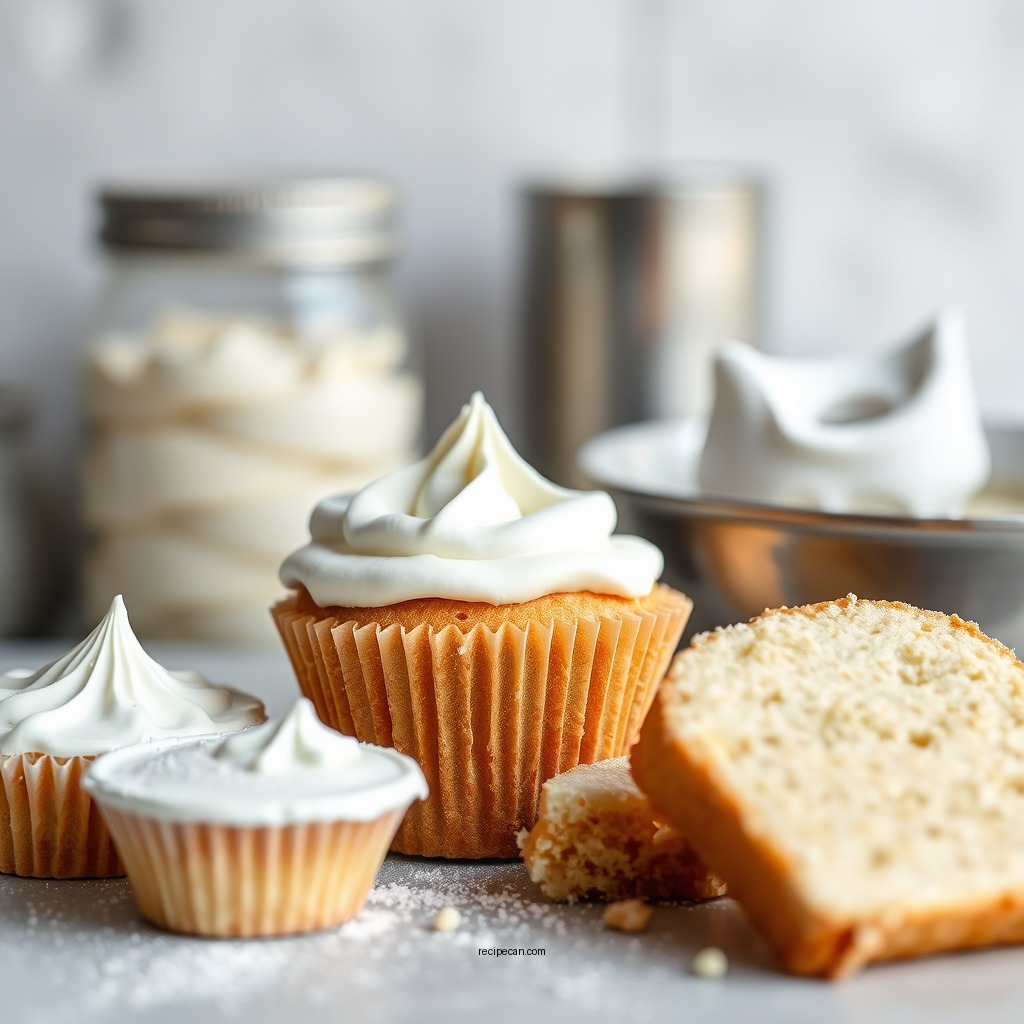
To create the perfect royal icing, you’ll need a few key ingredients:
Essential Ingredients:
– Powdered Sugar: 4 cups (also known as confectioners’ sugar)
– Egg Whites: 3 large egg whites (fresh or pasteurized)
– Cream of Tartar: 1/2 teaspoon
Optional Ingredients:
– Flavorings: Vanilla extract, almond extract, or lemon juice can add a subtle flavor to your icing.
– Coloring: Gel or paste food colors can be added for vibrant designs without altering the icing’s consistency.
Step-by-Step Preparation
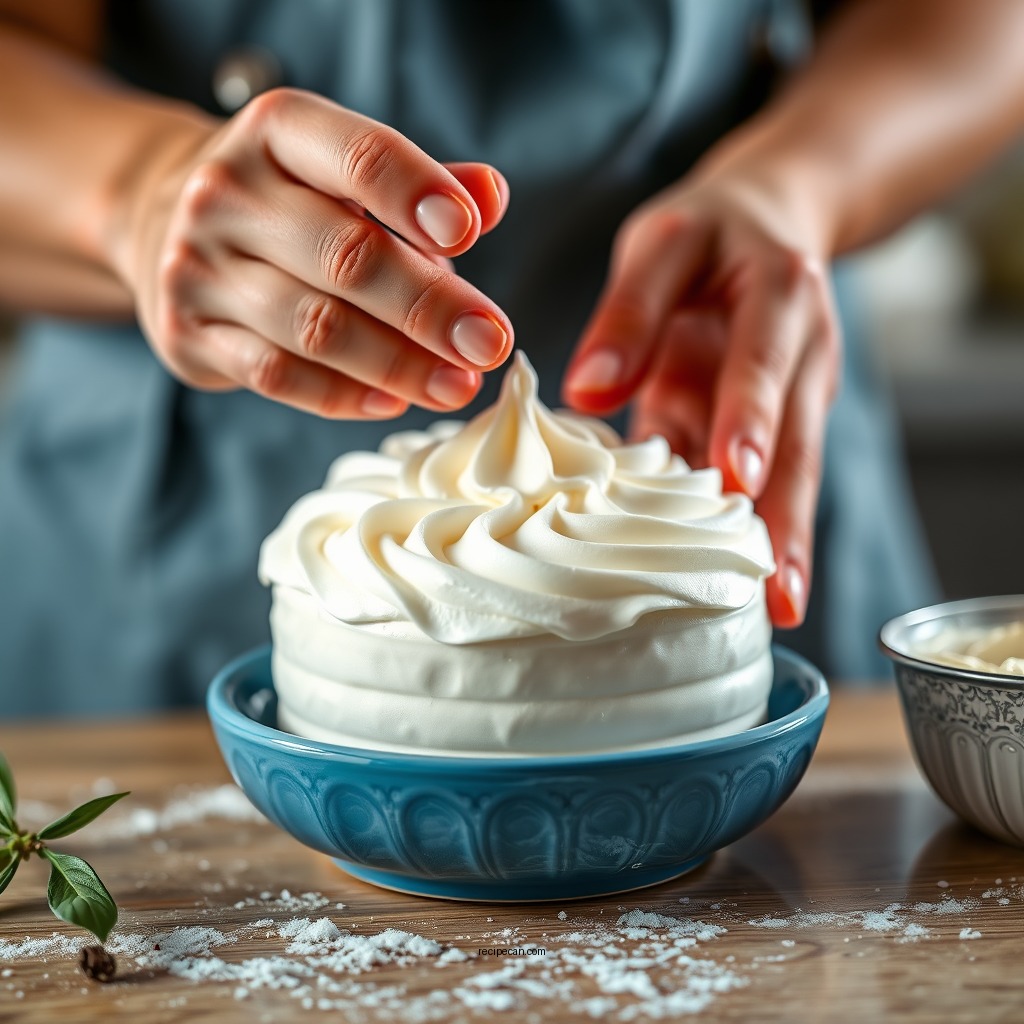
Creating royal icing is a straightforward process that requires careful attention to detail to achieve the right consistency. Follow these steps:
1. Combine Ingredients: In a mixing bowl, combine the powdered sugar, egg whites, and cream of tartar.
2. Mix: Using a stand mixer fitted with a whisk attachment, beat on low speed until the ingredients are combined, then increase to medium-high speed.
3. Beat to Stiff Peaks: Continue beating until the mixture reaches stiff peaks. This process usually takes about 7-10 minutes.
4. Adjust Consistency: For detailed piping, the icing should be stiff. For flooding (filling in large areas), you will need to add small amounts of water until it reaches a more fluid consistency.
Consistency Tips:
– Stiff Icing: For piping outlines and intricate designs, the icing should hold a peak when you lift the whisk.
– Flooding Icing: To create a smooth surface, the icing should be able to flow but not be too runny. A good test is to allow a small amount to flow off a spoon; it should take about 10 seconds to disappear back into the bowl.
Common Royal Icing Issues and Solutions
| # | Issue | Solution |
|---|---|---|
| 1 | Icing is too runny | Add more powdered sugar |
| 2 | Icing is too thick | Add a few drops of water |
| 3 | Icing has a grainy texture | Sift powdered sugar before use |
| 4 | Icing dries too quickly | Work in smaller batches |
| 5 | Icing doesn’t dry | Ensure correct sugar-to-egg ratio |
| 6 | Icing is too shiny | Let it sit uncovered for 15 minutes |
| 7 | Icing lacks flavor | Add flavor extracts |
Common Issues and Solutions
Even with a well-researched recipe, issues can arise during the preparation of royal icing. Understanding these common problems can help you troubleshoot effectively.
1. Runny Icing: This often occurs when there is too much liquid in the mixture. If your icing is runny, try adding more powdered sugar gradually until the desired consistency is achieved.
2. Grainy Texture: If your icing has a grainy texture, it may be due to unrefined powdered sugar. Sifting the sugar before mixing can help achieve a smoother consistency.
3. Icing Dries Too Quickly: To prevent the icing from drying out before you can work with it, consider working in smaller batches or covering your icing with a damp cloth while you decorate.
4. Icing Doesn’t Dry: If your icing remains tacky after several hours, you may not have the right sugar-to-egg white ratio. Adjusting your measurements can rectify this.
5. Too Shiny Surface: If your icing has a shiny appearance, it might benefit from sitting uncovered for a short period to allow moisture to evaporate.
Decorating Tips with Royal Icing
With royal icing prepared, you can unleash your creativity. Here are some techniques to elevate your decorating game:
– Piping: Use piping bags fitted with various tips to create borders, flowers, and intricate designs. For fine details, use a small round tip (like a #1 or #2).
– Flooding: For filling in larger areas, use a slightly thinner consistency of icing. Spread it quickly with a toothpick or the back of a spoon to cover the surface evenly.
– Layering: Allow each layer of icing to dry completely before adding additional colors or designs on top. This technique helps prevent colors from bleeding into one another.
– Marbling: Drop different colors of icing onto the surface and use a toothpick to swirl them together for a unique marbled effect.
Storing and Using Royal Icing
Proper storage of royal icing is essential for maintaining its quality. Here are best practices:
– Storing Leftovers: Store any leftover icing in an airtight container. Cover the surface with plastic wrap to prevent it from drying out. It can last up to two weeks in the refrigerator.
– Rehydrating Hardened Icing: If your icing hardens, you can rehydrate it by adding a few drops of water and mixing it thoroughly until smooth. However, be cautious not to add too much liquid, as it can alter the consistency.
Variations and Alternatives
While traditional royal icing is made with egg whites, there are several variations and alternatives for those with dietary restrictions or preferences:
– Eggless Royal Icing: Use meringue powder instead of egg whites. Mix 4 cups of powdered sugar with 3 tablespoons of meringue powder and enough water to achieve the desired consistency.
– Vegan Alternatives: Aquafaba, the liquid from canned chickpeas, can replace egg whites in royal icing recipes, providing a similar texture and stability.
– Flavor Variations: Experiment with different flavor extracts such as peppermint, orange, or coconut to give your icing a unique twist that complements your baked goods.
Mastering the royal icing recipe with cream of tartar is a fundamental skill that can significantly enhance your baking repertoire. With a few simple ingredients and techniques, you can create stunning decorations that elevate your culinary creations. Don’t hesitate to experiment with flavors and designs—each batch of royal icing can be a new opportunity for creativity. Try it out for your next baking project, and enjoy the process of transforming simple cookies and cakes into works of art.
Frequently Asked Questions
What is the purpose of cream of tartar in royal icing?
Cream of tartar is an essential ingredient in royal icing as it stabilizes the egg whites, helping to maintain the icing’s consistency and structure. It prevents sugar crystallization and enhances the overall texture, resulting in smooth, glossy icing that is perfect for decorating cookies and cakes.
How do you make royal icing with cream of tartar?
To make royal icing with cream of tartar, combine 4 cups of powdered sugar, 3 tablespoons of egg whites (or 2 teaspoons of meringue powder), and 1 teaspoon of cream of tartar in a mixing bowl. Gradually add water until you reach your desired consistency, mixing until the icing is thick yet spreadable, perfect for piping or flooding.
Why is my royal icing not setting properly when using cream of tartar?
If your royal icing is not setting properly, it may be due to excess moisture or insufficient mixing. Ensure you are using the correct ratio of powdered sugar to egg whites, and mix until stiff peaks form. Additionally, humidity can affect drying times, so consider using a dehumidifier or air conditioning while your decorated items dry.
What is the best ratio of cream of tartar to powdered sugar for royal icing?
The best ratio for royal icing typically includes about 1 teaspoon of cream of tartar for every 4 cups of powdered sugar. This balance helps achieve a stable icing that holds its shape well while allowing for easy piping and decorating, making it ideal for intricate designs.
Which types of cookies are best suited for royal icing with cream of tartar?
Royal icing with cream of tartar is best suited for sugar cookies, gingerbread cookies, and shortbread cookies that require detailed decorations. The sturdy nature of royal icing allows for intricate designs, flooding techniques, and vibrant color applications, making it a favorite for festive cookie decorating.
References
- https://en.wikipedia.org/wiki/Royal_icing
https://en.wikipedia.org/wiki/Royal_icing - https://www.bbc.co.uk/food/recipes/royal_icing_64564
https://www.bbc.co.uk/food/recipes/royal_icing_64564 - https://www.sciencedirect.com/topics/food-science/cream-of-tartar
https://www.sciencedirect.com/topics/food-science/cream-of-tartar - https://www.healthline.com/nutrition/cream-of-tartar
https://www.healthline.com/nutrition/cream-of-tartar - https://www.thespruceeats.com/what-is-cream-of-tartar-5078650
https://www.thespruceeats.com/what-is-cream-of-tartar-5078650 - https://www.cdc.gov/foodsafety/food-safety-education-month.html
https://www.cdc.gov/foodsafety/food-safety-education-month.html - Google Scholar Google Scholar
https://scholar.google.com/scholar?q=royal+icing+cream+of+tartar+recipe - Google Scholar Google Scholar
https://scholar.google.com/scholar?q=cream+of+tartar+culinary+uses - Google Scholar Google Scholar
https://scholar.google.com/scholar?q=royal+icing+recipe+ingredients - royal icing cream of tartar recipe – Search results
https://en.wikipedia.org/wiki/Special:Search?search=royal+icing+cream+of+tartar+recipe