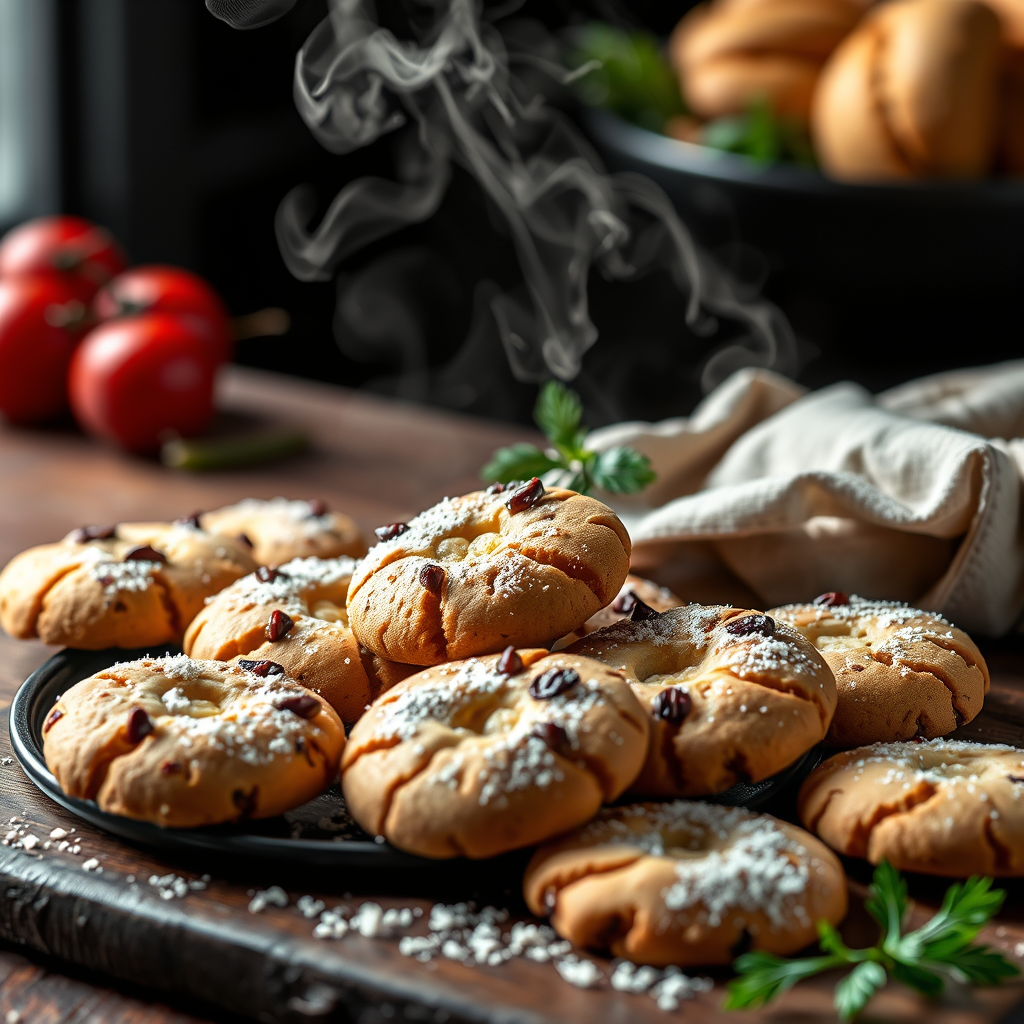
If you’re looking to indulge in the sweet flavors of Italy, this Italian cookies recipe will guide you through creating delightful treats that are perfect for any occasion. You’ll learn how to make classic Italian cookies that are not only delicious but also easy to prepare at home. With a variety of textures and flavors to explore, these cookies will certainly impress your family and friends.
Types of Italian Cookies
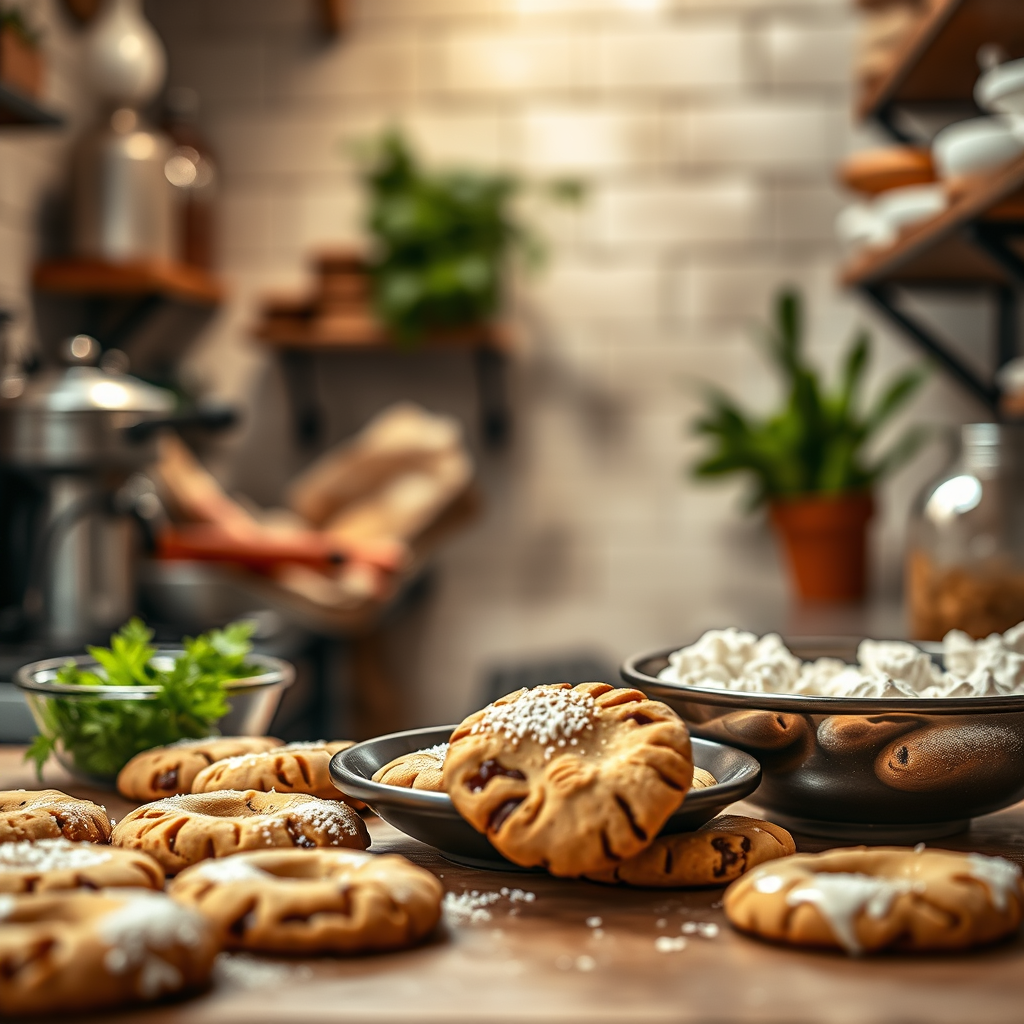
Italian cookies come in various shapes, sizes, and flavors, each with its unique charm. Here are some of the most popular varieties:
– Biscotti: A twice-baked cookie that is crunchy and perfect for dipping in coffee or wine. Traditionally made with almonds, they are often flavored with anise or chocolate.
– Amaretti: These delightful almond cookies are crisp on the outside and chewy on the inside, offering a rich almond flavor. They can be enjoyed plain or dipped in chocolate for a decadent treat.
– Pizzelle: These thin, crisp waffle-like cookies are made using a special iron, giving them their unique shape and texture. They are often flavored with vanilla, anise, or lemon zest and can be served plain or rolled into cones.
– Cantucci: A type of biscotti that is typically almond-flavored and enjoyed with Vin Santo, a sweet dessert wine. They are ideal for dunking due to their hard texture.
Understanding these varieties will help you choose which Italian cookie to bake according to your taste preferences and the occasion.
Essential Ingredients for Italian Cookies
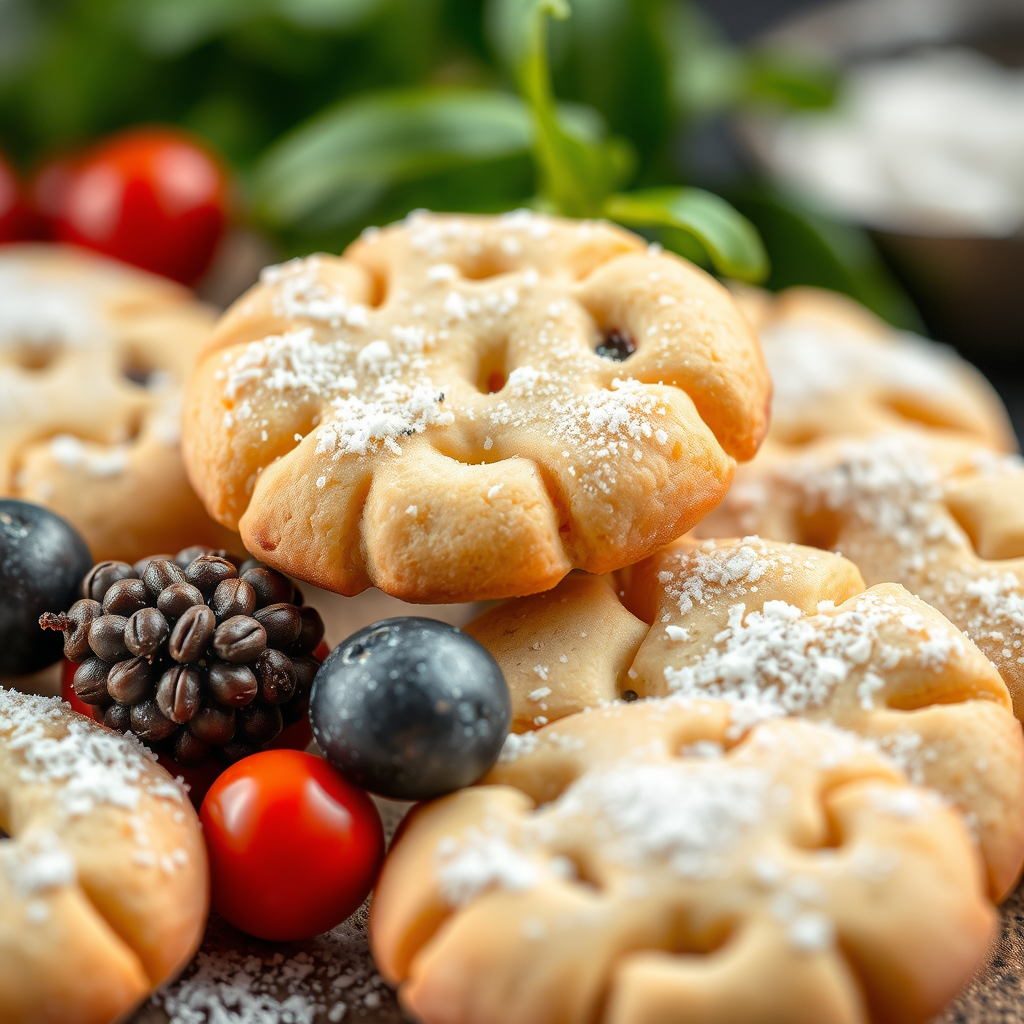
To create authentic Italian cookies, certain key ingredients are essential:
– Flour: All-purpose flour is typically used, but some recipes may call for almond flour for a richer flavor.
– Sugar: Granulated sugar is the standard, but you may also encounter recipes using powdered sugar for a different texture.
– Eggs: Essential for binding the ingredients together and providing moisture.
– Almonds: Often used in various forms, such as whole, sliced, or ground, almonds add flavor and texture.
– Flavorings: Vanilla extract, almond extract, and citrus zest (like lemon or orange) are common flavor enhancers.
When sourcing ingredients, look for high-quality, authentic Italian products. Brands like Di Fara or imported Sicilian almonds can elevate your cookies’ flavor.
Popular Italian Cookies and Their Key Ingredients
| # | Cookie Type | Main Ingredients | Texture | Flavor Profile |
|---|---|---|---|---|
| 1 | Biscotti | Flour, Eggs, Sugar, Almonds | Crunchy | Nutty, Sweet |
| 2 | Amaretti | Almonds, Sugar, Egg Whites | Crispy | Sweet, Almond |
| 3 | Pizzelle | Flour, Eggs, Sugar, Flavorings | Crispy | Sweet, Citrusy |
| 4 | Cantucci | Flour, Almonds, Sugar | Hard | Nutty, Sweet |
Step-by-Step Instructions
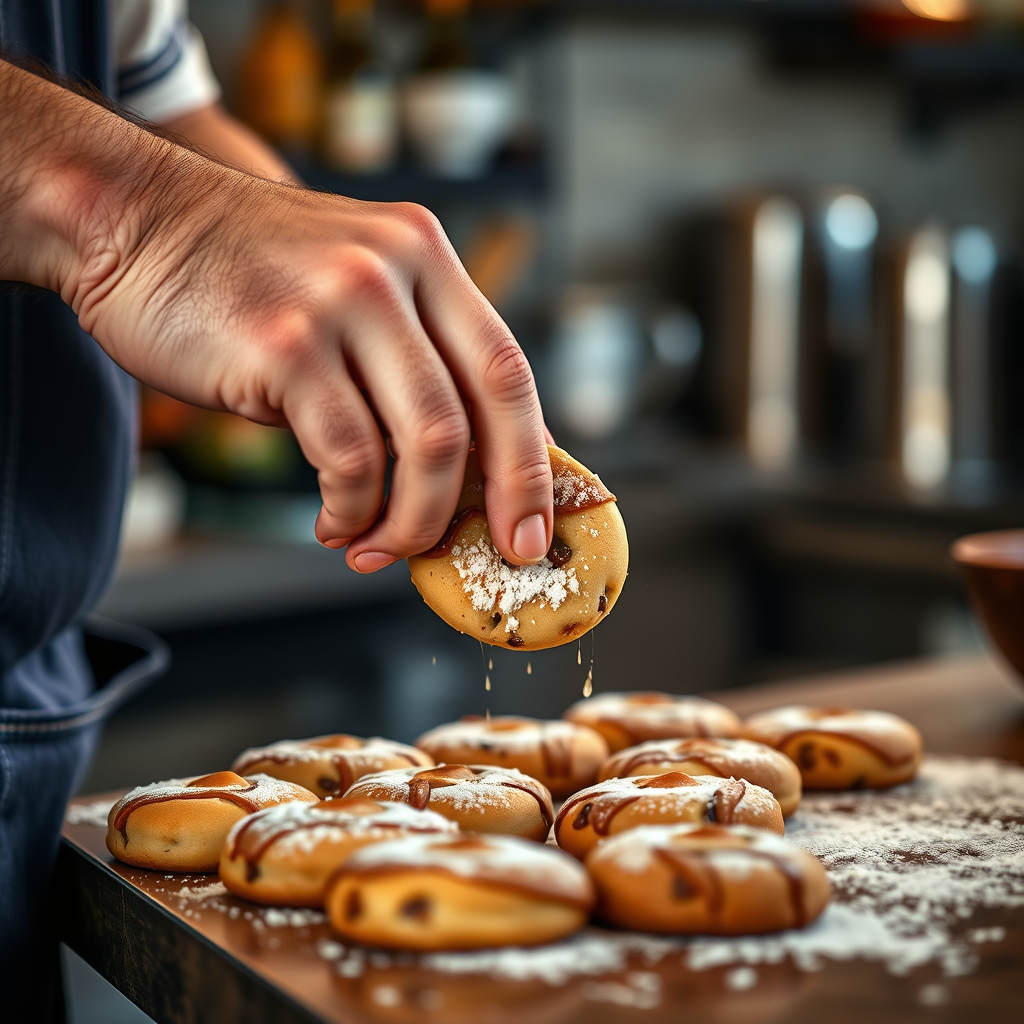
Creating Italian cookies may seem daunting, but with the right approach, it becomes a rewarding experience. Here’s a step-by-step guide to making classic Biscotti as an example:
1. Preheat the Oven: Start by preheating your oven to 350°F (175°C).
2. Mix Dry Ingredients: In a bowl, whisk together 2 cups of all-purpose flour, 1 teaspoon of baking powder, and a pinch of salt.
3. Combine Wet Ingredients: In another bowl, beat together 3 large eggs, 1 cup of sugar, and 1 teaspoon of vanilla extract until well combined.
4. Incorporate Dry Ingredients: Gradually add the dry mixture to the wet mixture, mixing until a dough forms. Fold in 1 cup of chopped almonds.
5. Shape the Dough: On a floured surface, shape the dough into two logs about 12 inches long and 2 inches wide. Place them on a parchment-lined baking sheet.
6. First Bake: Bake for 25-30 minutes or until golden brown. Remove from the oven and let cool for 10 minutes.
7. Slice and Second Bake: Once cooled, slice the logs into 1/2-inch thick pieces. Return to the oven and bake for an additional 10-15 minutes until crisp.
8. Cool: Allow to cool completely on a wire rack before serving.
For best results, ensure that you don’t overmix the dough, which can lead to tough cookies.
Decorating Your Italian Cookies
Decorating your Italian cookies can add a personal touch and elevate their presentation. Here are some ideas:
– Icing: A simple glaze made from powdered sugar and milk can be drizzled over cooled cookies for a sweet finish. Consider adding lemon or almond extract for extra flavor.
– Sprinkles: Colored sprinkles or edible glitter can bring a festive touch, especially for holidays or special occasions.
– Dusted with Powdered Sugar: For a classic look, dust cookies with powdered sugar just before serving.
– Holiday-Themed Decorations: For a seasonal twist, you can use cookie cutters to create festive shapes and decorate them with colored icing or themed sprinkles.
Creativity knows no bounds when it comes to decorating. Experiment with different combinations to find what appeals to you and your guests.
Common Mistakes to Avoid
Baking cookies can be a straightforward task, but certain pitfalls may lead to disappointing results. Here are some common mistakes to avoid:
– Overmixing the Dough: This can lead to tough cookies. Mix until just combined to maintain a tender texture.
– Incorrect Baking Temperatures: Always preheat your oven and use an oven thermometer to ensure accurate cooking temperatures.
– Not Measuring Ingredients Properly: Baking is more science than art. Use a kitchen scale for accurate measurements, especially for flour.
– Skipping Cooling Steps: Allow cookies to cool on a wire rack. This helps maintain their texture and prevents them from becoming soggy.
If your cookies don’t turn out as expected, consider these factors to troubleshoot and refine your technique.
Serving and Pairing Suggestions
Italian cookies can be enjoyed in various ways, and pairing them can enhance the overall experience:
– Coffee or Tea: Biscotti and amaretti are perfect companions for a warm cup of coffee or tea. The crunchiness of these cookies contrasts beautifully with a warm beverage.
– Dessert Wines: Serve with a glass of Vin Santo or Moscato for a delightful dessert pairing. The sweetness of these wines complements the flavors of Italian cookies.
– Storage: Store your cookies in an airtight container at room temperature for up to one week. For longer storage, consider freezing them, where they can maintain their quality for up to three months.
By understanding the best ways to serve and store Italian cookies, you can enjoy their delightful flavors for longer.
Baking Italian cookies is not just about the final product; it is also about the joy of the process. Each cookie carries with it a piece of Italian culture and tradition. I encourage you to try this recipe yourself and experiment with various flavors and decorations. Share your creations and experiences in the comments or on social media, fostering a sense of community around this delightful culinary tradition. Happy baking!
Frequently Asked Questions
What are the essential ingredients for an authentic Italian cookies recipe?
An authentic Italian cookies recipe typically includes all-purpose flour, sugar, eggs, and butter as the base ingredients. Many variations also incorporate flavorings such as vanilla, almond extract, or citrus zest, along with optional add-ins like nuts, chocolate chips, or dried fruits to enhance the taste and texture.
How do I achieve the perfect texture in Italian cookies?
To achieve the perfect texture in Italian cookies, it’s important to properly cream the butter and sugar until light and fluffy, which helps incorporate air for a tender cookie. Additionally, be mindful of the baking time; underbaking slightly can ensure a soft center, while overbaking can lead to a dry cookie.
Why do some Italian cookie recipes call for ricotta cheese?
Ricotta cheese adds moisture and richness to Italian cookies, resulting in a soft and delicate texture. This ingredient is especially popular in traditional recipes like Italian ricotta cookies, where it enhances the flavor while keeping the cookies tender and less crumbly.
What is the best way to decorate Italian cookies for special occasions?
The best way to decorate Italian cookies for special occasions is to use royal icing or a simple glaze made from powdered sugar and water. You can also incorporate colorful sprinkles or edible glitter to add a festive touch, making your cookies visually appealing while complementing their delicious flavors.
Which Italian cookie recipes are best for beginners?
For beginners, classic Italian cookie recipes like Biscotti or Amaretti are ideal because they require minimal ingredients and straightforward techniques. These cookies are forgiving and allow for experimentation with flavors, making them perfect for those new to baking Italian treats.
References
- Italian cuisine
https://en.wikipedia.org/wiki/Italian_cuisine - Caramel Turtles | America’s Test Kitchen
https://www.americastestkitchen.com/recipes/2328-italian-cookies - https://www.nytimes.com/2020/12/02/dining/italian-cookies-recipe.html
https://www.nytimes.com/2020/12/02/dining/italian-cookies-recipe.html - Google Scholar Google Scholar
https://scholar.google.com/scholar?q=italian+cookies+recipe - Google Scholar Google Scholar
https://scholar.google.com/scholar?q=traditional+italian+baking - Google Scholar Google Scholar
https://scholar.google.com/scholar?q=italian+cuisine+desserts - italian cookies recipe – Search results
https://en.wikipedia.org/wiki/Special:Search?search=italian+cookies+recipe - https://www.ncbi.nlm.nih.gov/search/research-articles/?term=italian+cookies+recipe
https://www.ncbi.nlm.nih.gov/search/research-articles/?term=italian+cookies+recipe