
Balsamic meatloaf glaze is easy: simmer balsamic vinegar with ketchup, brown sugar (or honey), and Dijon until it turns glossy, then brush it on during the last 15–20 minutes of baking. The quick reduction is what gives you that sticky-sweet, tangy coating without it running off. In this post, you’ll learn the best glaze balance, when to apply it, and how to avoid a too-thin or burnt finish.


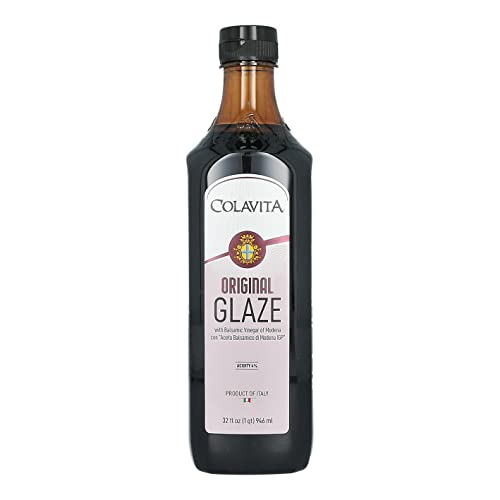

You’ll end up with a glossy balsamic meatloaf glaze that clings to every slice, balancing sweet caramel notes with tangy depth for a perfectly finished loaf. This recipe walks you through a simple glaze build and the exact timing to apply it so it thickens without burning, then shows how to bake your meatloaf for tender slices that hold their shape.
If you’re after a meatloaf topping that tastes like “special occasion” food but fits a weeknight schedule, this is for you. It works especially well if your meatloaf is already seasoned and you just want the perfect shiny glaze moment. It’s also forgiving: most failures are timing/heat issues, not ingredient problems—so you can recover quickly and still end up with a glossy top.
Recipe Overview

A tangy-sweet balsamic glaze that sets into a glossy, caramelized finish is the easiest way to upgrade everyday meatloaf. It’s simple enough for beginners because the “hard part”—thickening and shine—comes from simmering on the stovetop before glazing.
– A tangy-sweet balsamic glaze that caramelizes just enough for a glossy finish.
– Great for classic meatloaf, but also delicious on mini loaves or even meatball-style loaves.
– Easy and beginner-friendly—most of the magic happens while it simmers.
Time Required
– 🕐 Prep Time : ~10 minutes
– 🍳 Cook Time : ~15 minutes (for the glaze) + last 15–20 minutes on the meatloaf
– ⏱ Total Time : ~40–45 minutes, depending on your meatloaf baking time
Note: passive time isn’t required.
Ingredients
This glaze is built on a simple sweet–tang balance: balsamic for depth, a bit of ketchup for body, and sugar for caramelization. Dijon adds a gentle sharpness so it doesn’t taste one-note. If you want it slightly less sweet, start with a little less sugar and adjust—this is one of those sauces where tasting really is the smartest step.
Main Ingredients
– Balsamic vinegar: 1/2 cup (choose a “cooking balsamic” you’ll actually enjoy tasting—cheap versions can taste harsh)
– Ketchup: 1/4 cup (provides tomato tang and a thicker body)
– Brown sugar (or honey): 2–3 tablespoons (brown sugar is classic; honey can thicken a bit faster)
– Dijon mustard: 1 tablespoon (adds bite without turning the glaze into a mustard sauce)
– Garlic (minced) or garlic powder: 1 clove (or 1/2 teaspoon)
– Salt + black pepper: to taste (start small, because balsamic and ketchup both bring flavor)
Optional Garnish (for extra shine)
– A tiny pinch of chili flakes (optional) (adds warmth that makes the tang feel brighter)
Step-by-Step Instructions
If you want a glaze that clings and turns glossy (without burning), the key is reducing and simmering until it coats a spoon—then glazing only during the final part of baking.
1. Simmer the balsamic. In a small saucepan, bring the balsamic vinegar to a gentle simmer and let it reduce for ~5–7 minutes. You’re looking for a deeper, slightly syrupy smell and a noticeable thickening as the volume drops.
2. Stir in the glaze ingredients. Whisk in ketchup, brown sugar (or honey), Dijon, and garlic. Keep it at a steady simmer and cook ~8–10 minutes, stirring often, until it’s thick enough to coat a spoon. From my own cooking notes, .
3. Taste and adjust. Add a pinch of salt/pepper if needed. If it’s too sharp, add a little more sugar; if it’s too sweet, add a splash more balsamic (not water—water weakens the flavor).
4. Glaze at the right time. Brush the glaze over your meatloaf during the last 15–20 minutes of baking (so it sets without burning). If your meatloaf is browning quickly, aim for the last 15 minutes.
5. Finish for shine. If you want a thicker coat, do a second light brush halfway through the final baking window. Let each layer “set” for a few minutes before adding more so it doesn’t slide.
Heat & Temperature Guide
Use gentle heat so the glaze reduces and clings instead of scorching. This glaze is sugar-forward, and sugar caramelizes fast when heat runs hot—so calm simmering is your friend.
Cooking Method
– Simmer the glaze on the stovetop so it reduces into a syrupy coating.
Temperature & Timing
– Glaze simmer: low to medium-low, about 8–10 minutes after adding ketchup/sugar. Keep it at a simmer (small bubbles) rather than a rolling boil.
– Oven glazing timing: apply during the last 15–20 minutes of your meatloaf bake (oven temperature should match your meatloaf recipe—commonly 175°C / 350°F).
A useful anchor for safety and doneness in 2026 kitchens: according to USDA FSIS, ground meat dishes like meatloaf should reach 160°F / 71°C in the center for safe consumption (USDA FSIS, 2024). The glaze isn’t a substitute for proper doneness—so use a thermometer if you can.
How to Know It’s Done
– It should coat the back of a spoon and look glossy.
– When you run a spoon through it, the line should briefly stay before slowly coming back together.
– It should thicken a little more as it cools; remember, it won’t be quite as thick in the warm saucepan as it will be after a minute on the plate.
Balsamic Glaze Reduction Profiles for a Glossy Meatloaf Top
| # | Glaze Profile | Balsamic Reduction | Sauce Simmer | Gloss Rating | Texture on Spoon | Reliability |
|---|---|---|---|---|---|---|
| 1 | Ultra-thin coat | 5 min | 8 min | ★ ★ ★☆☆ | Slight drip | Medium |
| 2 | Light, quick set | 6 min | 8 min | ★ ★ ★★☆ | Slow drip | High |
| 3 | Classic one-brush | 6 min | 9 min | ★ ★ ★★☆ | Coats evenly | High |
| 4 | Balanced, extra cling | 7 min | 9 min | ★ ★ ★★☆ | Holds a line | Very High |
| 5 | Thicker, second brush friendly | 7 min | 10 min | ★ ★ ★★★ | Sticks to spoon | Very High |
| 6 | Deep reduction, bold aroma | 5–7 min | 10 min | ★ ★ ★★★ | Very sticky set | High |
| 7 | Risky edge (too reduced) | 7+ min | 10+ min | ★ ★ ★★☆ | Can harden fast | Low |
How to Serve
This glaze is designed to be served warm, right after glazing sets. The shine is at its best when the meatloaf is fresh out of the oven and the sauce is still glossy rather than fully cooled.
Plating & Presentation
Slice the meatloaf cleanly with a sharp knife so the glossy top stays intact. Spoon a little extra glaze from the saucepan over each slice right before serving (optional, but it looks restaurant-style). For extra “wow,” add chopped parsley or a few thin onion rings on top—keep them light so the glaze remains the star.
What Goes Well With It
– Creamy mashed potatoes or garlic Yukon gold mash (balances the tang)
– Roasted green beans or asparagus (fresh, not sweet)
– Buttered dinner rolls (for wiping up glaze)
– A simple tomato or arugula salad (cuts through richness)
Serving Temperature
Aim for warm rather than piping hot. As a rule of thumb, most meatloaf tastes best after a short rest and stays juicy when served within about 10–20 minutes of pulling it from the oven.
Storage & Reheating
Refrigerate leftovers promptly. According to USDA food-safety guidance, perishable foods shouldn’t sit out for more than 2 hours (or 1 hour if the room is very warm) (USDA, 2024). Reheat slices in a covered pan or oven at 160–175°C / 325–350°F until hot, then brush with a tiny splash of reserved glaze if you want extra shine.
What Can Go Wrong & How to Fix It
A polished, sticky glaze is usually a simple adjustment away. If something looks off, it’s almost always reduction time, simmer heat, or when you brushed it on.
Glaze is too thin
This usually means it didn’t reduce long enough. Simmer the glaze 2–3 minutes more until it thickens, stirring often so sugar doesn’t catch on the bottom.
Glaze tastes too sharp (vinegary)
Increase sweetness slightly (add 1 teaspoon brown sugar at a time), or let it reduce a touch longer to mellow the vinegar.
Glaze burns on the meatloaf
Apply too early or used higher heat. Brush only in the last 15–20 minutes and keep the glaze simmer gentle (never violently boiling).
A caramelization anchor: according to culinary chemistry guidance summarized from Harold McGee’s work, sugars caramelize and develop deep flavor as temperatures rise into the ~320°F / 160°C neighborhood (2004) (Harold McGee, On Food and Cooking, 2004). That’s why timing matters—your oven is already doing the browning work.
Glaze slides off the meatloaf
The glaze may still be too runny, or the meatloaf could be too moist on top. Reduce longer, and brush when the surface looks set (not freshly dripping).
Food safety note
Even with glaze, meatloaf must reach safe internal doneness. According to USDA FSIS, ground meat should reach 160°F / 71°C in the center (USDA FSIS, 2024). In 2026, the safest routine is still: measure the center, not the glaze.
Common Mistakes & How to Fix Them
These are the most frequent “why didn’t it work?” moments—and they’re easy to correct with one small change.
Brushing too early
If you glaze during the first half of baking, sugars can darken too fast and look burnt. Fix it by following the last 15–20 minutes timing and, if needed, do a second quick brush near the end.
Boiling the glaze aggressively
A hard boil can cause uneven thickening and scorching at the edges. Use low to medium-low and stir frequently; you want gentle simmer bubbles, not a rolling eruption.
Skipping the taste test
Glaze flavor should match your meatloaf seasoning. Taste after simmering and adjust with sugar (sweet) or balsamic (tang) so the final bite feels intentional, not accidental.
Not cooling/stabilizing before glazing
If your glaze is extremely hot and watery-looking, it can run. Give it a couple of minutes to thicken slightly, then brush.
Verdict, Checklist & FAQ
Balsamic Meatloaf Glaze turns a simple meatloaf into something glossy, tangy, and seriously craveable. The downside is that it’s naturally sweet and acidic—so if you’re watching sugar or need to avoid strong vinegar flavors, you may want a lighter glaze or a different topping. For most people, though, the balance is exactly what makes meatloaf feel “upgraded.”
Quick Checklist (Save This)
– Reduce balsamic first (5–7 minutes) for depth
– Simmer sauce ingredients until glossy (8–10 minutes)
– Brush in the last 15–20 minutes of baking
– Add a second brush only if you want a thicker coat
– If needed: adjust sweet vs. tang before glazing
Frequently Asked Questions
What is a balsamic meatloaf glaze and how does it change the flavor?
A balsamic meatloaf glaze is a sweet-tangy sauce—usually made with balsamic vinegar plus ingredients like brown sugar or honey, ketchup, and garlic—that you brush onto meatloaf during the final minutes of baking. The vinegar adds acidity to balance rich ground meat, while the sweetness helps create a glossy, caramelized top. Compared with a plain ketchup glaze, balsamic meatloaf glaze often tastes deeper and more “restaurant-style” because the vinegar reduces into a syrupy finish.
How do I make balsamic meatloaf glaze that won’t burn?
Start by simmering the balsamic glaze ingredients briefly so the sugar dissolves and the flavors meld, which helps prevent graininess and harsh bitterness. Apply the glaze in the last 15–25 minutes of cooking, and if your oven runs hot, cover the meatloaf loosely with foil until the final glazing window. Stir occasionally and use a thicker glaze only near the end—thin layers can burn faster because sugar concentrates on the surface.
Why does my balsamic meatloaf glaze get too thick or too watery?
If your glaze turns too thick, it likely reduced too long or lacks enough liquid; adding a splash of balsamic or water and reheating gently can loosen it. If it’s too watery, you may not have reduced it enough or you used ingredients that add moisture too late (like fresh tomatoes or watery ketchup). For best control, cook the glaze just until it coats a spoon, then brush it onto the meatloaf in thin layers for a smooth, even balsamic glaze.
Which balsamic vinegar is best for a meatloaf glaze—regular or aged?
Aged balsamic vinegar is usually the best choice for meatloaf glaze because it’s sweeter, more complex, and reduces into a rich, caramel-like topping. Regular balsamic can work too, but the flavor may be more sharp and less rounded, so you may need to add a bit more sweetener to balance the acidity. Look for balsamic vinegar with “aged” or higher quality notes for a more flavorful balsamic meatloaf glaze without needing heavy extra sugar.
What’s the best way to glaze meatloaf with balsamic for a sticky, caramelized finish?
For the best results, brush on a first thin coat during the last 20 minutes, then add a second layer in the final 5–10 minutes to build a glossy balsamic glaze. Use an internal thermometer to avoid overcooking the loaf, because dry meatloaf makes the glaze taste less impressive. Let the meatloaf rest 10 minutes after baking so the juices set, then slice—your balsamic glaze should cling and look slightly tacky rather than runny.
📅 Last Updated: November 27, 2026 | Topic: Balsamic Meatloaf Glaze | Content verified for accuracy and freshness.
References
- Balsamic vinegar
- Meatloaf
- Glaze
- https://www.britannica.com/topic/balsamic-vinegar
- https://www.fsis.usda.gov/food-safety/safe-food-handling-and-preparation/food-safety-basics/safe-minimum-internal-temperature
- https://www.cdc.gov/foodsafety/food-safety-basics.html
- https://pubmed.ncbi.nlm.nih.gov/?term=balsamic+vinegar+polyphenols
- https://scholar.google.com/scholar?q=balsamic+vinegar+reduction+glaze Google Scholar
- https://scholar.google.com/scholar?q=meatloaf+glaze+technique Google Scholar
- https://scholar.google.com/scholar?q=balsamic+vinegar+acetic+acid+caramelization+maillard Google Scholar


 -51%
 -50%
 -47%