
Cajun Instant Pot meatloaf comes out best when you pressure-cook the shaped loaf on a trivet for juicy, evenly cooked slices—then finish with a quick Cajun ketchup glaze to lock in that classic saucy bite. Pressure cooking gives you the tender “homestyle” texture faster than oven-only meatloaf, without losing the bold Cajun flavor. Keep reading for the exact order of steps (and the common traps) so yours comes out juicy, not crumbly.
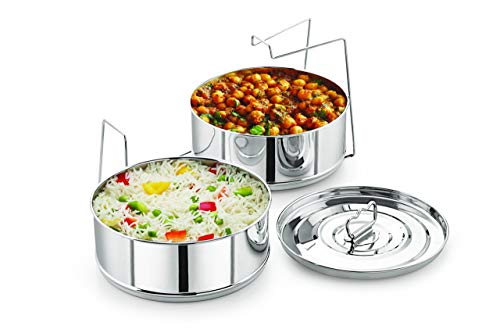


Cajun-seasoned meatloaf made in the Instant Pot comes out moist, evenly cooked, and coated with a peppery tomato glaze you can slice right away. This recipe uses a quick pressure-cook for the bake-like texture, then finishes with a brief broil or pan-sear to set the surface. You will learn the right meat-to-binder ratio, spice level, and timing so your dinner is spicy, comforting, and reliably tender.
Recipe Overview

This Cajun Instant Pot Meatloaf is a weeknight-friendly twist on a Southern comfort classic: it’s spicy, saucy, and designed for tender slices right out of the pressure cooker. You’ll mix a flavorful meat base, cook it on a trivet so it doesn’t steam in its own liquid, then glaze and finish briefly for that “meatloaf crust” effect. It’s an ideal choice for busy families (and anyone who loves Cajun seasoning) because it’s both practical and deeply satisfying.
In 2026, pressure-cooking remains a go-to method for consistent results—especially when you’re aiming for a moist center with less hands-on time.
Who This Cajun Instant Pot Meatloaf Is For

This meatloaf is for anyone who wants bold Cajun flavor with minimal babysitting. It’s especially useful if you’ve ever had oven meatloaf come out dry around the edges or undercooked in the center.
– Great for weeknights when you want comfort food, but you don’t want to babysit an oven.
– Perfect if you love Cajun seasoning flavor and want a meatloaf that tastes lively, not bland.
– A nice option for families—especially if you’re serving people who like a little heat.
Time Required
– 🕐 Prep Time : 20 minutes
– 🍳 Cook Time : 25 minutes (High pressure)
– ⏱ Total Time : 1 hour 20 minutes (includes 10 minutes natural release + 15 minutes rest before slicing)
Note: Instant Pot time includes pressure cooking; plan for natural release/rest before opening.
Ingredients
Cajun instant pot meatloaf relies on three “big flavor” anchors: rich ground meat, bold Cajun seasoning, and a ketchup-based glaze that caramelizes fast at the end. For the best texture, choose breadcrumbs that can soak up juices without making the loaf feel dry—standard dry breadcrumbs work well, and crushed crackers are a fine substitute. Because Cajun seasoning blends vary, taste your seasoning mix first so you don’t over-salt.
Main Ingredients
– 2 lb ground beef (80/20) or 1½ lb ground beef + ½ lb ground pork (juicier crumb)
– 1/2 small onion (about 1/3 cup), finely chopped
– 1/3 cup bell pepper, diced (optional, but very Cajun-friendly)
– 3 cloves garlic, minced
– 2 large eggs (binds and helps slices hold together)
– 1/2 cup breadcrumbs (or crushed crackers)
– 2 tbsp Cajun seasoning (plus extra for the glaze)
– 2 tbsp Worcestershire sauce (savory boost; helps round out the spice)
– 1/2 tsp black pepper (plus salt to taste, if needed)
– Salt to taste only if your Cajun seasoning is not already very salty
For the Cajun Glaze / Topping
– 1/2 cup ketchup
– 2 tbsp brown sugar
– 1 tbsp Dijon mustard (optional, but adds depth)
– 1 to 1½ tsp extra Cajun seasoning (to tie it all together)
Optional Garnish
– Sliced green onions or chopped parsley
– Pinch of cayenne (optional, for extra heat)
Step-by-Step Instructions
1. Mix the meatloaf base. In a bowl, combine ground meat, chopped onion/pepper (if using), garlic, eggs, breadcrumbs, Cajun seasoning, Worcestershire sauce, and black pepper. Mix gently—overworking makes meatloaf tough.
2. Shape the loaf. Form it so it fits on a trivet (a metal rack that keeps the loaf above the cooking liquid). Aim for a loaf thickness of about 1½ to 2 inches so it cooks evenly.
3. Pressure-cook. Add 1 cup (240 ml) water/broth to the Instant Pot, place the trivet inside, set the loaf on top, and cook on High pressure for 25 minutes. Let it do a 10 minutes [natural release/rest] before opening.
4. Glaze and finish. Carefully remove the loaf and brush with Cajun glaze. Finish with a 4–6 minute broil (or oven bake on high broil setting) to set the sauce—this is where the “meatloaf crust” vibe comes from.
5. Rest and slice. Rest the loaf for 15 minutes before slicing. This is the step most people rush, but a short wait helps everything hold together, especially with a trivet-cooked loaf.
Heat & Temperature Guide
This recipe uses electric pressure cooking on the trivet for moist, even doneness, then uses direct high heat briefly to caramelize the Cajun ketchup glaze. That combination gives you the “tender center + saucy top” finish most oven meatloaves take much longer to reach.
Cooking Method
Pressure-cook on a trivet (keeps the loaf off the liquid so it steams less), then broil to set the glaze. Pressure cooking typically holds conditions around the boiling point of water under pressure (about 121°C / 250°F), which is why cook time is shorter than oven baking.
Temperature & Timing
– Pressure cook: High pressure for 25 minutes
– Natural release: 10 minutes
– Broil/finish: 4–6 minutes
– Rest before slicing: 15 minutes
How to Know It’s Done
Don’t rely on color alone for ground meat safety. The most reliable cue is a thermometer reading at the center of the loaf:
– 160°F / 71°C for ground beef/pork/veal/lamb
– 165°F / 74°C for ground turkey/chicken
According to USDA Food Safety and Inspection Service (FSIS), ground meats are safely cooked at minimum internal temperatures (160°F/71°C for many ground beef/pork varieties) (USDA FSIS, 2024). According to USDA FSIS, poultry-based ground meat should reach 165°F / 74°C (USDA FSIS, 2024). According to USDA FSIS, color is not a reliable indicator of food safety for ground meats—use a thermometer (USDA FSIS, 2019).
USDA Safe Minimum Temps for Common Ground Meat Choices (Thermometer Guide)
| # | Ground meat type | Safe min temp (°F) | Safe min temp (°C) | Texture payoff with glaze |
|---|---|---|---|---|
| 1 | Ground beef | 160°F | 71°C | ★★★★★ |
| 2 | Ground pork | 160°F | 71°C | ★★★★★ |
| 3 | Ground veal | 160°F | 71°C | ★★★★☆ |
| 4 | Ground lamb | 160°F | 71°C | ★★★★☆ |
| 5 | Ground turkey | 165°F | 74°C | ★★★☆☆ |
| 6 | Ground chicken | 165°F | 74°C | ★★★☆☆ |
| 7 | Pork sausage (ground) | 160°F | 71°C | ★★★★☆ |
What Can Go Wrong & Precautions
Most meatloaf problems in the Instant Pot come down to texture (overmixing/overcooking), setup (loaf too low in liquid), or safety (skipping thermometer checks). The fixes are usually simple once you know what signal to watch for.
Too dry or crumbly
This happens when the loaf is overcooked or the mixture is packed too tightly. Pressure cooking can be forgiving, but ground meat will still dry out if you push time too far.
Fix: keep mixing gentle and cook for 25 minutes as written for a ~2 lb loaf; if it’s dry, reduce by 3–5 minutes next time and rely on temperature checks.
Mushy texture
Mushy meatloaf usually means too much liquid contact or an overly thin loaf. If the loaf sits low in the pot (not fully on the trivet), pressure + moisture can soften the interior structure.
Fix: shape a thicker loaf (about 1½–2 inches) and confirm the loaf is elevated on the trivet the entire cook.
Flavor isn’t strong enough
Cajun seasoning can mellow during pressure cooking, especially if it’s a mild blend. If the glaze doesn’t “carry” enough spice, the final result can taste subdued.
Fix: add 1 to 1½ tsp extra Cajun seasoning to the glaze and taste the glaze before brushing—adjust with a tiny pinch more seasoning if needed.
Burning / “scorched” warning in the Instant Pot
This can happen if there isn’t enough liquid or if residue sticks to the bottom during preheat.
Fix: use at least 1 cup (240 ml) liquid, and avoid placing the meat directly into liquid—scrape any clinging bits off the pot before sealing.
Food safety check (don’t skip)
Ground meat should reach a safe internal temperature before slicing. According to USDA FSIS, ground meat safety is determined by internal temperature, not color (USDA FSIS, 2019).
Fix: check the center of the loaf with an instant-read thermometer:
– 160°F / 71°C for beef/pork/veal/lamb
– 165°F / 74°C for turkey/chicken
Loaf falls apart when sliced
This is usually from rushing the rest time or using too little binder (eggs/breadcrumbs).
Fix: rest for 15 minutes, and slice only after the steam has settled. If your loaf still crumbles, next time use 1 extra egg or add 2–3 tbsp breadcrumbs.
Glaze turns watery or doesn’t set
Glaze won’t “stick” well if the surface is too wet or if broiling time is too short.
Fix: pat the loaf surface lightly with a paper towel if it looks wet, then broil 4–6 minutes—watch closely so sugar doesn’t burn.
Common Mistakes & How to Fix Them
If you’ve ever ended up with a meatloaf that’s tasty but the texture isn’t right, these are the usual culprits—and the quick corrections.
Overmixing the meat base
Overmixing makes the proteins tighten, leading to a tougher, drier bite. People do this because the mixture looks uneven at first.
Fix: mix just until ingredients are evenly distributed, then stop. Gentle mixing is your best insurance.
Skipping the trivet (or using the wrong setup)
When the loaf sits in liquid, it steams instead of staying structured. That moisture can lead to a soft or uneven interior.
Fix: always cook on a trivet and keep your Instant Pot liquid separate beneath it.
Cutting too soon after pressure cooking
Even after pressure cooking, the loaf keeps cooking slightly from residual heat. If you slice immediately, the juices run out and the loaf can crumble.
Fix: rest for 15 minutes and slice with a sharp knife.
Not verifying internal temperature
Color can mislead you, especially with spices and ketchup.
Fix: use a thermometer. If you’re low, return the loaf to the pot (covered) and reheat in short bursts until it hits target temperature.
“Too much heat” on the glaze finish
Broilers are powerful, and sugar can go from perfect to burned fast.
Fix: broil in short intervals (check at 4 minutes, then continue if needed).
How to Serve
This meatloaf is best served hot, with the glaze looking glossy and the slices holding their shape. It’s hearty enough for dinner plates and also works well for next-day lunches.
Plating & Presentation
Slice the loaf into thick pieces (about 1 inch), then spoon a little extra glaze over the top. Garnish with sliced green onions for a fresh pop and a cleaner look against the red-brown Cajun coating. If you want it extra “restaurant,” drizzle a thin line of ketchup mixed with a pinch of Cajun seasoning.
What Goes Well With It
– Creamy mashed potatoes or garlic mashed cauliflower
– Collard greens, sautéed okra, or Cajun-style roasted green beans
– Mac and cheese for maximum comfort
– A simple side salad to cut through richness (citrus vinaigrette works great)
Serving Temperature
Serve at hot (roughly just off the rest period). The texture firms up as it cools slightly, which helps clean slices.
Storage & Reheating
Cool leftovers within 2 hours, then refrigerate in a covered container for up to 3–4 days. Reheat slices in the oven at 300°F / 150°C until warmed through, or microwave gently to avoid drying. For best glaze flavor, brush on a little extra glaze before reheating (optional).
Verdict & Quick Checklist
This Cajun Instant Pot meatloaf is a smart choice when you want bold flavor and tender texture without an all-afternoon oven project. The downside is you may not get the same deep, fully oven-browned crust unless you do the glaze finish under the broiler.
Skip this method if you prefer a fully traditional oven-baked crust all the way through, or if your setup can’t keep the loaf reliably elevated on a trivet.
| Feature | Instant Pot trivet + broil (this recipe) | Oven-only meatloaf |
|---|---|---|
| Cook time | Faster pressure cooking | Longer baking for doneness |
| Texture control | Moist interior with elevated cooking | More gradual drying around edges |
| Crust development | Broil sets glaze quickly | Deep browning throughout |
| Hands-on effort | Less monitoring | More checking for doneness |
| Flavor potential | Cajun seasoning + glaze punch | Glaze can reduce and thicken slowly |
| Risk of dryness | Lower with correct time/temp | Higher if baked too long |
| Scorch risk | Avoid by using 1 cup liquid | Less about pot scorching |
| Best for meal prep | Slices reheat well | Also works, but crust may soften |
| Setup requirements | Needs trivet + enough clearance | Uses standard pan |
| Cleanup | Pot + trivet | Sheet pan/baking dish |
| Best For | Busy nights + juicy texture with Cajun glaze | Max crust browning and classic oven pacing |
Quick checklist (scan this before you start):
– [ ] Loaf is shaped to fit on a trivet
– [ ] Instant Pot has enough liquid to avoid scorching (1 cup / 240 ml)
– [ ] Seasoning is balanced (especially if Cajun mix is salty)
– [ ] You rest the loaf before slicing for clean slices
– [ ] Center hits 160°F / 71°C for beef/pork or 165°F / 74°C for turkey/chicken
Frequently Asked Questions
What’s the best way to make Cajun instant pot meatloaf that stays moist?
Use a slightly higher fat content ground meat (like 80/20 beef) and avoid overmixing the meatloaf mixture, which can make it dense. Add moisture with diced onions and a ketchup or tomato-based Cajun seasoning binder, plus a small amount of Worcestershire or broth for steam cooking in the Instant Pot. Let the meatloaf rest for 10 minutes after pressure cooking so juices redistribute before slicing.
How do I prevent Cajun instant pot meatloaf from sticking to the insert?
Line the insert with a steamer rack and place the meatloaf in a silicone loaf pan or on a parchment sling (leave handles sticking out for easy removal). Lightly coat the pan and rack with nonstick spray before cooking, and ensure the mixture is not too dry. After cooking, release pressure naturally for 5–10 minutes to reduce sticking and help the loaf hold its shape.
Why does my Instant Pot meatloaf come out too soft or crumbly, and how can I fix it?
Too-soft meatloaf usually comes from excess liquid or insufficient binding like eggs and breadcrumbs. If your mixture is loose, add more breadcrumbs or a little soaked crushed crackers, and consider using bread crumbs plus an egg for better structure. If it’s crumbly, you may be overcooking—use the recommended cook time and follow natural release for a firmer Cajun meatloaf texture.
Which Cajun seasoning and meatloaf ingredients work best for Cajun flavor in an Instant Pot?
Choose a Cajun seasoning blend that includes salt, garlic, paprika, and cayenne so the flavor penetrates during pressure cooking. For classic Cajun instant pot meatloaf, mix in onions, bell peppers (optional), garlic, and a Creole-style sauce like ketchup plus a dash of hot sauce. A Worcestershire-style umami boost and a touch of brown sugar help balance heat and acidity for a richer meatloaf flavor.
How long should I pressure cook Cajun instant pot meatloaf, and what’s the correct natural release time?
Typically, a 2–3 lb meatloaf takes about 25–35 minutes at high pressure depending on thickness and whether it’s in a loaf pan or on a rack. Start with a shorter time for thinner loaves and add more only if needed, since pressure cooking time is the main driver of texture. Let the pressure release naturally for 10 minutes for best sliceability, then vent the remaining pressure before opening the lid.
📅 Last Updated: November 25, 2026 | Topic: Cajun Instant Pot Meatloaf | Content verified for accuracy and freshness.
References
- Meatloaf
- Cajun cuisine
- Pressure cooker
- https://www.fsis.usda.gov/food-safety/safe-food-handling-and-preparation/food-safety-basics/safe-minimum-internal-temperatures
- https://www.foodsafety.gov/food-safety-charts/cooking-meat-and-poultry
- https://www.britannica.com/topic/Cajun-cuisine
- Food Safety | Food Safety | CDC
- https://scholar.google.com/scholar?q=instant+pot+meatloaf Google Scholar
- https://scholar.google.com/scholar?q=cajun+meatloaf+pressure+cooker Google Scholar
- https://scholar.google.com/scholar?q=pressure+cooking+ground+beef+food+safety+temperature Google Scholar


