
You’re lining up ground lamb, a few pantry staples, and a sheet pan, then you realize you can skip the usual meatloaf steps and still get that tender, juicy slice. This sheet-pan lamb meatloaf cooks in one pan with a simple glaze and easy handling, so cleanup stays minimal and timing is straightforward. The result is a flavorful loaf with caramelized edges and a moist center—without needing special equipment or complicated techniques.



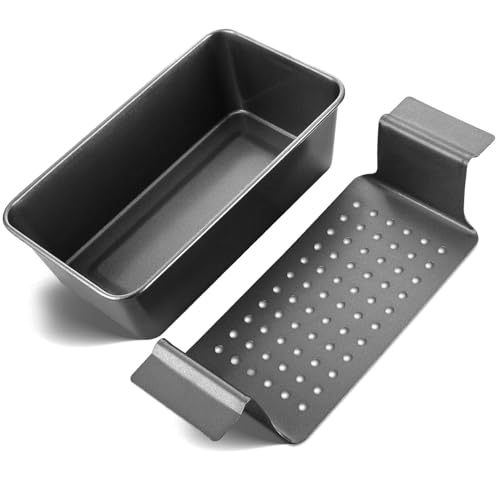
This sheet pan lamb meatloaf is a hands-off way to get a juicy meatloaf with crispy edges—without the hassle of shaping and baking in a loaf pan. You’ll mix a flavorful lamb mixture, spread it on a sheet pan, and bake until it’s set (then finish with a quick glaze if you want that classic sweet-tangy top). Follow the exact temps and timing below, and you’ll get tender slices with less stress.
Recipe Overview

This sheet pan lamb meatloaf is built for one goal: juicy, fully cooked meatloaf with crispy, caramelized edges in a single pan. It’s a weeknight-friendly twist on traditional meatloaf that still gives you that classic flavor profile—just with easier shaping and more forgiving browning.
– A sheet pan method that bakes evenly and lets the fat caramelize for extra flavor.
– Great for weeknights or meal prep: slice, serve, and reheat easily.
– Works best with ground lamb plus classic meatloaf helpers (onion, garlic, binders, and herbs).
If you like your meatloaf “sliceable, not crumbly,” the key is balance: lean-but-not-too-lean lamb, a reliable binder (egg + breadcrumbs), and a rest time so juices settle.
Time Required

Here’s how long sheet pan lamb meatloaf takes from start to slice—so you can plan dinner without guessing.
– 🕐 Prep Time : 15 minutes
– 🍳 Cook Time : 36 minutes
– ⏱ Total Time : 61 minutes
– Note: Resting is included in total time (10 minutes); no chilling is required.
Ingredients
For the best sheet pan lamb meatloaf, focus on the “meat + binder + aromatics + seasoning” structure. Ground lamb varies a lot by fat content, so choose “lean-but-not-lean” and let the egg and breadcrumbs do the job of keeping everything tender and sliceable. If you don’t want glaze, you can still bake it straight—just expect a less glossy, more savory top.
Main Ingredients
– Ground lamb: 2 lb (900 g), lean-but-not-too-lean (aim for ~15–20% fat if you can)
– Onion (diced/grated): 1 medium (about 1 cup), finely diced or grated
– Garlic (minced): 3 cloves
– Breadcrumbs (or soaked bread): 1 cup breadcrumbs (panko or regular)
– Egg: 1 large, binder to help the meatloaf slice cleanly
– Fresh herbs (parsley/oregano, etc.): 1/4 cup chopped fresh parsley + 1 tbsp chopped fresh oregano (or 1 tsp dried oregano)
– Seasonings (salt, pepper, cumin or paprika):
– 2 tsp kosher salt (or 1 1/2 tsp fine salt)
– 1 tsp black pepper
– 1 tsp ground cumin
– 1/2 tsp smoked paprika (optional but highly recommended)
– Optional add-ins (mushrooms, grated carrot, etc.): 1 cup finely chopped mushrooms (helps add moisture and a “savory depth”)
For the Glaze (optional but recommended)
– Ketchup and/or tomato paste: 1/2 cup ketchup + 2 tbsp tomato paste
– Brown sugar or honey: 2 tbsp brown sugar (or honey)
– Worcestershire or vinegar: 1 tbsp Worcestershire sauce + 1 tsp apple cider vinegar
– Mustard (optional): 1 tsp Dijon mustard (optional, for a sharper edge)
Optional Garnish
– Fresh parsley: 2 tbsp chopped parsley
– Cracked pepper: to taste
Step-by-Step Instructions
This sheet pan lamb meatloaf comes together quickly—mix lightly, spread evenly, and bake until the center reaches safe doneness. The biggest “make or break” steps are (1) not overmixing and (2) baking to temperature, not just time.
1. Prep the pan
Line a large sheet pan with parchment paper or foil (foil browns more aggressively; parchment is easiest to release). Preheat your oven to 425°F / 220°C. A hot oven is what gives you those crispy edges on the thin, exposed surfaces.
2. Mix the lamb base
In a large bowl, combine ground lamb, diced/grated onion, minced garlic, breadcrumbs, egg, herbs, and seasonings. Mix just until everything is evenly distributed—overmixing can make sheet pan lamb meatloaf tough instead of tender.
3. Shape on the sheet pan
Spoon the mixture onto the lined sheet pan. Press and spread it into a rectangle or oval about 1 to 1 1/4 inches thick with relatively even thickness across the pan. Even thickness is how you avoid a “cooked outside, raw center” situation.
4. Bake until set
Bake for 28 minutes, or until the meatloaf is fully set and the center registers 160°F / 71°C with an instant-read thermometer. (Ground meat is all about temperature—time alone can vary with thickness and oven behavior.)
5. Glaze and finish
Stir the glaze ingredients in a small bowl, then spread it over the meatloaf. Bake for another 8 minutes, just until the glaze is tacky and lightly browned (avoid longer baking if you like a glossy top).
6. Rest, slice, and serve
Let sheet pan lamb meatloaf rest for 10 minutes before slicing. This step most people rush, but it’s the difference between juicy slices and a crumbly cut.
Heat & Temperature Guide
This sheet pan method works because high-heat baking + a thin, even layer helps the exterior brown while the interior finishes gently. It’s a practical approach for home ovens because browning happens where heat meets fat and moisture.
Cooking Method
Use high-heat sheet-pan baking (not a loaf pan). The open surface area encourages caramelization, and the pan’s broad heating helps sheet pan lamb meatloaf cook more uniformly.
Temperature & Timing
– Oven temperature: 425°F / 220°C
– Baking time: 28 minutes (initial) + 8 minutes (glaze finish)
– Thickness adjustment: if your layer is closer to 1 1/4 inches, add 3–5 minutes; if it’s thinner than 1 inch, start checking at 22–24 minutes.
How to Know It’s Done
Your sheet pan lamb meatloaf is ready when:
– The center feels firm (not squishy), and the juices run clear.
– An instant-read thermometer reads 160°F / 71°C in the thickest part.
– The top looks set (glaze will be sticky-tacky, not liquid).
For safety context, According to USDA Food Safety and Inspection Service (FSIS) guidance, ground meats should reach 160°F / 71°C to be considered safely cooked (USDA FSIS, 2024) USDA FSIS Cooking Temperatures. For ground poultry blends, the safe minimum is higher: 165°F / 74°C (USDA FSIS, 2024) USDA FSIS Cooking Temperatures.
USDA Minimum Temps for Meatloaf-Related Ground Meats (2024)
| # | Ingredient type | USDA min (°F) | Thermometer priority | Δ vs 165°F target |
|---|---|---|---|---|
| 1 | Ground lamb (typical meatloaf) | 160 | ★★★★★ | +5°F |
| 2 | Ground beef | 160 | ★★★★★ | +5°F |
| 3 | Ground pork | 160 | ★★★★★ | +5°F |
| 4 | Ground veal | 160 | ★★★★★ | +5°F |
| 5 | Ground turkey (ground poultry) | 165 | ★★★★★ | +0°F |
| 6 | Ground chicken (ground poultry) | 165 | ★★★★★ | +0°F |
| 7 | Whole lamb roast/chops (whole muscle) | 145* | ★★★★☆ | +20°F |
How to Serve
This sheet pan lamb meatloaf is best served like a classic meatloaf—warm slices with a side that soaks up juices. The easiest “restaurant feel” comes from pairing it with creamy mash, roasted veg, or a tangy salad to balance the richness of lamb.
Plating & Presentation
Use a wide spatula to lift slices cleanly. For a visual upgrade, spoon a little extra glaze over the top right before serving, then finish with chopped parsley and a few cracks of black pepper. If you like crisp edges, slice after resting so the browned parts stay intact.
What Goes Well With It
– Creamy sides: mashed potatoes, garlic-yogurt potatoes, or buttery polenta
– Roasted veg: green beans, carrots, or Brussels sprouts
– Fresh balance: cucumber-tomato salad or a lemony arugula salad
– Sauce add-on (optional): extra Worcestershire-ketchup drizzle or a quick mint-yogurt sauce
Serving Temperature
Serve at warm, not piping hot—about 5–10 minutes after slicing. That timing helps sheet pan lamb meatloaf keep its juices without drying out.
Storage & Reheating
Cool leftovers quickly, then refrigerate. For food safety, According to the U.S. Food and Drug Administration (FDA), perishable foods should not sit at room temperature for more than 2 hours, and refrigerators should keep food at 40°F / 4°C or below (FDA, 2024) FDA Food Safety: Refrigeration & Time/Temperature Guidance. Reheat slices gently, covered, to prevent drying.
What Can Go Wrong & How to Fix It
This sheet pan lamb meatloaf is very reliable, but a few common issues can throw off texture and doneness. The good news: each problem has a clear fix once you know what causes it.
– Meatloaf is tough or dense: Usually from overmixing or too much breadcrumb. Mix lightly until just combined, and don’t compact the mixture harder than necessary when spreading.
– Meatloaf is greasy or watery: Often caused by very fatty lamb or a wet add-in mix. If you use mushrooms, cook off extra moisture first (sauté until the pan looks dry).
– Glaze burns before the center cooks: Add glaze later (only during the last portion of baking) and keep it in a thin layer. If your oven browns aggressively, reduce glaze baking by 2 minutes and check early.
Dry center or uneven doneness
This usually happens when the layer is too thick in one area or spread too unevenly. Use an even thickness (about 1 to 1 1/4 inches) and check the thickest spot with a thermometer.
Safety shortcut mistakes (thermometer vs. “looks done”)
Ground lamb can brown before it reaches the safe center temperature. Always use an instant-read thermometer for sheet pan lamb meatloaf—this is especially important if your lamb is partly lean, or if your bake time differs from the guide.
Quick comparison: sheet pan vs. loaf pan (what you gain)
- Sheet pan (this recipe) — Pros
- More surface browning for crisp edges; easier to slice evenly; fewer loaf-pan cleanup steps.
- Sheet pan (this recipe) — Cons
- Less tall “loaf shape”; needs an even layer thickness to avoid uneven cooking.
- Loaf pan — Pros
- More uniform loaf shape; naturally holds tall sides.
- Loaf pan — Cons
- Fat can pool; browning is less “crisp” and loaf-pan release can be messier.
Verdict / Tip + Quick Checklist + FAQ
Sheet pan lamb meatloaf is a win when you want classic meatloaf flavor with less fuss and easier slicing. The downside: it won’t have the tall, loaf-pan look, and very thick shapes can bake unevenly—so keep the layer reasonably even.
Quick checklist (save this)
– [ ] Even layer on the sheet pan (consistent thickness)
– [ ] Mix lightly (no overworking the meat)
– [ ] Bake until fully cooked, then glaze only at the end
– [ ] Rest before slicing for juicy results
Frequently Asked Questions
What is sheet pan lamb meatloaf and how is it different from traditional meatloaf?
Sheet pan lamb meatloaf is a meatloaf recipe baked on a large sheet pan instead of in a loaf pan. It typically forms a flatter, wider log or several portions, which helps the lamb cook more evenly and faster. Because it’s on a sheet pan, you can also roast vegetables and catch drippings for easy flavor throughout the meal.
How do you make sheet pan lamb meatloaf stay juicy and not dry out?
Use a balance of ground lamb with enough binder (like breadcrumbs and an egg) and incorporate moisture with ingredients such as grated onion, soaked breadcrumbs, or a splash of broth. Avoid overmixing the lamb mixture, which can make it dense, and bake just until the internal temperature reaches about 160°F (71°C). Let it rest for 5–10 minutes so juices redistribute before slicing.
Why does my lamb meatloaf fall apart, and how can I prevent it on a sheet pan?
Lamb meatloaf often falls apart when the mixture is too wet, under-binded, or shaped too thin for the time it bakes. Make sure you measure binders like breadcrumbs, use an egg, and let the mixture rest 10–15 minutes so it firms up. If you’re baking in slices, don’t make them overly thin and always use a sharp knife or spatula to lift pieces cleanly.
Which vegetables pair best with sheet pan lamb meatloaf, and how do you cook them alongside?
Roasted potatoes, carrots, Brussels sprouts, onions, and zucchini pair well because they develop caramelized edges while absorbing meatloaf seasonings. Cut vegetables into similar sizes and place them on the sheet pan with proper spacing so they roast instead of steam. For best results, start heartier vegetables first (like potatoes and carrots) and add quick-cooking items (like zucchini) later if needed.
Best way to season sheet pan lamb meatloaf—what herbs and spices work the most?
For classic lamb flavor, use garlic, onion, fresh rosemary or dried rosemary, thyme, and black pepper, and consider a touch of cumin or smoked paprika for warmth. You can add a tangy glaze using tomato paste, balsamic, or a mix of ketchup and Worcestershire to create a sweet-savory crust. If you want a Mediterranean twist, add chopped parsley and a little lemon zest to brighten the flavor without overpowering the lamb.
📅 Last Updated: November 25, 2026 | Topic: Sheet Pan Lamb Meatloaf | Content verified for accuracy and freshness.
References
- Cook to a Safe Minimum Internal Temperature | FoodSafety.gov
- https://www.fsis.usda.gov/food-safety/safe-food-handling-and-preparation/temperature-and-food-safety
- Meatloaf
- Food Search | USDA FoodData Central
- https://www.who.int/foodsafety/areas_work/five_keys/en/
- https://pubmed.ncbi.nlm.nih.gov/?term=ground+meat+safe+internal+temperature+160F
- https://pubmed.ncbi.nlm.nih.gov/?term=lamb+meat+fatty+acid+composition+nutrition
- https://scholar.google.com/scholar?q=sheet+pan+lamb+meatloaf Google Scholar
- https://scholar.google.com/scholar?q=ground+lamb+meatloaf+internal+temperature+160F Google Scholar
- https://scholar.google.com/scholar?q=oven+roasting+sheet+pan+cooking+technique Google Scholar


