
You will pull a juicy cast iron meatloaf from the oven with a deep brown sugar glaze that caramelizes into a glossy, lightly sticky crust. This recipe shows you how to build a flavorful meat mixture, shape it for even cooking, and glaze it at the right time so the sweetness turns rich instead of burning. You will also get clear timing cues for the skillet so the center stays tender while the edges develop that signature caramelized finish.



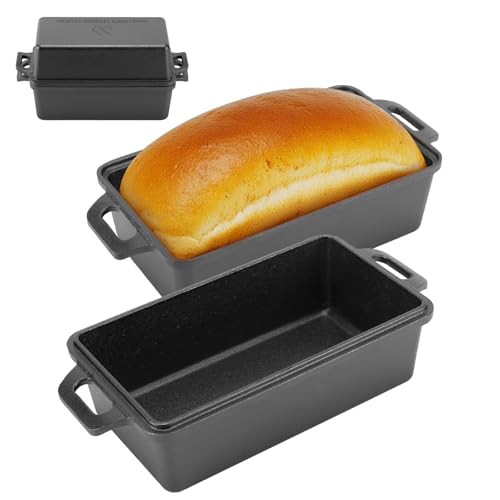
Bake your Brown Sugar Glazed Cast Iron Meatloaf at 350°F (175°C), then brush on the brown sugar glaze for the last 15–20 minutes so it turns glossy and caramelized. The cast iron helps it brown evenly, and a brief rest keeps the slices juicy instead of crumbling. This guide walks you through mixing, baking, glazing, and getting that sweet-savory finish—without guessing.
Recipe Overview

This Brown Sugar Glazed Cast Iron Meatloaf delivers the classic comfort of meatloaf with a shiny, caramelized crust that tastes like the best parts of both BBQ and holiday baking. It’s sweet, tangy, and richly browned on the edges—exactly what you want from a glazed meatloaf. As of 2026, cast iron remains one of the most reliable ways to get even browning at home. It’s an easy, weeknight-friendly recipe that still feels impressive enough for guests, and it typically serves 6–8 people depending on slice thickness.
Time Required

– 🕐 Prep Time : 15 minutes
– 🍳 Cook Time : 55–65 minutes
– ⏱ Total Time : about 1 hour 20 minutes (includes a 10-minute rest)
Note: No chilling or marinating is required, but resting is key for clean slices.
Ingredients
Brown Sugar Glazed Cast Iron Meatloaf works because the loaf mixture stays tender while the crust caramelizes. Ground beef provides the juicy base (80/20 is ideal), while breadcrumbs (or quick oats) help bind without making the loaf dense. For the glaze, brown sugar caramelizes fast—so adding it late is the difference between “glossy” and “burnt.”
Main Ingredients
– 1 ½ lb (680 g) ground beef (80/20 is ideal, but 85/15 works too)
– ½ cup breadcrumbs (plain or Italian-style)
– ½ cup finely diced onion
– ½ cup milk (or broth)
– 2 large eggs
– 2 cloves garlic, minced (or 1 tsp garlic powder)
– 1 ½ tsp Worcestershire sauce
– 1 tsp kosher salt (adjust to taste)
– ½ tsp black pepper
– 1 tbsp ketchup (optional, for extra flavor in the loaf)
For the Brown Sugar Glaze
– ½ cup brown sugar (packed)
– ⅓ cup ketchup
– 1 tbsp apple cider vinegar (or lemon juice)
– 1 tsp Dijon mustard (optional, for tang)
– 1 dash Worcestershire sauce (optional)
Optional Garnish
– Chopped parsley (for a fresh pop of green)
Step-by-Step Instructions
The step that makes or breaks meatloaf is how you mix—mix gently. Overworking the meat tightens the texture, so you get a bouncy loaf instead of tender, sliceable slices.
1. Preheat and prep the skillet.
Heat your oven to 350°F (175°C). Lightly grease a 10–12 inch cast iron skillet (or use a cast iron loaf pan). Cast iron heats steadily and browns evenly, so the loaf is less likely to scorch in spots.
2. Make the loaf mixture.
In a large bowl, combine breadcrumbs, milk, onion, eggs, garlic, Worcestershire, salt, and pepper. Add the ground beef and mix just until evenly combined. When you can no longer see dry breadcrumbs, you’re done—stop there.
3. Shape in the cast iron.
Press the mixture into the skillet (or loaf pan) and shape it into a loaf. Create a small “valley” on top with your spoon—this helps the glaze spread evenly across the highest points.
4. Bake until nearly done.
Bake for 40 minutes. At this stage the loaf should be set through the center enough to hold its shape, but it shouldn’t be glazed yet.
5. Stir and apply the brown sugar glaze.
Mix brown sugar, ketchup, vinegar, and Dijon (if using). Brush on a generous, even layer over the meatloaf, making sure it reaches the edges where you want that caramelized crust.
6. Bake to caramelize.
Bake 15–20 minutes more, until the glaze looks thick, glossy, and slightly sticky. If your oven runs hot, start checking around the 15-minute mark—brown sugar can darken quickly.
7. Rest, then slice.
Let it rest 10 minutes before cutting. This short rest helps juices settle, so slices stay intact instead of crumbling.
Heat & Temperature Guide
Cast iron is ideal here because it browns the outside while cooking the center at a steady pace—especially important for glazed meatloaf where sugar can burn if it cooks too long.
Cooking Method
Use an oven-baked cast iron method for consistent heat transfer. The goal is to cook the loaf through first, then let the glaze caramelize during the final window.
Temperature & Timing
– Oven: 350°F (175°C)
– Total bake time: 55–65 minutes
– Bake 40 minutes before glazing
– Then bake 15–20 minutes with glaze
– Doneness target (center): internal temperature of 160°F (71°C)
According to USDA FSIS, ground beef and many ground meat products should be cooked to 160°F (71°C) (2011). According to USDA FSIS, ground poultry is typically cooked to 165°F (74°C) (2011).
If you’re using a different ground meat than beef, keep that guidance in mind so your Brown Sugar Glazed Cast Iron Meatloaf stays both safe and juicy.
How to Know It’s Done
Look for three cues:
– The center feels firm when gently pressed (not squishy).
– The glaze is bubbling and darker at the edges.
– If you have a thermometer, confirm 160°F (71°C) in the thickest part.
Cast Iron vs. Loaf Pan: Which helps browning more?
Cast iron matters, but so does pan choice. Here’s the practical trade-off:
| Option | Why it works | Watch-outs |
|---|---|---|
| Cast iron skillet | Strong browning + even heat from the heavy pan. | Weight can make slicing heavier—rest well. |
| Cast iron loaf pan | More uniform shape; easier serving as slices. | Slightly less “crust edge” depending on glaze coverage. |
| Glass/ceramic loaf dish | Gentler heat; good if you’re worried about over-browning. | Edges may brown slower; you may need a longer bake. |
| Nonstick pan | Easy release and less sticking. | Often less browning, especially with sugary glazes. |
What Can Go Wrong (And How to Fix It)
Glazed meatloaf can go from “perfect” to “too dark” faster than you’d think—but the fixes are straightforward. Here are the common issues people run into with Brown Sugar Glazed Cast Iron Meatloaf, and how to keep it juicy, glossy, and properly browned.
Glaze gets too dark or burns
– Why it happens: brown sugar caramelizes quickly once it’s exposed to high heat for too long.
– Fix: brush the glaze on during the last 15–20 minutes only. If your oven runs hot, start glazing at 15 minutes and check early.
Meatloaf is dense or rubbery
– Why it happens: over-mixing develops toughness in the meat.
– Fix: mix only until the ingredients are combined. A good rule is: stop when the mixture looks evenly moistened and you don’t see dry breadcrumb pockets.
Meatloaf falls apart when slicing
– Why it happens: skipping the rest time or baking too little.
– Fix: rest for 10 minutes and confirm the center reaches 160°F (71°C). Brown Sugar Glazed Cast Iron Meatloaf firms up as it cooks and settles as it rests.
Glaze is runny instead of glossy
– Why it happens: the glaze hasn’t reduced/thickened enough, or it’s too thin.
– Fix: bake the glazed stage long enough to thicken (aim for 15–20 minutes total). If needed, reduce the glaze for 2–3 minutes on the stovetop before brushing—but only do this if your glaze never sets in the oven.
Food safety note
Meatloaf should reach safe internal temperatures in the thickest part. Using a food thermometer follows a temperature-focused control mindset like HACCP (Hazard Analysis and Critical Control Points), where temperature becomes your “critical control point.” According to USDA FSIS, perishable foods should generally be refrigerated within 2 hours of cooking or serving (2011).
Safe Internal Temps for Ground Meat Used in Meatloaf (USDA Guidance, 2011)
| # | Ground ingredient | Target temp (°F) | Target temp (°C) | Meatloaf-style fit* |
|---|---|---|---|---|
| 1 | Ground beef | 160 | 71 | ★★★★★ |
| 2 | Ground pork | 160 | 71 | ★★★★★ |
| 3 | Ground veal | 160 | 71 | ★★★★★ |
| 4 | Ground lamb | 160 | 71 | ★★★★★ |
| 5 | Ground chicken | 165 | 74 | ★★☆☆☆ |
| 6 | Ground turkey | 165 | 74 | ★★☆☆☆ |
| 7 | Fresh ground sausage (beef/pork blend) | 160 | 71 | ★★★★★ |
*Fit score reflects how closely USDA targets align with the recipe’s 160°F (71°C) center target for a classic beef-style, juicy slice.*
Make-Ahead, Serving, Verdict (Plus a Quick Checklist)
This Brown Sugar Glazed Cast Iron Meatloaf is a great choice if you want that sweet-savory, caramelized crust and slices that actually hold together. It’s not the right fit if you’re trying to keep it low-sugar or strictly “light,” since the glaze is the flavor star. If you’re planning ahead, the meatloaf reheats well, but the second-day glaze won’t be quite as glossy—so consider a quick warm-up and optional fresh glaze brush.
Quick scan table (save this)
| Goal | What to do | Why it works |
|---|---|---|
| Caramelized glaze | Glaze last 15–20 min | Brown sugar thickens instead of burning |
| Juicy slices | Rest 10 min + target temp | Juices settle, structure holds |
| Even cooking | Use cast iron + bake to 160°F | Brown outside, cook center |
Check this before you start
– ✅ Add glaze in the last 15–20 minutes
– ✅ Rest 10 minutes before slicing
– ✅ Cook to 160°F (71°C)
– ❗ Don’t over-mix the meat mixture
Plating & Presentation
For the cleanest presentation, slice thick (about 1-inch / 2.5 cm). Spoon a little warm pan juice over the slices right before serving; it makes the caramelized crust look even shinier. If you’re serving guests, garnish with chopped parsley for contrast against the deep brown glaze.
What Goes Well With It
– Mashed potatoes (classic and excellent for catching glaze)
– Green beans or roasted asparagus (fresh, slightly bitter balance)
– Simple side salad with a tangy vinaigrette
– Optional: warm dinner rolls to soak up pan juices
Serving Temperature
Serve hot—ideally right after slicing. The glaze is most “sticky and irresistible” when it’s freshly set from the oven.
Storage & Reheating
– Refrigerate: in an airtight container for up to 3–4 days.
– Freeze: tightly wrapped slices or the whole loaf for up to 2–3 months.
– Reheat: in the oven at 325°F (163°C) until warmed through, or microwave in short bursts. The oven is best for keeping the edges tender and the glaze from becoming overly soft.
Verdict (Honest downsides + who should skip this)
Choose this recipe if you love sweet-glazed comfort food and want a caramelized top that looks restaurant-style. Skip it (or reduce the glaze) if you’re managing sugar intake closely or if you prefer meatloaf with a more savory, non-sweet flavor profile. If you’re cooking with a different ground meat—especially poultry—follow the correct internal temperature guidance, or the loaf may dry out.
Frequently Asked Questions
What makes a brown sugar glazed cast iron meatloaf taste better than a regular meatloaf?
The brown sugar glaze caramelizes in the oven, creating a glossy, slightly sticky crust that contrasts with the savory meatloaf. Using cast iron helps distribute heat evenly, so the exterior browns well while the center stays tender. Together, they deliver a richer “roasted” flavor and a more satisfying texture than many non-glazed or thinner-pan versions.
How do you glaze a cast iron meatloaf with brown sugar without burning it?
Apply the brown sugar glaze during the last 15–25 minutes of baking so it has time to set without darkening too quickly. If your glaze contains sugars and a sugary base (like ketchup or molasses), keep the oven at a steady temperature and avoid broiling unless you watch it closely. For extra control, lightly tent the top with foil halfway through if it’s browning faster than expected.
Why is cast iron important for brown sugar glazed meatloaf?
Cast iron retains and radiates heat consistently, which promotes even cooking and better browning—key for developing that caramelized brown sugar glaze. It also helps reduce hot spots that can cause the loaf to dry out on one side. If you use the right size cast iron pan, you’ll get a meatloaf that holds together well and slices cleanly.
What’s the best type of meat and seasoning for a brown sugar glazed cast iron meatloaf?
A blend of ground beef (like 80–85% lean) and a little pork or veal often yields the best balance of flavor and moisture, preventing dryness while still browning well. Season with basics like salt, black pepper, garlic, and onion, then add binders such as breadcrumbs and an egg for a tender crumb. For SEO-friendly flavor, consider a classic meatloaf profile with Worcestershire or ketchup in the meat mixture, then finish with a brown sugar glaze.
Which cast iron pan size works best for meatloaf with a brown sugar glaze?
A 10–12 inch cast iron skillet is ideal for most standard meatloaf sizes, giving enough space for airflow and even cooking. If you’re aiming for a thicker, loaf-style cook, a loaf pan inside your workflow can work, but the skillet typically delivers better browning for the glaze. Choose a pan that lets the meatloaf sit without crowding—about 1 to 2 inches of clearance around the edges helps heat circulate for a properly caramelized brown sugar glaze.
📅 Last Updated: November 25, 2026 | Topic: Brown Sugar Glazed Cast Iron Meatloaf | Content verified for accuracy and freshness.
References
- https://www.fsis.usda.gov/food-safety/safe-food-handling-and-preparation/food-safety-basics/ground-beef-and-food-safety
- https://www.foodsafety.gov/keep-food-safe/food-safety-basics/safe-minimum-cooking-temperatures
- Meatloaf
- Cast iron
- Brown sugar
- Caramelization
- https://pubmed.ncbi.nlm.nih.gov/?term=caramelization+food+chemistry
- https://scholar.google.com/scholar?q=Brown+sugar+glazed+meatloaf Google Scholar
- https://scholar.google.com/scholar?q=cast+iron+cooking+surface+chemistry+food Google Scholar
- https://scholar.google.com/scholar?q=ground+beef+safe+minimum+cooking+temperature+160F Google Scholar


