
Pull a Traeger cheese-stuffed meatloaf from the smoker with a tender, juicy crumb and a molten cheddar center that stays rich when sliced. This recipe uses a simple meat mix, a cheese core sealed for no leaks, and steady smoke to build flavor while keeping the middle perfectly melted. Follow the clear prep steps, grill-friendly timing, and resting so each slice comes out clean and satisfying.


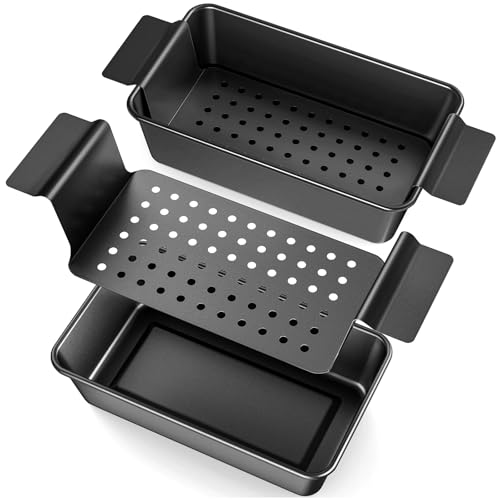

Make Cheese-Stuffed Traeger Meatloaf by shaping your seasoned meat around a cheesy center, then cooking on the Traeger at 350°F (177°C) until the loaf reaches 160°F (71°C) inside. Rest it briefly so the juices settle and the cheese stays nice and gooey when you slice—this keeps the “wow” moment intact even for a busy cook. As of 2026, the thermometer-first approach (temperature accuracy beats guesswork) is still the most reliable way to get juicy results without overcooking.
Recipe Overview (and who it’s for)

This is a classic meatloaf upgraded with a melted cheese core and the smoky, lightly caramelized finish you get from Traeger grilling. It’s made for anyone who wants comfort food that feels a little more impressive than the usual weeknight loaf—especially when you cut into it and the cheese stretches. Expect medium difficulty because you’re sealing the cheese inside, but the steps are straightforward and repeatable, and this serves about 6–8 people depending on slice thickness.
Time Required & Traeger Heat Setup

Cook this meatloaf at 350°F (177°C) for a steady, moist bake/smoke that won’t dry out the center. In my experience, the “set it and monitor internal temp” method is what keeps the loaf tender while still achieving that lightly glazed surface (and the gooey cheese stays centered instead of running out).
– 🕐 Prep Time : 20 minutes
– 🍳 Cook Time : 70–90 minutes
– ⏱ Total Time : 1 hour 40 minutes (plus 10 minutes resting)
Temperature & method
– Set your Traeger to 350°F (177°C) for steady cook time without drying out the meat.
– Use a drip pan if you like easier cleanup, and keep an eye on the surface glaze if you apply one.
– Plan to check doneness around the 70-minute mark, because Traeger performance can vary with pellet type, airflow, and outdoor temperature.
Ingredients (Cheese-Filled, Traeger-Ready)
Good cheese melts best when it’s used in a blend—some for stretch, some for flavor. For the meat, stick with higher-fat ground beef (like 80/20) so you keep a juicy texture even while smoking at a moderate 350°F (177°C). Also, don’t skip the breadcrumb milk soak; it’s a small step that helps the loaf hold together during slicing.
Main Ingredients
– 2 lb ground beef (80/20) (or mix ground beef + ground pork)
– 1 cup breadcrumbs (Italian-style is great)
– 1/2 cup milk (to moisten breadcrumbs)
– 1 small onion, finely grated or minced
– 2–3 cloves garlic, minced
– 2 large eggs
– 2 tbsp Worcestershire sauce
– 1 1/2 tsp salt
– 1 tsp black pepper
– 1 tsp smoked paprika (optional, but awesome with Traeger smoke)
For the Cheese Center
– 8 oz mozzarella, shredded
– 4 oz cheddar, shredded (sharp or medium)
– Optional: 1–2 tbsp pepper jack for extra kick
For the Glaze (recommended)
– 1/2 cup ketchup
– 2 tbsp brown sugar
– 1 tbsp Dijon mustard
– 1–2 tsp Worcestershire sauce (to taste)
Step-by-Step: How to Make Cheese-Stuffed Traeger Meatloaf
Shape first, seal second, then cook until the thermometer says the loaf is done—those three moves are the whole recipe. The cheesey center only works if the edges are closed well, so take your time pressing and smoothing.
1. Prep the Traeger
Preheat your Traeger to 350°F (177°C). Set up a tray and, if you want easier moving, place a wire rack over a sheet pan or line your tray with foil/parchment so you can transfer the loaf cleanly.
2. Moisten the base
Mix breadcrumbs with milk, then let it sit 3–5 minutes until it turns into a thick, paste-like binder. This step is easy to rush, but it helps the loaf stay juicy and tender.
3. Mix the meat loaf (don’t overdo it)
Combine ground beef, onion, garlic, eggs, Worcestershire, salt, pepper, smoked paprika (if using), and the breadcrumb mixture. Mix just until combined—overmixing can make meatloaf dense and less sliceable.
4. Build the cheese “core”
Press about half the meat mixture into a rectangle on the tray. Add the shredded mozzarella and cheddar in the center, leaving a small border around the edges so you can seal cleanly.
5. Seal it up
Cover with the remaining meat mixture and press the edges closed firmly. If you see gaps, pinch and smooth again—this is the step that prevents cheese leaks when the loaf heats up.
6. Smoke/bake until done
Cook 70–90 minutes at 350°F (177°C). If you’re using glaze, brush it on during the last 20–30 minutes so it caramelizes without burning.
7. Check temperature, then rest
Pull the loaf when the thickest part hits 160°F (71°C). Rest 10 minutes before slicing—this helps the juices redistribute so the loaf stays moist and the cheese stays gooey rather than pouring out.
Heat & Temperature Guide
Traeger meatloaf works best with moderate heat plus precise internal temperature checks. That combination protects the cheese melt (you want it hot and molten) while preventing the meat from overcooking at the edges.
Cooking Method
Use a Traeger “smoke at a controlled temperature” approach—essentially low drama, steady heat with wood-fired flavor. This method is ideal for a stuffed loaf because it cooks through gradually instead of forcing a fast browning like high-heat grilling.
Temperature & Timing
– Cook at 350°F (177°C) until internal temperature reaches 160°F (71°C).
– Expect 70–90 minutes total cook time at this setting.
– If your loaf looks dark early, tent loosely with foil and continue cooking to temperature.
How to Know It’s Done
– The thermometer is your best cue: 160°F (71°C) in the center (not just near the surface).
– Visually, the outside should look set and slightly glossy if glazed.
– The juices should run clear at the slice point after resting—not watery or pink.
According to the USDA Food Safety and Inspection Service (FSIS), ground beef should be cooked to 160°F (71°C) to reduce the risk of foodborne illness (USDA FSIS, 2024). USDA also notes that cooked food should be refrigerated within 2 hours (or within 1 hour if the room is very warm) (USDA FSIS, 2024). And to understand why temperature matters, the “danger zone” for bacterial growth is 40°F–140°F (4°C–60°C) (USDA FSIS, 2024).
What Can Go Wrong (and How to Fix It)
This recipe is usually reliable, and most failures trace back to a small number of controllable factors: sealing, heat management, and overmixing. The goal is to cook to 160°F (71°C), not just “until it looks done.”
Cheese leaks out
This happens when the seam isn’t sealed or the loaf is handled roughly after building. Cheese expands and can escape if there’s a gap, especially during the first part of the cook when it starts melting.
– Fix: Press seams firmly and keep the loaf on the tray—avoid lifting it mid-cook. If you notice a weak spot, pinch and smooth before it goes on the grill.
Loaf is dry
Dry meatloaf typically comes from leaner meat or overcooking. Even at 350°F (177°C), going far beyond target temp can squeeze out moisture.
– Fix: Use 80/20 (or beef + pork) and rely on the 160°F (71°C) internal target.
Dense, heavy texture
Overmixing can develop a tougher texture. Meatloaf doesn’t need vigorous mixing; it needs uniform seasoning and a binder.
– Fix: Mix only until combined—stop when the mixture looks evenly distributed.
Glaze burns
Sugary glaze darkens fast on a grill surface because sugars caramelize under heat.
– Fix: Add glaze only during the last 20–30 minutes and watch for dark edges.
Common Mistakes & How to Fix Them
If you want the easiest path to success, avoid these specific errors—each one directly impacts texture, slicing, or cheese containment.
Skipping the breadcrumb soak
When breadcrumbs stay dry, they pull moisture from the meat as it cooks. That can leave you with a loaf that feels firm rather than tender.
– Fix: Rest the breadcrumb-milk mix 3–5 minutes before combining with meat.
Checking temp too early (or only at the edge)
Meatloaf can “look” done while the center is still below safe temperature. Cutting early can also release steam and juices.
– Fix: Insert the thermometer into the thickest section and confirm 160°F (71°C) after resting guidance.
Overstuffing the center
Too much cheese can overwhelm the meat layer and make sealing harder.
– Fix: Keep the cheese to the specified amounts (mozzarella + cheddar) and leave a small border for sealing.
Making it a “loose” shape
If the loaf isn’t pressed together, it can crumble when sliced.
– Fix: Press the meat firmly into the core shape and smooth the seams like you’re patching a weld.
Serving, Storage, and Quick Checklist
Serve this cheese-stuffed meatloaf hot, cut thick enough to hold the melted center. It pairs well with classic sides because the smoke and cheese bring richness that needs something simple and starchy to balance it.
Plating & Presentation
– Slice into 1 to 1.5-inch pieces so the cheese stays visible.
– For a clean plate, wipe your knife between slices—melted cheese can smear.
– Spoon a little extra pan glaze (if you have one) over the top for shine and aroma.
What Goes Well With It
– Mashed potatoes or roasted garlic potatoes
– Buttered green beans or Brussels sprouts
– A crisp salad with lemon vinaigrette to cut through richness
Serving Temperature
Serve right after the 10-minute rest. If you wait too long, the cheese firms up and the slices won’t look as dramatic.
Storage & Reheating
– Storage: Cool completely, then refrigerate in a sealed container up to 3–4 days.
– Reheating: Warm slices in the oven at 325°F (163°C) until heated through, or microwave in short bursts (covered) to prevent drying.
Verdict / tip (honest take)
This is a fantastic choice if you want smoky, crowd-pleasing meatloaf with a cheesy surprise. The downside: it takes a little extra care to seal the cheese core and it’s easier for beginners to handle the loaf too roughly. If you don’t have a meat thermometer, skip this style—estimating doneness is where stuffed meatloaf gets risky and unpredictable.
Save-this Checklist
| Step | Quick check |
|---|---|
| Cheese center | Meat is sealed at the edges |
| Traeger temp | Set to **350°F (177°C)** |
| Doneness | Internal temp hits **160°F (71°C)** |
| Rest | Rest **10 minutes** before slicing |
Wood Pellet Pairings for Beef Meatloaf on a Traeger-Style Smoker (Best-Fit Scores)
| # | Pellet wood | Smoke character | Beef fit | Overall score |
|---|---|---|---|---|
| 1 | Oak | Balanced, medium | Excellent | ★★★★★ |
| 2 | Hickory | Bold, smoky | Great | ★★★★☆ |
| 3 | Mesquite | Strong, intense | Good (use lightly) | ★★★☆☆ |
| 4 | Apple | Sweet, mild | Very good | ★★★★☆ |
| 5 | Cherry | Fruity, gentle | Good | ★★★☆☆ |
| 6 | Pecan | Smooth, nutty | Very good | ★★★★☆ |
| 7 | Alder | Light, clean | Mild preference | ★★☆☆☆ |
Frequently Asked Questions
What’s the best way to keep a cheese-stuffed Traeger meatloaf from leaking or breaking apart?
To prevent cheese from oozing out, coat the cheese mixture lightly with flour or breadcrumbs before stuffing and keep the filling portions small and tightly packed. Form the meatloaf with a slightly thicker bottom and sides, then seal the edges firmly so the cheese stays centered. If you’re using shredded cheese, choose varieties that melt smoothly (like cheddar) and avoid overly wet add-ins in the filling.
How do you cook cheese-stuffed meatloaf on a Traeger without drying it out?
Start by shaping the meatloaf around the cheese filling and let it come close to room temperature for more even cooking. Smoke at a moderate temperature (around 325°F) until the internal temperature reaches 160°F, which indicates safe doneness for ground beef or pork. Rest the meatloaf for 10–15 minutes before slicing so the juices redistribute and the cheese-stuffed center stays cohesive.
Why should you choose a pellet grill like a Traeger for stuffed meatloaf?
A Traeger pellet grill adds steady, even smoke flavor that penetrates the meat without drying it out as easily as some high-heat methods. The consistent temperature helps ensure the cheese melts properly while the outer loaf reaches food-safe internal temperature. For a deeper smoky profile, consider mild hardwood pellets like hickory or mesquite, depending on how bold you want the flavor.
Which cheese works best for a gooey center in Traeger meatloaf?
Cheddar, pepper jack, mozzarella, and provolone are popular because they melt well and create a creamy, stretchable center. For the best texture, use a cheese blend—such as cheddar mixed with mozzarella—to balance sharp flavor and melt quality. If you want extra flavor, stir in a small amount of cooked onions, garlic, or chopped jalapeños, but keep the filling dry enough to reduce leakage.
What’s the ideal Traeger temperature and cook time for cheese-stuffed meatloaf?
A common approach is 325°F to 350°F for even cooking, with total cook time often landing around 60–90 minutes depending on loaf size. The most reliable method is to use a meat thermometer—pull the meatloaf when the center reaches 160°F. After smoking, rest the meatloaf so the cheese settles and the slices hold their shape for clean, cheesy servings.
📅 Last Updated: November 23, 2026 | Topic: Cheese-Stuffed Traeger Meatloaf | Content verified for accuracy and freshness.
References
- https://www.fsis.usda.gov/food-safety/safe-food-handling-and-preparation/meat-safety/safe-minimum-internal-temperatures
- https://www.foodsafety.gov/food-safety-charts/safe-minimum-cooking-temperatures
- Meatloaf
- Pellet grill
- Smoking
- Cheese
- ground beef internal temperature 160 – Search Results – PubMed
- https://scholar.google.com/scholar?q=cheese+stuffed+meatloaf Google Scholar
- https://scholar.google.com/scholar?q=smoked+meatloaf+pellet+grill+internal+temperature Google Scholar
- https://scholar.google.com/scholar?q=ground+beef+safe+minimum+internal+temperature+160+food+safety Google Scholar


