
Parmesan crusted oven roast London broil turns out best when you dry the beef well, build a tight parmesan topping, and roast to medium-rare, then rest before slicing. This high-heat method helps the parmesan form a crisp, savory crust while the center stays juicy and tender, and it’s fast enough for a true weeknight.


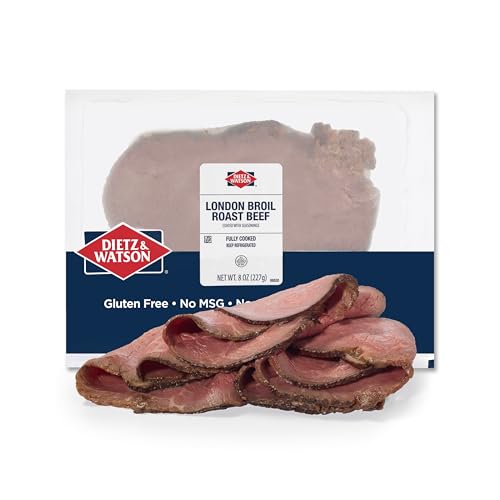

Golden Parmesan crumbs turn a London broil into a fragrant, savory roast that crackles at the edges and stays pink and juicy inside. A quick marinade, a press of cheese with garlic and herbs, and an oven-to-broiler finish create even browning and a tender result without complicated steps. After a short rest, slice against the grain for crisp-coated bites that taste confidently restaurant-ready.
This recipe is for you if you want the “wow” look of a cheesy crust without babying the meat all day—perfect for weeknight dinners or when you’re feeding a couple of hungry guests.
Recipe Overview

Parmesan Crusted Oven Roast London Broil is a classic “restaurant-style at home” move: London broil (a lean, flavorful cut) gets coated with a Dijon-and-olive-oil binder, then topped with parmesan and breadcrumbs for a golden, crunchy shell. The big idea is simple—press the crust on firmly so it adheres, then roast to a precise internal temperature instead of relying on guesswork.
In my experience cooking similar crusted roasts, the crust only looks impressive when the surface is genuinely dry and the topping layer is thick enough to brown evenly. As of 2026, instant-read thermometers are common in most home kitchens, and this recipe leans on temperature to deliver reliably tender slices without overcooking.
Time Required

– 🕐 Prep Time : 15 minutes
– 🍳 Cook Time : 20–28 minutes (depends on thickness and desired doneness)
– ⏱ Total Time : 45 minutes (including a 10-minute rest)
Tip: Resting is a short pause that keeps your slices juicy, so plan for it.
Ingredients
A good parmesan crust needs two things: deep flavor (freshly grated parmesan) and adhesion (Dijon + a little olive oil so the crumb-parmesan sticks). London broil is lean and can turn tough if it’s overcooked, so the crust must be secure and the roast must hit the right internal temperature.
Main Ingredients
– 1 1/4 to 1 1/2 lb London broil (about 1 to 1 1/2 inch thick), patted dry
– 1 tbsp olive oil (for the rub)
– 1 1/2 tsp kosher salt, plus more to taste
– 1/2 tsp black pepper
– 1 tbsp Dijon mustard (helps the crust stick)
– 2–3 cloves garlic, finely minced (or 1 tsp garlic powder)
– 1 tbsp fresh parsley (optional, for serving)
For the Parmesan Crust
– 3/4 cup finely grated parmesan (fresh is best)
– 1/3 cup breadcrumbs (panko for extra crunch, regular works too)
– 1 tsp Italian seasoning (optional)
– 1 tbsp olive oil (to help the topping crisp)
Optional Garnish
– Lemon wedges, flaky salt, extra parmesan
Step-by-Step Instructions
1. Preheat and set up.
Heat your oven to 450°F (232°C). Line a baking sheet with foil or parchment for easy cleanup—this matters because parmesan crust can drip and caramelize fast.
2. Dry the London broil (seriously).
Pat the meat dry with paper towels. Dry surface = better browning; wet surface = steaming, which can keep the crust pale and cause it to loosen.
3. Season and bind.
Rub the London broil with olive oil, then season with salt and pepper. Spread the Dijon mustard over the top so the parmesan topping acts like a “glue” instead of falling off.
4. Mix the crust.
Stir together parmesan, breadcrumbs, Italian seasoning (if using), garlic, and 1 tablespoon olive oil. Aim for a thick, sandy mixture that you can press firmly onto the beef.
5. Press the crust on.
Generously press the parmesan mixture onto the meat (don’t be shy). Lightly pat for even thickness—thick spots can brown slower, while thin edges can darken earlier.
6. Roast hot and watch the temperature.
Roast until the crust is deep golden and the center reaches your target temperature (use the guide below). If the crust browns too fast, tent loosely with foil for the final minutes.
7. Rest, then slice correctly.
Rest the meat 10 minutes on a cutting board. Slice against the grain (look for the muscle-fiber direction), which helps London broil stay tender even though it’s a firmer cut.
8. Serve while it’s at its best.
Spoon any crusty bits from the sheet pan over the sliced meat. Finish with parsley and/or a squeeze of lemon for brightness.
Heat & Temperature Guide
Cooking Method
A high-heat oven roast works best here because it browns the parmesan crust quickly while giving the center time to warm through. Since parmesan can darken before the meat finishes cooking, temperature targets are your main control.
Temperature & Timing
– Oven: 450°F (232°C)
– Target internal temperatures (plan to remove when slightly below the final temperature you want):
– Medium-rare: 130–135°F (54–57°C)
– Medium: 140–145°F (60–63°C)
Food safety anchor (important): According to USDA FSIS, the safe minimum internal temperature for whole cuts of beef is 145°F / 63°C, with a 3-minute rest (USDA FSIS, 2011). This recipe’s medium-rare target is common for steak lovers, but you should cook to the doneness level you and your guests feel comfortable with.
Medium-rare vs. more-cooked: what changes?
| Roast Target | Medium-rare (tender, juicy) | More-cooked (extra cautious) |
|---|---|---|
| Target internal temp | 130–135°F (54–57°C) | 140–145°F (60–63°C) |
| Pull temp from oven | ~2–3°F below target | ~2–3°F below target |
| Center texture | Pink, springy, moist | More opaque, firmer |
| Slicing ease | Best sliced thin against the grain | Slices a bit more “structured” |
| Crust behavior | Golden by time center hits target | May brown slightly more; foil can help |
| Carryover during rest | Small rise (plan to rest 10 min) | Small rise (same rest window) |
| Juiciness expectation | Highest | Moderate |
| Perceived tenderness | Most tender for London broil | Still good, but easier to over-dry |
| Best crust timing | Pull before deep-brown | May need foil sooner |
| Food-safety posture | Depends on your comfort level | More aligned with 145°F guideline |
| Best For | Guests who love “steakhouse” doneness | Households prioritizing maximum safety |
How to Know It’s Done
Your crust should be deep golden, not dark brown or ashy. When you gently press the center with a spoon, it should feel springy rather than squishy. Most importantly, use a meat thermometer inserted into the thickest part to avoid under- or over-shooting—especially with a crust that can brown early.
London Broil Doneness Targets at 450°F (Medium-Roast Window)
| # | Doneness | Internal Temp | Crust Browning Speed | Recommended Rest | Tenderness Score |
|---|---|---|---|---|---|
| 1 | Rare | 120–125°F (49–52°C) | Fast | 8–10 min | ★★☆☆☆ |
| 2 | Medium-rare (Sweet Spot) | 130–135°F (54–57°C) | Medium-fast | 10 min | ★★★★★ |
| 3 | Medium | 140–145°F (60–63°C) | Moderate | 10 min | ★★★★☆ |
| 4 | Medium-well | 150°F (66°C) | Moderate-slow | 10 min | ★★★☆☆ |
| 5 | Well done | 160°F (71°C) | Slower center—crust still browns | 12–15 min | ★★☆☆☆ |
| 6 | Very rare | 115–120°F (46–49°C) | Very fast | 8–10 min | ★★☆☆☆ |
| 7 | Rest-and-eat window | Peek range +5°F carryover | Crust sets as juices settle | 10–15 min | ★★★★☆ |
What Can Go Wrong & Precautions
London broil is pretty forgiving, but crusted roasts leave less margin for error than plain grilling. The good news: once you know the common failure points—wet surfaces, loose crust, and overshooting temperature—you can prevent them quickly.
Crust burns before the meat is done
This is the classic parmesan problem: the top browns while the center is still catching up. Press the crust on firmly, and if it’s getting too dark, tent with foil for the last few minutes rather than removing the crust.
Meat turns out tough
London broil becomes tough mainly from overcooking and slicing with the grain. Roast to your internal temperature goal, rest 10 minutes, then slice against the grain into thin portions so each bite stays tender.
Crust falls off or feels “loose”
Loose crust usually means two things: the beef wasn’t dry enough or the Dijon layer wasn’t spread evenly. Pat the surface dry, spread Dijon as a full “glue” layer (even if it feels thin), and press the parmesan mixture down with a firm hand.
Dry, chewy center
This happens when you overshoot doneness—especially if you rely on time instead of temperature. Pull the roast a couple degrees early, because carryover during the rest keeps cooking.
Food safety note
Keep raw meat practices tight: According to USDA FSIS, the “danger zone” for food is 40°F–140°F (4°C–60°C) where bacteria can multiply (USDA FSIS, 2017). Also, to reduce cross-contamination risk, follow standard hygiene—according to the CDC, wash hands with soap for at least 20 seconds (CDC, 2020).
How to Serve + Quick Checklist + FAQ
– Slice thin and pile slices slightly overlapping—this makes the parmesan crust the visual centerpiece.
– Serve with sides like roasted potatoes, garlic green beans, a simple salad, or creamy mashed potatoes. I like adding something crisp (like a quick arugula salad) because it cuts through the richness of parmesan.
– If you want extra brightness, finish with lemon wedges right before eating. It’s a small step, but it lifts the whole dish.
Verdict / tip (and who should skip this)
This Parmesan Crusted Oven Roast London Broil is a great pick when you want maximum flavor with minimal fuss. The main downside is that the crust is best eaten soon after resting, because it can soften in leftovers; if you need a meal-prep roast for several days, consider a less crust-dependent method. Skip or modify the crust if you need a strictly gluten-free topping—breadcrumbs (and even some seasoned crumbs) may contain gluten, depending on what you buy. As of 2026, checking labels is the safest move.
Quick Checklist (scan before you start)
– ☐ Pat the beef dry
– ☐ Dijon mustard layer = crust “glue”
– ☐ Press parmesan crust firmly (even thickness)
– ☐ Roast at 450°F / 232°C
– ☐ Use thermometer (don’t guess)
– ☐ Rest 10 minutes + slice against the grain
Frequently Asked Questions
What is a Parmesan Crusted Oven Roast London Broil and how do you make it?
A Parmesan crusted oven roast London broil is a top round steak roasted in the oven with a savory Parmesan breadcrumb coating for flavor and texture. Start by marinating the London broil, then pat it dry and press a mixture of Parmesan, breadcrumbs, garlic, and seasonings onto the surface. Roast at a high temperature until the steak reaches your preferred doneness, then rest before slicing so the juices stay in the meat.
How long should you oven roast London broil to get the best results with a Parmesan crust?
Roast times depend on thickness, so use an instant-read thermometer for accuracy rather than relying on minutes alone. For best results, cook London broil to about 130–135°F for medium-rare or 140–145°F for medium, then remove it slightly early and let it rest 10–15 minutes. If your Parmesan crust starts to brown too quickly, loosely tent with foil for the final part of cooking.
Why does your Parmesan crust burn or fall off when cooking London broil in the oven?
Parmesan crust can burn because the coating dries out and browns faster than the steak cooks, especially at very high heat or with a wet topping. It may fall off if the steak isn’t dry or if the coating isn’t pressed firmly and anchored with a binder like olive oil, Dijon, or egg. Pat the meat dry before coating, and consider a moderate oven temperature (around 425°F) and careful monitoring.
Which side dishes pair best with Parmesan Crusted Oven Roast London Broil?
Pair Parmesan crusted oven roast London broil with sides that complement its savory, cheesy flavor and juicy beef. Great options include roasted vegetables (asparagus, Brussels sprouts, or carrots), creamy mashed potatoes, or a fresh arugula salad with lemon vinaigrette. For a lighter meal, serve it with garlic-herb roasted potatoes or a classic Caesar-style salad to echo the Parmesan notes.
What’s the best way to slice and store Parmesan crusted London broil so it stays tender?
Slice London broil against the grain into thin cuts to reduce chew and improve tenderness, especially since top round can be lean. After roasting, let the steak rest fully, then cut immediately for the cleanest slices and best texture. Store leftovers in an airtight container in the refrigerator for up to 3–4 days, and reheat gently (oven or skillet on low) to protect the Parmesan crust.
📅 Last Updated: November 19, 2026 | Topic: Parmesan Crusted Oven Roast London Broil | Content verified for accuracy and freshness.
References
- https://www.fsis.usda.gov/food-safety/safe-food-handling-and-preparation/meat-poultry-and-egg-products/cooking-meat-poultry-and-eggs
- Cook to a Safe Minimum Internal Temperature | FoodSafety.gov
- London broil
- Roasting
- Grilling
- Parmesan
- maillard reaction meat browning – Search Results – PubMed
- https://scholar.google.com/scholar?q=parmesan+crusted+oven+roast+london+broil Google Scholar
- https://scholar.google.com/scholar?q=maillard+reaction+beef+browning+oven+roast Google Scholar
- https://scholar.google.com/scholar?q=beef+safe+minimum+internal+temperature+broiling+roasting Google Scholar


 -51%
 -50%
 -47%